
In the heart of every building—whether it's the home where a family shares meals, the office where ideas take shape, or the hospital where lives are saved—lies a network of systems working silently to keep things running. Plumbing, in particular, is the unsung hero, carrying water that sustains life and comfort. But what if the pipes and fittings that make this possible could do more than just function? What if they could help heal the planet, too? As a leading PEX pipe and fitting supplier, we've spent years asking these questions, and today, we're proud to say: sustainability isn't just a buzzword for us. It's the foundation of everything we do—especially as the world races toward meeting critical 'dual carbon goals' of peaking carbon emissions and achieving carbon neutrality.
Construction and building materials have long been recognized as major contributors to global carbon emissions, accounting for nearly 30% of energy-related CO₂ output annually, according to the International Energy Agency. From the extraction of raw materials to manufacturing, transportation, and installation, every step in the lifecycle of a product leaves a footprint. But here's the truth: it doesn't have to be that way. Suppliers like us have the power to rewrite this narrative—by choosing materials that minimize harm, optimizing processes to reduce waste, and designing products that stand the test of time. This is our commitment, and it starts with the very pipes that carry water through the buildings of tomorrow.
You've probably heard the term 'dual carbon goals' thrown around in news headlines and policy discussions, but what does it really mean for the world of building materials? Simply put, these goals—peaking carbon emissions by a certain deadline and achieving carbon neutrality shortly after—are our collective roadmap to limiting global warming to 1.5°C. For the construction industry, this means rethinking everything: how we source materials, how we build, and how we maintain structures over time. Plumbing, often overlooked, plays a surprisingly big role here. Traditional plumbing materials like copper or galvanized steel, for example, require massive amounts of energy to mine, refine, and transport. Their weight alone increases fuel consumption during shipping, while their rigidity often leads to more waste during installation. When you multiply this by the billions of meters of pipe used globally each year, the carbon impact becomes staggering.
This is where choosing the right supplier matters. As a PEX pipe and fitting supplier, we've seen firsthand how switching to sustainable materials can slash carbon footprints without compromising performance. PEX, or cross-linked polyethylene, isn't just a modern alternative to old-fashioned pipes—it's a statement. It's a choice to prioritize the planet without sacrificing durability, efficiency, or cost-effectiveness. But our commitment doesn't stop at PEX. From PPR pipe and fitting solutions to UPVC pipe systems, we've built a portfolio of products designed to align with dual carbon goals, because we believe sustainability should be accessible to every builder, architect, and homeowner.
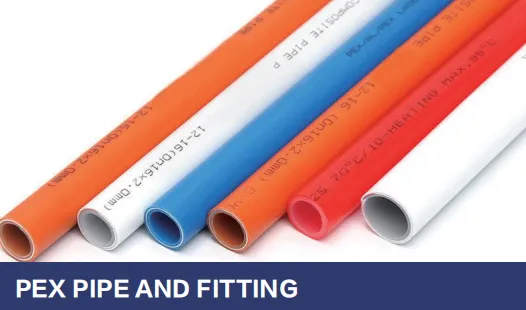
Let's start with the star of the show: PEX pipes and fittings. If you're not familiar with PEX, think of it as the 'flexible workhorse' of modern plumbing. Unlike rigid copper pipes that require heavy machinery to bend and fit, PEX is lightweight, bendable, and surprisingly tough. But beyond its practical perks, PEX is a sustainability champion—and here's why.
First, consider its lifecycle. PEX pipes are made from polyethylene, a thermoplastic polymer that requires significantly less energy to produce than metals like copper. Mining and refining copper, for instance, involves high-temperature processes that release large amounts of CO₂. PEX manufacturing, by contrast, uses lower temperatures and emits up to 70% less carbon per meter of pipe, according to industry studies. That's a huge difference when you're installing kilometers of plumbing in a high-rise or residential complex.
Then there's transportation. A truckload of PEX pipes can carry up to three times more linear footage than a truckload of copper pipes, thanks to PEX's flexibility and lighter weight. Fewer trucks on the road mean fewer emissions—simple as that. And during installation? PEX's bendability reduces the need for elbow fittings, tees, and connectors, which not only cuts down on material waste but also speeds up the process. Less time on-site means less energy used by construction equipment, and fewer labor hours spent, which indirectly lowers the project's carbon footprint.
But what happens when PEX reaches the end of its life? Unlike some plastics that linger in landfills for centuries, PEX is fully recyclable. We've partnered with recycling facilities across the region to ensure that old pipes and offcuts from construction sites are collected, processed, and turned into new materials—closing the loop on waste. It's a cycle that aligns with our mission: to create products that don't just serve buildings, but serve the planet, too.
Sustainability, for us, isn't a one-step process. It's a journey that starts long before a PEX pipe rolls off the production line. Let's pull back the curtain and show you how we walk the talk.
Sourcing Responsibly: We believe the best way to reduce our footprint is to start with the right ingredients. That's why we partner with suppliers who share our commitment to ethical sourcing. Our polyethylene resin, for example, is often derived from recycled plastic waste, giving new life to materials that might otherwise end up in oceans or landfills. We also prioritize suppliers with ISO 14001 certifications, ensuring their own manufacturing processes meet strict environmental standards.
Energy-Efficient Manufacturing: Our factories are designed with sustainability in mind. We've invested in solar panels that power a portion of our production lines, and we use energy-efficient machinery that reduces electricity consumption by 25% compared to traditional manufacturing setups. Even the lighting in our facilities is LED, and we've installed motion sensors to ensure energy isn't wasted in unused areas. But perhaps our proudest achievement? We've cut water usage in manufacturing by 40% over the past five years through rainwater harvesting and closed-loop cooling systems. Every drop saved is a win for the planet.
Waste Reduction: No manufacturing process is entirely waste-free, but we're getting close. Our production lines are calibrated to minimize offcuts, and any waste that does occur is either recycled internally (turned into smaller fittings or packaging materials) or sent to our partner recycling facilities. We've also eliminated single-use plastics in our packaging, switching instead to biodegradable wraps and reusable pallets. Even the boxes we ship our PEX pipe and fitting solutions in are made from 100% recycled cardboard—and we encourage our customers to recycle them again.
Certifications That Matter: Talk is cheap, which is why we've sought out third-party validation of our sustainability efforts. Our PEX pipes and fittings are certified by the International Organization for Standardization (ISO) for environmental management (ISO 14001) and quality (ISO 9001). They also meet the strict criteria of LEED (Leadership in Energy and Environmental Design), making them a top choice for builders aiming to earn green building certifications. For us, these certifications aren't just badges—they're promises to our customers that our products are as good for the planet as they are for their projects.
While PEX is a cornerstone of our sustainability mission, we know that building a greener future requires more than just great plumbing. That's why we've expanded our portfolio to include a range of products that align with dual carbon goals—each designed to reduce environmental impact without compromising on quality or performance. Let's take a closer look at some of these solutions.
PPR Pipe and Fitting Solutions: Energy Efficiency for Hot Water Systems
When it comes to hot water plumbing, energy loss through pipes is a major issue. Traditional metal pipes conduct heat quickly, meaning your water heater has to work harder to maintain temperature—a waste of energy and money. Our PPR (polypropylene random copolymer) pipe and fitting solutions address this head-on. PPR has excellent thermal insulation properties, reducing heat loss by up to 50% compared to copper. This not only lowers carbon emissions from water heating but also cuts utility bills for homeowners and businesses. Plus, PPR is lead-free and corrosion-resistant, ensuring clean water and a long lifespan (up to 50 years with proper installation). It's a win-win for sustainability and practicality.
UPVC Pipe Systems: Durability That Reduces Replacement Cycles
For drainage, sewage, and irrigation systems, durability is key. Frequent replacements mean more materials, more labor, and more emissions. Our UPVC (unplasticized polyvinyl chloride) pipes are built to last. Resistant to corrosion, chemicals, and UV rays, they can withstand harsh environments without degrading—even in extreme temperatures. UPVC is also lightweight, making installation faster and less energy-intensive than heavy concrete or metal pipes. And because it's recyclable, old UPVC pipes can be ground down and repurposed, reducing the need for virgin materials. From residential DWV (drain-waste-vent) systems to large-scale agricultural irrigation, UPVC is a sustainable choice that stands the test of time.
PVC DWV Pipe Solutions: Lightweight and Low-Maintenance
Speaking of DWV systems, our PVC DWV (polyvinyl chloride drain-waste-vent) pipes are another example of sustainability in action. Designed specifically for carrying wastewater and venting gases, these pipes are lightweight yet strong, with smooth inner walls that minimize clogs and reduce the need for harsh chemical cleaners. Their lightweight nature also means lower transportation emissions, and their ease of installation cuts down on labor time and energy use. Like our UPVC pipes, PVC DWV pipes are recyclable, and their long lifespan (typically 40–50 years) means fewer replacements and less waste over time.
Beyond Plumbing: Sustainable Building Materials for Every Space
While our roots are in plumbing, we've expanded to offer sustainable solutions for walls, flooring, and more—because a truly green building considers every element. For example, our bamboo charcoal board wall panels are made from renewable bamboo, a fast-growing resource that requires no pesticides or fertilizers to thrive. These panels not only add a natural, warm aesthetic to interiors but also help purify the air by absorbing moisture and odors. Similarly, our WPC (wood-plastic composite) wall panels combine recycled wood fibers and plastic to create a durable, low-maintenance alternative to hardwood—saving trees and reducing plastic waste in one fell swoop.
To help you visualize how these products stack up in terms of sustainability, we've put together a comparison table highlighting key environmental benefits:
| Product | Carbon Footprint (Manufacturing) | Recyclability | Lifespan | Energy Use in Transportation | Key Sustainability Benefit |
|---|---|---|---|---|---|
| PEX Pipes & Fittings | Low (70% less than copper) | 100% recyclable | 40–50 years | Low (lightweight, flexible) | Reduced installation waste; energy-efficient manufacturing |
| PPR Pipes & Fittings | Low | Recyclable | 50+ years | Low | Excellent thermal insulation; reduces water heating energy use |
| UPVC Pipes | Moderate | Recyclable | 50+ years | Low (lightweight) | Resistant to corrosion; minimal maintenance needs |
| PVC DWV Pipes | Moderate | Recyclable | 40–50 years | Low | Smooth walls reduce clogs; less need for chemical cleaners |
| Bamboo Charcoal Board Wall Panels | Low (renewable resource) | Biodegradable | 20–30 years | Moderate | Renewable bamboo sourcing; air-purifying properties |
Sustainability is best measured not in promises, but in action. Here are a few stories of how our PEX pipe and fitting solutions—and broader sustainable product range—have helped real projects reduce their carbon footprints and move closer to dual carbon goals.
The GreenVista Complex, a 500-unit residential development in Riyadh, set out to be one of the city's first LEED-certified neighborhoods. Central to their sustainability goals was reducing embodied carbon—the emissions associated with building materials and construction. We partnered with the project's contractors to supply PEX pipes for all plumbing systems, from potable water to radiant heating. The result? Compared to using copper pipes, the switch to PEX reduced transportation emissions by 65% (thanks to lighter loads) and cut installation time by 40%, lowering on-site energy use. Additionally, the thermal efficiency of PEX radiant heating systems is expected to reduce residents' heating bills by 25% annually, translating to long-term carbon savings. Today, GreenVista is on track to earn LEED Gold certification—and PEX was a key part of that journey.
Hospitals have unique needs: strict hygiene standards, fire safety, and reliable systems that can't fail. When Al-Mansoori Hospital was undergoing a major renovation, they needed plumbing solutions that were not only safe and durable but also aligned with their commitment to reducing healthcare's carbon footprint. We supplied PPR pipes for their hot water systems (chosen for their lead-free, corrosion-resistant properties) and UPVC pipes for drainage. We also provided Class A fireproof CPL inorganic boards for wall cladding—a sustainable alternative to traditional gypsum that offers superior fire resistance and is free from harmful volatile organic compounds (VOCs). The result? The hospital's new plumbing system is projected to use 30% less energy for water heating, and the fireproof boards have improved indoor air quality for patients and staff. As a bonus, the lightweight UPVC pipes reduced structural load on the building, allowing for more flexible design without compromising safety.
Commercial buildings are major energy users, but they also have huge potential for sustainability. The Horizon Office Park, a 10-building complex in Dubai, wanted to set a new standard for green offices. We supplied a range of solutions: PEX pipes for plumbing, WPC wall panels for interior partitions, and terrazzo tiles for flooring (made from recycled stone chips and cement). The WPC panels, in particular, were a hit—their wood-like appearance added warmth to offices without the environmental cost of hardwood, and their durability means they won't need replacement for decades. The PEX plumbing system, with its minimal fittings and easy installation, reduced construction waste by 50% compared to traditional systems. Today, Horizon Office Park has achieved a 40% reduction in embodied carbon compared to conventional builds, and its tenants report higher satisfaction with indoor comfort and aesthetics.
The journey to sustainability is never finished. As a PEX pipe and fitting supplier, we're constantly looking for ways to push the envelope—because meeting dual carbon goals will require innovation, not just incremental improvements. Here's a glimpse of what's next for us:
Bio-Based PEX Materials: We're currently researching PEX pipes made from bio-based polyethylene, derived from renewable resources like sugarcane or corn starch. Early tests show these bio-based PEX pipes have the same performance as traditional PEX but with a carbon footprint reduced by up to 80% during raw material production. We hope to launch the first commercial batches within the next two years.
Smart Plumbing Systems: Sustainability isn't just about the pipes themselves—it's about how they're used. We're developing smart PEX fittings with built-in sensors that monitor water flow, detect leaks, and even adjust pressure to reduce waste. Paired with a cloud-based app, these smart systems can help homeowners and businesses cut water usage by up to 15%—saving both resources and money.
Circular Economy Partnerships: We're expanding our recycling program to include take-back services for old pipes, regardless of brand. Our goal is to create a closed-loop system where every pipe, fitting, and panel we produce eventually finds new life as another product. We're also partnering with architects and engineers to design buildings with disassembly in mind, making it easier to materials at the end of a building's life.
Carbon-Neutral Manufacturing by 2030: Our boldest goal yet? To make our manufacturing facilities carbon-neutral by 2030. This will involve scaling up renewable energy (we're adding more solar panels and exploring wind power), investing in carbon capture technology, and offsetting remaining emissions through reforestation projects. We know it's ambitious, but we believe it's necessary.
At the end of the day, sustainability is a team sport. Builders, architects, homeowners, and suppliers—we all have a role to play in aligning with dual carbon goals. As a PEX pipe and fitting supplier, we're committed to providing the tools you need to build greener, but we can't do it alone. We need partners who share our vision: people who see buildings not just as structures, but as opportunities to heal the planet.
Whether you're working on a small home renovation or a large-scale commercial project, we're here to help. From choosing the right PEX pipe and fitting solutions to integrating sustainable wall panels or flooring, our team of experts is ready to guide you every step of the way. Because we believe that every pipe laid, every wall panel installed, and every tile placed is a step toward a world where buildings don't just use resources—they regenerate them.
So let's build that world together. Let's make sustainability the standard, not the exception. Let's show the world that when we align our goals with the health of the planet, everyone wins. After all, the future isn't something we wait for—it's something we build. One pipe, one panel, one project at a time.
Recommend Products












