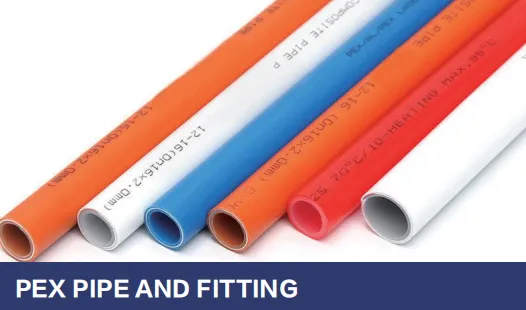
For a
pex pipe and fitting supplier, "quality" isn't just a buzzword—it's a promise. And that promise is backed by a web of international standards designed to ensure PEX pipes and fittings are safe, durable, and consistent. Let's take a closer look at the key standards that govern PEX products and how suppliers ensure compliance.
ASTM Standards: The Gold Standard in North America
In the United States and Canada, the American Society for Testing and Materials (ASTM) sets the bar for PEX performance. Two standards are particularly critical:
-
ASTM F876
: This standard specifies the minimum requirements for PEX tubing used in water distribution systems. It covers everything from dimensional tolerances (like pipe diameter and wall thickness) to burst pressure resistance and long-term hydrostatic strength—the ability to withstand constant water pressure over time.
-
ASTM F877
: Focused on PEX fittings, this standard ensures that fittings are compatible with PEX tubing and can maintain a secure seal under operating conditions. It tests for factors like tensile strength, corrosion resistance, and leakage under pressure.
Any reputable
pex pipe and fitting supplier will have products certified to meet both ASTM F876 and F877. Look for the ASTM logo on product labels or ask for certification documents—this is non-negotiable for ensuring safety and reliability.
ISO Standards: A Global Benchmark
Beyond North America, the International Organization for Standardization (ISO) provides global guidelines for PEX products. ISO 15875, for example, outlines requirements for cross-linked polyethylene pipes for hot and cold water systems, including tests for thermal stability, oxidation resistance, and impact strength. For projects in Europe, Asia, or the Middle East, compliance with ISO standards is often mandatory. A top-tier
pex pipe and fitting supplier will ensure their products meet both ASTM and ISO standards, making them suitable for international projects.
NSF/ANSI 61: Safe for Drinking Water
When PEX pipes carry potable water, they must meet strict health standards to ensure they don't leach harmful chemicals into the water supply. NSF/ANSI 61 is the go-to standard for this, testing products for contaminants like lead, phthalates, and heavy metals. Any PEX system used in residential or commercial drinking water applications should be NSF/ANSI 61 certified—a must for responsible residential building materials suppliers and commercial building materials suppliers alike.
How Suppliers Ensure Compliance
Meeting these standards isn't a one-and-done process. It requires rigorous testing at every stage of production, from raw material selection to final product inspection. Reputable suppliers invest in in-house testing labs where they simulate real-world conditions: exposing pipes to extreme temperatures, subjecting fittings to thousands of cycles of pressure, and analyzing material samples for chemical safety. They also partner with third-party certification bodies like NSF, UL, or CSA to verify compliance independently. For customers, this means peace of mind knowing that the PEX pipes and fittings they're installing have been put through the wringer—and passed with flying colors.