
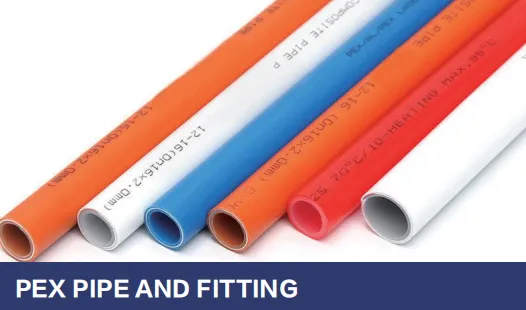
Imagine walking into a newly built home—warm sunlight streaming through the windows, the smell of fresh paint in the air, and a quiet hum of modern comfort. Behind that comfort, though, lies a network of unseen heroes: the plumbing systems that carry clean water to the kitchen sink, hot water to the shower, and ensure every tap works with a simple twist. For decades, copper and galvanized steel dominated this space, but in recent years, a more flexible, durable, and cost-effective alternative has taken center stage: PEX pipe. As a residential building materials supplier and commercial building materials supplier , we've seen firsthand how PEX pipe and fitting solutions have transformed how we build and maintain plumbing systems. In this article, we'll dive deep into what PEX is, the materials that make it tick, how it's manufactured, and why it's become the go-to choice for contractors, homeowners, and architects alike.
PEX, short for cross-linked polyethylene, is a type of plastic pipe that's revolutionized the plumbing industry. Unlike traditional rigid pipes, PEX is flexible, resistant to corrosion, and surprisingly tough—qualities that make it ideal for everything from residential hot water lines to commercial HVAC systems. But what really sets PEX apart is its cross-linked structure: the polymer chains in the plastic are chemically bonded (cross-linked), creating a material that can withstand high temperatures, pressure, and even freezing conditions without cracking. It's no wonder that today, when you ask for pex pipe and fitting solutions , you're not just getting a product—you're getting a plumbing system designed for the demands of modern living.
Think about a typical home renovation. A plumber armed with PEX can snake pipes around corners, through tight spaces, and even under floors without the need for dozens of elbows and joints. Compare that to copper, which requires precise measuring, cutting, and soldering—often leading to longer installation times and higher labor costs. For commercial projects like hospitals or schools, where time is money and reliability is non-negotiable, PEX's ease of installation and low maintenance make it a clear winner. And as a one-stop architectural solution provider , we've seen how PEX integrates seamlessly with other building materials, from flooring solutions to sanitary fixtures , creating cohesive systems that stand the test of time.
At its core, PEX is made from polyethylene, a common plastic found in everything from plastic bags to milk jugs. But not all polyethylene is created equal. PEX starts with high-density polyethylene (HDPE), a strong, rigid plastic that forms the base of the pipe. What transforms HDPE into PEX is the cross-linking process—but we'll get to that later. First, let's break down the key materials that go into making PEX pipes and fittings:
HDPE is the backbone of PEX. It's chosen for its excellent chemical resistance, low moisture absorption, and ability to be melted and reshaped. In its raw form, HDPE is a solid resin pellet, usually white or clear, that's melted down during manufacturing. The quality of the HDPE matters: higher-grade resins (like those meeting ASTM D3350 standards) ensure the finished PEX pipe has the right balance of flexibility and strength.
Cross-linking is what gives PEX its superpowers. Without it, HDPE would be too soft and prone to deformation under heat and pressure. There are three main methods used to cross-link the polymer chains, each requiring specific agents:
To make PEX even more durable, manufacturers add a mix of additives:
PEX fittings are just as important as the pipes themselves. They connect sections of pipe, attach to fixtures, and ensure a watertight seal. Most PEX fittings are made from brass, copper, or plastic (like polybutylene or PPSU). Brass is popular for its strength and compatibility with PEX, while plastic fittings are lightweight and corrosion-resistant. The key is that the fittings are designed specifically for PEX—with barbs, crimp rings, or push-to-connect mechanisms that grip the flexible pipe securely.
Creating PEX pipe is a precise dance of chemistry and engineering. Let's walk through the steps, from raw materials to finished pex pipe and fitting solutions ready for installation:
The process starts with mixing the HDPE pellets with cross-linking agents and additives. This is done in a high-speed mixer, where the ingredients are blended until they're evenly distributed. For silane cross-linking (PEX-B), the silane is often grafted onto the HDPE in a separate step before extrusion, creating a "masterbatch" that's then mixed with more HDPE to reach the desired concentration.
The mixed pellets are fed into an extruder—a large machine with a rotating screw that melts the plastic and pushes it through a die. The die is a metal plate with a hole shaped like the inside of the pipe, and around it is an outer ring that shapes the outside diameter. As the molten plastic exits the die, it forms a continuous tube. At this stage, the pipe is still uncross-linked (sometimes called "pre-PEX").
Here's where the magic happens. The method depends on the type of PEX being made:
After cross-linking, the pipe is cooled in a water bath to solidify its shape. It's then pulled through a series of rollers to ensure uniform diameter and wall thickness. Finally, a cutting machine slices the continuous pipe into standard lengths (usually 100–300 feet, depending on the diameter).
PEX fittings are made separately, often using injection molding. For brass fittings, molten brass is injected into molds shaped like elbows, tees, or couplings. Plastic fittings are made by injecting molten plastic (like PPSU) into similar molds. After molding, fittings are cleaned, inspected for defects, and packaged with the pipes to create complete pex pipe and fitting solutions .
| PEX Type | Cross-Linking Method | Flexibility | Cost | Common Applications |
|---|---|---|---|---|
| PEX-A | Peroxide (Engel method) | High (most flexible) | Higher | Residential plumbing, radiant heating, tight spaces |
| PEX-B | Silane (moisture cure) | Moderate | Lower | Residential/commercial cold/hot water lines, budget projects |
| PEX-C | Electron beam | Moderate-High | Medium | Industrial piping, high-temperature applications |
So, why has PEX become the darling of plumbers and builders? Let's break down its biggest advantages:
PEX bends easily—you can often make a 90-degree turn with just a few inches of space, eliminating the need for multiple elbows. This flexibility reduces the number of fittings required, cuts down on installation time, and lowers labor costs. For a busy contractor working on a multi-story apartment complex, that means finishing the job faster and moving on to the next project.
We've all heard horror stories of frozen pipes bursting in winter. PEX solves this problem: its flexibility allows it to expand when water freezes, then shrink back to size when it thaws—no cracks, no leaks. This is a game-changer for homeowners in cold climates, where a single frozen pipe can cause thousands of dollars in damage.
Unlike copper, PEX isn't affected by acidic water or harsh chemicals, which means it won't develop pinhole leaks over time. It's also resistant to scale buildup, keeping water flow strong for decades. For commercial buildings like hospitals, where water quality is critical, PEX's inert nature ensures no contaminants leach into the water supply—making it a safe choice alongside class a fireproof cpl inorganic board for hospital and school solutions .
PEX has natural insulating properties, which means hot water stays hot longer as it travels through the pipes. This reduces energy usage for water heaters, lowering utility bills for homeowners and businesses. For radiant floor heating systems, PEX's ability to carry hot water efficiently makes it the perfect choice.
While PEX pipe might cost slightly more than PVC upfront, its durability and low maintenance make it cheaper over time. Copper, for example, requires soldering tools and skilled labor, driving up installation costs. PEX, on the other hand, can be installed with basic tools (crimpers, cutters) by even novice DIYers—though we always recommend hiring a pro for complex systems.
To truly appreciate PEX, it helps to compare it to other common plumbing materials:
Copper has been around for centuries, and it's still a solid choice—but it's heavy, rigid, and expensive. PEX is lighter, easier to install, and costs about 20–30% less than copper. Plus, copper can corrode in acidic water, while PEX remains intact.
PVC is cheap and great for drain lines, but it's rigid and can't handle hot water (it softens at high temperatures). PEX, by contrast, is flexible and rated for both hot and cold water, making it more versatile. However, PVC is still a staple for pvc dwv pipe solutions (drain-waste-vent systems), where rigidity is an asset.
PPR (polypropylene random copolymer) is another plastic pipe used for hot water systems. It's strong but less flexible than PEX, requiring more fittings. PEX is better for tight spaces, while PPR may be preferred in areas with very high water pressure.
When you're looking for pex pipe and fitting solutions , you're not just buying a roll of pipe and a bag of fittings—you're partnering with a supplier who understands your needs. A good supplier offers more than products; they provide technical support, help you choose the right PEX type for your project, and ensure timely delivery. For example, a residential building materials supplier might recommend PEX-A for a custom home with intricate plumbing layouts, while a commercial building materials supplier could suggest PEX-B for a large apartment complex to stay within budget.
Many suppliers also offer "one-stop" solutions, bundling PEX with other essential materials like pipes fittings , valves , and even flooring solutions . This not only saves you time but ensures all components work together seamlessly. And for specialized projects—like hospitals needing fire-resistant materials—suppliers can pair PEX with class a fireproof cpl inorganic board solutions to meet strict safety codes.
A question we often hear is: "Is PEX safe for drinking water?" The short answer is yes. PEX pipes are certified by organizations like NSF International and the FDA to meet drinking water standards. The cross-linking agents used are non-toxic, and PEX doesn't leach harmful chemicals into the water. In fact, studies have shown that PEX is safer than some older materials, which could corrode and release metals into the water supply.
Another concern is UV exposure: PEX can degrade if left in direct sunlight for long periods. That's why most PEX comes with UV-resistant packaging, and it's recommended to cover exposed pipes with insulation or conduit if they're installed outdoors. With proper installation, PEX can last 50+ years—making it a reliable choice for generations.
As the building industry moves toward sustainability, PEX is keeping up. Manufacturers are developing recycled PEX materials, reducing the environmental impact. PEX's long lifespan also means fewer replacements, cutting down on waste. And because it's lightweight, transporting PEX requires less fuel than heavy copper or steel pipes—another win for the planet.
Innovations in fitting technology are also making PEX even easier to install. Push-to-connect fittings, for example, allow plumbers to make secure connections in seconds without crimping tools. Smart PEX systems with built-in leak detectors are on the horizon, adding an extra layer of protection for homeowners and businesses.
From its humble beginnings as a lab experiment to its status as a plumbing staple, PEX has proven itself to be more than just a pipe—it's a solution. Its unique combination of flexibility, durability, and cost-effectiveness has made it the top choice for residential and commercial projects alike. Whether you're building a new home, renovating a hospital, or upgrading a school, pex pipe and fitting solutions offer the reliability and performance you need.
And when you choose a trusted pex pipe and fitting supplier , you're not just getting a product—you're getting a partner who's invested in your project's success. So the next time you turn on the tap, take a moment to appreciate the unseen network of PEX pipes working tirelessly behind the scenes. After all, great buildings aren't just made of bricks and mortar—they're made of smart choices, and PEX is one choice that's built to last.
Recommend Products












