
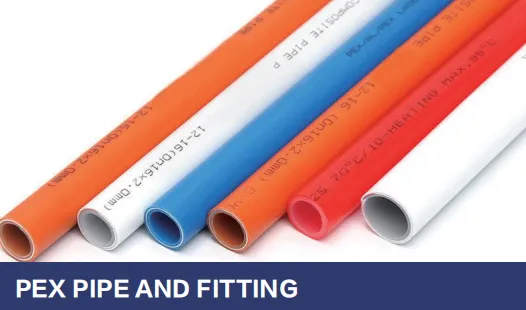
When it comes to building or renovating a space—whether it's a cozy home, a bustling office, or a state-of-the-art hospital—the plumbing system is the unsung hero that keeps everything running smoothly. And at the heart of modern plumbing lies a material that's revolutionized how we approach water distribution: PEX pipes. If you've ever worked with a residential building materials supplier or commercial building materials supplier , you've probably heard the buzz around PEX. But what exactly makes these pipes so popular? And how do they fit into the bigger picture of one-stop architectural solution provider offerings? Let's dive in and explore everything you need to know about PEX pipe and fitting solutions.
PEX, short for cross-linked polyethylene, is a type of plastic pipe that's been treated with a chemical process to link its molecules together—hence the "cross-linked" part. This process gives PEX pipes a unique set of superpowers: flexibility that makes them easy to bend around corners, durability that resists corrosion, and a lightweight design that simplifies installation. Unlike traditional metal pipes, which can rust or develop leaks over time, PEX is built to last, even in harsh conditions.
Think about it this way: If old-school copper pipes are the rigid, no-nonsense grandfathers of plumbing, PEX pipes are the adaptable, go-with-the-flow younger siblings. They can handle both hot and cold water, making them versatile for everything from kitchen sinks to radiant floor heating systems. And because they're made from plastic, they're also more affordable than copper—a win for both homeowners and contractors working within a budget.
Not all PEX pipes are created equal. In fact, there are three main types, each with its own strengths and best-use scenarios. Let's break them down:
| PEX Type | Manufacturing Process | Flexibility | Cost | Best For |
|---|---|---|---|---|
| PEX-A | Engel method (cross-linked during extrusion using peroxide) | Most flexible—can bend up to 90° without kinking | Higher | Radiant heating systems, tight spaces with lots of bends |
| PEX-B | Silane method (cross-linked after extrusion using moisture) | Moderate flexibility | Mid-range | Residential plumbing (kitchens, bathrooms), general water distribution |
| PEX-C | Irradiation method (cross-linked using electron beam) | Least flexible | Most affordable | Commercial projects with straight runs, temporary installations |
For most homeowners, PEX-B is the sweet spot—it offers a good balance of flexibility, durability, and cost. But if you're installing a radiant heating system where pipes need to snake through tight floor joists, PEX-A's superior flexibility might be worth the extra investment. A reputable pex pipe and fitting supplier can help you choose the right type based on your project's specific needs.
What good is a pipe without a way to connect it to other pipes, fixtures, or appliances? That's where PEX fittings come in. These small but mighty components are the glue that holds your plumbing system together. There are a few common types of PEX fittings, each with its own installation method:
Crimp fittings are the most traditional type. They work by sliding a metal ring over the end of the PEX pipe, inserting the fitting, and then using a crimping tool to squeeze the ring tight. It's a bit like putting a clamp on a garden hose—simple, effective, and reliable. Just make sure you have the right size crimp tool for the job; a loose crimp can lead to leaks down the line.
Clamp fittings, also known as "cinch" fittings, use a stainless steel band instead of a crimp ring. They're popular among DIYers because they only require one tool—a cinch tool—to install. Simply slide the band over the pipe, insert the fitting, and cinch the band tight. They're just as durable as crimp fittings but offer a bit more forgiveness if you're new to plumbing.
If you're looking for the ultimate in convenience, push-to-connect fittings are the way to go. As the name suggests, you simply push the PEX pipe into the fitting until it clicks into place—no tools required. These are great for quick repairs or situations where you don't have access to crimp or cinch tools. However, they tend to be more expensive than crimp or clamp fittings, so they're often used for small jobs rather than entire house installations.
So, what makes PEX pipe and fitting solutions so appealing to everyone from homeowners to commercial contractors? Let's count the ways:
Imagine trying to thread a rigid copper pipe through a wall stud with only an inch of clearance—that's a recipe for frustration. PEX pipes, on the other hand, can bend up to 90° without kinking, making them a dream for navigating tight spaces. This flexibility also means fewer joints, which translates to fewer potential leak points. For contractors, that means faster installation times and happier clients.
Copper pipes can corrode over time, especially in areas with hard water. PEX pipes? They're impervious to corrosion, rust, and scale buildup. And here's a game-changer: PEX can expand if the water inside freezes, reducing the risk of bursting. While you should still take steps to insulate pipes in cold climates, this feature adds an extra layer of protection that metal pipes just don't offer.
Let's talk numbers. Copper pipes can cost two to three times more than PEX pipes, not to mention the added expense of soldering tools and materials. PEX is lightweight, so it's cheaper to transport, and installation is faster, which cuts down on labor costs. For a residential building materials supplier , offering PEX solutions means providing clients with high-quality products that won't break the bank.
Ever been kept up at night by the sound of water rushing through metal pipes? PEX pipes are much quieter, thanks to their plastic construction. They dampen water flow noise, making them a popular choice for bedrooms, nurseries, and other spaces where peace and quiet are a priority.
PEX pipe and fitting solutions aren't just for one type of project—they're versatile enough to handle both residential and commercial spaces. Here are some of the most common applications:
From kitchens and bathrooms to laundry rooms and outdoor hose bibs, PEX is a staple in modern homes. Its flexibility makes it easy to install in new construction or retrofit into older homes with tight crawl spaces. Many residential building materials supplier options now include PEX as a standard offering, and it's not hard to see why: homeowners love its durability and affordability.
Commercial projects, like office buildings, hotels, and retail spaces, also benefit from PEX. Its ability to handle high water pressure and temperature fluctuations makes it suitable for large-scale plumbing systems. Plus, since commercial projects often have tight deadlines, PEX's quick installation time helps keep construction on schedule—a major plus for contractors working with commercial building materials supplier partners.
Radiant floor heating is a luxury many homeowners crave, and PEX pipes are the perfect match for this system. They snake through subfloors, carrying hot water to heat rooms evenly from the ground up. PEX-A is particularly popular here because of its high flexibility, which allows it to bend into the loops needed for radiant heating.
Even on the road, PEX shines. Its lightweight design and resistance to vibration make it ideal for RVs and mobile homes, where space and weight are at a premium. Plus, it can handle the temperature changes that come with life on the go.
While PEX is easier to install than copper, there are still a few best practices to keep in mind. Whether you're a seasoned pro or a DIY enthusiast, these tips will help ensure a smooth installation:
"I always tell my clients: The key to a successful PEX installation is choosing the right fittings and taking your time with the connections. A little patience upfront saves a lot of headaches later." — Maria Gonzalez, licensed plumber with 15 years of experience
To really understand why PEX is so popular, let's compare it to two other common plumbing materials: copper and PVC.
Copper has been around for decades and is known for its durability, but it's heavy, expensive, and requires soldering—skills that not all DIYers have. PEX, on the other hand, is lightweight, cheaper, and can be installed with basic tools. While copper may have a slight edge in high-temperature applications (like commercial boilers), PEX is more than sufficient for most residential and light commercial use.
PVC is great for drain lines and cold water systems, but it can't handle hot water—exposure to high temperatures can cause it to warp or crack. PEX, however, is rated for both hot and cold water, making it a more versatile choice. PVC is also rigid, which makes installation trickier in tight spaces.
Now that you know all about PEX pipes, the next step is finding a reliable supplier. A good pex pipe and fitting supplier should offer high-quality products that meet industry standards (look for certifications like NSF/ANSI 61 for drinking water safety). They should also provide a range of fittings and accessories, so you don't have to shop around for different components.
If you're working on a large project, consider partnering with a one-stop architectural solution provider . These companies offer not just PEX pipes, but also other building materials like flooring, wall panels, and fixtures. This can save you time and money by streamlining the ordering process and ensuring all materials are compatible.
Don't forget to ask about customer support, too. A supplier that offers technical advice or installation tips can be a valuable resource, especially if you're new to PEX. After all, even the best products are only as good as the guidance behind them.
PEX pipe and fitting solutions have revolutionized the plumbing industry, and it's easy to see why. They're flexible, durable, affordable, and versatile—checking all the boxes for homeowners, contractors, and building material suppliers alike. Whether you're renovating a bathroom, building a new home, or upgrading a commercial space, PEX pipes offer a reliable, cost-effective solution that stands the test of time.
So the next time you're chatting with a residential building materials supplier or commercial building materials supplier , don't hesitate to ask about their PEX offerings. And if you're lucky enough to work with a one-stop architectural solution provider , you might just find that PEX is the missing piece that brings your project together seamlessly. After all, in the world of building materials, sometimes the best innovations are the ones that make life a little easier—one flexible pipe at a time.
Recommend Products












