
There's a quiet hero in modern homes that too often goes unnoticed—until something goes wrong. It's the plumbing system, the network of pipes and fittings that brings clean water to your kitchen faucet, heats up for your morning shower, and carries away waste without a second thought. For homeowners, few things spark panic like a burst pipe, a leaky joint, or a water bill that spikes unexpectedly. These issues aren't just inconvenient; they can derail renovation timelines, damage walls and floors, and turn a dream home into a source of stress. The good news? The right choice in plumbing materials can prevent most of these headaches. Enter PEX pipe and fitting solutions—a game-changer for residential plumbing that's winning over homeowners, contractors, and even seasoned plumbers. In this article, we'll dive into why PEX has become the go-to option for modern homes, how to navigate the world of PEX pipes and fittings, and why partnering with a trusted residential building materials supplier matters more than you might think.
Let's start with a scenario many homeowners know all too well. Picture this: It's a freezing winter evening, and you wake up to a strange hissing sound in the basement. You flip on the light to find water pooling around the water heater, soaking the carpet, and creeping toward your stored boxes of family photos. The culprit? A burst copper pipe that couldn't handle the sudden temperature drop. Or maybe you're in the middle of a bathroom renovation, excited to finally have that rainfall shower, only to learn the rigid PVC pipes you bought don't bend around the tight corner behind the vanity—meaning you'll need to cut into the wall, patch it later, and add extra joints that could leak down the line. These stories aren't just horror tales; they're the result of choosing outdated or ill-suited plumbing materials for residential spaces.
For decades, copper and PVC dominated the residential plumbing scene. Copper, with its shiny durability, was the gold standard, but it came with a steep price tag and required specialized tools to bend and solder. PVC, while affordable, is rigid and prone to cracking in cold weather or under heavy impact. Then, in the 1980s, PEX (cross-linked polyethylene) arrived on the scene, and slowly but surely, it began to revolutionize how we build and renovate homes. Today, PEX accounts for over 60% of new residential plumbing installations in North America, and for good reason. It's flexible enough to snake through walls without joints, resistant to freezing temperatures, and gentle on your wallet. But not all PEX is created equal, and understanding the nuances of PEX pipe and fitting solutions is key to making the most of this modern material.
At its core, PEX is a type of plastic pipe made from cross-linked polyethylene—a material that undergoes a chemical or physical process to bond its molecules together, creating a structure that's both flexible and incredibly strong. Think of it like a well-woven fabric versus a sheet of paper: the cross-linking gives PEX elasticity and resilience that traditional plastics lack. This unique structure allows PEX pipes to expand up to three times their diameter when frozen, then shrink back to size without cracking—a feature that alone makes it a lifesaver in regions with cold winters.
But PEX's benefits don't stop at freeze resistance. Let's break down why it's become the top choice for residential plumbing:
Flexibility That Saves Time (and Money): Unlike copper or PVC, PEX can bend around corners with a radius as small as five times its diameter (for example, a ½-inch PEX pipe can bend 90 degrees without a fitting if the radius is at least 2.5 inches). This means fewer joints, fewer potential leak points, and less time spent cutting, measuring, and connecting pipes. For a homeowner renovating a kitchen, this translates to a faster project timeline and lower labor costs.
Corrosion and Chemical Resistance: PEX doesn't rust, corrode, or react to chemicals commonly found in water, like chlorine. Copper pipes, on the other hand, can develop pinhole leaks over time due to corrosion from acidic water, while PVC can degrade when exposed to certain cleaning products. PEX's resistance means longer-lasting pipes and fewer replacements down the line.
Energy Efficiency: PEX has natural insulating properties, which helps keep hot water hot as it travels from the water heater to your shower or faucet. This reduces heat loss, lowering your energy bills—a small but noticeable benefit that adds up over the years.
Quiet Operation: Ever heard the loud "water hammer" sound when a faucet is turned off quickly? PEX's flexibility absorbs water pressure surges, making it much quieter than rigid copper pipes, which can amplify these noises through walls and floors.
It's no wonder that when homeowners and contractors discover these benefits, they rarely go back to traditional materials. But to truly leverage PEX's advantages, you need to understand the different types of PEX pipes and how they pair with the right fittings—something a knowledgeable pex pipe and fitting supplier can guide you through.
Not all PEX pipes are the same. There are three main types—PEX-A, PEX-B, and PEX-C—each created using a different cross-linking method, which affects their flexibility, temperature tolerance, and cost. Let's break them down in plain language:
PEX-A is made using the Engel method, which involves irradiating the polyethylene with electrons to create cross-links. This process results in the most flexible PEX pipe, with the highest degree of expansion and contraction. It can be bent into tight loops, repaired with a heat tool if kinked, and is ideal for long runs without joints. PEX-A is often the top choice for radiant floor heating systems, where flexibility is critical, and for homes with complex plumbing layouts that require navigating around obstacles. It's slightly more expensive than other types, but many homeowners and contractors find the extra flexibility worth the investment.
PEX-B uses the silane method (also called the "moisture-cure" method) for cross-linking, which is less expensive to produce. While it's not as flexible as PEX-A, it's still far more bendable than copper or PVC. PEX-B has excellent chemical resistance and is commonly used for potable water lines in kitchens, bathrooms, and laundry rooms. It's the most widely available type of PEX and a favorite among DIYers and contractors alike for its balance of performance and affordability. One thing to note: PEX-B is more prone to kinking than PEX-A, and once kinked, it can't be repaired—so care is needed during installation.
PEX-C is cross-linked using peroxide, a process that creates a pipe with good flexibility and chemical resistance, though it's generally less durable than PEX-A or B at high temperatures. It's often used in commercial applications but can also work for residential plumbing, especially in areas where cost is a primary concern. PEX-C is lightweight and easy to cut, making it a good option for quick repairs or small-scale projects.
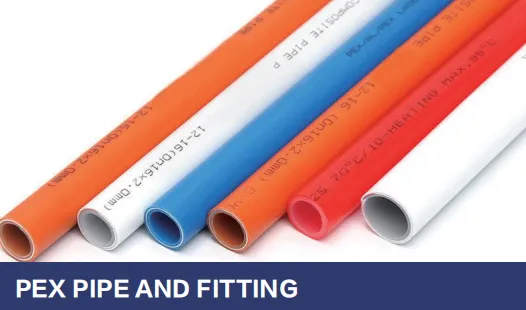
Beyond types, PEX pipes also come in different colors, which isn't just for aesthetics. Industry standards use color coding to differentiate uses:
This color system helps contractors and homeowners keep track of which lines carry hot or cold water, reducing confusion during installation and future repairs.
Even the best PEX pipe is only as good as the fittings that connect it. Fittings are the small connectors that join pipes to fixtures, valves, or other pipes, and choosing the right ones is critical to preventing leaks. PEX fittings come in a variety of materials (brass, copper, plastic) and connection methods, each with its own pros and cons. Let's demystify the most common types:
Crimp fittings are the oldest and most widely used PEX connection method. They consist of a brass or copper sleeve (called a "crimp ring") that's placed over the PEX pipe, then compressed onto the fitting using a crimp tool. This creates a tight, watertight seal. Crimp fittings are affordable, reliable, and work with all types of PEX. The downside? They require a specialized crimp tool, which can be an extra expense for DIYers, and if the crimp isn't done correctly (too loose or too tight), it can lead to leaks.
Clamp fittings, also known as "cinch" fittings, use a stainless steel clamp instead of a crimp ring. The clamp is placed over the PEX pipe and fitting, then tightened with a cinch tool (a small, handheld device that looks like pliers). Clamp fittings are popular among DIYers because the cinch tool is less expensive than a crimp tool, and the clamps are reusable if you need to reposition a pipe. They're also easier to inspect—you can visually check if the clamp is seated correctly. However, they may not be as durable as crimp fittings in high-pressure applications, so they're best suited for residential use rather than commercial.
Push-to-connect fittings (often sold under brand names like SharkBite or Viega) are the newest kids on the block, and they've taken the plumbing world by storm. As the name suggests, you simply push the PEX pipe into the fitting, and internal teeth grip the pipe, while a rubber O-ring creates a seal. No tools, no crimping, no clamping—just push and go. These fittings are perfect for quick repairs or for homeowners who don't want to invest in specialized tools. They work with PEX, copper, and CPVC pipes, making them versatile. The tradeoff? They're more expensive than crimp or clamp fittings, and while they're rated for permanent use, some plumbers prefer mechanical connections (crimp or clamp) for long-term reliability in hidden walls or floors.
When choosing fittings, it's important to match the material to your PEX type. For example, brass fittings are compatible with all PEX types and are corrosion-resistant, making them a safe bet for potable water. Plastic fittings are more affordable but may not be as durable in high-temperature applications. A reputable pex pipe and fitting supplier can help you select the right combination of pipe and fittings for your specific project, ensuring compatibility and long-term performance.
To truly appreciate PEX's value, let's compare it to the two traditional plumbing materials: copper and PVC. The table below breaks down key factors like cost, installation difficulty, durability, and more—so you can see why PEX is increasingly the first choice for residential plumbing.
| Factor | PEX | Copper | PVC |
|---|---|---|---|
| Cost (per linear foot) | $0.50–$2.00 (varies by type) | $2.00–$4.00 | $0.30–$1.00 |
| Installation Difficulty | Easy; requires minimal tools (crimp/clamp tool or push-to-connect) | Difficult; requires soldering, flux, and specialized skills | Moderate; requires cutting, gluing, and drying time |
| Flexibility | High; bends easily without joints | Low; rigid, requires elbows/fittings for turns | Low; rigid, prone to cracking if bent |
| Freeze Resistance | Excellent; expands and contracts without cracking | Poor; cracks when frozen | Poor; becomes brittle and cracks in cold |
| Corrosion Resistance | High; resistant to rust, chemicals, and acidic water | Low; prone to corrosion in acidic or hard water | High; but degrades in high temperatures |
| Noise Level | Low; absorbs water pressure surges | High; amplifies water hammer and flow noise | Moderate; can vibrate and make noise |
| Lifespan | 40–50 years (with proper installation) | 50+ years (but may corrode earlier in harsh water) | 25–40 years (prone to sun damage if exposed) |
As the table shows, PEX strikes a balance between cost, ease of installation, and performance that copper and PVC can't match. While PVC is cheaper upfront, its rigidity and poor freeze resistance make it a risky choice for residential plumbing (it's better suited for drain lines). Copper, while durable, is expensive and requires professional installation—costs that add up quickly for a whole-house plumbing project. PEX, on the other hand, offers the best of both worlds: affordability, flexibility, and long-term reliability.
Whether you're a DIY enthusiast tackling a bathroom renovation or a homeowner hiring a contractor, understanding the basics of PEX installation can help ensure the project goes smoothly. Here are some key tips to keep in mind:
PEX pipes expand and contract with temperature changes, so it's important to leave a small gap (about ½ inch) between the end of the pipe and any fixed points (like a wall stud or floor joist). This prevents the pipe from buckling or putting stress on fittings when it heats up. When measuring, add a few extra inches to account for bends and loops—you can always trim excess pipe later, but coming up short means extra joints and potential leaks.
PEX is sensitive to UV light, which can degrade the material over time. Never leave PEX pipes exposed to direct sunlight for more than a few hours, and always store them in a cool, shaded area. When running PEX through walls or floors, use protective sleeves (like PVC conduit) where the pipe might rub against sharp edges, nails, or screws. This prevents abrasion that could lead to leaks down the line.
If you're using crimp or clamp fittings, invest in a high-quality tool. A cheap crimp tool can result in uneven crimps that leak, while a well-made tool ensures consistent pressure. For push-to-connect fittings, make sure to use a pipe cutter (not a hacksaw) to get a clean, straight cut—ragged edges can prevent the fitting from sealing properly. Most pex pipe and fitting suppliers sell starter kits that include the necessary tools, which is a smart investment for first-time installers.
This might seem obvious, but it's a step many DIYers rush. After installing PEX pipes and fittings, turn on the water and let the system pressure test for at least 24 hours. Check all fittings, joints, and connections for leaks—even a small drip can cause big problems once walls are closed up. If you find a leak, don't panic: crimp or clamp fittings can often be replaced by cutting the pipe and adding a new fitting, while push-to-connect fittings can be disconnected and reconnected if needed.
You've decided to go with PEX—great choice! Now, the next step is finding a reliable supplier. Not all pex pipe and fitting suppliers are created equal, and partnering with the right one can make a world of difference in the success of your project. Here's what to look for:
PEX pipes and fittings should meet industry standards to ensure they're safe for potable water and durable enough for residential use. Look for suppliers whose products are certified by organizations like NSF International (NSF/ANSI 61 for drinking water safety) or the American Society for Testing and Materials (ASTM F876/F877 for PEX pipes and fittings). A reputable supplier will happily share their certification documents—if they hesitate, that's a red flag.
A good pex pipe and fitting supplier should offer a variety of PEX types (A, B, C), sizes (from 3/8-inch to 2-inch), and fittings (crimp, clamp, push-to-connect) to meet your project's needs. They should also carry accessories like crimp tools, pipe cutters, protective sleeves, and valves. This one-stop shopping saves you time and ensures all components are compatible—no more worrying if a fitting from one brand will work with a pipe from another.
Plumbing can be confusing, and even seasoned DIYers have questions. The best suppliers employ knowledgeable staff who can help you choose the right PEX type for your project, explain fitting options, and offer installation tips. Some even provide free guides or video tutorials to walk you through the process. As a residential building materials supplier, they should understand the unique needs of homeowners, from budget constraints to DIY-friendly options.
Do your homework: check online reviews, ask contractors for recommendations, and look for suppliers with a proven track record. A supplier with mostly positive reviews is more likely to stand behind their products and offer good customer service if something goes wrong. Avoid suppliers with a history of complaints about defective products or unresponsive support—your plumbing system is too important to risk on a fly-by-night company.
PEX is low-maintenance, but a little care goes a long way in extending its lifespan. Here are some simple tips to keep your PEX plumbing system in top shape:
Plumbing might not be the most glamorous part of homeownership, but it's one of the most important. When you invest in quality materials like PEX pipe and fitting solutions, you're not just preventing leaks—you're creating a home that's more comfortable, efficient, and stress-free. PEX's flexibility, durability, and affordability make it the ideal choice for everything from new construction to bathroom renovations, and its resistance to freezing and corrosion ensures it will stand the test of time.
As you embark on your plumbing project, remember that the right supplier is just as important as the right materials. A trusted residential building materials supplier who specializes in pex pipe and fitting solutions can guide you through the process, answer your questions, and provide the products and support you need to get the job done right. With PEX, you're not just installing pipes—you're building a plumbing system that will keep your home running smoothly for decades to come. And that, in the end, is the best investment any homeowner can make.
Recommend Products












