


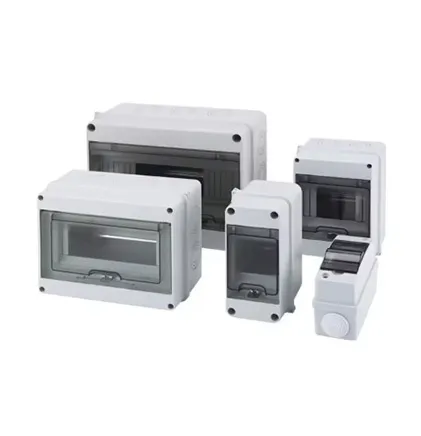
The ultimate guide to protecting your critical electrical components in transit
Ever wondered why some shipments arrive in perfect condition while others show up dented, damp, or damaged beyond recognition? The secret's in the packaging. For industrial equipment like distribution boxes and cables—vital components that keep our world powered—protective packaging isn't just nice-to-have. It's mission-critical.
I've seen firsthand how improper packing leads to costly delays, safety hazards, and frustrated customers. Whether you're shipping across town or across continents, this guide will give you practical, battle-tested strategies to ensure your electrical components arrive safe and sound.
The Art of Cable Packaging
Material Matchmaking
Just like you wouldn't wrap fine china in newspaper, different cables need different packaging:
- Wooden drums or pallets: Perfect for heavy overhead cables (their rugged build laughs at rough handling)
- Plastic spools: Lightweight yet sturdy for ABC cables
- Woven poly bags: Flexible protection for lightweight building wires
Tip: Always customize to the specific cable—a heavyweight like armored cable might need steel-reinforced edges.
Structural Integrity
Your packaging shouldn't collapse like a house of cards when stacked. Key design principles:
- Interlocking corners for crush resistance
- Internal bracing for heavy loads
- Easy-open designs that don't require a machete to access
And here's a pro tip: Incorporate subtle anti-tamper features. A visible seal break tells you immediately if someone's been snooping.
Label smarter: Waterproof labels aren't optional—they're insurance. Include material specs, installation temperature range, and handling symbols ("This End Up" isn't just for pizza!).
Distribution Box Armor
Outer Fortress
Double-wall corrugated cardboard is the unsung hero here—it absorbs shocks like a champ. But the thickness matters:
- 32 ECT for small domestic boxes
- 48 ECT for industrial beasts
For international shipping? Think outside the (cardboard) box—marine-grade plywood crates that can withstand monsoon conditions.
Inner Cushioning
Cut-to-shape foam inserts are worth every penny:
- High-density foam (2 lb/ft³) for heavy enclosures
- Medium-density for general use
- Custom-cut slots prevent shifting during transit turbulence
Bonus hack: For waterproof distribution boxes, line interiors with vapor barrier film. Moisture resistance should be maintained, not compromised.
Seal like Fort Knox: Combine nylon strapping (1500 lb tensile strength) with pressure-sensitive filament tape. Apply in H-pattern for container shipments—trust me, it survives even the roughest container yards.
Transportation Tactics
| Threat | Prevention Strategy | Real-World Example |
|---|---|---|
| Impact Damage | Edge protectors + corner bracing | Reduce forklift-related damage by 60% |
| Moisture Invasion | Silica gel packs + desiccant strips | Prevent condensation in sea-air temperature swings |
| Vibration Fatigue | Viscous damping pads | Critical for sensitive components during rail transport |
| Theft/Tampering | Tamper-evident seals + RFID tags | Traceable security for high-value shipments |
️ Temp matters: Include loggers for climate-sensitive gear. I once saw a $20 temperature recorder save a $80k shipment by proving freezer failure occurred in transit.
Global Guidelines & Sustainable Choices
Shipping internationally? Paperwork isn't the only challenge:
- Use ISPM 15-compliant timber to avoid port rejections
- Include multilingual handling instructions (pictograms alone won't cut it)
- Choose biodegradable packing peanuts over Styrofoam—they dissolve harmlessly if containers get wet
And don't forget the documentation trifecta: Certificates of origin, material safety datasheets, and harmonized system codes should travel with every shipment.
Final Inspection Checklist
Before signing off:
- Conduct a 3-foot drop test (simulates conveyor belt mishaps)
- Verify moisture indicators haven't triggered
- Check label readability under low light
- Ensure protective films remain uncut
- Confirm regulatory marks (CE, UL, etc.) remain visible
The Unboxing Experience Matters
I'll leave you with this: Great packaging isn't just protection—it's communication. When a technician opens a box and finds:
- Tool-less access points
- Component-specific compartments
- Clearly marked "Open First" guides
...they know they're dealing with professionals who care about the entire experience, not just the product. That goodwill? Worth its weight in gold.
Safe travels to your distribution boxes and cables!










