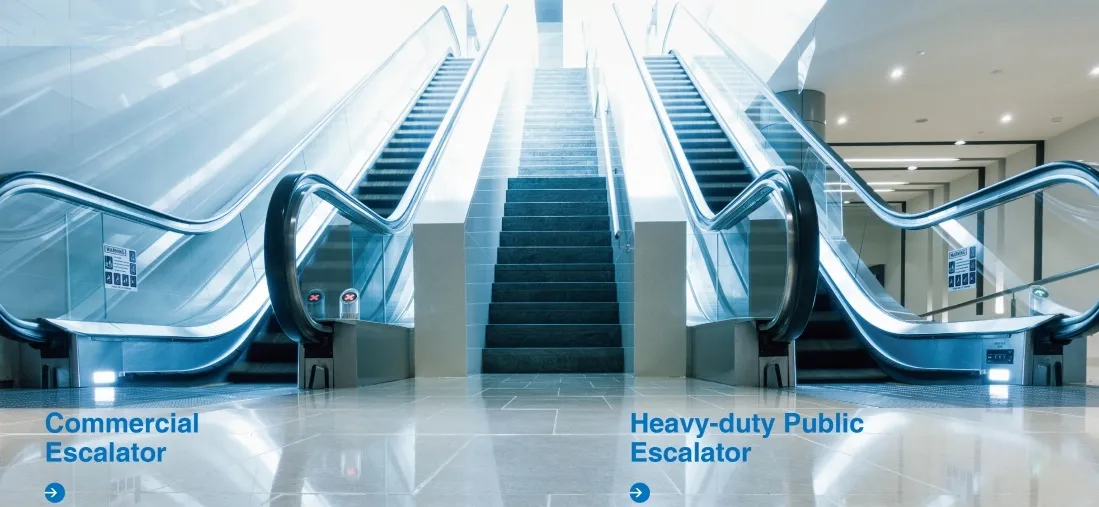
Imagine bustling shopping centers, busy airports, and crowded office buildings. In these modern spaces, escalators aren't just machines – they're people-movers where everyday habits can make the difference between safety and disaster. Let's break down practical tips for navigating these moving staircases safely, while spotlighting dangerous behaviors that put everyone at risk. We'll skip the dry manuals and talk real-world safety!
Feet first matters:
Pay attention to the moving step direction. Step on and off deliberately like you're navigating a small curb – don't shuffle or drag your feet.
Handrails are lifelines:
Grab that handle as you step on and keep holding until you're fully off. It's not just a suggestion – it's your anchor if you stumble.
Footwear awareness:
Closed-toe shoes with firm soles are your friends. Avoid flip-flops or soft-soled shoes that can get sucked into gaps.
Danger Zone Alert: What NOT to Do
-
Sit or climb:
This isn't a playground! Sitting on steps or climbing handrails invites disaster
-
Carry overloaded carts/strollers:
Escalators and wheeled items are a dangerous mix. Always use elevators
-
Face backwards:
Always face the direction of travel – turning around throws off your balance
-
Allow kids to play:
Keep children's hands occupied and close to you, away from moving sides
The step-check habit:
Always glance down as doors open.
Elevators don't always align perfectly with floors.
Door awareness:
Keep clothing, bags, and limbs clear of closing doors. Forcing doors can damage sensors.
Emergency buttons:
Know where the alarm and phone are
before
you need them. In genuine emergencies, help is faster than panic.
When Things Go Wrong:
If trapped:
-
Stay calm – elevators have backup ventilation
-
Use communication tools – don't scream for help
-
Never try to pry doors open yourself
Did you know? Working with reliable
elevator suppliers
like KONE ensures maintenance compliance. Their diagnostic technology detects issues before they become emergencies.
Daily visual checks:
Look for spills, debris in tracks, strange noises, or vandalism before problems escalate.
Extreme weather prep:
Before storms, close hoistway vents, move cars to protected floors, and barricade machine rooms.
Crowd management:
During peak hours (like holidays), deploy staff to assist vulnerable users and guide proper usage.
Critical Protocol Musts:
-
Post clear safety signs at every access point
-
Train staff using real incident scenarios, not just manuals
-
Establish written emergency plans covering entrapments, fires, and earthquakes
Ultimately, escalator and elevator safety boils down to mindfulness. These aren't passive machines but dynamic systems interacting with human behavior. Whether you're a hurried shopper or a facility manager, safety transforms when we move beyond rules into conscious habits. Remember: every near-miss is data, every cautious step counts, and every intervention matters. Stay aware, stay safe!