
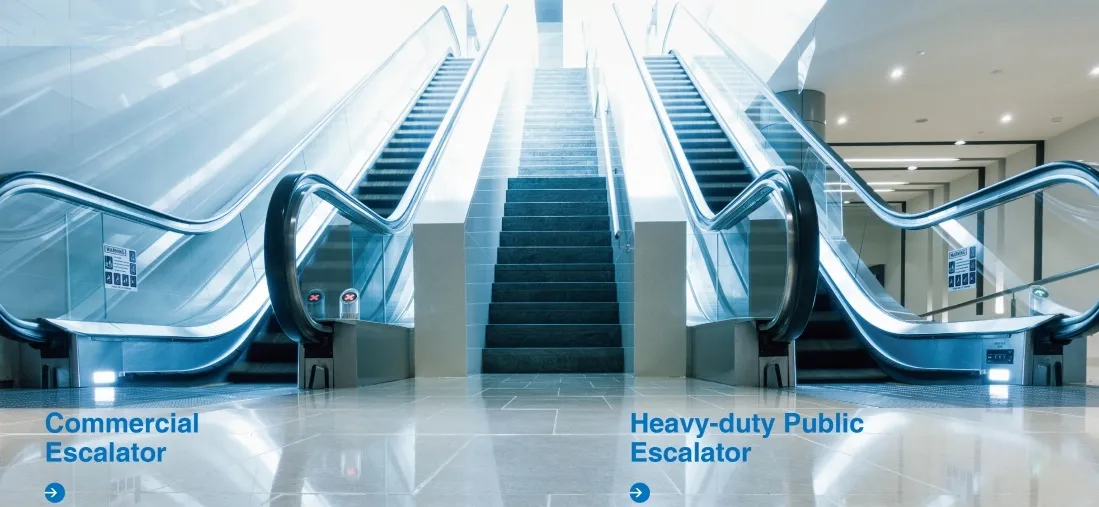
Picture yourself stepping into a bustling shopping mall during peak hours. What's the first thing you notice after the dazzling storefronts? The rhythmic pulse of escalators transporting shoppers between levels like arteries moving lifeblood. These unassuming machines are the passenger flow engines that make or break the shopping experience. Far from just being metal staircases, they're the circulatory system of retail spaces.
Get this wrong, and you create bottlenecks that frustrate shoppers and bleed revenue. Get it right, and you create seamless journeys that boost dwell time and spending. Today we'll dive deep into the art and science of escalator planning – no technical jargon, just straight talk about how to transform vertical transport from a headache into your mall's superpower.
Fun fact: Shoppers who move comfortably between levels spend 28% more than those stuck on single floors. Your escalators aren't just moving people – they're moving merchandise.
When escalators work in harmony with store layouts and customer flow patterns, magic happens:
Pro Tip: Think of escalators as connective tissue between retail experiences, not just mechanical transportation.
Getting escalator positioning right feels like choreographing a dance:
Place primary escalators within sight of main entrances – but never directly opposite. Offset them by 15-30 degrees to create natural flow channels. You want arrivals to experience the ground level first, not immediately bolt upward.
Anchor major escalator banks near flagship stores or food courts. People will flow toward landmarks, and escalators should harness this natural behavior.
Stagger escalators across floor plates to distribute foot traffic evenly. Avoid placing all vertical transport in core areas unless you want overcrowding.
When this Dubai giant relocated escalators away from main entry points and created "discovery loops" connecting luxury boutiques:
Now let's get down to brass tacks. Choosing hardware isn't about picking the shiniest option – it's matchmaking between mechanics and human behavior.
A 40-inch step width accommodates 2 adults comfortably or a parent with stroller. Go narrower at your peril during sales seasons. Remember: People don't walk single-file like robots.
100 feet per minute feels leisurely for browsing malls. Crank it to 125 for transit-heavy centers. Install variable frequency drives to automate rush hour adjustments.
From step surfaces to side panels, your materials impact psychology:
| Material | Best For | Psychological Effect |
|---|---|---|
| Brushed stainless | Luxury malls | Premium perception |
| Powder-coated panels | Family centers | Friendly accessibility |
| Glass balustrades | Contemporary spaces | Openness & visibility |
This is where working with reliable elevator suppliers matters – they'll help match materials to both aesthetic goals and foot traffic realities. A quality partnership ensures your escalator strategy integrates seamlessly with the overall architectural vision, avoiding that dreaded "afterthought" look.
Tomorrow's escalators won't just move people – they'll communicate with them:
AI-enabled escalators already in testing can:
Consider modular designs that allow tech upgrades without full replacements. Future-proofing doesn't mean overspending today – it means planning for adaptability.
Here's your action plan in three digestible steps:
Before installing a single step, analyze: Where do people naturally gather? How do traffic patterns shift during promotions? Where are the friction points? Use heat mapping tech if possible.
A mall anchored by luxury boutiques needs different escalators than a value-focused outlet center. Define passenger experience goals before specs.
Speak to facilities teams during planning. Easy-access service points prevent shutdown headaches later. Modular components extend hardware lifespan.
When escalators feel like invisible guides rather than mechanical necessities, you've mastered the passenger flow engine. Remember these human truths:
The difference between escalators that merely function and escalators that actively enhance retail experiences comes down to intentional planning, strategic selection, and creative integration into the overall shopping experience. Whether you're renovating or designing new spaces, start by mapping human behavior, not blueprints.
Recommend Products












