
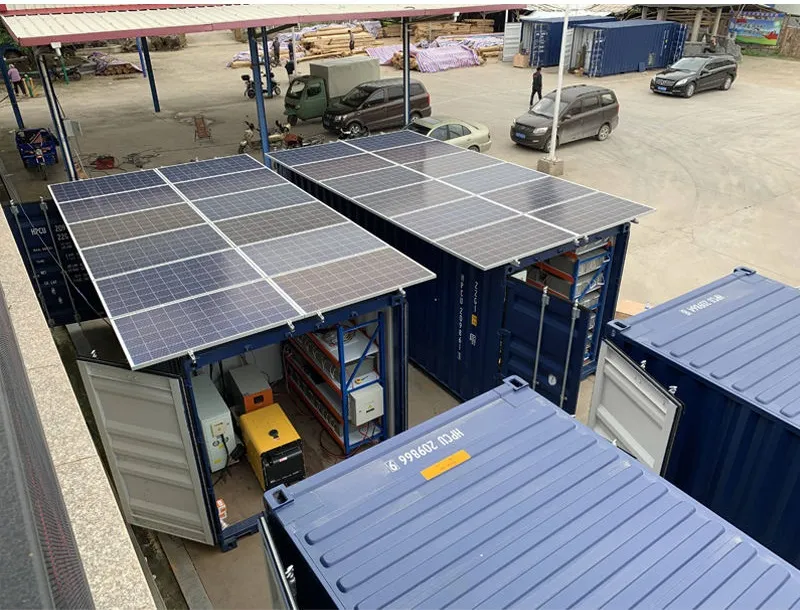
Shipping solar panels across the ocean isn't just about packing glass and silicon into boxes - it's about protecting critical renewable energy investments from brutal marine environments. Think salty air that corrodes metal, massive waves creating hydraulic impacts, and tropical humidity that threatens electrical components. When you're shipping these sophisticated energy-generating assets, subpar packaging isn't just inconvenient; it could mean thousands of dollars vanishing beneath the waves.
Sea transportation subjects solar panels to a cocktail of damaging forces that land transport doesn't encounter. Saltwater mist corrodes aluminum frames within weeks. Constant vibrations shake screws loose. Temperature swings make materials expand and contract. Stacked containers bear crushing loads during storms. Standard cardboard and plastic wraps collapse under these conditions like sandcastles against the tide.
We've all seen images of container ships riding enormous waves - now picture delicate solar cells inside those containers enduring repetitive G-forces equivalent to small earthquakes. This happens hundreds of times per voyage. And here's the scary part: damage often remains invisible until installation. Micro-cracks spread from shipping impacts, silently destroying panel efficiency months after installation.
Real-world consequences: A European solar farm received panels with internal cracks after maritime transport. They produced 18% less energy than specifications required - the equivalent of losing €185,000 over their 25-year lifespan from a single shipment flaw.
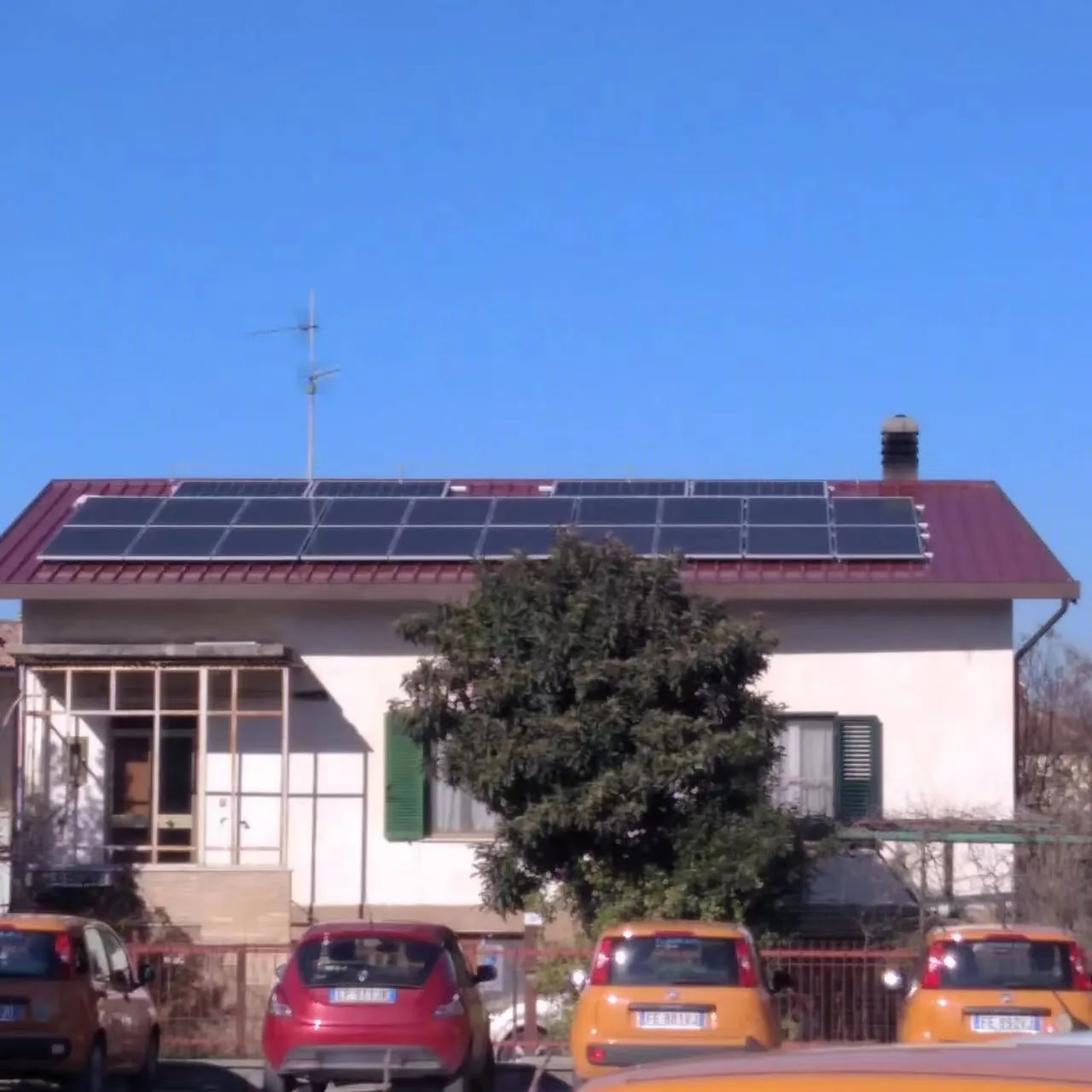
Humidity is public enemy #1 for shipped solar panels. Even minimal moisture causes contact corrosion on junction boxes and creates paths for electrical leakage. Our moisture control uses a three-layer approach:
Commercial and industrial solar energy projects especially need this comprehensive approach because their larger panels have more complex electrical components vulnerable to humidity damage. The cost of replacing moisture-damaged commercial panels dwarfs the few extra dollars invested in proper packaging.
Crash tests for solar packaging? Absolutely. We simulate container drops, rail impacts, and hydraulic pressures equivalent to being 20 feet underwater. Our shock absorption uses:
For delicate mono PERC and heterojunction cells common in residential applications, we add vacuum-formed tray inserts that isolate each panel section. It's like giving each energy-producing surface its own shock-absorbing bodyguard.
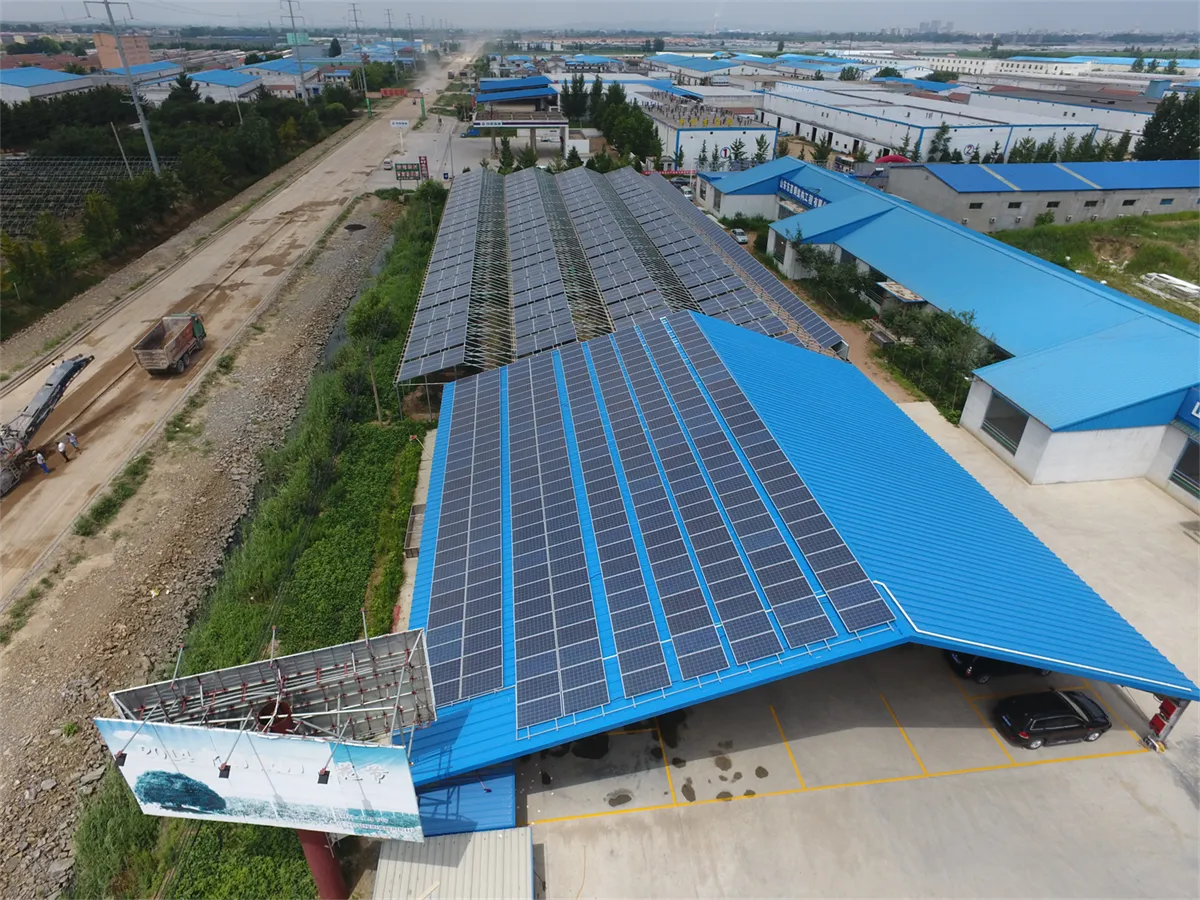
International maritime shipping demands more than durable materials - it requires intelligent design. Our marine packaging works as an integrated system:
Phase 1: Individual Panel Armor
Phase 2: Unitized Loading
Phase 3: Container Fortification
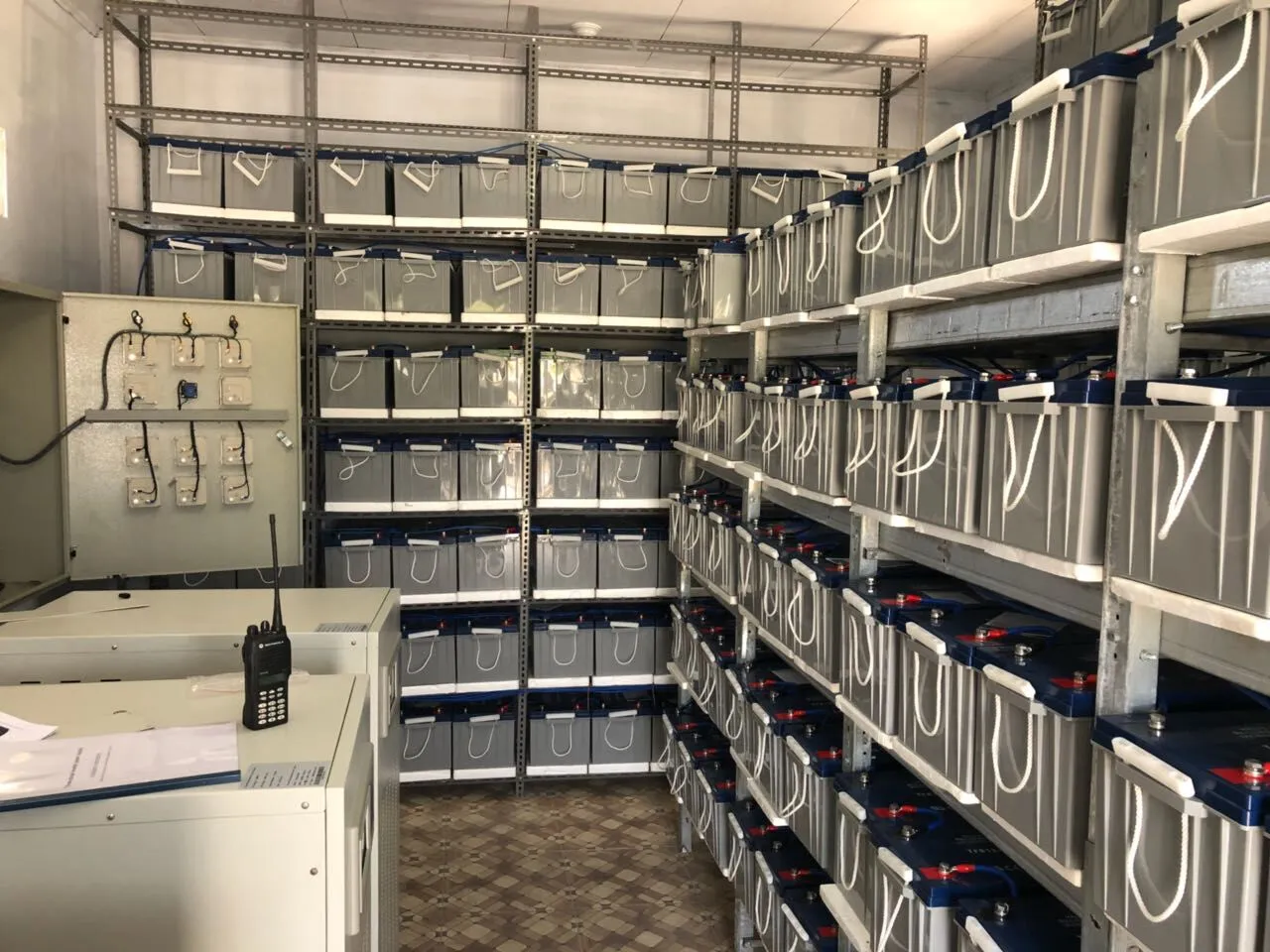
After auditing dozens of damaged solar shipments, we consistently see these preventable mistakes:
Remember that stingy packaging shortcuts become expensive repairs. One broken panel replacement costs more than proper packaging for an entire pallet. And replacement delays can postpone commissioning payments - a double financial hit.
While ISO 22492 provides general photovoltaic packaging guidelines, marine shipping needs extra safeguards. We supplement requirements with:
Practical Tip: Always request ClassNK or DNV GL certification for maritime solar packaging. These maritime specialists understand real ocean conditions better than general certification bodies.
Proper marine packaging transforms solar panels into maritime warriors. The extra care means your renewable energy hardware arrives exactly as it left the factory - no hidden cracks, no corrosion surprises, no efficiency losses. When you invest in solar, you're investing in decades of clean energy production. Doesn't it make sense to protect that investment during its riskiest journey?
Next time you prepare a solar shipment, remember: The ocean shows no mercy. But with intelligent marine packaging specifications, you won't need mercy - you'll have science, engineering, and real-world proof protecting your vital renewable energy assets every nautical mile.
Recommend Products












