


Why Your Electrical System Needs Bodyguards
Ever wonder why your lights flicker during thunderstorms or why your neighbor's house caught fire from "faulty wiring"? The unsung hero preventing these disasters lives in your distribution box - overload and short-circuit protection. These systems are like elite bodyguards for your electrical equipment , constantly monitoring power flow and stepping in before things go sideways.
Real-life analogy: Think of your home's electrical system like a highway system. Overload protection is the traffic control center that prevents too many cars (electrons) from cramming into one lane. Short-circuit protection? That's the emergency response team that clears pileups when two trucks collide head-on.
Overload Protection: Preventing the Slow Burn
Overloads sneak up on you. That extra space heater you plugged in last winter, the new gaming PC that draws more power than you realized - they slowly push wires beyond their capacity. Here's what happens behind the scenes:
Thermal Tripping Mechanism
Inside circuit breakers, a bimetallic strip heats up like a thermometer when overloaded. Around 10-20% over capacity, it bends to trigger the trip mechanism - exactly like how a fire sprinkler activates when heat rises.
The Danger Curve
Wire insulation starts degrading at just 90°C. With prolonged overload, temperatures can spike beyond 150°C - enough to melt plastic conduits. Many homeowners don't realize this thermal creep is happening until the breaker trips or worse.
Short Circuit Protection: The Electric Tsunami
While overloads are like rising floodwaters, short circuits are sudden tsunamis. A nail puncturing wire insulation creates a zero-resistance path where current can skyrocket to 10,000 amps instantly. Protection must work within milliseconds.
| Time After Fault | System Condition | Protector Action |
|---|---|---|
| 0-5 milliseconds | Current spikes above 10× rated value | Electromagnetic coil activates magnetic trip |
| 5-20 milliseconds | Temperatures approaching 300°C | Arcing contacts separate and extinguish plasma |
| 20-50 milliseconds | Potential arc flash developing | Breaker fully open with guaranteed isolation |
Modern Protection Technologies
Gone are the days of simple fuses. Today's systems combine multiple protection layers:
Arc Fault Detection
Uses advanced microprocessors to identify the unique "fingerprint" of dangerous arc signatures - distinguishing them from normal operational noise like vacuum cleaners or power tool usage.
Zone-Selective Interlocking
Industrial systems coordinate breakers like military units - downstream breakers "request permission" from upstream commanders before tripping, ensuring only the faulty section disconnects.
The Human Factor in Electrical Safety
Even sophisticated protection fails without proper understanding:
Warning: Never replace a 15A breaker with a 20A model just because it keeps tripping. I've seen garages burned down because someone bypassed the "nuisance" of a tripping breaker without investigating the real overload cause.
Regular thermal imaging inspections can reveal hot spots before they become fires. Homeowners using thermal cameras have caught failing connections showing at 90°C while surrounding wires remained at 50°C - a hidden failure that protection systems might miss until total failure.
Future Protection Landscapes
Integration with smart grids is changing the game:
- Predictive analytics : Systems learning your power usage patterns to anticipate and prevent overloads during peak hours
- Remote healing : Utility companies remotely isolating faults before homeowners even notice flickering lights
- AI failure forecasting : Algorithms identifying deteriorating equipment signatures from minute power fluctuations
Final Thought: The Overlooked Lifesaver
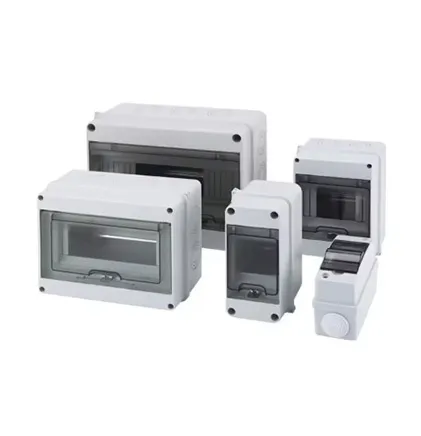
That innocuous gray box with its columns of switches? It's a continuously active defense system. Most homeowners go years without thinking about it, but quality power cables and robust protection mechanisms quietly perform millions of protection checks every day.
The next time your breaker trips during a storm or when an appliance misbehaves, take a moment to appreciate the split-second reflexes that just saved your wiring and possibly your home.










