
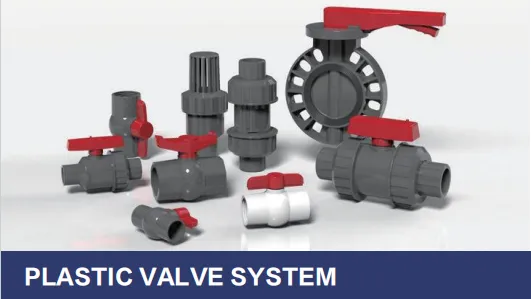
In the world of construction—whether it's a towering commercial skyscraper, a cozy residential complex, or a critical healthcare facility—every detail matters. From the foundation to the finishing touches, each component plays a role in bringing a project to life. But if there's one area that often flies under the radar until problems arise, it's the plumbing and valve systems. These hidden networks are the unsung heroes of any building, ensuring water flows where it should, waste is efficiently removed, and systems remain functional for decades. Yet, for installers, contractors, and project managers, the process of getting these systems up and running is rarely smooth. Tight spaces, incompatible materials, strict regulations, and the pressure to meet deadlines can turn even the most well-planned installation into a logistical nightmare. That's where plastic valve system solutions have emerged as a game-changer. Lightweight, versatile, and designed with modern challenges in mind, these systems are redefining how we approach plumbing installations. In this article, we'll dive into the most common hurdles faced during installation, explore how plastic valve systems address them, and highlight why partnering with the right plastic valve system supplier can make all the difference between a stressful project and a seamless success.
To understand why plastic valve systems have become indispensable, we first need to recognize the obstacles that have long plagued installers. Let's walk through a typical scenario: Imagine a team tasked with retrofitting the plumbing in a 50-year-old apartment building. The walls are thin, the crawl spaces are cramped, and the existing pipes—made of heavy metal—are corroded and mismatched in size. The crew needs to replace the old valves and pipes without tearing down entire walls, all while adhering to updated building codes that require better water efficiency and noise reduction. Sound familiar? This is just one example of the daily challenges installers face. Let's break down the most prevalent issues:
1. Space Constraints: The Battle for Every Inch – In both new builds and renovations, space is a luxury. Modern buildings often pack mechanical systems, electrical wiring, and plumbing into tight cavities, leaving little room for bulky components. Traditional metal valves and pipes, with their rigid designs and heavy weight, can be nearly impossible to maneuver in these tight spots. Installers end up spending hours cutting, fitting, and adjusting, often resorting to makeshift solutions that compromise long-term functionality.
2. Compatibility Headaches: When Old Meets New – Renovation projects frequently require integrating new systems with existing infrastructure. This is where compatibility issues rear their head. Old metal pipes may have non-standard diameters, or the material (like galvanized steel) may react poorly with newer materials, leading to corrosion or leaks. For example, connecting a new copper pipe to an old iron valve can create galvanic corrosion, a problem that only becomes apparent months after installation. Installers are then left to source custom adapters or modify components, adding time and cost to the project.
3. Durability vs. Weight: The Balancing Act – No one wants to install a system that will fail in a few years. Traditional materials like cast iron or copper are durable but heavy, making them difficult to transport and install, especially in multi-story buildings. Lighter materials, on the other hand, have historically been seen as less robust, raising concerns about wear and tear, chemical resistance, and lifespan. This leaves installers stuck between choosing a material that's easy to handle and one that will stand the test of time.
4. Time and Labor Costs: The Clock is Always Ticking – In construction, time is money. Every extra hour spent on installation eats into budgets and delays project completion. Metal pipes require specialized tools for cutting and threading, and soldering copper joints demands skilled labor and careful attention to avoid fire hazards. These steps slow down the process, especially in large-scale projects where hundreds of joints need to be sealed. For contractors, this means higher labor bills and missed deadlines, which can damage reputations and client relationships.
5. Regulatory Hoops: Keeping Up with Codes – Building regulations are constantly evolving, with stricter standards for water conservation, fire safety, and environmental impact. For example, hospitals and schools now require plumbing materials that are anti-microbial and resistant to mold growth, while commercial buildings must meet water efficiency standards that demand low-flow valves. Staying compliant means navigating a maze of certifications, from NSF/ANSI for potable water to ASTM standards for pipe strength. Choosing the wrong material can result in failed inspections, costly rework, and even legal liabilities.
These challenges aren't just inconveniences—they directly impact project outcomes, costs, and client satisfaction. So, how do plastic valve systems rise to the occasion?
Plastic valve systems have come a long way since their early days as budget-friendly alternatives to metal. Today's solutions are engineered with precision, leveraging advanced polymers and innovative designs to tackle the very challenges we've outlined. What makes them so effective? Let's break down how they address each hurdle, and why working with a knowledgeable plastic valve system supplier is key to unlocking their full potential.
1. Space-Saving Design: Compact, Lightweight, and Maneuverable – One of the most immediate advantages of plastic valve systems is their weight and size. Materials like PVC (polyvinyl chloride), UPVC (unplasticized PVC), and PEX (cross-linked polyethylene) are significantly lighter than metal, making them easier to carry, lift, and install in tight spaces. For example, a 10-foot section of 2-inch UPVC pipe weighs roughly 5 pounds, compared to 20 pounds for a similar steel pipe. This lightness reduces the risk of worker injury and eliminates the need for heavy lifting equipment in cramped areas like attics or crawl spaces.
But it's not just about weight—plastic valves are designed with compact profiles. Many feature slimline bodies and ergonomic handles that fit into narrow wall cavities or between floor joists. Take PEX pipe and fitting solutions, for instance: PEX pipes are flexible, able to bend around corners without the need for elbow joints, which saves precious inches. A plastic valve system supplier familiar with retrofitting projects can even provide custom-cut pipes and pre-assembled valve manifolds, further streamlining installation in space-constrained environments.
2. Seamless Compatibility: Bridging the Gap Between Old and New – Compatibility issues often stem from a lack of standardization, but leading plastic valve system suppliers have solved this by offering a wide range of adapters, connectors, and transition fittings. For example, a pvc dwv pipe supplier (DWV stands for Drain, Waste, and Vent) can provide PVC-to-copper adapters that allow new plastic drain lines to connect to existing copper waste pipes without corrosion. Similarly, PPR pipe and fitting suppliers offer hybrid systems that combine the durability of PPR with the flexibility of PEX, making them compatible with both metal and plastic infrastructure.
These adapters aren't just afterthoughts—they're rigorously tested to ensure a tight, leak-proof seal. A reputable supplier will also provide detailed compatibility charts and technical support, helping installers select the right fittings for the job. This level of customization turns a potential headache into a straightforward solution, even in the most complex retrofits.
3. Durability That Defies Expectations: Corrosion-Resistant and Long-Lasting – Gone are the days when plastic was seen as "flimsy." Modern plastic valve systems are built to last, with materials that resist corrosion, chemical degradation, and scale buildup. For example, UPVC pipe solutions are highly resistant to acids, alkalis, and saltwater, making them ideal for both residential and industrial applications. PPR pipes, often used in hot water systems, can withstand temperatures up to 200°F and pressures up to 100 psi, outperforming many metal alternatives in longevity.
This durability translates to fewer replacements and lower maintenance costs over time. Unlike metal, plastic doesn't rust or corrode, which is especially critical in areas with hard water or aggressive soil conditions. A plastic valve system supplier that prioritizes quality will use virgin-grade polymers and subject their products to rigorous testing—such as pressure cycling and UV resistance—to ensure they meet or exceed industry standards.
4. Faster Installation: Saving Time (and Sanity) – Time is money, and plastic valve systems are designed to save both. Their lightweight nature reduces handling time, but the real efficiency comes from how easy they are to connect. Many plastic pipes use push-fit or compression fittings that require no soldering, welding, or threading. For example, PEX pipe and fitting solutions often use crimp or clamp connections that can be completed in seconds with a simple tool, compared to the minutes (or hours) needed to solder copper joints. This speed is a game-changer for large-scale projects, where even a small time savings per joint adds up to days of reduced labor costs.
Additionally, plastic valve system suppliers often offer pre-fabricated assemblies, such as manifold systems for residential plumbing. These pre-built units come with valves, pipes, and fittings already connected, allowing installers to simply mount them and connect the supply lines—eliminating the need for on-site assembly and reducing the risk of errors.
5. Compliance Made Simple: Meeting Codes Without Compromise – Navigating building codes can be overwhelming, but the right plastic valve system supplier will take the guesswork out of compliance. Reputable suppliers ensure their products meet all relevant standards, from NSF/ANSI 61 for drinking water safety to ASTM D2466 for PVC DWV pipes. For specialized projects, like hospitals or schools, they can provide solutions that meet additional requirements, such as low-lead content or fire resistance. For example, a pvc dwv pipe supplier might offer flame-retardant PVC pipes that comply with Class A fire ratings, making them suitable for healthcare facilities where safety is paramount.
Moreover, plastic valve systems often contribute to sustainability goals, which are increasingly part of building regulations. Many plastic pipes are recyclable, and their lightweight design reduces transportation emissions. Some suppliers even offer products made from recycled materials, helping projects earn LEED credits or meet local green building mandates.
Not all plastic valve systems are created equal, and choosing the right one depends on the project's specific needs. To help you navigate the options, we've put together a comparison table highlighting key systems, their common installation challenges, and how they solve them. This is where partnering with a versatile plastic valve system supplier—one that offers a range of solutions—becomes invaluable, as they can guide you to the best fit for your project.
| Plastic Valve System Type | Common Installation Challenges | How the System Solves Them | Best For |
|---|---|---|---|
| PVC DWV (Drain, Waste, Vent) | Noise from water flow; potential for clogs in tight bends | Smooth inner walls reduce turbulence (quiet operation); flexible elbows for tight turns; lightweight for ceiling/wall installations | Residential and commercial drain systems, retrofits |
| UPVC Pipe Solutions | Brittleness in cold temperatures; difficulty cutting straight | Impact-modified polymers for cold resistance; pre-cut options from suppliers; solvent cement for quick, leak-proof joints | Water supply lines, irrigation, industrial piping |
| PPR Pipe and Fittings | Heat sensitivity during installation; alignment issues with joints | Heat-fused joints create a seamless, leak-proof seal; color-coded pipes for hot/cold water lines; flexible enough for minor misalignments | Hot water systems, residential plumbing, hospitals |
| PEX Pipe and Fittings | Creep (slow deformation under pressure); UV sensitivity | Cross-linked structure resists creep; oxygen barrier options; no need for soldering (reduces fire risk); available in coils for fewer joints | Residential water supply, radiant heating, retrofits with tight spaces |
| Plastic Valve Systems (General) | Mismatched valve sizes; difficulty accessing valves post-installation | Modular designs with interchangeable parts; compact, low-profile valves; clear labeling for easy identification | All plumbing systems, especially where space and accessibility are key |
As the table shows, each system has its strengths, and the right choice depends on factors like temperature, pressure, space, and application. For example, a ppr pipe and fitting supplier would recommend their products for a hospital's hot water system due to PPR's heat resistance and hygienic properties, while a pvc dwv pipe supplier would be the go-to for a residential drain system needing quiet, clog-resistant performance. A knowledgeable plastic valve system supplier will assess your project's unique needs—whether it's a high-rise commercial building or a small home renovation—and recommend the optimal combination of pipes, valves, and fittings.
To truly grasp the impact of plastic valve system solutions, let's look at real-world examples where they turned challenging projects into successes. These stories highlight not just the products, but the critical role of a supportive plastic valve system supplier in guiding the process.
Case Study 1: The Historic Hotel Retrofit – A 1920s boutique hotel in downtown Chicago needed to update its plumbing system to meet modern standards, but the building's landmark status prohibited major structural changes. The original cast-iron pipes were corroded, leading to frequent leaks and noisy drainage that disturbed guests. The installer, a local contractor, initially planned to use copper pipes but quickly realized they were too heavy to maneuver through the hotel's narrow, historic walls. Enter their plastic valve system supplier, who recommended a combination of PVC DWV pipes for drains and PEX pipes for water supply. The PVC DWV pipes, with their smooth inner walls, reduced drainage noise by 40%, while the flexible PEX pipes were snaked through existing wall cavities without demolition. The supplier provided custom adapters to connect the new PEX lines to the old copper fixtures, and pre-cut PVC sections that fit perfectly into the hotel's tight ceiling spaces. The result? The project was completed two weeks ahead of schedule, with zero damage to the historic architecture, and guest complaints about noise dropped to zero.
Case Study 2: The High-Rise Student Housing Project – A developer in Austin, Texas, was building a 12-story student housing complex with a tight deadline: the units needed to be move-in ready before the start of the fall semester. The challenge? Installing plumbing in 200+ units efficiently, with a crew of just 10 plumbers. The project manager reached out to their trusted ppr pipe and fitting supplier, who proposed a manifold system approach. Instead of running individual pipes to each fixture, the supplier provided pre-assembled PPR manifolds with integrated valves, allowing the team to run a single main line to each floor and branch off to units via smaller PEX lines. The PPR manifolds were lightweight and easy to mount, and the push-fit PEX connections cut installation time per unit by 50%. The supplier also offered on-site training for the crew, ensuring everyone was comfortable with the new system. Thanks to this approach, the plumbing was completed a month early, giving the developer time to address other finishing touches before move-in day.
Case Study 3: The Hospital Renovation – A children's hospital in Miami needed to replace its outdated plumbing in the neonatal intensive care unit (NICU), where infection control and reliability are non-negotiable. The existing copper pipes were prone to bacterial growth, and the valves were difficult to access for maintenance without disrupting patient care. The hospital's facilities manager worked with a plastic valve system supplier specializing in healthcare applications, who recommended UPVC pipe solutions with anti-microbial additives. The UPVC pipes are non-porous, preventing bacteria buildup, and the supplier provided valves with extended handles that could be operated from outside the wall, eliminating the need to enter the NICU for adjustments. The lightweight UPVC pipes were installed quickly, with minimal dust and noise, and the system met the strict NSF/ANSI 61 standards for potable water in healthcare settings. Today, the NICU has a plumbing system that's easier to maintain, more hygienic, and designed to grow with the hospital's needs.
These case studies underscore a crucial point: the right plastic valve system supplier is more than just a vendor—they're a partner in problem-solving. With so many suppliers in the market, how do you choose one that will truly support your project? Here are the key qualities to prioritize:
1. A Comprehensive Product Range – Look for a supplier that offers a variety of systems, from PVC DWV and UPVC to PPR and PEX. This ensures they can provide tailored solutions for different parts of your project, rather than forcing a one-size-fits-all approach. For example, a supplier with both pvc dwv pipe supplier capabilities and ppr pipe and fitting supplier expertise can handle everything from drain lines to hot water systems, simplifying logistics and ensuring compatibility.
2. Technical Expertise and Support – Installation challenges often require creative solutions, and a good supplier should have a team of technical experts on hand to help. Whether you need help selecting the right fittings for a retrofit or troubleshooting a compatibility issue, they should offer prompt, practical advice. Look for suppliers that provide on-site support, detailed installation guides, and even training for your crew—especially for newer systems like PEX or manifold setups.
3. Commitment to Quality and Certification – Don't compromise on quality. Ask about the materials used (virgin vs. recycled polymers), testing protocols, and certifications. Reputable suppliers will readily provide documentation showing compliance with standards like ASTM, NSF, and ISO. For specialized projects, such as hospitals or schools, ensure they offer products with relevant certifications (e.g., Class A fire ratings or anti-microbial properties).
4. Customization Capabilities – Every project has unique needs, and off-the-shelf solutions may not always work. A supplier that offers customization—whether it's custom-cut pipes, special adapters, or branded valves—can save you time and money. For example, if you need valves with specific pressure ratings for a industrial application, a supplier with in-house engineering can design and produce them, rather than forcing you to adapt to standard products.
5. Reliable Lead Times and Logistics – Missed deadlines often stem from supply chain delays. Choose a supplier with a proven track record of on-time delivery, even during peak construction seasons. They should have robust inventory management and partnerships with reliable carriers to ensure materials arrive when and where you need them. Bonus points if they offer just-in-time delivery, reducing the need for on-site storage.
6. After-Sales Service – The relationship shouldn't end after delivery. A great supplier stands behind their products with warranties and responsive after-sales support. If a valve fails or a fitting doesn't work as expected, they should replace it quickly and help diagnose the issue to prevent future problems. This level of service provides peace of mind, knowing you're not alone if something goes wrong.
Installation challenges are an inevitable part of construction, but they don't have to be insurmountable. Plastic valve system solutions have proven time and again that with the right materials, design, and support, even the tightest spaces, trickiest retrofits, and most demanding deadlines can be conquered. From the lightweight, flexible PEX pipes that snake through historic walls to the noise-reducing PVC DWV systems that keep hotels peaceful, these solutions are about more than just plumbing—they're about empowering installers to work smarter, not harder.
But the true secret to success lies in the partnership between installer and supplier. A great plastic valve system supplier doesn't just deliver products—they deliver confidence. They take the time to understand your project's unique challenges, offer tailored solutions, and stand by you from blueprint to completion. Whether you're navigating a historic renovation, a high-rise construction, or a critical healthcare project, the right supplier becomes an extension of your team, turning obstacles into opportunities for innovation.
So, the next time you're faced with a challenging installation, remember: you don't have to go it alone. By choosing plastic valve system solutions and partnering with a supplier that prioritizes quality, expertise, and service, you're not just installing pipes and valves—you're building a foundation for success. After all, in construction, as in life, the best projects aren't just about overcoming challenges—they're about transforming them into something better.
Recommend Products












