
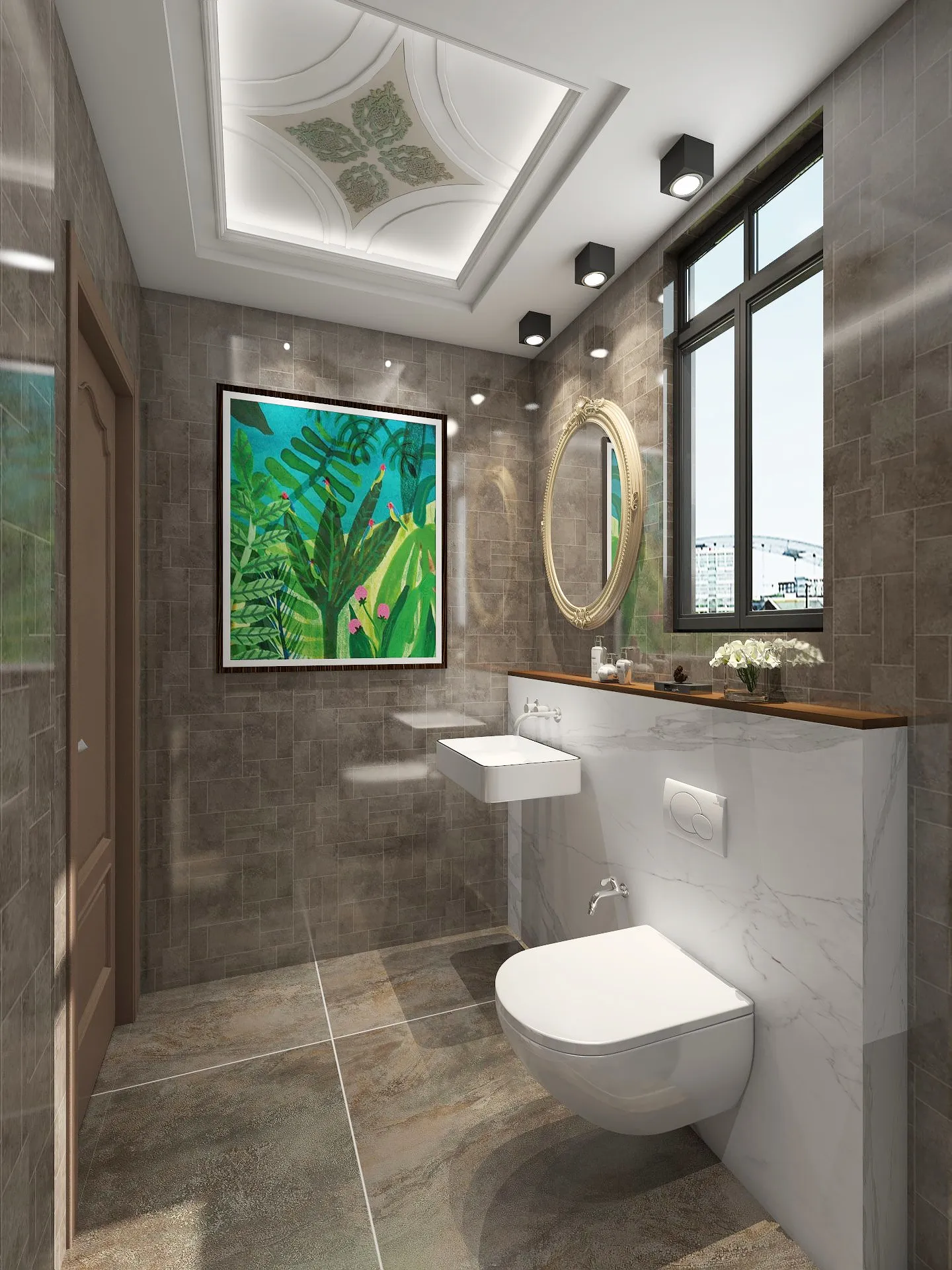
Ever walk into a newly renovated hotel bathroom and feel something's off? Like the washbasin seems to argue with the faucet, and the cabinet looks like it wandered into the wrong room? That's usually what happens when bathroom components come from different suppliers - a fragmented approach that frustrates designers and project managers alike. The one-stop bathroom solution, particularly for washbasins, eliminates this headache while saving money and time.
The traditional way of sourcing bathroom elements turns into a logistical nightmare when coordinating multiple vendors. We've all seen projects delayed because the basins arrived three weeks before the matching cabinets, or the faucets didn't fit properly on the imported countertops. That disjointed experience is why projects that embrace unified bathroom procurement are delivering hotel renovations 30% faster while cutting costs by 20%.
Imagine planning a wedding where the florist, caterer, and musician never speak to each other. That's traditional bathroom sourcing in a nutshell. Each component arrives wrapped in its own supply chain drama:
For a hotel renovation in Bangkok, the shower trays arrived from Italy while the drains were stuck in customs from Germany - causing a 21-day work stoppage. Project managers waste approximately 12 working days per month trying to reconcile delivery schedules from different vendors. When each component has its own lead time and shipping protocol, installation teams sit idle while parts accumulate.
A luxury resort project saw premium bronze faucets installed against a basin with copper undertones - creating a visual clash that guests immediately noticed. Mixing suppliers often creates these mismatched aesthetics: chrome that doesn't match, countertop edges that don't align with backsplashes, or hardware finishes that look similar online but clash in reality.
Separate quotes hide cumulative expenses until it's too late. One developer discovered too late that the "bargain" basins required custom mounting brackets from the cabinet supplier at triple the cost. Without centralized purchasing power, you miss out on volume discounts that could save 15-30% across all components.
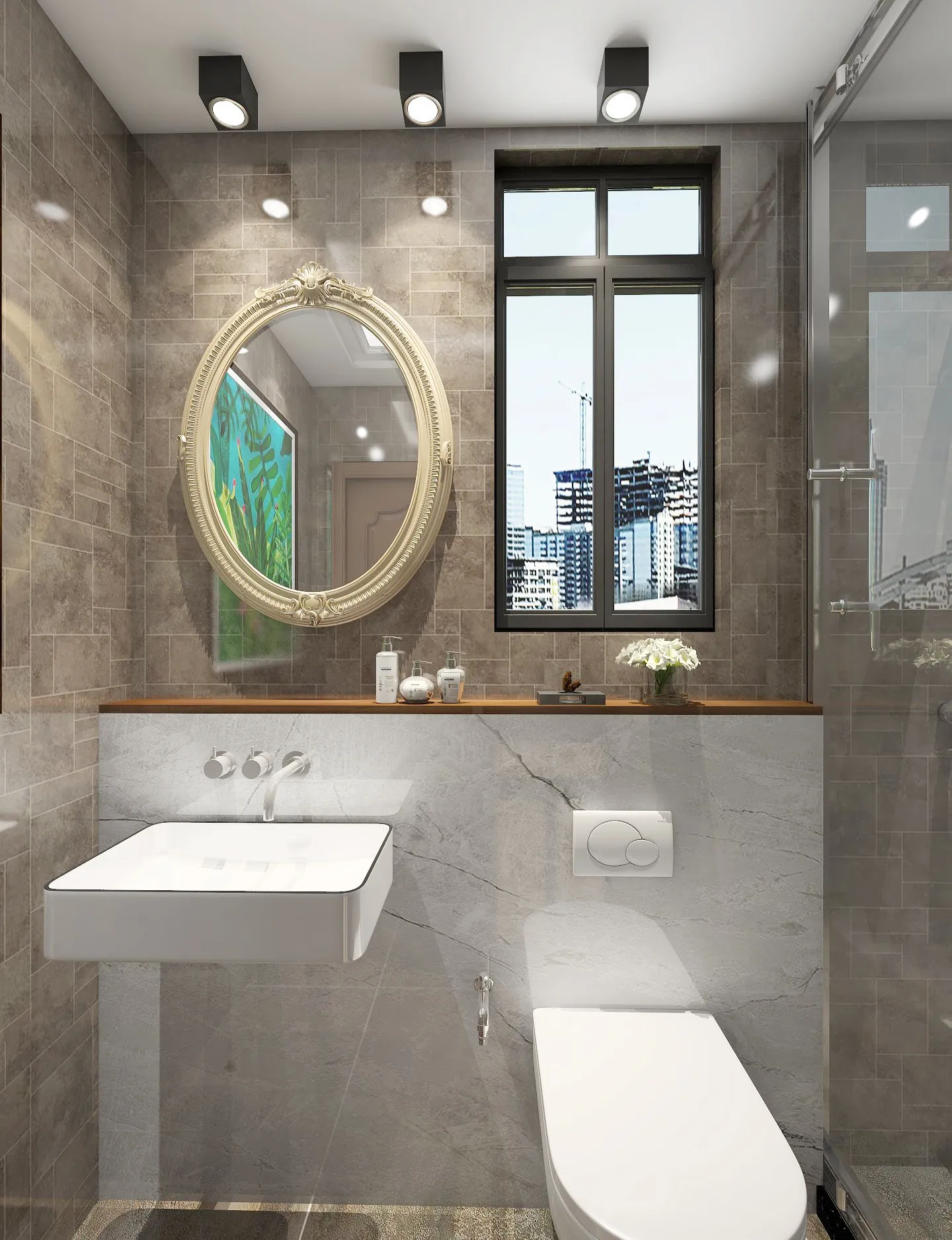
The one-stop approach creates harmony not just in design, but in project workflows and budgeting. Instead of juggling multiple contacts, you have a single partner handling every detail from measurement to installation.
With coordinated delivery of compatible components, what once took three weeks now takes six days. Contractors report that pre-assembled vanity units drop installation time by 60% compared to sourcing separate basins, cabinets, and countertops.
Consolidated shipments and bulk purchasing translate to real savings. A Malibu hotel saved $37,000 simply by eliminating redundant shipping costs when they switched to one-stop procurement for all 126 bathrooms.
One supplier means one quality standard. Scratched basins that don't match the cabinet color? Those disappear when all components undergo identical production and finish controls.
Want vanities that perfectly fit 1920s hotel architecture? One manufacturer's CAD team creates perfect templates. You get bespoke solutions without hunting for multiple vendors willing to handle custom work.
Consolidated shipping means fewer carbon emissions. Many single-source factories like KKR also use recycled materials - a leading Hong Kong hotel saved 23 tons of waste this way.
One warranty covers everything. When a basin cracks, you won't get bounced between the countertop maker and plumbing supplier.
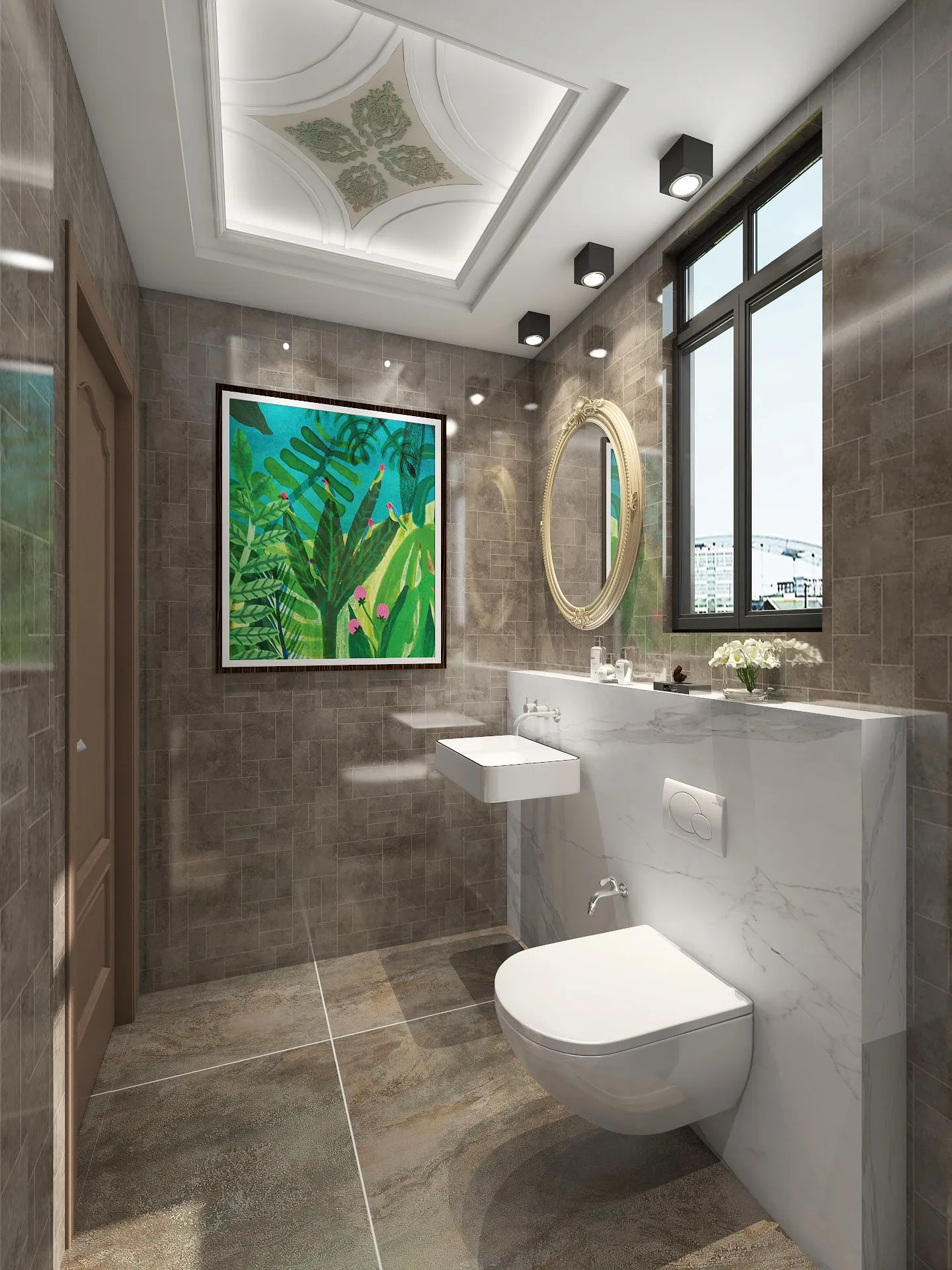
The magic of one-stop solutions isn't just in delivering components - it's in simplifying every step:
CAD Design Integration
Like the team who transformed a cramped heritage building in London: Their CAD experts redesigned the layout using space-saving corner vanities with integrated storage, turning impossible spaces into functional bathrooms.
Material Synchronization
Want the exact same bamboo finish on cabinets, trim and accessory shelves? One factory ensures every element shares identical stain batches.
A Bangkok hotel added 48 identical accessible bathrooms mid-project. Single-source procurement delivered everything in 4 weeks instead of the projected 12.
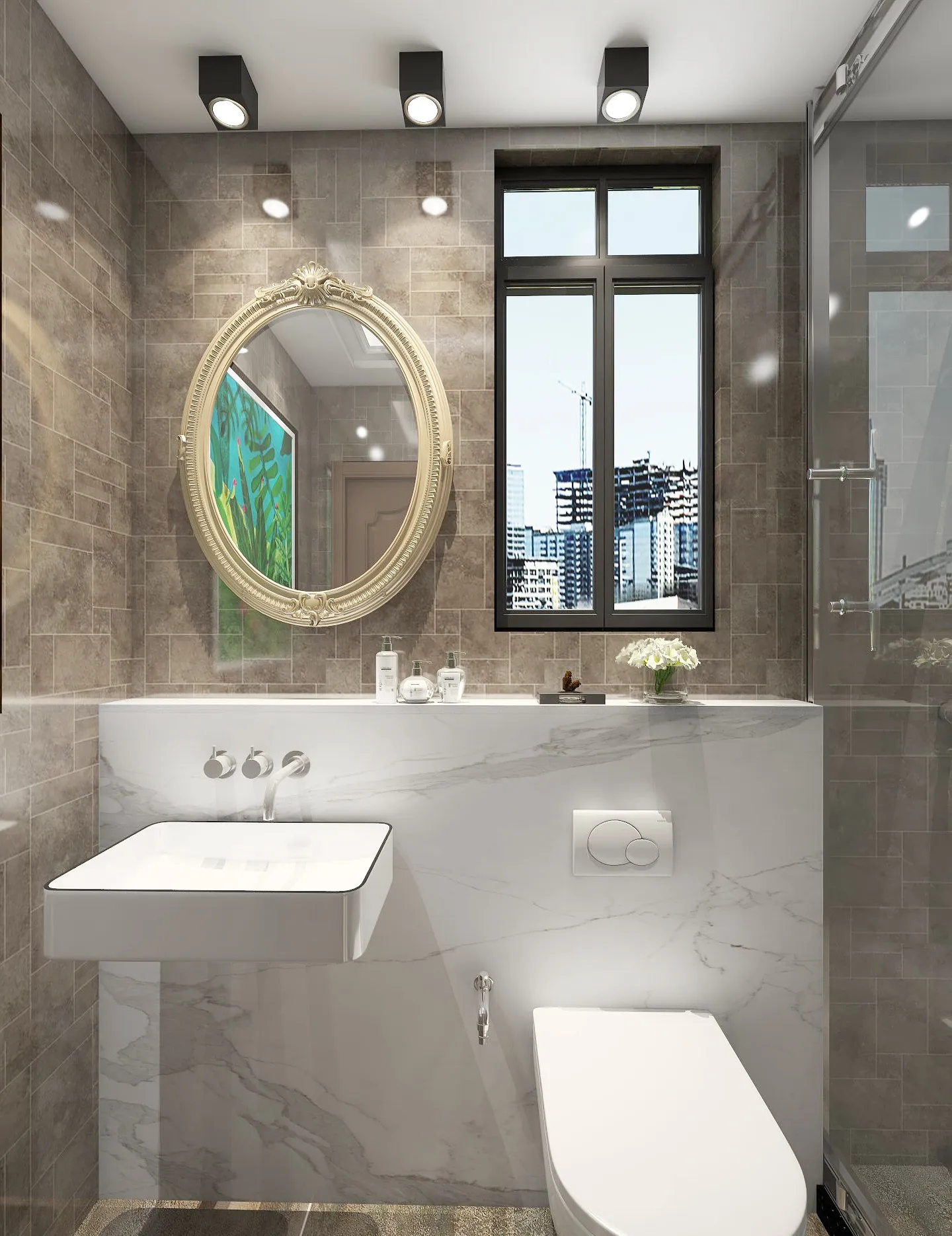
The Pullman Phu Quoc Beach Resort exemplifies one-stop success:
Challenge: Tight construction schedule with 220 luxury rooms requiring coordinated designer bathrooms.
Solution: Full custom bathroom packages from KKR Bath including vessel basins, countertops and LED mirrors designed specifically for coastal humidity.
Results:
The Double Tree by Hilton Dubai project faced supply chain chaos. Switching to complete bathroom solutions cut delays from 31 days to zero while solving compatibility headaches. Their project manager notes: "What used to be constant crisis management turned into a predictable workflow."
Transitioning to one-stop bathroom solutions works best when you:
Assuming All-In-One Means Generic
Top suppliers offer as much customization as boutique specialists - you just get coordinated execution.
Neglecting Installation Guidelines
Even perfectly matched components need proper fitting. Budget for the supplier's recommended installer team.
The fragmented approach to bathroom procurement is becoming obsolete. One-stop solutions eliminate coordination nightmares while creating harmonious spaces that delight guests and operators alike. As luxury hotels and smart homeowners alike realize, unified bathroom design delivers both aesthetic beauty and operational efficiency.
The advantages extend beyond saving money and time - they create memorable bathroom experiences where every element feels intentionally chosen. For projects where detail coordination matters (and when does it not?), the complete bathroom solution represents not just easier procurement, but better design.
As a custom furniture manufacturer recently demonstrated in their Hong Kong tower renovation project, integrating all bathroom elements creates signature spaces that stand out. When washbasins, cabinets, and accessories emerge from a unified design vision and production process, bathrooms transform from functional necessities into design statements.
Recommend Products












