
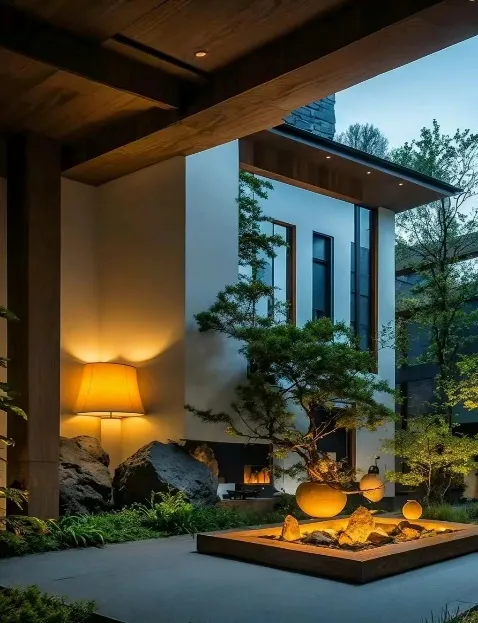
As cities and homeowners seek sustainable solutions, solar LED lighting has transformed from niche technology to mainstream necessity. With global lighting accounting for nearly 19% of electricity consumption according to the International Energy Agency, the shift to solar-powered LEDs represents one of the most effective carbon reduction strategies available today.
The convergence of solar power and LED technology solves two fundamental challenges of traditional lighting: energy waste and infrastructure limitations. Unlike conventional systems dependent on grid power, solar garden lights operate autonomously while offering superior efficiency - LEDs consume 80-90% less energy than incandescent bulbs and last up to 50,000 hours.
Energy savings compared to traditional lighting systems
Typical payback period for installation costs
Annual CO2 reduction per 762 MWh saved
Solar LED lighting systems combine four essential elements working in harmony:
Modern systems incorporate polycrystalline silicon panels achieving 20-22% efficiency, allowing operation even on cloudy days. The smart controllers represent unsung heroes - they regulate charging cycles to prevent overcharging and implement dimming protocols to extend operational hours.
Solar LED technology shines brightest in residential gardens where its benefits multiply. Homeowners experience:
Unlike conventional garden lights requiring trenching and electrical permits, solar LEDs can be positioned exactly where needed. This flexibility allows creative lighting designs highlighting garden features while maintaining complete safety with low-voltage operation.
| Cost Factor | Halogen System | LED System | Solar LED System |
|---|---|---|---|
| Installation Cost | $800-$1,200 | $600-$900 | $200-$400 |
| Annual Energy Cost | $70-$90 | $15-$20 | $0 |
| Bulb Replacement (5 yrs) | $60-$80 | $0-$15 | $0 |
| Maintenance (5 yrs) | $120-$200 | $40-$60 | $20-$30 |
| 5-Year Total | $1,390-$1,990 | $745-$1,025 | $220-$430 |
The Burdur Mehmet Akif Ersoy University case study revealed how campus-wide conversion to solar LEDs generated savings of approximately 1.3 million euros over 12 years. Municipal implementations show even greater returns - Los Angeles expects to save $10 million annually after retrofitting 165,000 streetlights.
While cost savings drive adoption, the ecological benefits deliver profound long-term value. Solar LEDs eliminate reliance on fossil-fuel generated electricity while avoiding mercury contamination from conventional bulbs. A medium-sized garden lighting system prevents:
The technology's modular nature and minimal environmental disturbance during installation make solar LEDs particularly suitable for sensitive ecosystems. Garden installations avoid underground disruption to plant roots and soil microbiota that trenching for wiring inevitably causes.
Modern solar LEDs have evolved beyond simple illumination. Smart systems integrate capabilities once exclusive to high-end commercial installations:
Remote Management:
Lighting patterns adjusted via mobile apps
Motion Responsiveness:
Brightness increases when movement detected
Automatic Calendaring:
Seasonal adjustments for optimal performance
Self-Diagnostics:
Proactive maintenance alerts and issue reporting
Group Control:
Zone-based lighting customization
These innovations transform garden lighting from static infrastructure to responsive environmental features. Motion-sensitive pathways activate only when needed, preserving power during quiet nights while providing security when residents arrive home after dark.
Maximizing solar LED performance requires thoughtful placement and preparation:
Seasonal adjustments significantly impact performance. Winter sun angles require different positioning than summer installations. Advanced tracking systems eliminate this requirement but come at premium pricing that homeowners should weigh against manual adjustment effort.
Three emerging technologies will shape solar LED's next evolution:
These advancements point toward seamless solar integration throughout our built environment. Future garden lighting might incorporate transparent solar collectors within arbors and trellises, decorative panels doubling as privacy screens, and architectural elements that passively harvest energy throughout daylight hours.
For homeowners considering solar LED garden lighting, strategic implementation yields best results:
Solar LED garden lights aren't just lighting solutions - they represent tangible climate action. Each installation reduces grid demand during peak evening hours when utilities rely on the dirtiest energy sources. What begins as garden enhancement becomes a transformative environmental choice.
As municipalities phase out inefficient lighting through regulations like the European union's 2017 efficiency standards, solar LEDs emerge as the undisputed future of outdoor illumination. Their combination of economic practicality, environmental benefit, and design flexibility positions solar LED technology as essential infrastructure for sustainable communities worldwide. From urban plazas to backyard gardens, these self-contained systems represent our most promising pathway to responsible nighttime environments.
Recommend Products












