



Have you ever walked through a garden that felt both timeless and utterly alive? Where man-made structures didn't compete with nature but embraced it? That's the magic of thoughtful outdoor design. Today, we're exploring how innovative materials like outdoor waterproof wood plastic wallboard are revolutionizing our ability to craft spaces where architecture and nature flow together like old friends sharing stories.
Why Nature Deserves Better Than "One-Size-Fits-All" Design
The real charm of any garden lies in its personality – the quirks and imperfections that make it feel alive. I've seen too many landscapes ruined by rigid, unnatural materials that shout "human intervention!" rather than whispering "harmony."
Traditional solutions often fail us here. Concrete is sterile. Untreated wood rots. Vinyl looks cheap. Metal reflects heat. What we crave are materials that breathe with the environment rather than fighting against it. Enter WPC (Wood-Plastic Composite) wall panels – the quiet heroes changing how we frame our outdoor stories.
"Great gardens speak in nature's dialect but need human hands to translate. WPC panels are the bilingual poets of landscape design." – Professional Landscaper, Seattle Botanical Gardens
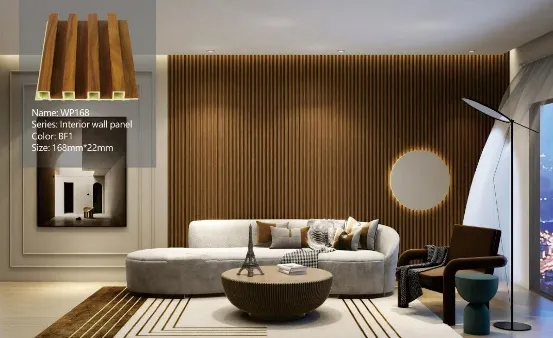
Unlocking WPC's Secret: Where Technology Hugs Trees
At its heart, WPC is a brilliant compromise between nature and engineering. Imagine sawdust (recycled wood fibers) and plastics joining forces like symphony musicians:
- Natural Texture: Every grain pattern is unique, mimicking wood's organic unpredictability
- Water Resistance: Laughs at rain, humidity, and sprinklers while wood swells
- Insect Resistance: Termites find it as appealing as concrete
- Temperature Stability: Doesn't warp under summer's heat or winter's freeze
- Low Maintenance: A simple wash annually keeps it looking new
- Customizable: From rich mahogany hues to weathered oak textures
This adaptability makes WPC feel like nature's ally rather than an intruder. I once worked on a Kyoto-inspired garden where we used weathered grey WPC panels around a koi pond. Visitors constantly reached out to "feel the wood," not believing it was partly plastic. That's when you know you've bridged the gap successfully.
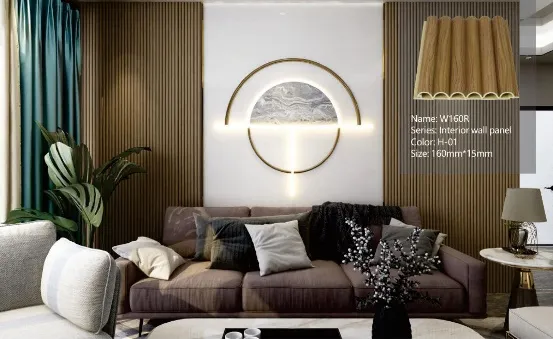
Practical Poetry: Transforming Ordinary Spaces
Let's get concrete about applications that make both designers and homeowners swoon:
Vertical Oasis Creation
Turn that boring boundary fence into a textured backdrop:
- Plant Partnering: Train climbing roses to interweave with panel grooves
- Framed Views: Use panels to direct sightlines toward prized specimens
- Microclimate Walls: Dark panels absorb heat to shelter tender plants
Water Feature Integration
Nothing is more tragic than beautiful water surrounded by garish materials:
- Edge ponds with WPC "boardwalks" extending into water
- Clad waterfall structures to make them look like geological formations
- Create textured backdrops where water cascades catch sunlight
Seamless Transition Zones
Those awkward areas where patio meets garden become design moments:
- Create gradual steps from paved to planted areas
- Design integrated seating where walls become benches
- Use different textures to signal zone changes
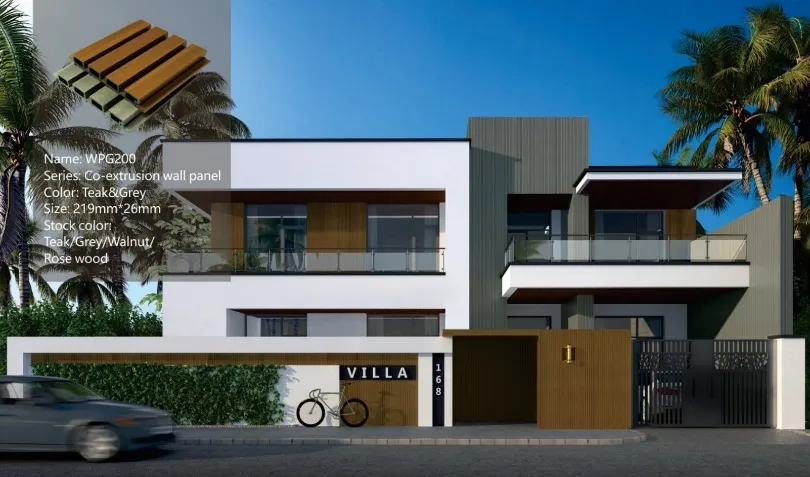
Case Study: How 1 Material Transformed 3 Gardens
The Urban Terrace Escape: A London rooftop used charcoal WPC panels to wrap seating areas. The matte texture absorbed city noise while mirrored vertical planters multiplied sparse greenery.
Desert Oasis Redux: In Arizona, whitewashed WPC panels reflected heat around a pool, creating cool microclimates for cacti while emulating bleached driftwood.
Mountain Cabin Charm: Vertical cedar-toned panels made a Rocky Mountains cabin disappear against pine forests, with integrated feeders bringing wildlife inches from windows.
The consistency? Each solution respected its ecosystem rather than imposing foreign aesthetics. That's authentic integration.
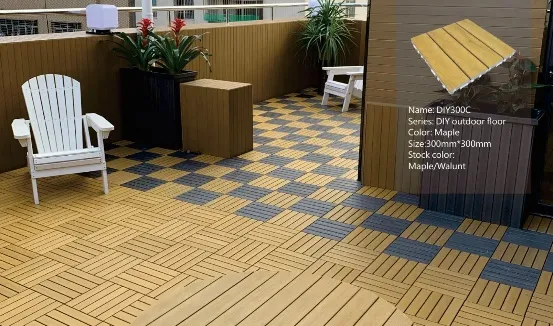
Designer's Cheat Sheet: Making Magic Happen
Steal these professional tricks for instant harmony:
| Element | Pro Approach |
|---|---|
| Color Matching | Sample panels against dominant tree bark tones |
| Texture Play | Rough panels near smooth-leaved plants for contrast |
| Edge Treatment | Bevel cuts reveal "inner wood" for weathering effect |
Why Sustainability Isn't Just a Buzzword Here
The deeper beauty of WPC lies in its lifecycle:
- Recycled Content: Most premium panels incorporate reclaimed materials
- Zero Waste: Offcuts get reprocessed into new composite blends
- Longevity: Lasts 20+ years versus 5-7 for treated timber
- Chemical-Free: Requires no toxic preservatives or stains
I've walked gardens a decade after installation to find WPC panels gracefully silvered like driftwood, hosting colonies of lichens that signal healthy ecology. That's true sustainability – materials that age with dignity while supporting life.
Final Thoughts: Where Nature Leads, We Follow
The most profound lesson I've learned designing landscapes? Nature doesn't need our help to be beautiful. Our true role is crafting frameworks that reveal her brilliance without distraction. WPC panels at their best become invisible partners in this unveiling.
When you choose outdoor waterproof wood plastic wallboard not for its convenience alone but for how naturally it whispers "welcome" to moss and birds alike, you're doing more than building a wall. You're writing love letters to nature in a language she understands.
Your garden is already a masterpiece. We're just providing the frame.









