


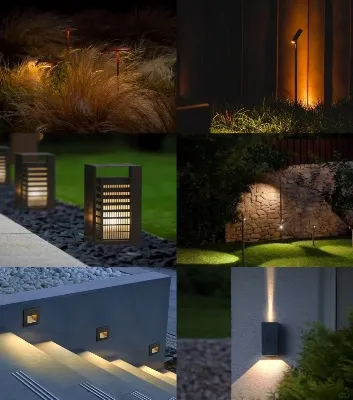
There's something magical about stepping into a garden after sunset, when the harsh edges of the day soften and the right lighting turns ordinary greenery into a scene straight out of a storybook. Whether you're sipping tea on the patio, hosting a small gathering, or simply unwinding after a long day, outdoor garden lighting isn't just about seeing where you're going—it's about creating a mood, highlighting the beauty of your space, and making your garden feel like an extension of your home's warmth. But where do you start? How do you balance functionality with aesthetics, safety with style? Let's walk through this together, exploring everything from the soft glow of garden lights to the practical guidance of stair lights and the decorative charm of wall lights.
Why outdoor garden lighting matters more than you think
Think of your garden as a blank canvas—during the day, sunlight paints it with vibrant colors and sharp shadows, but at night, it's up to you to pick up the brush. The right lighting doesn't just illuminate; it transforms. A well-lit garden can turn a dark, unused space into a cozy retreat where you can read a book under the stars or laugh with friends around a fire pit. It adds depth, making small gardens feel larger and large gardens feel more intimate. And let's not forget safety: uneven paths, steep stairs, and hidden obstacles become hazards in the dark. Good lighting acts like a gentle guide, keeping you and your loved ones safe while still looking beautiful.
But here's the thing: not all lighting is created equal. A string of bright, harsh bulbs might light up the space, but it'll feel more like a parking lot than a garden oasis. The key is to layer light—mixing different types, heights, and intensities to create a balanced, inviting atmosphere. That's where understanding the basics of garden lights, stair lights, and wall lights comes in. Each has a role to play, and when they work together, magic happens.
Design principles: The building blocks of great garden lighting
Before diving into specific light types, let's talk about the guiding principles that will shape your design. These aren't strict rules—more like friendly suggestions to help you create a space that feels both intentional and natural.
Function first, then flair
Start by mapping out the "must-have" areas: the path from the door to the patio, the stairs leading down to the garden, the steps up to the deck. These need reliable, consistent light to keep everyone safe. Once those are covered, you can get creative with accent lighting—highlighting a favorite tree, a water feature, or a beautiful flower bed.
Layer like a pro
Think of lighting in three layers: ambient (general overall light), task (focused light for specific activities), and accent (highlighting features). Ambient might come from string lights or a overhead patio fixture; task could be a wall light near the grill or a reading lamp on the bench; accent might be a spotlight on a sculpture or a well light at the base of a tree. Together, they create depth and interest.
Embrace the dark (yes, really)
Not every corner needs to be lit. Leaving some areas in gentle shadow makes the lit areas stand out more, creating a sense of mystery and calm. It also helps prevent light pollution, which is kinder to wildlife and your neighbors.
Match your garden's personality
A modern, minimalist garden might shine with sleek, understated lights—think black metal fixtures and cool white LEDs. A cottage garden, on the other hand, could rock warm yellow bulbs in whimsical, weathered brass lanterns. Let your garden's style guide your light choices, and they'll blend in like they've always been there.
Garden lights: Illuminating your landscape with care
Garden lights are the workhorses of outdoor lighting—they set the tone, guide the way, and make your landscape feel alive after dark. But with so many options, how do you choose? Let's break down the most popular types and how to use them.
| Light Type | Best For | Pro Tips |
|---|---|---|
| Path lights | Walkways, garden paths, between flower beds | Space them 2-3 meters apart for even coverage; opt for low-profile designs so they don't trip anyone |
| Well lights (in-ground) | Base of trees, shrubs, or statues (upward lighting) | Angle them slightly upward to avoid glare; use warm white bulbs to make greenery pop |
| String lights | Over patios, pergolas, or between trees | Hang them at varying heights for a cozy, festive feel; choose dimmable ones to adjust brightness |
| Waterproof LED spotlights | Water features (ponds, fountains), tall trees | Look for IP67 or higher rating for submersion; aim them at an angle to create ripples on water |
When shopping for garden lights, pay attention to two things: brightness (measured in lumens) and color temperature (measured in Kelvins). For paths and stairs, 100-200 lumens is usually enough—bright enough to see, not so bright it blinds. For accent lighting, 200-500 lumens can highlight features without overwhelming. As for color temperature, warm white (2700K-3000K) has a soft, golden glow that feels cozy, while cool white (4000K+) is brighter and more modern. Most gardens shine with warm white, as it complements greenery and skin tones better.
And don't forget durability! Outdoor lights face rain, snow, wind, and sun, so look for materials like stainless steel, aluminum, or weather-resistant plastic. A good outdoor lighting supplier will always specify the IP rating (ingress protection) of their products—IP65 means dust-tight and protected against low-pressure water jets, which is perfect for most garden settings. For lights near ponds or sprinklers, go for IP67 or higher to ensure they can handle splashes or temporary submersion.
Stair lights: Safety meets style on every step
Stairs are one of the most important areas to light—one misstep in the dark can lead to a painful fall. But stair lights don't have to be boring! With the right design, they can turn a functional necessity into a stunning design feature. Let's break down the options.
Recessed step lights
These are installed directly into the riser (the vertical part of the step) or the tread (the horizontal part you step on). They're sleek, unobtrusive, and cast a soft glow directly onto the step below, making each tread clearly visible. Imagine walking down stairs where each step has a gentle pool of light—no more guessing where the edge is. They work especially well with modern or minimalist stairs, and many come in slim, low-profile designs that won't get in the way.
Surface-mounted wall lights
Mounted on the wall beside the stairs, these throw light downward onto the steps. They're easier to install than recessed lights (no cutting into the stairs) and come in a huge range of styles—from simple cylindrical fixtures to ornate lanterns. If your stairs are next to a brick wall or a wooden railing, a pair of these can add both light and character. Just make sure to space them evenly—about 1-1.5 meters apart—to avoid dark spots.
Railing lights
For stairs with railings, why not turn the railing itself into a light source? LED strip lights can be hidden under the handrail, casting a soft glow downward. Or opt for post cap lights—small fixtures that sit on top of railing posts, adding a charming, cottage-like touch. These are great for outdoor stairs with wooden railings, as they blend in seamlessly and add a warm, inviting glow.
When it comes to stair lights, placement is everything. You want to avoid glare, so aim the light downward onto the step, not upward into people's eyes. For recessed lights, install them near the front edge of the tread so the light spills onto the step below. For wall-mounted lights, position them about 15-20 cm above the top of the stairs and angle them slightly downward. And don't skimp on brightness—stair lights need to be reliable, so choose fixtures with at least 100 lumens each, and make sure they're rated for outdoor use (IP54 or higher to resist rain and dust).
A good staircase light supplier will understand the balance between safety and design. They might offer options like motion-sensor stair lights that only turn on when someone approaches (saving energy) or dimmable lights that you can adjust depending on the time of night. Some even have color-changing options, though we'd stick to warm white for everyday use—save the colors for special occasions!
Wall lights: Adding character to your garden's "canvas"
Walls, fences, and even the exterior of your house are like blank canvases in the garden—and wall lights are the paintbrushes that bring them to life. Whether you want to highlight a textured stone wall, frame a doorway, or simply add ambient light to a seating area, wall lights are versatile, functional, and full of personality.
Sconces: Classic charm with a modern twist
Wall sconces are the most common type of wall light, and for good reason. They come in every style imaginable—from sleek, matte black cylinders for a modern garden to ornate, scrollwork designs for a traditional look. Install them beside patio doors, on either side of a garage entrance, or along a fence to create a rhythmic pattern of light. Sconces with frosted glass diffusers cast a soft, even glow, while those with clear glass focus light downward—great for lighting a path below.
Lanterns: Timeless and inviting
There's something inherently cozy about a lantern-style wall light. Whether it's a rustic, weathered copper design or a clean, white ceramic one, lanterns evoke a sense of warmth and nostalgia. They're perfect for cottage gardens, coastal yards, or any space that needs a touch of old-world charm. Hang them near a seating area, and you'll feel like you've stepped into a countryside inn.
Up-and-down lights: Drama in simplicity
These fixtures cast light both upward and downward, creating a dramatic effect on walls. They're ideal for highlighting architectural details, like a stone fireplace on the patio or a textured brick wall. Up-and-down lights are sleek and understated, making them a favorite in modern and contemporary gardens. Pair them with a neutral-colored wall, and the light will create shadows and depth that change throughout the night as the moon moves.
Solar-powered wall lights: Eco-friendly and easy
If you don't want to deal with wiring, solar-powered wall lights are a game-changer. They charge during the day and automatically turn on at dusk, providing soft, ambient light all night. They're perfect for areas far from an electrical outlet, like a fence at the back of the garden or a shed wall. Just make sure they get plenty of sunlight—south-facing walls are best—and check the battery life (most last 6-8 hours on a full charge).
When installing wall lights, height matters. Most wall lights look best when mounted 1.5-1.8 meters above the ground—high enough to light the area below without shining directly into people's eyes. If you're mounting them beside a door, aim for about 15-20 cm from the door frame on either side. And don't forget to consider the wall itself: a bold, statement wall light can be the focal point of a plain wall, while a subtle, understated one can complement a busy, patterned wall without overwhelming it.
Wall lamp solutions aren't just about the light they emit—they're about the story they tell. A pair of wrought-iron sconces might say "rustic elegance," while a set of sleek, angular lights screams "modern minimalism." The best part? You can mix and match styles (within reason) to create a garden that feels uniquely yours. Just remember: consistency is key. Stick to one or two finishes (black, bronze, brass) and a similar style family to keep things cohesive.
Putting it all together: From design to reality
Now that you know the basics, how do you turn your vision into a reality? Start by sketching a rough map of your garden, marking where you need light: paths, stairs, seating areas, walls, and any features you want to highlight. Then, think about the mood you want to create—cozy and intimate? Bright and energetic? Calm and serene? This will guide your choices for brightness, color temperature, and fixture style.
Next, set a budget. Outdoor lighting can range from affordable solar string lights ($20-$50) to high-end, custom fixtures ($200+ each). Decide what's most important—maybe splurge on durable, high-quality stair lights for safety, and save on decorative string lights for ambiance. Remember, you don't have to do it all at once. Start with the essentials (paths, stairs) and add accent lights later as your budget allows.
When it comes to choosing products, don't underestimate the value of a good supplier. A reputable outdoor lighting supplier will offer a range of options to suit different budgets and styles, and they'll be able to answer questions about IP ratings, lumen output, and installation. Look for suppliers who provide warranties (at least 1-2 years) and have good reviews from other homeowners. If you're unsure where to start, ask for a design consultation—many suppliers offer free or low-cost advice to help you plan your layout.
Installation can be a DIY project if you're comfortable with basic electrical work (for hardwired lights) or simple tools (for solar or battery-powered ones). Just make sure to follow safety guidelines: turn off the power when working with wires, use waterproof connectors, and bury cables at least 15 cm deep to avoid damage. If hardwiring seems daunting, stick to solar or battery-powered options—they're easy to install and require minimal maintenance.
Caring for your outdoor lights: Keeping the glow alive
Once your lights are installed, a little maintenance goes a long way. Clean fixtures regularly to remove dirt, leaves, and spiderwebs—this ensures they shine brightly and last longer. For solar lights, wipe the panels with a damp cloth every few weeks to keep them charging efficiently. Check wiring periodically for damage, especially after storms, and replace bulbs as soon as they burn out (LED bulbs last 25,000+ hours, so you won't have to do this often!).
Seasonal care is important too. In winter, remove snow and ice from fixtures to prevent cracking. If you live in an area with harsh winters, consider storing delicate solar lights indoors and bringing them back out in spring. And don't forget to adjust your lighting schedule with the seasons—you'll need lights earlier in the evening in winter, so set timers or motion sensors accordingly.
Final thoughts: Lighting as a love letter to your garden
Outdoor garden lighting isn't just about bulbs and wires—it's about creating moments. It's the soft glow that makes your morning coffee on the patio feel like a luxury, the stair lights that guide your kids safely back inside after playing, the wall lights that turn a simple dinner into a special occasion. It's about making your garden a place you want to be, day and night.
So take your time, experiment, and don't be afraid to let your personality shine through. Whether you're drawn to the warm glow of lanterns, the sleek simplicity of recessed stair lights, or the whimsy of string lights tangled in trees, the best outdoor lighting is the kind that makes you smile every time you step outside after dark.
And remember, you don't have to be an expert. With a little planning, the right tools, and maybe a helping hand from a trusted outdoor lighting supplier, you can transform your garden into a nighttime oasis that you'll love for years to come. After all, the best gardens aren't just seen—they're felt. And nothing makes a garden feel more like home than the perfect light.










