
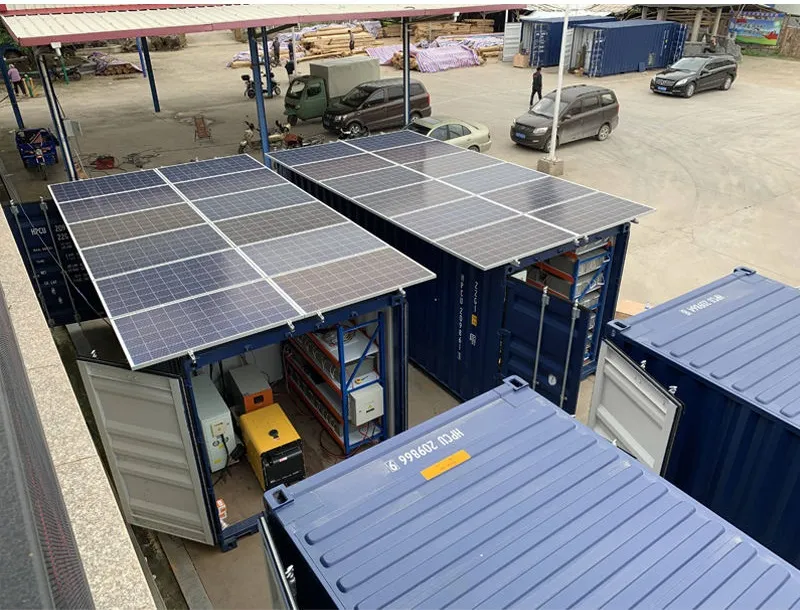
We've all seen those gleaming solar panels soaking up the sun, but here's something most people don't talk about: sandstorms can turn these energy powerhouses into underperforming dust collectors faster than you'd imagine. Picture this - a solar farm in Saudi Arabia losing nearly 50% efficiency in just days after a sandstorm hits. This isn't just some occasional nuisance; it's a multi-billion dollar problem hiding in plain sight.
Solar panels are like living organisms that need regular care, especially after nature's dirty tantrums. When we talk about soiling rates - how fast dust accumulates on panels - we're not discussing trivial numbers. Research shows that:
This isn't about wiping away a little dirt. It's about strategically fighting an efficiency war where the battlefield changes by region, season, and weather patterns. Cleaning too often? You're burning money. Clean too rarely? You're leaving energy dollars in the desert sand.
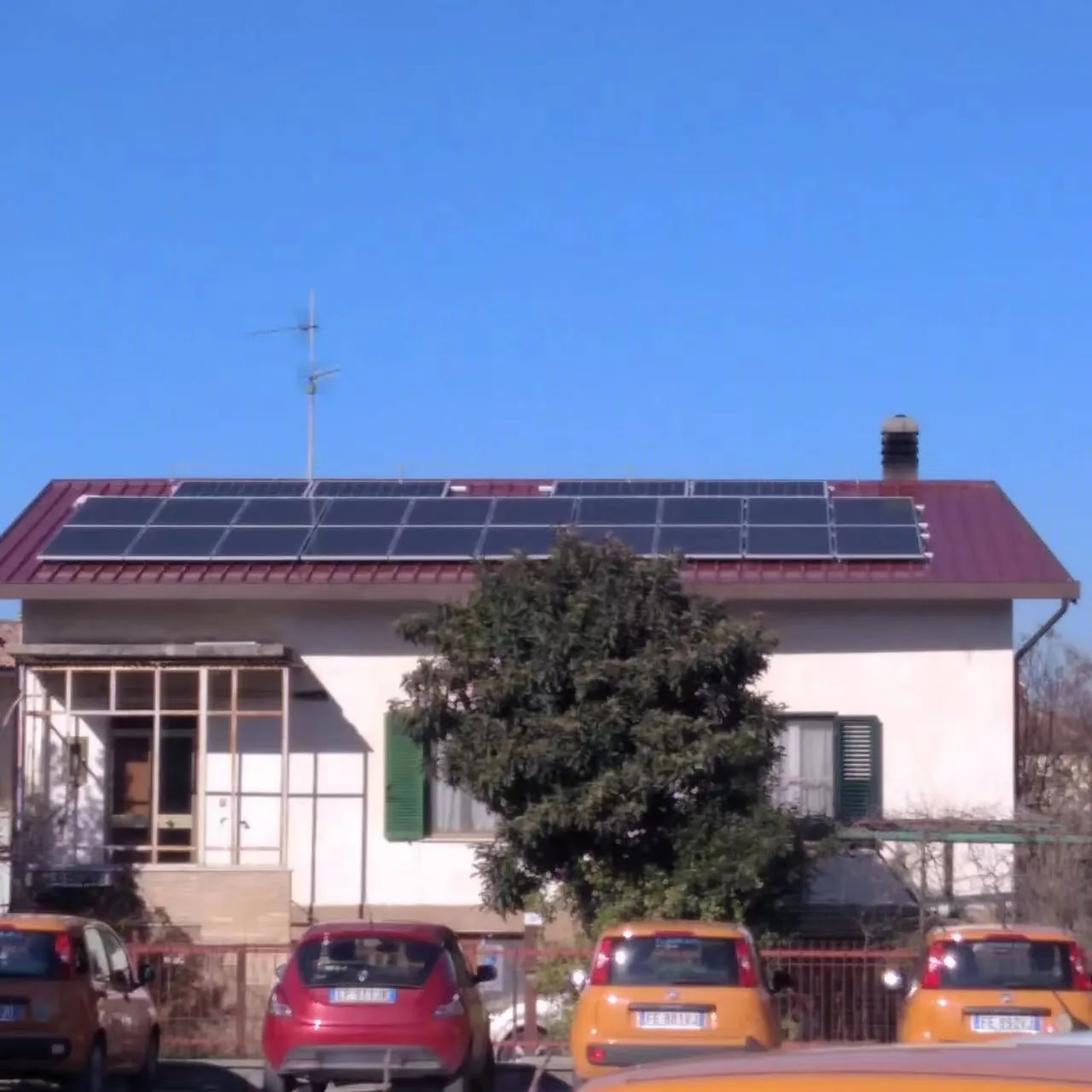
Regular dust buildup is one thing - it's predictable, manageable. But sandstorms? They're like dumping a truckload of dirt on your panels overnight:
Imagine a 100MW solar farm in the Middle East ignoring post-sandstorm cleaning. Our research pegs the revenue loss at about $480,000 annually - enough to pay for cleaning systems for dozens of similar farms!
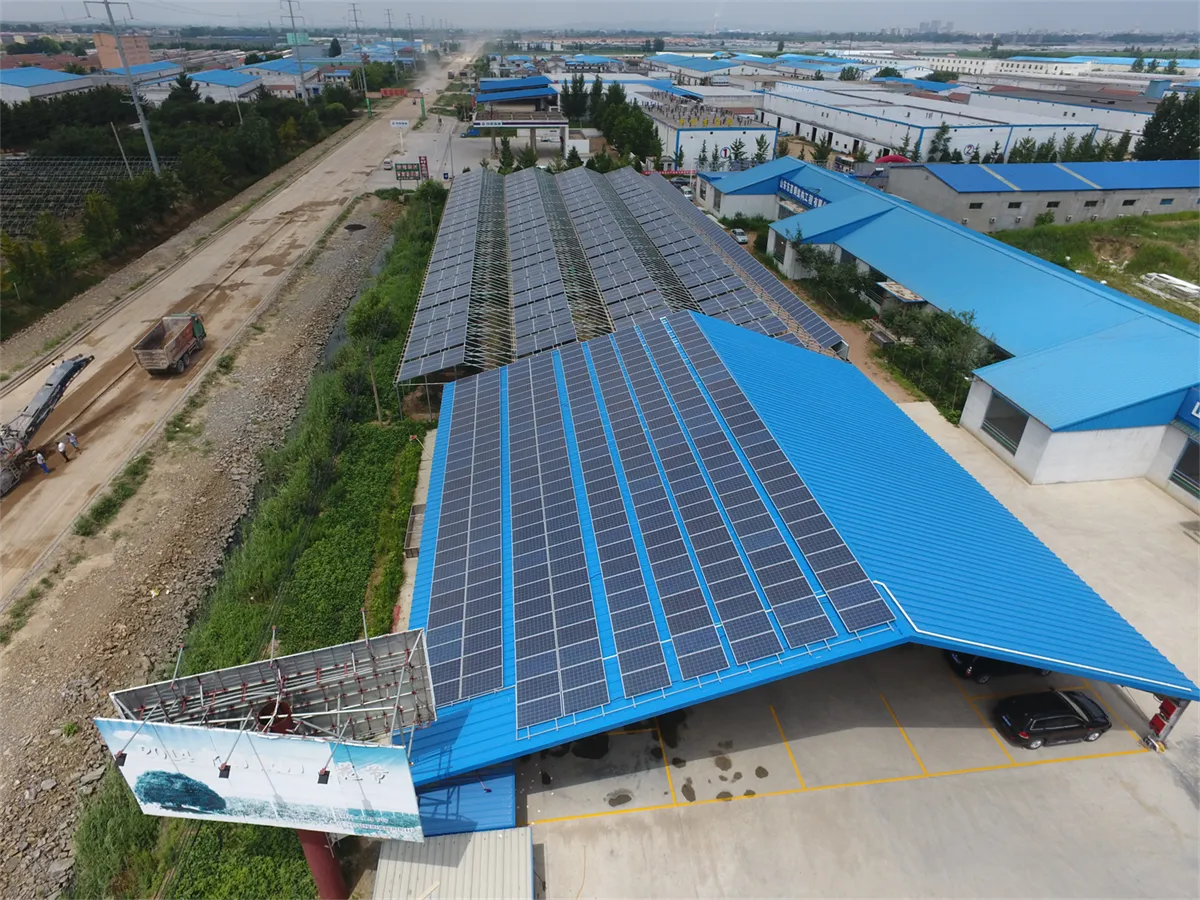
Not all solar panels suffer equally. Where you are changes everything:
Median revenue loss: 2.5% even with bi-weekly cleaning. Sandstorms require emergency response protocols.
1.5% revenue loss with monthly cleaning. Seasonal monsoons create concentrated cleaning windows.
Highest vulnerability - combines high pollution with construction dust. Requires weekly maintenance.
Here's how the smart operators are figuring out their cleaning rhythm:
    Cleaning Cost Economics =
      (Energy Lost Due to Soiling + Cleaning Operation Cost)
      vs
      Revenue Generated at Optimal Efficiency
A rooftop PV study in India proved this isn't theoretical. By implementing dynamic cleaning schedules tailored to actual weather patterns:
Robotic cleaners are changing the game in post-sandstorm recovery:
After sandstorms, timing is everything. Here's the battle-tested playbook:
The future? Integrated dust suppression systems that activate automatically during storms, combined with predictive cleaning models that sync with weather satellites. We're not just cleaning panels anymore - we're designing intelligent self-sustaining ecosystems.
Implementing optimized post-sandstorm cleaning cycles boosts ROI more dramatically than any other operational improvement:
In solar energy, there are no small losses - just uncaptured opportunities. Treating post-sandstorm cleaning as a strategic priority rather than a maintenance chore turns dust from an adversary into just another manageable production variable. Your energy yield will thank you, and your accountants will too.
Recommend Products












