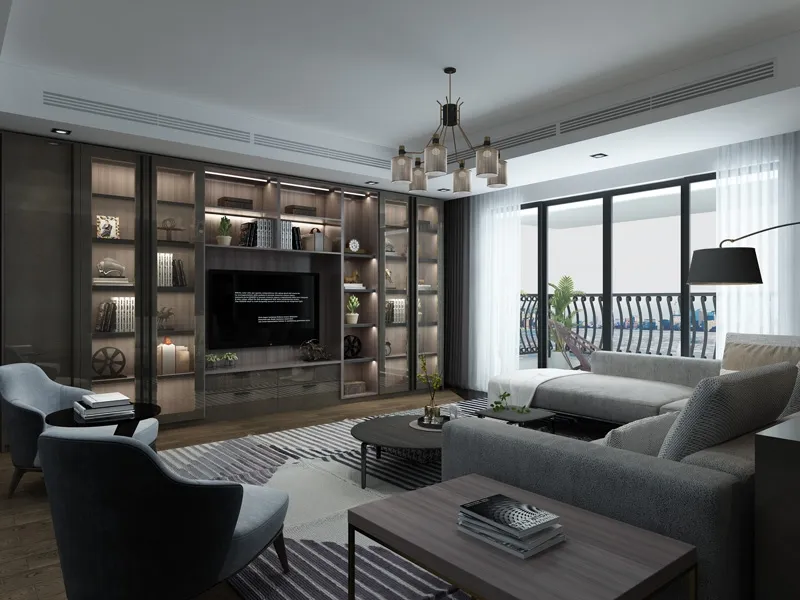
Open‑Plan Space TV Cabinets: Zoning and Maintaining Openness
Creating Harmony Between Your Entertainment Hub and Free-Flowing Spaces
"How do I fit a
TV cabinet in my open-plan living area without blocking sightlines or making the space feel cluttered?"
— Sarah K., interior design enthusiast
Open-plan living revolutionized modern homes by tearing down walls. But integrating focal points like
tv cabinet
setups? That’s where zoning magic meets design headaches. You’re not alone in struggling with this—78% of open-plan owners report TV placement as their #1 frustration (2024 Interior Trends Report).
Here’s the good news:
With smart spatial tricks and multi-functional furniture like
integrated wall panels
, your entertainment zone CAN coexist with airy openness. This guide walks you through battle-tested techniques used by architects worldwide.
Invisible Boundaries: How to Define Zones Without Walls
Traditional rooms had clear borders. Open spaces need subtle cues. Professional designers use these zoning methods:
1
Flooring Transitions
: Shift from hardwood to area rugs under your
tv cabinet to signal "entertainment territory."
2
Ceiling Statements
: Install pendant lights or lowered ceilings exclusively above your media zone.
3
Furniture Grouping
: Angle sofas toward the
tv cabinet to create a natural view corridor.
Case Study:
Jessica R. combined a
tv cabinet exporter
's floating unit with a rug-tile border. Her result? "Guests instantly know where to sit without awkward TV staring."
Monolithic entertainment centers
Deep cabinets protruding >16"
Solid-back units blocking light
Slim-profile media consoles
Wall-mounted panels with storage niches
Glass-front cabinets (
integrated wall panels
)
"My room shrank by 15% visually until I replaced my bulky
TV stand with a semi-transparent
tv cabinet
using backlighting," shares Mike T. "Now my apartment feels twice as big."
— David L., smart home installer
In-Wall Concealment Kits
1. Cut small access holes behind TV and cabinet
2. Run cables through flexible conduit tubes
3. Seal with paintable covers
Furniture-Mounted Tracks
1. Adhesive cable channels attach to cabinet backs
2. Thread wires through self-closing flaps
3. Paint tracks to match walls
Strategically placed lighting prevents your media zone from becoming a black hole. Try these professional approaches:
LED strip lights
behind
the
tv cabinet create depth
Directional spots highlight art, not screen glare
2700K warm bulbs maintain cozy cohesion
Architect_Gina
"I design spaces using the 'Rule of Thirds' for tv cabinets. Mentally divide the wall horizontally—place the cabinet in the bottom third. This maintains upper wall emptiness for openness."
PRO TIP
This works beautifully with low-profile media consoles! If clients need storage, we recommend shallow pull-out drawers rather than deep cabinets.