

Anyone who's ever embarked on a construction or renovation project knows the headache: coordinating with a dozen different suppliers, each specializing in one niche product. You need wall panels from one vendor, flooring from another, bathroom fixtures from a third, and suddenly you're drowning in emails, delivery schedules, and quality checks. A delay from the flooring supplier pushes back the tiler, which delays the painter, and before you know it, your project is weeks behind schedule. Worse, mismatched quality standards can leave your finished space feeling disjointed—gorgeous wall tiles that clash with subpar flooring, or a luxury kitchen cabinet that looks out of place next to cheap faucets.
This is where the concept of a one-stop architectural solution provider changes the game. Imagine a partner who doesn't just sell you porcelain slab tiles for your walls, but also provides the flooring underfoot, the cabinets in your kitchen, the fixtures in your bathroom, and even the pipes that run behind the walls. It's not just about convenience—it's about creating cohesive, high-quality spaces without the stress of managing multiple moving parts. Today, we're diving into how such a provider operates, with a spotlight on their star product: porcelain slab tiles for walls. But make no mistake—this is a story about breadth as much as it is about depth.

Let's start with the product that often steals the show: porcelain slab tiles for walls. These aren't your average wall coverings. Think of a material that combines the elegance of natural stone with the durability of industrial-grade ceramics, all in a sleek, seamless format. Porcelain slabs are large—often 36x120 inches or bigger—meaning fewer grout lines and a more polished, modern look. They're the go-to choice for designers aiming for that "effortlessly luxurious" aesthetic, whether in a downtown penthouse, a boutique hotel lobby, or a high-end restaurant.
Consider Maria, an interior designer working on a luxury residential project in Riyadh. Her client wanted the living room walls to make a statement—something bold yet timeless, easy to clean, and resistant to the city's occasional dust storms. Traditional marble was too porous and high-maintenance; paint felt too plain. Then she discovered porcelain slab tiles. She chose a veined, white-and-gray option that mimicked Carrara marble but with none of the upkeep. The large slabs covered the entire accent wall with minimal seams, creating a focal point that wowed the client. "It was like installing a work of art," Maria later said. "And because the supplier also handled the flooring and bathroom tiles, everything tied together perfectly."
One of the biggest draws of porcelain slab tiles is their versatility. They come in virtually every finish imaginable: matte for a soft, understated look in a bedroom; polished for a reflective, glamorous vibe in a hotel lobby; textured to add depth to a commercial hallway. Want the warmth of wood? There's a porcelain slab that replicates oak, walnut, or teak grain with accuracy. Prefer the industrial edge of concrete? Done. Or maybe you're after the drama of a bold color—emerald green for a restaurant accent wall, deep navy for a home theater. The options are endless, making them suitable for any design style, from Scandinavian minimalism to maximalist opulence.
Beauty is nothing without substance, and porcelain slab tiles deliver on durability. They're fired at extremely high temperatures, making them dense, non-porous, and resistant to scratches, stains, and moisture. Spill red wine on them? Wipe it off with a cloth—no staining. A kid with a crayon? A quick scrub and it's gone. In commercial settings, where foot traffic and wear are constant, they hold up beautifully. Hospitals and schools love them for their hygienic properties (no pores for bacteria to hide in), while restaurants appreciate that they can withstand heat, grease, and frequent cleaning. Unlike natural stone, they don't require sealing, which cuts down on long-term maintenance costs.
Installation is another win. Thanks to their large size, covering a wall with porcelain slabs is faster than using smaller tiles, which means labor costs are lower. They're also lightweight compared to natural stone, reducing the load on walls and making them suitable for both new construction and renovations. And because they're man-made, there's minimal variation between slabs—no worrying about inconsistent veining or color that can happen with natural materials. For projects where consistency is key, like a hotel chain wanting uniform bathrooms across floors, this is a game-changer.
| Wall Panel Type | Material | Best For | Key Benefits |
|---|---|---|---|
| Porcelain Slab Tile | High-Density Porcelain | Luxury residential, hotels, restaurants | Seamless look, stain-resistant, low maintenance |
| MCM Flexible Cladding Stone | Modified Composite Material | Exteriors, curved walls | Lightweight, flexible, weather-resistant |
| PU Stone Wall Panel | Polyurethane Foam | Accent walls, rustic interiors | Lightweight, easy to install, cost-effective |
| Bamboo Charcoal Board | Bamboo Fiber + Charcoal | Eco-friendly homes, bedrooms | Moisture-absorbing, natural odor control |
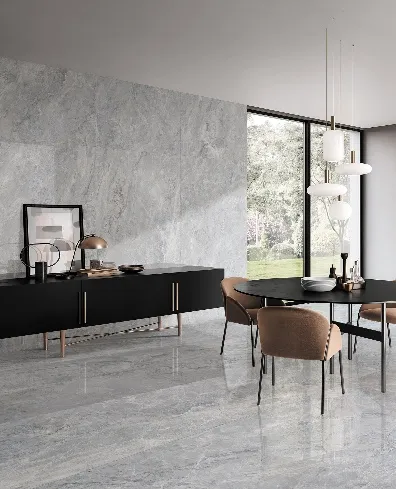
Now, let's zoom out. A porcelain slab tile for wall supplier is great, but what if that same supplier could also handle your flooring, bathroom fixtures, and kitchen cabinets? That's the power of being a one-stop architectural solution provider. It's not just about offering more products—it's about understanding how all these elements work together to create a cohesive space. Let's break down why this matters, and explore some of the other key categories they excel in.
Time is money, and one-stop sourcing saves both. Instead of managing 10 different suppliers, you have one point of contact—one project manager, one contract, one delivery schedule. This streamlines communication, reduces the risk of miscommunication, and eliminates the blame game when issues arise. If the flooring arrives late, you don't have to play detective to figure out which supplier dropped the ball—it's all handled internally. For busy contractors and designers, this alone is worth the switch.
Consistency is another big advantage. When all your materials come from the same provider, there's a unified quality standard. The porcelain slabs on your walls will match the quality of the granite flooring, which will match the craftsmanship of the kitchen cabinets. This creates a polished, intentional look that's hard to achieve when mixing products from different vendors. It also makes it easier to coordinate colors and textures—imagine choosing a flooring tile that complements your wall slabs perfectly, because the same design team helped select both.
No space is complete without the right flooring, and a top-tier one-stop supplier offers options to suit every need. Take granite stone, for example—timeless, durable, and available in a range of colors from classic black to pink and gold. It's a favorite for high-traffic areas like foyers and kitchens, where its scratch resistance and heat tolerance shine. Then there's terrazzo tile, making a comeback with its playful flecks of marble, glass, and quartz—perfect for adding personality to a commercial space or a trendy home. For eco-conscious clients, WPC (Wood Plastic Composite) flooring offers the look of hardwood with none of the maintenance, ideal for basements or areas prone to moisture.
What's great is how these flooring options pair with the porcelain wall slabs. A homeowner might choose a light gray porcelain slab for the kitchen walls and a matching gray terrazzo tile for the floor, creating a seamless flow. Or a hotel could use dark granite flooring in the lobby with white porcelain walls for a striking contrast. The ability to source both from the same supplier ensures the colors align perfectly—no unpleasant surprises when the materials arrive on site.
Bathrooms are no longer just functional—they're sanctuaries, and the right fixtures make all the difference. A one-stop supplier doesn't just sell you a toilet and a sink; they offer a full suite of sanitary solutions, from sleek wall-hung vanities to rainfall showerheads, freestanding bathtubs, and even smart toilets with bidet functions. Imagine designing a master bathroom with a porcelain slab accent wall, paired with a matte black faucet set and a floating vanity with a quartz countertop—all from the same provider. No more worrying if the faucet finish will clash with the vanity hardware; it's all curated to work together.
Hospitals and schools have unique needs, which is why specialized products like Class A fireproof CPL inorganic boards are also part of the lineup. These boards are non-combustible, moisture-resistant, and easy to clean, making them ideal for healthcare and educational settings where safety and hygiene are paramount. Pair that with anti-slip flooring and touchless faucets, and you have a bathroom solution that's both practical and compliant with strict regulations.
The kitchen is the heart of the home, and a one-stop supplier understands that it needs to be both beautiful and functional. Kitchen cabinets come in a range of styles—from sleek, handleless designs for a modern look to traditional shaker-style for a cozy feel. Materials like bamboo charcoal board offer natural antimicrobial properties, keeping cabinets fresh and hygienic. Pair those cabinets with a countertop made from the same porcelain slab as the backsplash, and you have a kitchen that's not only stunning but also incredibly easy to clean (no grout lines to trap crumbs!).
Even the smallest details are covered, like kitchen sinks—stainless steel for durability, or undermount porcelain for a seamless look. Taps and shower sets (yes, they do those too!) come in finishes like brushed nickel, brass, and matte black, ensuring every element ties together. For a commercial kitchen, they offer heavy-duty options that can withstand constant use, while residential clients might opt for more decorative fixtures that add a touch of luxury.
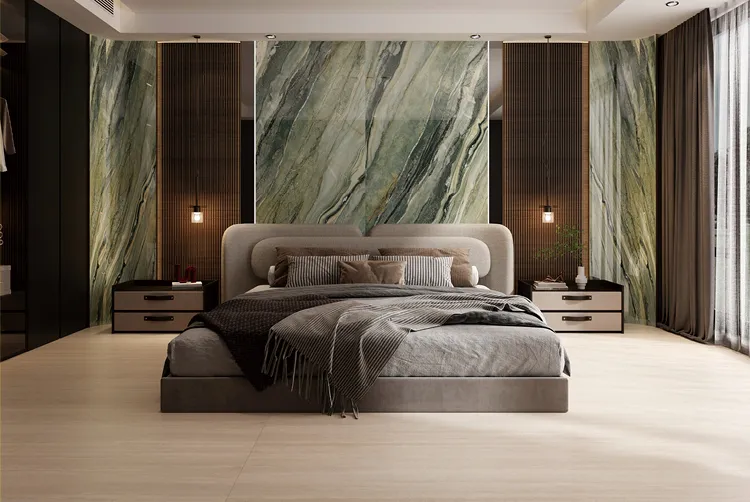
Let's put this all into context with a real-world example. Consider a boutique hotel in Jeddah looking to renovate its 50 guest rooms, lobby, and restaurant. The goal: modernize the space while maintaining a luxurious, cohesive feel. In the past, the hotel manager would have hired a wall supplier for the lobby's accent wall, a flooring supplier for the guest rooms, a bathroom supplier for the en-suites, and a kitchen supplier for the restaurant. Coordinating all these would have taken months of planning, with the risk of delays and mismatched quality.
Instead, they chose a one-stop architectural solution provider. Here's how it played out:
The result? The renovation was completed two weeks ahead of schedule, under budget (thanks to bulk ordering discounts), and the design was cohesive from lobby to restaurant. Guests raved about the "high-end, put-together" feel, and the hotel manager noted that maintenance requests dropped significantly—proof that quality materials make a difference.
What sets a great one-stop provider apart is their commitment to the entire project lifecycle, not just the sale. It starts with a consultation: understanding your vision, budget, and timeline. Their design team works with you to select materials that align with your goals—whether you're prioritizing sustainability, durability, or aesthetics. They provide samples, 3D renderings, and technical specifications to ensure you're confident in your choices.
Once the order is placed, they handle logistics, coordinating deliveries to align with your construction schedule. No more storing materials on-site for weeks—deliveries arrive just in time for installation. Their technical team is available for on-site support, helping contractors with installation questions or troubleshooting. And after the project is done, they offer warranties on all products, so you have peace of mind knowing they stand behind their materials.

Offering a wide range of products means nothing if the quality isn't there, and the best one-stop suppliers take quality control seriously. They partner with trusted manufacturers around the world—from Switzerland stone quarries known for their premium granite to state-of-the-art facilities producing Class A fireproof boards. Every product undergoes rigorous testing: porcelain slabs are checked for density and strength, pipes are tested for pressure resistance, and sanitary fixtures are inspected for leaks and durability.
Certifications matter too. Look for suppliers whose products meet international standards—ASTM for pipes, CE for building materials, ISO for quality management. For specialized products like fireproof boards for hospitals and schools, they should have certifications from local authorities ensuring compliance with safety regulations. This attention to detail ensures that whether you're building a residential home or a commercial high-rise, the materials meet the highest standards.
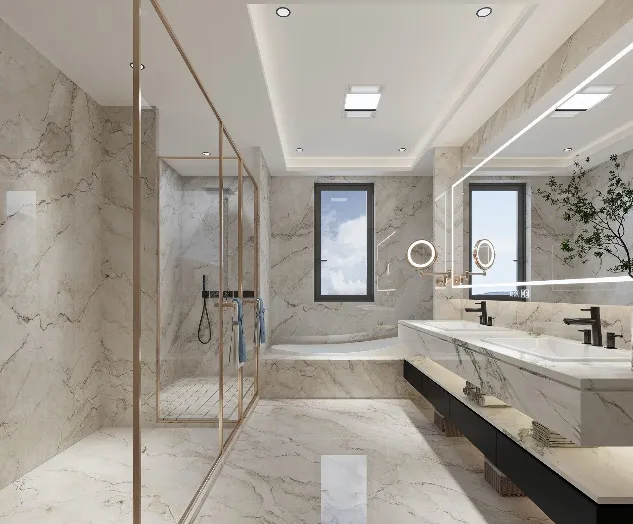
At the end of the day, what makes a one-stop supplier invaluable is the support they provide beyond just selling materials. Design assistance is a big part of this—their team of experts can help you choose materials that fit your style and budget, offering insights you might not get from a niche supplier. For example, they might suggest pairing a certain porcelain slab with a specific flooring type to enhance acoustics in a restaurant, or recommend a moisture-resistant wall panel for a bathroom with poor ventilation.
Customization is another key offering. Whole-house customization means you can get kitchen cabinets tailored to your space, wall panels cut to specific dimensions, or even unique stone finishes that match your vision. This level of personalization is hard to achieve when working with multiple suppliers, who often have strict minimum order quantities or limited customization options.
In a world where time is precious and quality is non-negotiable, the one-stop architectural solution provider is more than a supplier—they're a partner in building better spaces. Whether you're a homeowner renovating your kitchen, a designer working on a commercial project, or a contractor managing a large-scale development, the benefits are clear: convenience, consistency, and confidence that every material in your space is up to the task.
Porcelain slab tiles for walls might be the star of the show, but it's the entire cast—flooring, sanitary fixtures, kitchen cabinets, and more—that makes the performance unforgettable. So the next time you're starting a project, ask yourself: Do I want to manage a dozen suppliers, or work with one team that has the expertise, range, and commitment to bring my vision to life? The answer, we think, is clear.
Recommend Products











