
In the fast-paced world of construction and infrastructure development, every project manager, contractor, and builder knows the drill: juggling multiple suppliers, coordinating deliveries across different product lines, and ensuring that every component—from the smallest pipe fitting to the most critical valve—meets the project's specifications. It's a logistical puzzle that often leads to delays, budget overruns, and unnecessary stress. But what if there was a way to simplify this process? What if you could source not just plastic valve systems, but also the pipes, fittings, and related solutions from a single partner? This is where integrated plastic valve system solutions providers step in, reshaping how the industry approaches procurement.
Gone are the days of managing a Rolodex of suppliers for every niche product. Today's most successful projects thrive on efficiency, and that efficiency starts with who you choose to partner with. Whether you're working on a residential high-rise, a commercial complex, or a large-scale industrial facility, the right one-stop provider can be the difference between a project that stays on track and one that spirals into chaos. In this article, we'll dive deep into why integrated solutions matter, focusing on plastic valve systems and their (complementary) products like PPR pipes, UPVC pipes, and PVC DWV pipes, and explore the tangible benefits they bring to the table.
To understand the value of one-stop solutions, it helps to first recognize the pain points of traditional, fragmented procurement. Let's say you're overseeing the construction of a new hospital. You need plastic valve systems for the plumbing network, PPR pipes for hot water lines, UPVC pipes for drainage, and PVC DWV pipes for waste management. Under the old model, this would mean reaching out to a plastic valve system supplier, a separate PPR pipe and fitting supplier, another UPVC pipe supplier, and yet another for PVC DWV pipes. Each supplier has its own lead times, quality standards, pricing structures, and communication protocols.
The result? You're spending hours coordinating between vendors, chasing down delivery updates, and resolving mismatched specifications. If one supplier delays, the entire project timeline shifts. If two suppliers' products don't work seamlessly together—say, a valve from Supplier A doesn't fit a pipe from Supplier B—you're left troubleshooting on-site, wasting precious labor hours. And let's not forget the administrative burden: multiple purchase orders, invoices, and contracts to manage. It's no wonder that 68% of contractors cite "coordination with multiple suppliers" as a top challenge in project management, according to a 2024 industry survey.
Integrated providers aren't just suppliers—they're strategic partners. They've built their businesses around the idea that construction projects run smoother when all critical components come from a single source. This approach isn't about cutting corners; it's about curating a portfolio of high-quality products that work together seamlessly, backed by end-to-end support. For plastic valve systems and related piping solutions, this integration is especially valuable, as these components form the circulatory system of any building.
A reputable plastic valve system solutions provider doesn't stop at valves. They'll also offer PPR pipe and fitting solutions, UPVC pipe solutions, and PVC DWV pipe solutions, ensuring that every piece of the puzzle is designed to fit. This level of coordination eliminates compatibility issues, reduces the risk of leaks or failures, and gives you peace of mind knowing that every product meets the same rigorous quality standards. It's like buying a car from a dealership that also provides the tires, brakes, and maintenance—you trust that everything is engineered to work in harmony.
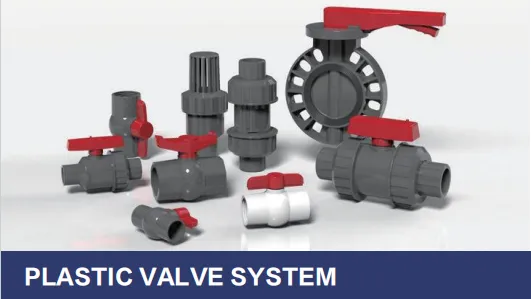
At the heart of any integrated solution is the plastic valve system itself. Valves are the unsung heroes of plumbing and infrastructure, controlling the flow of water, gas, and other fluids with precision. In residential buildings, they ensure that hot water reaches the shower on demand and that waste is efficiently carried away. In commercial settings like hospitals, they regulate critical systems that impact patient safety. In industrial facilities, they manage the flow of chemicals and materials, preventing costly leaks and downtime.
But not all valves are created equal. A reliable plastic valve system supplier offers a range of options tailored to specific applications: ball valves for quick shut-off, gate valves for throttling flow, check valves to prevent backflow, and more. Each valve is tested for durability, pressure resistance, and longevity, ensuring it can withstand the demands of the project—whether it's a high-rise apartment or a manufacturing plant. What sets integrated providers apart is that these valves are designed to pair perfectly with their other products, like PPR pipes for hot water systems or UPVC pipes for corrosive environments.
Consider PPR (Polypropylene Random Copolymer) pipes, a staple in modern plumbing for their heat resistance and durability. As a leading PPR pipe and fitting supplier, an integrated provider ensures that their PPR pipes and fittings are compatible with their plastic valve systems, creating a seamless hot water network. Imagine installing a PPR pipe system in a hotel: the valves need to handle constant temperature fluctuations, and the pipes must resist scaling and corrosion. When both components come from the same supplier, you avoid the risk of mismatched tolerances that could lead to leaks in guest rooms—a scenario that's both costly and reputation-damaging.
Similarly, UPVC (Unplasticized Polyvinyl Chloride) pipes are prized for their strength and chemical resistance, making them ideal for drainage and industrial applications. A trusted UPVC pipe supplier will engineer their pipes to work with their valve systems, ensuring that waste flows smoothly without blockages. And for PVC DWV (Drain, Waste, Vent) pipes, which manage sewage and ventilation in residential and commercial buildings, compatibility with valves is critical to preventing backups and maintaining indoor air quality. When all these elements are sourced from one provider, the system works as a unified whole, not a collection of parts.
The best integrated providers go beyond plastic valve systems and pipes, offering a comprehensive range of solutions to meet diverse project needs. While our focus here is on the plumbing and infrastructure side, it's worth noting that many one-stop suppliers also offer complementary products like flooring solutions, wall panels, and even sanitary fixtures—but let's stay focused on the world of valves and pipes for now.
In addition to plastic valve system solutions, PPR pipe and fitting solutions, UPVC pipe solutions, and PVC DWV pipe solutions, a top-tier provider might also include:
This breadth of offerings means that whether you're working on a small residential renovation or a large-scale industrial project, you can source all your critical piping and valve needs from a single partner. It's like having a hardware store that specializes in your exact industry—no more running from store to store, hoping they have what you need.
Talk is cheap—what really matters are the results. Let's break down the tangible benefits of partnering with an integrated plastic valve system solutions provider, using real-world scenarios to illustrate the impact.
It's no secret that buying in bulk often leads to lower costs, but the savings go beyond volume discounts. When you consolidate your orders with one supplier, you reduce administrative costs: fewer purchase orders to process, fewer invoices to pay, and fewer contracts to manage. A study by the Construction Management Association found that contractors using one-stop solutions reduced their procurement-related administrative costs by an average of 23%. Additionally, integrated providers often offer package deals for bundled products—for example, purchasing plastic valve systems, PPR pipes, and UPVC pipes together might net you a 10-15% discount compared to buying them separately.
There are also indirect cost savings. Fewer compatibility issues mean fewer callbacks for repairs, which saves on labor and materials. Streamlined logistics reduce the risk of project delays, which can cost thousands of dollars per day in lost productivity. For a mid-sized commercial project with a budget of $5 million, these savings can add up to six figures—money that can be reinvested in other areas of the project or passed on to clients as competitive pricing.
In construction, time is money. Every day a project is delayed, you're paying for labor, equipment rentals, and overhead without generating revenue. One-stop solutions slash the time spent on procurement by eliminating the need to vet multiple suppliers, negotiate separate contracts, and coordinate deliveries from different locations. Instead of managing 5-10 supplier relationships, you have one point of contact who handles everything from order placement to delivery.
Consider a scenario: A contractor needs to source plastic valve systems, PPR pipes, and PVC DWV pipes for a 50-unit apartment complex. With traditional procurement, this might involve 3-4 weeks of researching suppliers, requesting quotes, comparing options, and finalizing orders. With an integrated provider, the same process could take just 1-2 weeks—half the time. And once the order is placed, you'll receive a single delivery schedule, eliminating the hassle of coordinating multiple shipments. This speed-to-project can shave weeks off the overall timeline, getting the building occupied faster and generating returns sooner.
When products come from multiple suppliers, quality can be inconsistent. One supplier might use premium materials, while another cuts corners to meet a lower price point. This inconsistency is a recipe for failures down the line—leaky pipes, malfunctioning valves, or premature wear and tear. Integrated providers, however, maintain strict quality control standards across their entire product line. They source materials from trusted manufacturers, conduct rigorous testing, and ensure that every product meets industry certifications (like ASTM, DIN, or ISO standards).
For example, a reputable plastic valve system supplier will test each valve for pressure resistance, temperature tolerance, and durability before it leaves the warehouse. Similarly, their PPR pipe and fitting solutions will be certified for potable water use, and their UPVC pipe solutions will meet strength requirements for underground installation. This commitment to quality gives you confidence that the products you're installing will stand the test of time, reducing the risk of costly replacements or repairs in the future.
Coordinating deliveries from multiple suppliers is a logistical nightmare. You have to schedule deliveries around job site availability, manage storage for materials that arrive early, and deal with the stress of late shipments. With a one-stop provider, you get a single delivery schedule, often with consolidated shipments that reduce the number of trucks arriving on-site. This not only simplifies logistics but also minimizes the risk of theft or damage, as materials spend less time sitting in storage.
Imagine a scenario where your plastic valve system, PPR pipes, and PVC DWV pipes all arrive on the same day, in the same delivery truck. You can unload them directly to the installation area, reducing handling and storage costs. No more paying for extra warehouse space or worrying about materials getting damaged in transit. It's a small change that makes a big difference in keeping the project on track.
Integrated providers don't just sell products—they offer expertise. Whether you need help selecting the right valve for a specific application, guidance on installing PPR pipes in a tight space, or troubleshooting a problem on-site, they have a team of technical specialists ready to assist. This level of support is invaluable, especially for complex projects where even small mistakes can have big consequences.
For example, if you're building a hospital and need to ensure your piping system meets strict hygiene standards, a knowledgeable PPR pipe and fitting supplier can recommend antimicrobial coatings or specific installation techniques. If you're working on a high-rise and need to account for building movement, they can advise on flexible valve solutions that accommodate thermal expansion. This partnership extends beyond the sale, ensuring that you have the support you need from project planning to completion.
To visualize the difference, let's compare the two approaches across key metrics:
| Metric | Traditional Procurement (Multiple Suppliers) | One-Stop Procurement (Integrated Provider) |
|---|---|---|
| Number of Suppliers | 5-10+ for a typical project | 1 |
| Administrative Workload | High (multiple POs, invoices, contracts) | Low (single PO, invoice, contract) |
| Lead Time | Longer (coordinating multiple schedules) | Shorter (unified production and delivery timeline) |
| Compatibility Risk | High (products from different manufacturers) | Low (products designed to work together) |
| Quality Consistency | Variable (inconsistent standards) | High (uniform quality control) |
| Logistics Complexity | High (multiple deliveries, storage needs) | Low (consolidated shipments) |
| After-Sales Support | Fragmented (multiple contacts) | Unified (single point of contact) |
| Total Cost | Higher (administrative, labor, and delay costs) | Lower (bulk discounts, reduced overhead) |
As construction projects become more complex and deadlines tighter, the demand for one-stop solutions will only grow. Builders and contractors are increasingly recognizing that time and efficiency are just as valuable as cost, and integrated providers are rising to meet that demand. In the realm of plastic valve systems and piping, we can expect to see even more innovation—smarter valves with IoT capabilities for remote monitoring, more sustainable materials that reduce environmental impact, and even more integrated product lines that cover every aspect of building infrastructure.
For example, imagine a future where your plastic valve system can communicate with your PPR pipe network, alerting you to potential leaks before they happen. Or where UPVC pipes are made from recycled materials without compromising strength. These advancements will be easier to implement when they come from a single provider, as the integration of new technologies can be managed holistically.
At the end of the day, construction is about more than just bricks and mortar—it's about creating spaces that are safe, functional, and built to last. The materials you choose and the suppliers you partner with play a critical role in achieving that vision. By opting for an integrated plastic valve system solutions provider, you're not just simplifying procurement—you're investing in the success of your project.
Whether you're in need of plastic valve system solutions, PPR pipe and fitting solutions, UPVC pipe solutions, or PVC DWV pipe solutions, the benefits are clear: lower costs, faster timelines, higher quality, and peace of mind. So the next time you're planning a project, ask yourself: Why juggle multiple suppliers when you could have a single partner who's invested in your success?
The answer is simple: because your project deserves the efficiency, reliability, and support that only a one-stop solution can provide. It's time to leave the fragmented past behind and embrace a future where building better begins with sourcing smarter.
Recommend Products












