


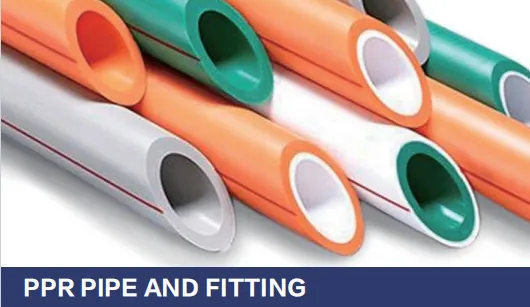
Picture a bustling construction site, where teams race to meet deadlines, and every decision carries weight. In the middle of it all, the plumbing team unboxes a batch of pipes—pipes that will carry water for decades, withstand pressure, and resist the wear and tear of daily use. This is where PPR (Polypropylene Random Copolymer) pipes shine, and where the choice of a reliable PPR pipe and fitting supplier becomes a game-changer.
PPR pipes aren't just another construction material; they're a promise of longevity. Unlike traditional metal pipes that corrode over time or PVC pipes that struggle with high temperatures, PPR pipes bring together flexibility and strength. They handle hot and cold water alike, resist chemical corrosion, and install with minimal hassle—no need for complex welding or heavy tools. For a hotel project in Riyadh, where consistent water flow is critical for guest satisfaction, or a hospital in Jeddah, where hygiene and reliability can't be compromised, these pipes aren't just components—they're the foundation of trust.
But here's the thing: not all PPR pipes are created equal. The difference lies in the details—raw material quality, manufacturing precision, and adherence to global standards. A supplier that cuts corners on material purity might deliver pipes that crack under pressure or leach chemicals into water. That's why partnering with a PPR pipe and fitting solutions provider that prioritizes quality isn't just smart—it's essential for protecting your project's reputation.










