

Walls are the silent storytellers of any space. They don't just divide rooms or shield us from the elements—they set the tone for a home, define the professionalism of a commercial building, and even influence how we feel when we step inside. But choosing the right wall solutions? That's often where the journey gets complicated. Between navigating endless material options, coordinating with multiple suppliers, and ensuring everything aligns with design visions and safety standards, it's easy to feel overwhelmed. That's where the power of a one-stop approach comes in. Today, we're diving into how MCM flexible cladding stone wall panel solutions are revolutionizing the way we build—and how a dedicated residential and commercial building materials supplier can turn your wall dreams into reality, seamlessly.
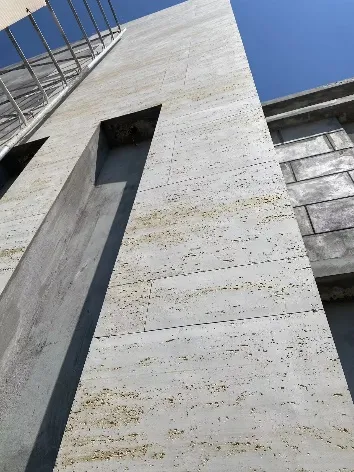
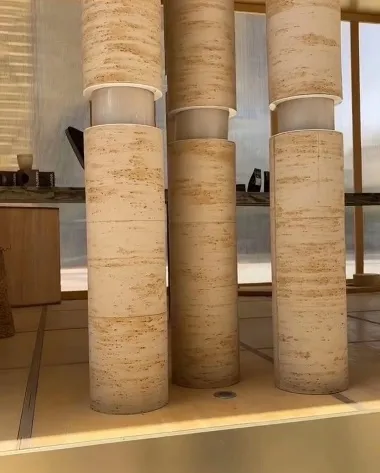
Let's start with the basics. MCM stands for Mineral Composite Material, and these panels are exactly what they sound like: a innovative blend of natural minerals, polymers, and fibers that mimic the look and feel of natural stone—without the weight, brittleness, or high maintenance. Think of them as the "smart cousin" of traditional stone cladding: they're flexible enough to curve around architectural details, lightweight enough to reduce structural load, and durable enough to stand up to harsh weather, heavy foot traffic, and the test of time.
What makes MCM panels a game-changer? For starters, their versatility. Whether you're aiming for a rustic stone exterior on a mountain home, a sleek, modern facade for a downtown office building, or a warm, textured accent wall in a hotel lobby, MCM panels can be customized to match any aesthetic. They come in a range of finishes—from rough-hewn "natural stone" textures to smooth, polished surfaces—and colors that span from earthy neutrals to bold statement hues. And because they're engineered, you get consistency in every panel, avoiding the natural variations that can make traditional stone installation a headache.
But it's not just about looks. MCM panels are designed with practicality in mind. Unlike solid stone, which can crack under stress or require heavy-duty structural support, these panels are flexible. That means they can bend slightly without breaking, making them ideal for buildings with subtle curves or areas prone to minor shifts (hello, earthquake-prone regions). They're also lightweight—often 70% lighter than natural stone— which cuts down on installation time, labor costs, and the need for reinforced framing. And when it comes to sustainability? Many MCM panels are made with recycled materials and low-VOC binders, aligning with the growing demand for eco-friendly building solutions.
Here's the thing about building materials: great products are only half the battle. The other half is the process. Coordinating with a separate designer, material supplier, manufacturer, and installer can lead to miscommunication, delays, and mismatched expectations. That's why the best mcm flexible cladding stone wall panel supplier doesn't just sell panels—they offer a complete, end-to-end experience. Let's walk through what that journey looks like, step by step.
Every project starts with a vision. Maybe you're an architect designing a boutique hotel and want the exterior to feel both luxurious and approachable. Or perhaps you're a homeowner dreaming of a backyard guest house with a stone accent wall that blends with the landscape. Either way, the first step is sitting down with the supplier to turn that vision into a tangible plan.
A good one-stop supplier will assign a dedicated project consultant who listens—really listens—to your needs. They'll ask questions like: Is this a residential or commercial project? What's the main goal (aesthetics, durability, fire safety)? Are there specific design constraints (historical district guidelines, height restrictions)? Do you have a budget in mind? From there, they'll share samples of MCM panels, discuss color and texture options, and even help you visualize the final result with 3D renderings or physical mockups. For example, if you're torn between a "cobblestone" texture and a "slate" finish, they might send you small panel samples so you can see how they look in different lighting—natural sunlight vs. indoor LED bulbs. It's all about making sure you feel confident before moving forward.
Not all walls are created equal, and neither are MCM panels. A wall in a busy restaurant kitchen needs to be heat-resistant and easy to clean, while an exterior wall in a coastal area needs to withstand saltwater and high winds. During this phase, the supplier will help you select the right MCM formulation for your specific use case.
For instance, if you're working on a commercial project like a shopping mall, they might recommend a high-impact resistant MCM panel with a Class A fire rating—critical for public spaces where safety is non-negotiable. For a residential project, like a home's exterior, they might focus on UV resistance to prevent fading in direct sunlight or a water-resistant coating to keep moisture out during rainy seasons. And because MCM panels are so customizable, you can even mix and match: maybe a bold, textured panel for the main facade and a smoother, lighter panel for the garage walls to create visual interest without overwhelming the design.
Once the design is locked in and materials are selected, it's time to bring your panels to life. A reputable mcm flexible cladding stone wall panel supplier will have in-house manufacturing facilities (or trusted partners) that prioritize quality and consistency. The process typically starts with mixing the mineral composite base—think crushed stone, resin, and reinforcing fibers—to create a malleable material. This mixture is then poured into molds that replicate the desired texture (rough, smooth, veined, etc.) and cured under controlled conditions to ensure strength and flexibility.
What sets a one-stop supplier apart here is attention to detail. They'll use precision cutting tools to ensure every panel is exactly the size specified in the design—no more "close enough" measurements that lead to gaps or uneven installation. And if your project requires custom shapes (like curved panels for a rounded entryway or angled pieces for a gabled roof), their manufacturing team can create those, too. It's like having a tailor for your walls: everything is made to fit your project perfectly.
Let's be real: no one wants to install wall panels only to have them crack, fade, or warp a year later. That's why rigorous quality control is non-negotiable. Before any panel leaves the factory, it undergoes a series of tests to ensure it meets industry standards and your project's specific requirements. These tests might include:
Only panels that pass all these tests make it to the next step: delivery.
There's nothing worse than a construction project grinding to a halt because materials didn't arrive on time. A one-stop supplier understands this, which is why they take logistics seriously. They'll work with you to create a delivery schedule that aligns with your construction timeline—whether you need all panels at once or in staggered shipments to avoid storage issues on-site. And because MCM panels are lightweight, they're easier to transport than traditional stone, which means lower shipping costs and less risk of damage during transit.
But delivery isn't just about dropping off boxes. The supplier will also include detailed installation guides, care instructions, and even labels on each panel indicating where it goes (e.g., "Front Facade, Section B"). This attention to detail saves your installation team time and reduces the chance of mix-ups—because let's face it, no one wants to sort through 50 identical-looking panels to find the right one for the second floor.
Even the best materials are only as good as their installation. That's why the one-stop journey doesn't end at delivery. Many suppliers offer installation support, whether it's training your crew on best practices (like how to properly seal seams or attach panels to different substrates) or sending a technical expert to the job site for a quick consultation. Some even partner with certified installers who specialize in MCM panels, taking the guesswork out of finding someone qualified. It's like having a safety net—so you can focus on the big picture, not the small details.
You might be wondering: with so many wall panel options out there—PU stone, WPC, bamboo charcoal board—what makes MCM the right choice? Let's break it down with a quick comparison:
| Material | Weight (per sq.m) | Flexibility | Fire Rating | Best For | Maintenance |
|---|---|---|---|---|---|
| MCM Flexible Cladding Stone | 8-12 kg | High (can bend up to 30°) | Class A (varies by formulation) | Exteriors, curved surfaces, high-traffic areas | Low (wash with mild soap; no sealing needed) |
| PU Stone Wall Panel | 5-8 kg | Medium (slight flexibility) | Class B-C | Indoor accent walls, low-moisture areas | Medium (avoid harsh chemicals) |
| WPC Wall Panel | 10-15 kg | Low (rigid) | Class B | Indoor use (living rooms, bedrooms) | Medium (prone to scratching; avoid water) |
| Bamboo Charcoal Board | 12-18 kg | Low (rigid) | Class A (some variants) | Indoor, eco-friendly projects | Medium (requires sealing every 2-3 years) |
As you can see, MCM panels strike a balance between weight, flexibility, and durability that makes them versatile for both residential and commercial projects. Their Class A fire rating (when specified) also gives them an edge in commercial settings where safety codes are strict. And with low maintenance requirements, they're a practical choice for busy homeowners or facility managers who don't have time for constant upkeep.
Still not convinced? Let's look at two real-world examples of how mcm flexible cladding stone wall panel solutions made a difference—one residential, one commercial.
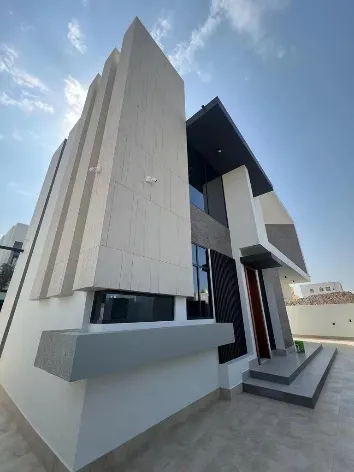
The client: A family building a vacation home in a coastal town, wanting an exterior that looked like natural stone but could withstand saltwater, strong winds, and humidity. They also wanted to avoid the high cost of traditional stone installation.
The solution: Working with a residential building materials supplier, they chose MCM panels in a "driftwood stone" finish—light gray with subtle brown veining that complemented the ocean views. The supplier provided 3D renderings to help the family visualize the final look, then manufactured panels with a salt-resistant coating. Delivery was timed to coincide with the framing phase, and the installer (recommended by the supplier) completed the exterior cladding in just 3 weeks—half the time traditional stone would have taken.
The result: A home that looks like it's wrapped in weathered stone, but with zero cracking or fading after two hurricane seasons. The family saved 30% on material and labor costs, and the lightweight panels meant no need for extra structural support.
The client: A hotel chain renovating a 1920s building into a boutique property, aiming for a "heritage meets modern" vibe. The lobby needed a statement wall that felt grand but not heavy, with curved edges to soften the space.
The solution: The commercial building materials supplier proposed MCM panels in a "marble" finish—smooth, white with gray veins—custom-cut to follow the lobby's curved walls. They provided samples in different lighting conditions to ensure the panels looked consistent under both natural light (from large windows) and chandelier lighting. The supplier also coordinated with the construction team to deliver panels in sections, avoiding delays as other lobby work (like flooring) was completed. A technical expert visited the site twice to guide the installation of the curved panels.
The result: A lobby wall that guests often mistake for real marble—until they touch it and realize how lightweight it is. The curved design became a social media hit, with guests posting photos of the "floating stone wall." The hotel reported a 15% increase in positive reviews mentioning the lobby's design.

At this point, you might be thinking, "This sounds great, but can't I just buy MCM panels from a regular supplier and handle the rest myself?" Sure—but here's why a one-stop approach matters:
In short, a one-stop mcm flexible cladding stone wall panel supplier doesn't just sell you panels—they partner with you to make your project a success.
Walls are more than just building blocks—they're investments in the spaces we live, work, and play in. Choosing the right wall solutions shouldn't be a source of stress. With MCM flexible cladding stone wall panels and a one-stop supplier, you get the best of both worlds: stunning aesthetics, unbeatable durability, and a process that feels less like a headache and more like a collaboration.
Whether you're building a home, renovating a commercial space, or designing the next big architectural landmark, remember this: the right walls don't just fill a space—they elevate it. And with the right partner by your side, you can turn even the boldest wall dreams into something tangible, beautiful, and built to last.
So, what's your wall story going to be? Let's build it together.
Recommend Products











