


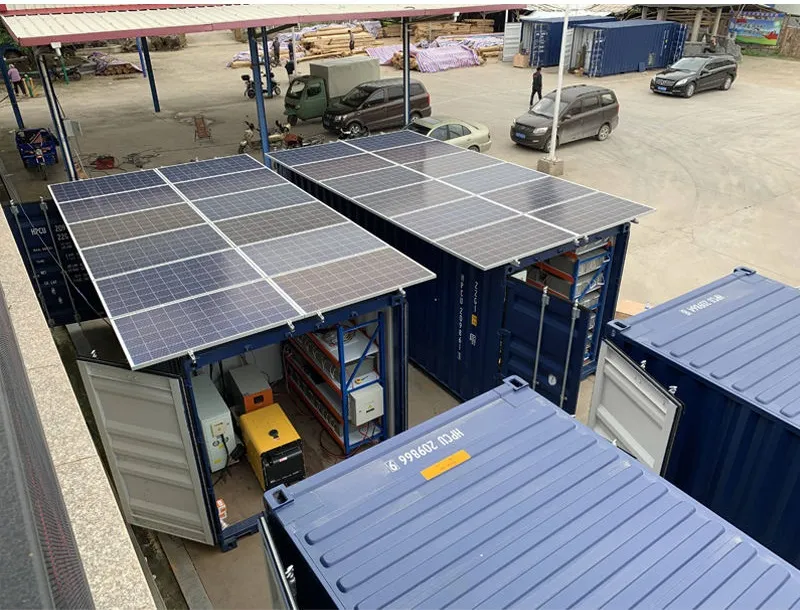
Your practical blueprint to diagnosing, reversing, and preventing power loss in photovoltaic systems
That Annoying Energy Drain: What Exactly Is PID?
Imagine watching your carefully designed solar setup deliver less juice month after month, despite perfect sunshine. That sinking feeling? You're likely facing Potential Induced Degradation (PID), the silent killer of panel performance. Like cholesterol clogging arteries, PID quietly accumulates damage through microscopic electrical leaks.
Unlike dramatic panel cracks or inverter failures, PID works in stealth mode. It happens when stray voltages between solar cells and panel frames create ionic highways for sodium particles to migrate. Picture salt corroding metal – that’s essentially occurring inside your panels at the microscopic level. Before you know it, 30% of your expected energy harvest vanishes into thin air.
The Nuts and Bolts of PID Formation
- High-voltage stress between cells and frame triggers the process
- Humidity acts like an accomplice , especially in coastal areas
- Higher system voltages increase risk (today's 1500V systems are more vulnerable)
- Panel manufacturing quality determines resistance levels
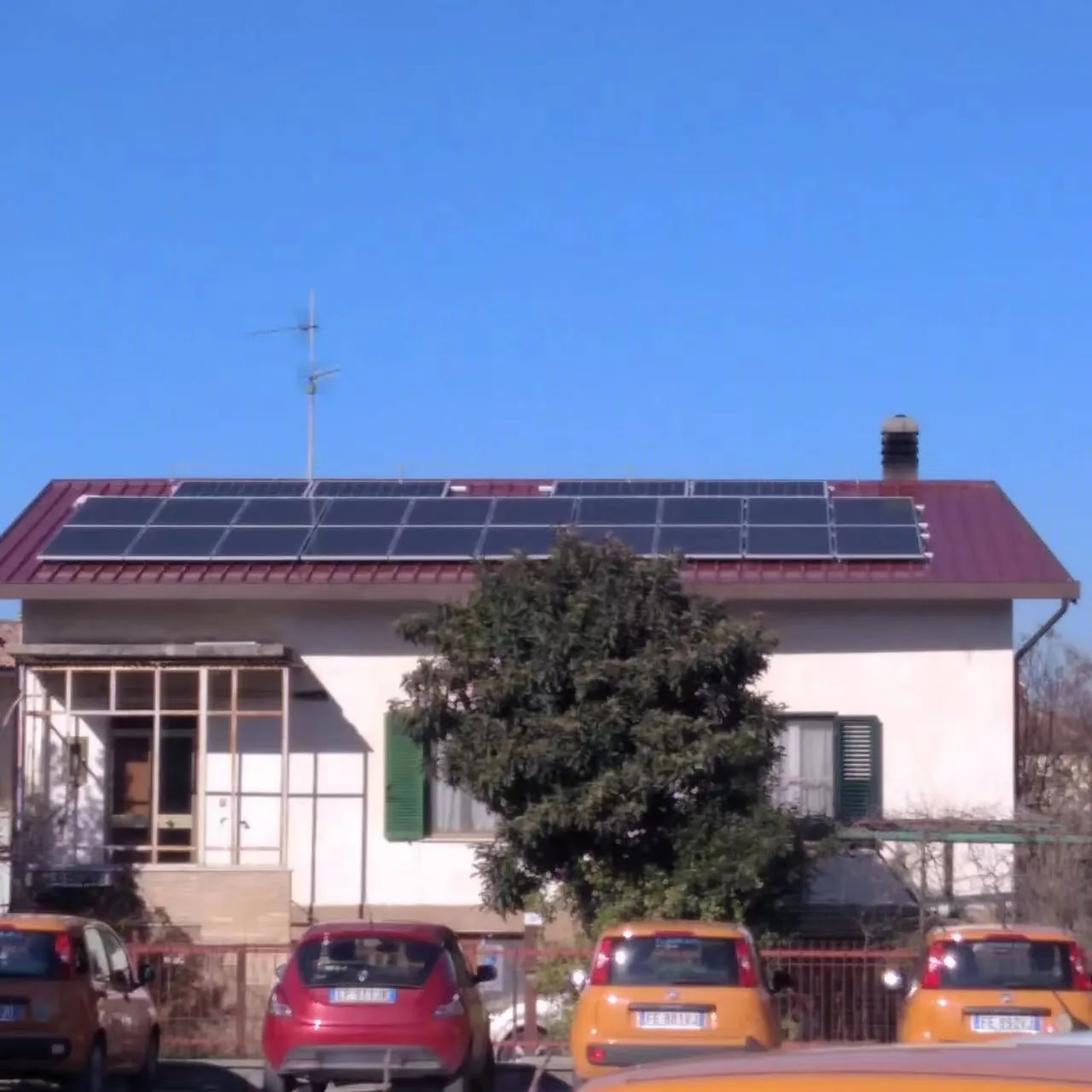
Playing Solar Detective: How to Spot PID Before It's Too Late
Notice uneven panel performance during morning inspections? PID doesn't announce itself with alarms. Like a doctor spotting subtle symptoms, here's your diagnostic toolkit:
Infrared Thermography
Catch "cold spots" indicating inactive cell sections during peak sun
Performance Data Analytics
Unexplained 5-30% annual yield drops in monitoring software
Visible Clues
Discoloration or dark patches on crystalline cell surfaces
Pro Tip: Schedule post-rain evaluations – moisture accelerates PID symptoms like spilled coffee stains on paper
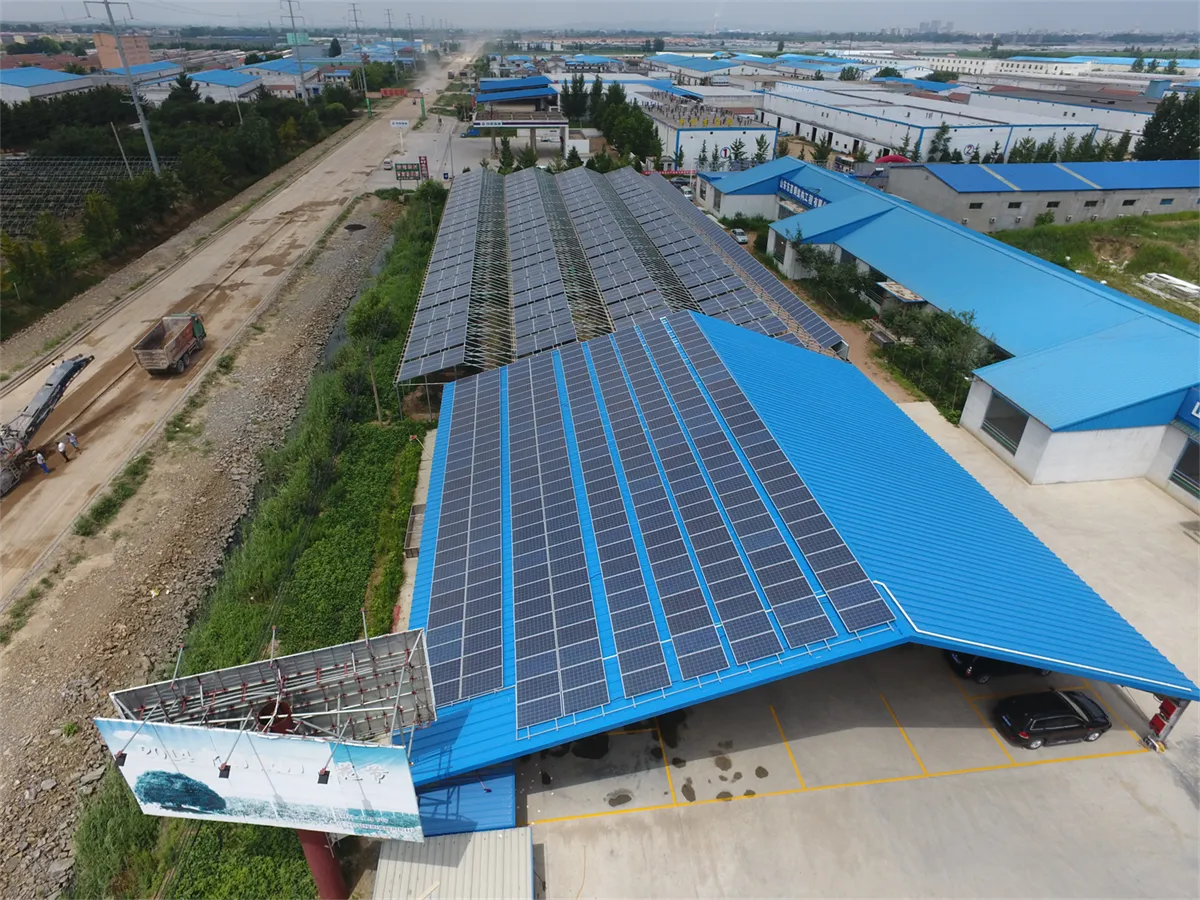
The Fix Is In: On-Site PID Reversal Techniques That Work
The Overnight Recharge Method
Just as we recharge phones nightly, panels need electrical "reset therapy." By applying reverse voltage to affected strings overnight:
- Targeted healing: Focuses on PID-impacted sections only
- Minimal disruption: Works while panels are inactive
- Typical results: Restores 92-99% original power in tests
Field Report:
After implementing nightly 6-hour reverse voltage cycles for 5 nights on a 500kW commercial array:
→ System output increased 24.3% at equivalent irradiance
→ Payback period: 11 months with no parts replacement
The Virtual Grounding Fix
Think of this as installing electrical "shock absorbers" for your system:
| Aspect | Traditional Grounding | Virtual Grounding |
|---|---|---|
| Installation Complexity | Extensive physical connections | Simple AC-side wiring |
| Maintenance | Monthly integrity checks | Fully automated |
| Cost Per Watt | $0.012 | $0.0035 |
Virtual grounding essentially tricks panels into behaving like they're properly grounded without physical connections, neutralizing the voltage differences that cause PID.
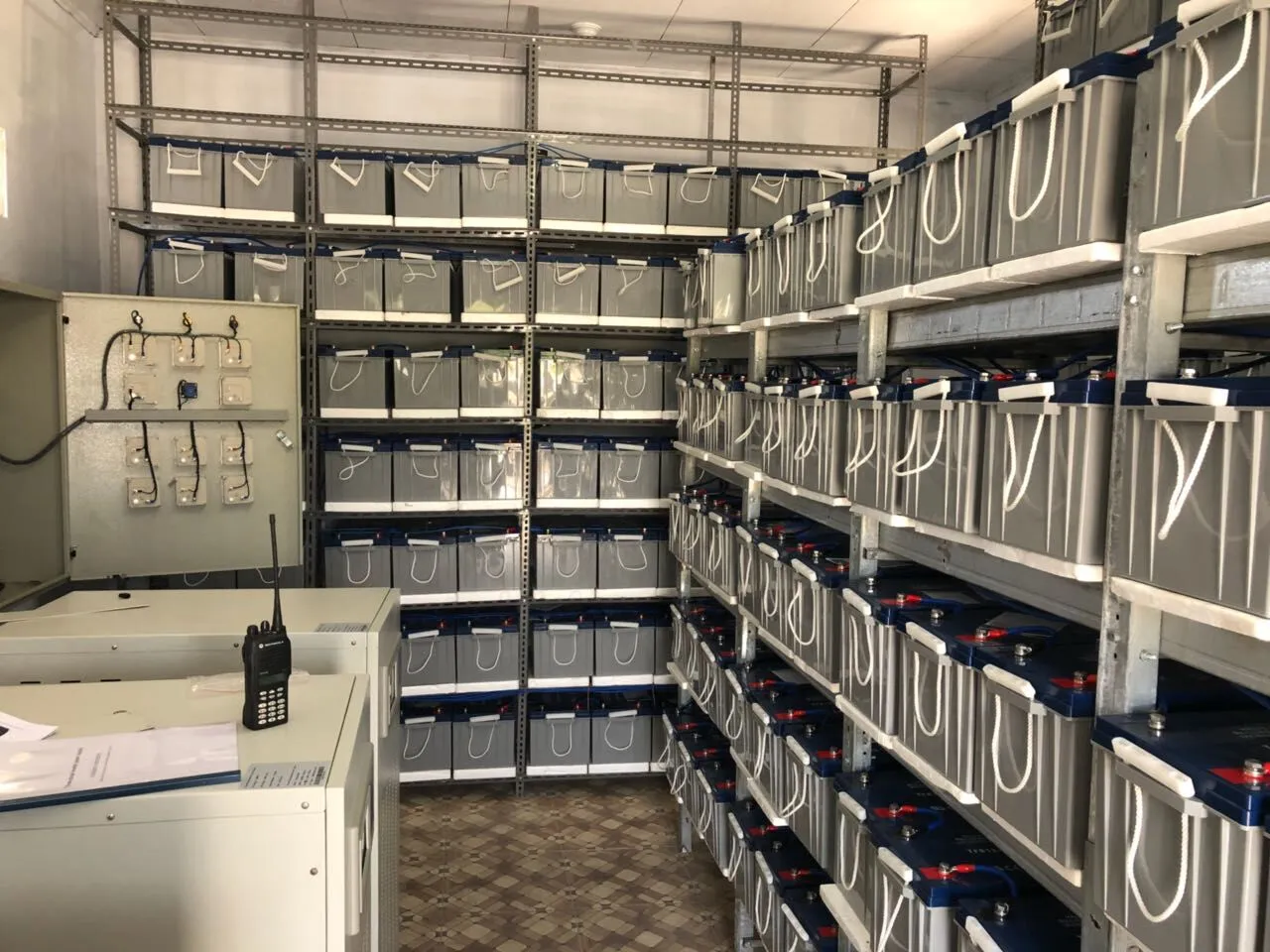
Future-Proofing Your System: Smart Prevention Strategies
Pairing PID repair with prevention creates bulletproof energy harvesters:
Panel Selection Criteria
- Third-party PID resistance certifications (IEC TS 62804)
- Double-glass panels reduce humidity infiltration
- Anti-PID coatings with accelerated test data
System Design Tweaks
- Optimal string sizing to manage voltage stress
- Intelligent grounding architecture
- Humidity-controlled combiner boxes
Remember: Like changing oil prevents engine damage, quarterly maintenance stops PID before it starts. Schedule impedance testing every season transition.
Real-World Wins: PID Reversal Success Stories
Florida Coastal Resort Recovery
The Challenge
34% power degradation in 14 months across beachfront installations
The Solution
Combined overnight reverse charging + virtual grounding
The Outcome
Full power restoration and stabilized output within 0.5% monthly variance – all while utilizing flexible stone wall panels for mounting structures
California Agricultural Operation
"We were ready to replace two entire arrays until discovering PID reversal. The virtual grounding installation took one technician half a day. Our monitoring showed immediate improvement, recovering $78,000 in lost production annually."
Your Custom PID Action Plan
| Timeline | Action Item | Tools Needed |
|---|---|---|
| Daily | Monitor power yield vs irradiance curves | SCADA software |
| Monthly | Check PID susceptibility indicators | Infrared camera |
| Quarterly | Perform impedance testing on random panels | Micro-ohmmeter |
| Annually | Full array EL scan | Portable EL tester |
| As Needed | Implement reverse voltage cycles | PID restoration unit |










