
How sustainable energy solutions transform healthcare delivery where traditional power grids can't reach
Picture this: A mother in labor needs an emergency cesarean section at a clinic in rural Zambia. The medical team is prepared, but midway through the procedure, the lights flicker and die. Backup generators cough but refuse to start. This isn't fiction – it's daily reality across remote medical stations worldwide. When power fails, lives hang in the balance.
"Healthcare without electricity is like surgery without anesthesia. You might survive the experience, but the costs are brutal." – Dr. Anika Patel, Médecins Sans Frontières
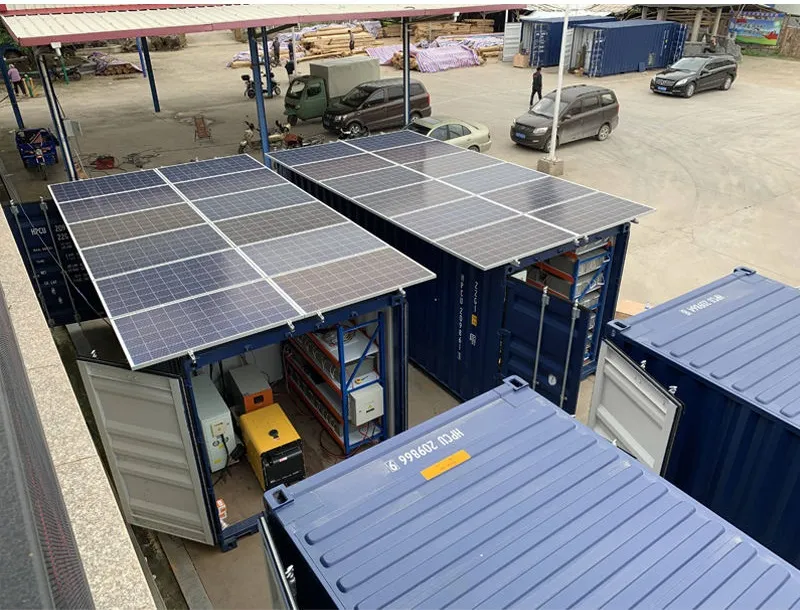
The solution? Off-grid solar systems designed specifically for medical facilities in remote locations. Unlike temporary fixes, these aren't just panels on rooftops. They're comprehensive power ecosystems designed to keep incubators humming, vaccines chilled, and operating theaters lit through monsoons and dry seasons alike.
In Tanzania's Kigoma region, 70% of rural health clinics experience daily power cuts. Midwives deliver babies by phone flashlight. Vaccines spoil in heat-compromised refrigerators. X-ray machines collect dust as expensive paperweights.
This problem spans continents:
The traditional stopgaps – diesel generators, car batteries rigged to equipment, candlelit procedures – aren't just unreliable; they're dangerous and expensive.
What distinguishes a true medical off-grid system? Unlike standard residential setups, these demand:
Core Component 1: Solar Panels with Oversized Capacity
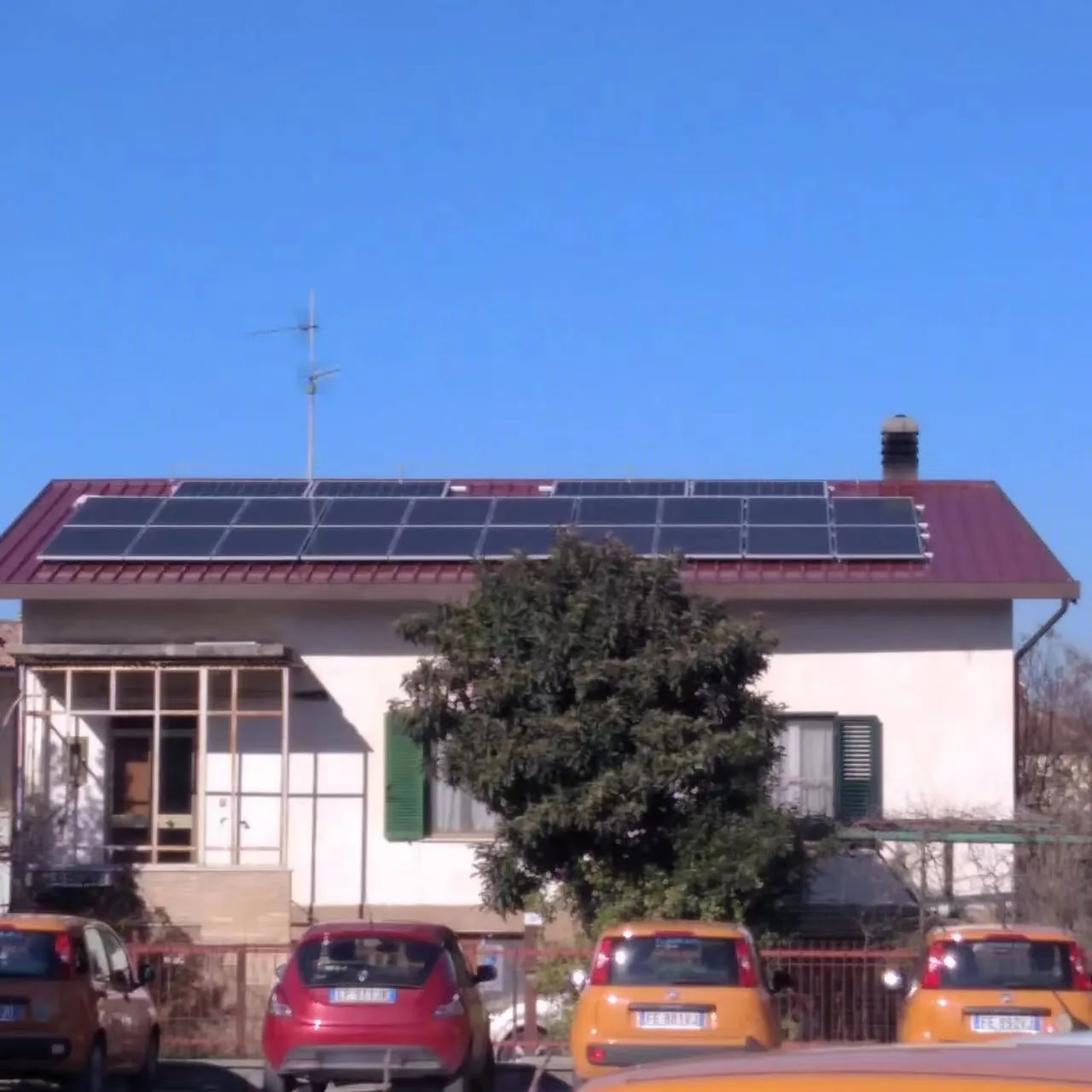
Medical-grade systems install 25-40% more panel capacity than calculated needs. Why? Cloudy days, dust storms, or unexpected equipment additions can't compromise care.
Core Component 2: Smart Hybrid Inverters
These aren't simple converters. Think traffic controllers for power:
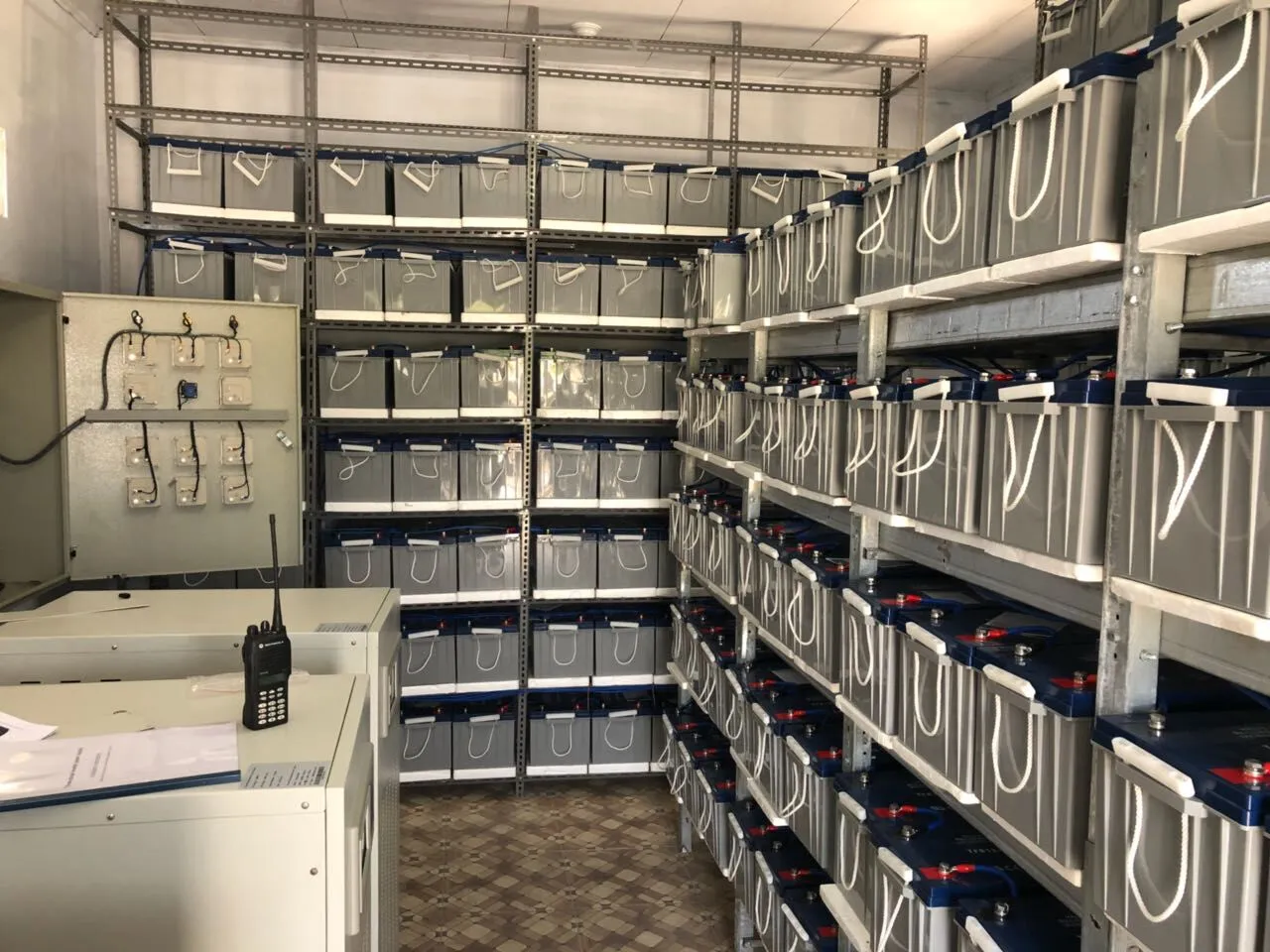
Core Component 3: Battery Banks Designed for Emergencies
Unlike typical solar batteries, medical versions guarantee power through extended storms:
Consider Malawi's Nkhata Bay clinic:
"Before solar, we canceled night deliveries. Now, our maternal mortality rate dropped 58% in 18 months. Solar panels did what training programs couldn't - they gave us light when lives depended on it."
Clinical improvements documented:
The real magic? How systems adapt to unpredictable conditions:
Predictive Load Balancing: AI algorithms "learn" clinic routines:
Remote Diagnostics:
Technicians in Nairobi monitor 47 clinics across Kenya. Receive SMS alerts for:
Solar panel suppliers have become critical partners in this ecosystem. These specialists don't just sell panels; they architect resilience. When selecting solar panel suppliers for medical facilities, key differentiators include experience with healthcare-specific power stability requirements and remote monitoring capabilities.
Installing isn't plug-and-play:
Challenge 1: Transport
How do you get 800kg battery banks to roadless locations?
Challenge 2: Maintenance
Solution: Training local "Solar Medics" – dual-trained as:
The true measure? Moments when electrons equal survival:
Case 1: Typhoon Response
(Philippines):
During 2023's Typhoon Doksuri, a solar-powered clinic maintained:
Case 2: Pandemic Management
(Malawi):
When cholera hit Dowa district, a solar array:
We're beyond proof-of-concept. What's next?
Innovation 1: Integrated Microgrids
Pairing medical facilities with:
Innovation 2: Equipment Co-Design
Medical device manufacturers collaborating directly with solar engineers:
Ultimately, it's not about panels or kilowatt-hours. It's about dignity:
"Before solar, we told mothers 'Come back tomorrow for stitches' because we couldn't see. Now when they thank me for saving their baby, I say thank the sun – it's the only surgeon who never sleeps."
The metrics matter – reduced mortality rates, efficient vaccine programs, expanded services. But the unmeasurable? A midwife's confidence when lights stay on during complicated births. A lab tech's relief knowing malaria tests won't spoil in heat. Communities trusting that healing spaces remain places of hope, even when darkness falls.
Scaling these solutions demands:
The tools exist. The need is undeniable. Every hour of sunlight wasted is potential energy for saving lives. We know how to harness that power – now we must prioritize lighting every corner where care happens, however remote.
Recommend Products












