


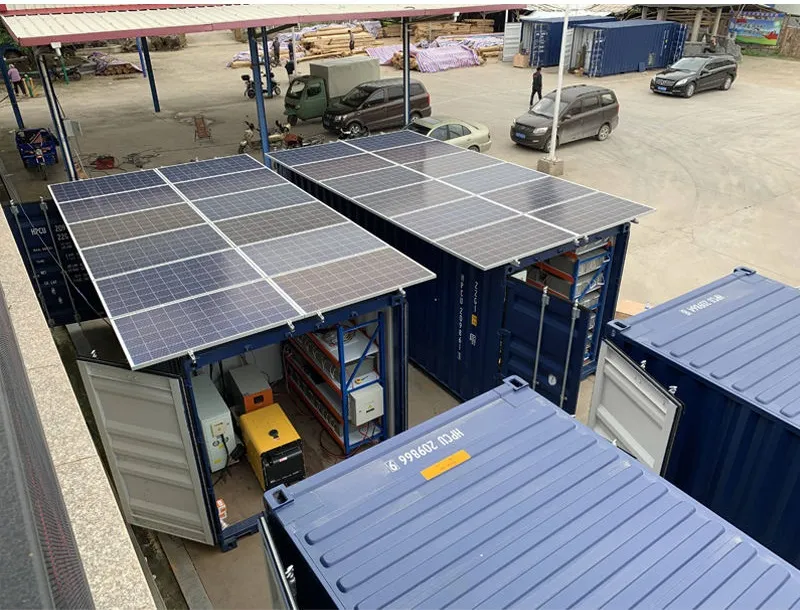
The Silent Dilemma: Keeping Towers Alive Off the Grid
Picture this: a communication tower standing tall in rural Zambia, or perched high in the Peruvian Andes, completely disconnected from any power grid for miles around. How do we keep the lifeblood of modern connectivity – the signals that enable emergency calls, financial transactions, and vital infrastructure – flowing without reliable electricity?
This isn't some abstract technical puzzle – it's a real-world challenge that keeps network engineers awake at night. Traditional solutions like diesel generators might seem like a quick fix, but they come with logistical nightmares: constant fuel deliveries through impossible terrain, pollution, and the inevitable failures during severe weather events. The more isolated the tower, the more critical the need for an approach that doesn't rely on trucks making risky journeys every few weeks.
The frustration you'd feel if your important conference call "dropped off" during a critical moment? Multiply that by the essential nature of keeping remote communities connected to emergency services, market prices for farmers, and vital medical consultations.
"In regions lacking grid access, solar isn't just an option – it's the smartest answer to a persistent infrastructure challenge. Every kilowatt-hour generated is money saved on helicopter fuel deliveries."
From Sunshine to Signal: The Mechanics That Make It Work
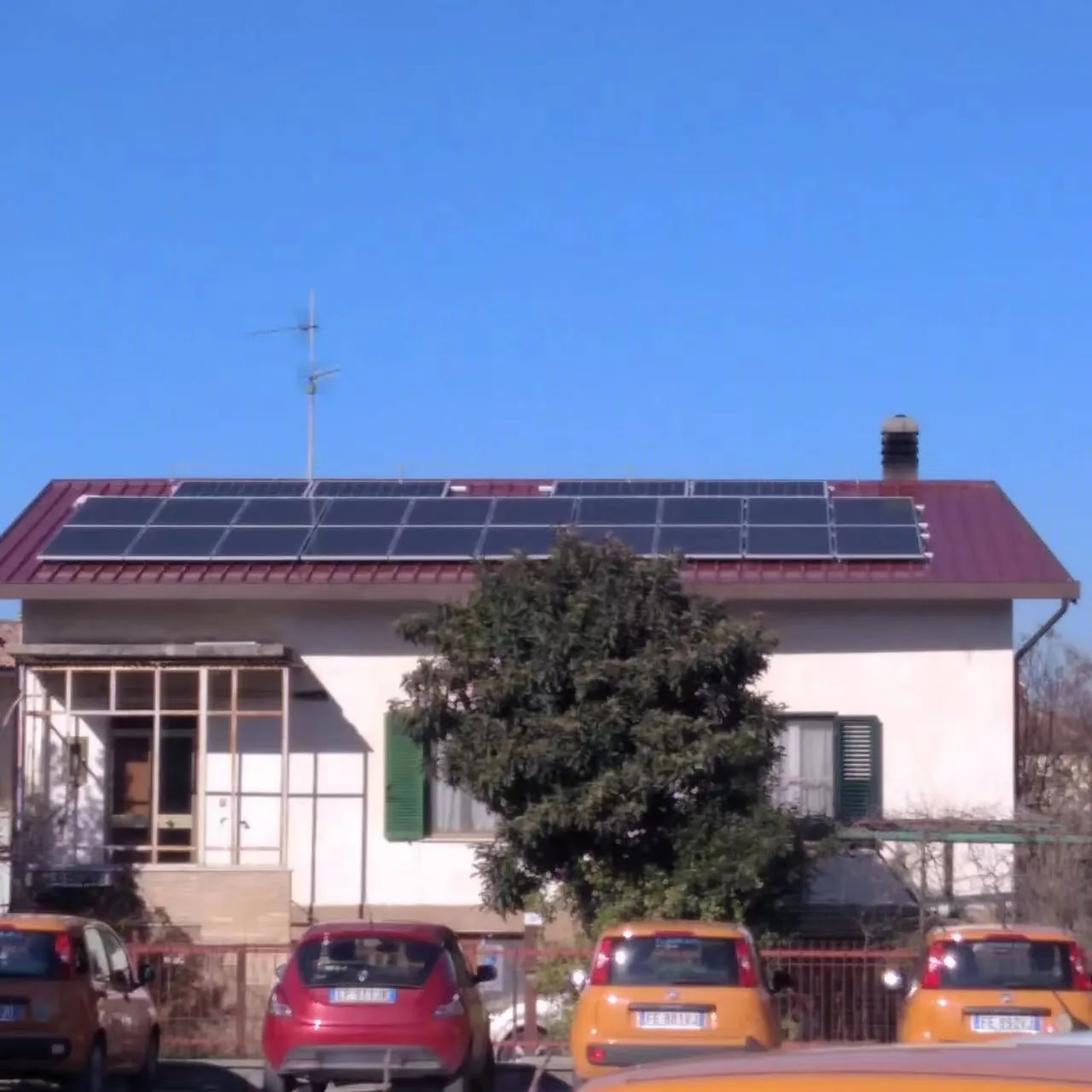
So how does this solar magic actually function? Forget complicated jargon – think of it like a sophisticated phone charger that never needs plugging in. Solar panels convert sunlight directly into electricity through something called the photovoltaic effect. While the technical physics might get intricate, the practical result is simple: free electrons start flowing when the sun hits those blue-black silicon surfaces.
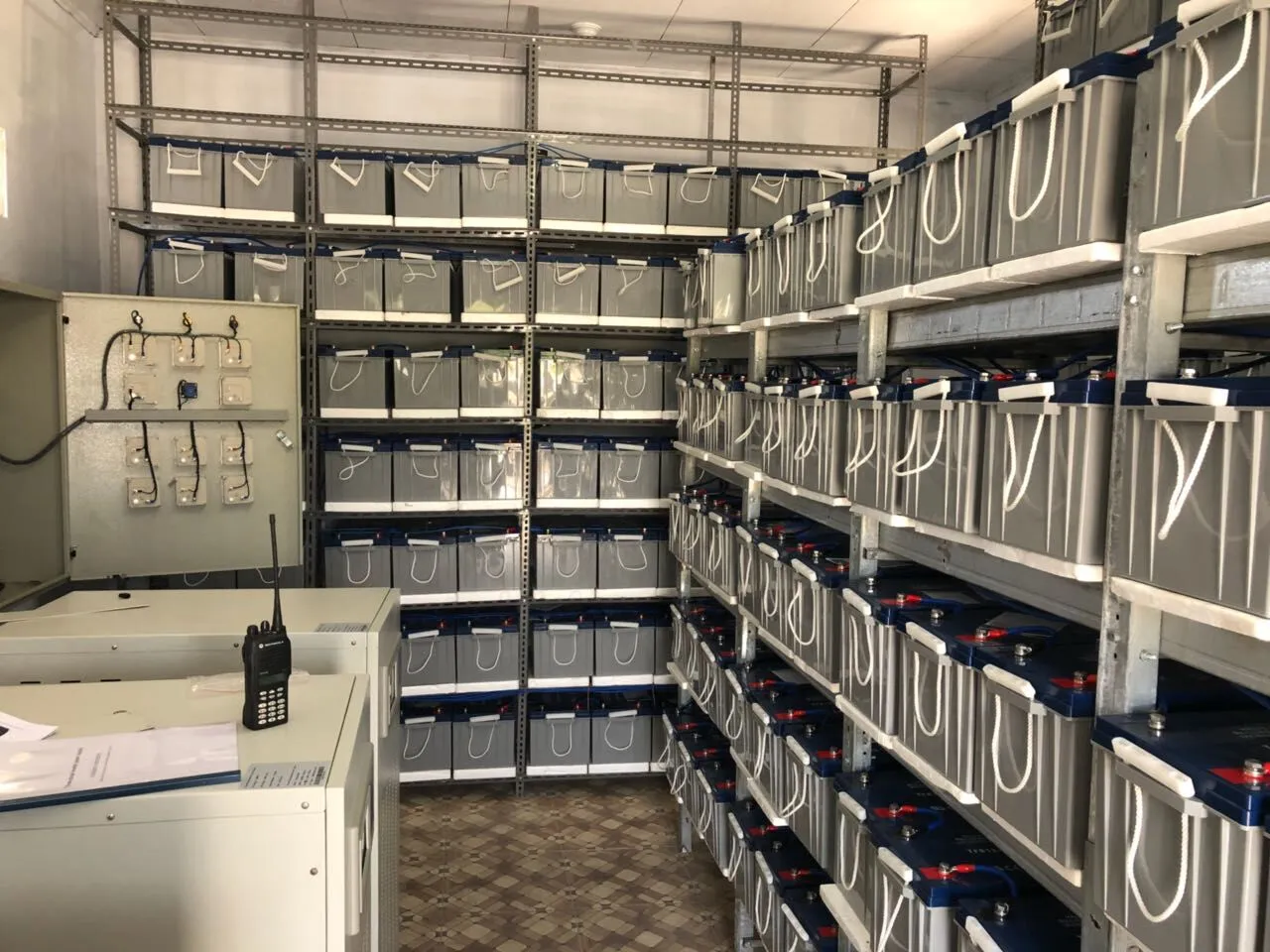
But here's where it gets interesting: communication towers don't just need power during sunshine hours. Networks run 24/7. That's where battery systems come in – and this isn't your average car battery. We're talking about industrial-scale energy storage solutions that collect excess solar energy during peak daylight and release it when needed. Modern lithium-ion batteries provide remarkable efficiency compared to older lead-acid versions, meaning more uptime per square meter of panel.
"Why can't we just use one massive battery instead of all these panels?"
We actually see this misconception quite a bit. Batteries don't create power – they merely store it. Without solar panels doing the initial energy generation during the day, you'd run through the battery charge within hours. Solar+battery creates a continuous cycle where sunlight refuels the storage system daily.
The design considerations can feel overwhelming though. Too few panels? You'll have brownouts during cloud cover. Too many? That's wasted budget money sitting on mountain tops. Engineers have developed sophisticated prediction models balancing historical weather data, energy consumption patterns, and battery chemistry to achieve that magical sweet spot – what we call energy autonomy .
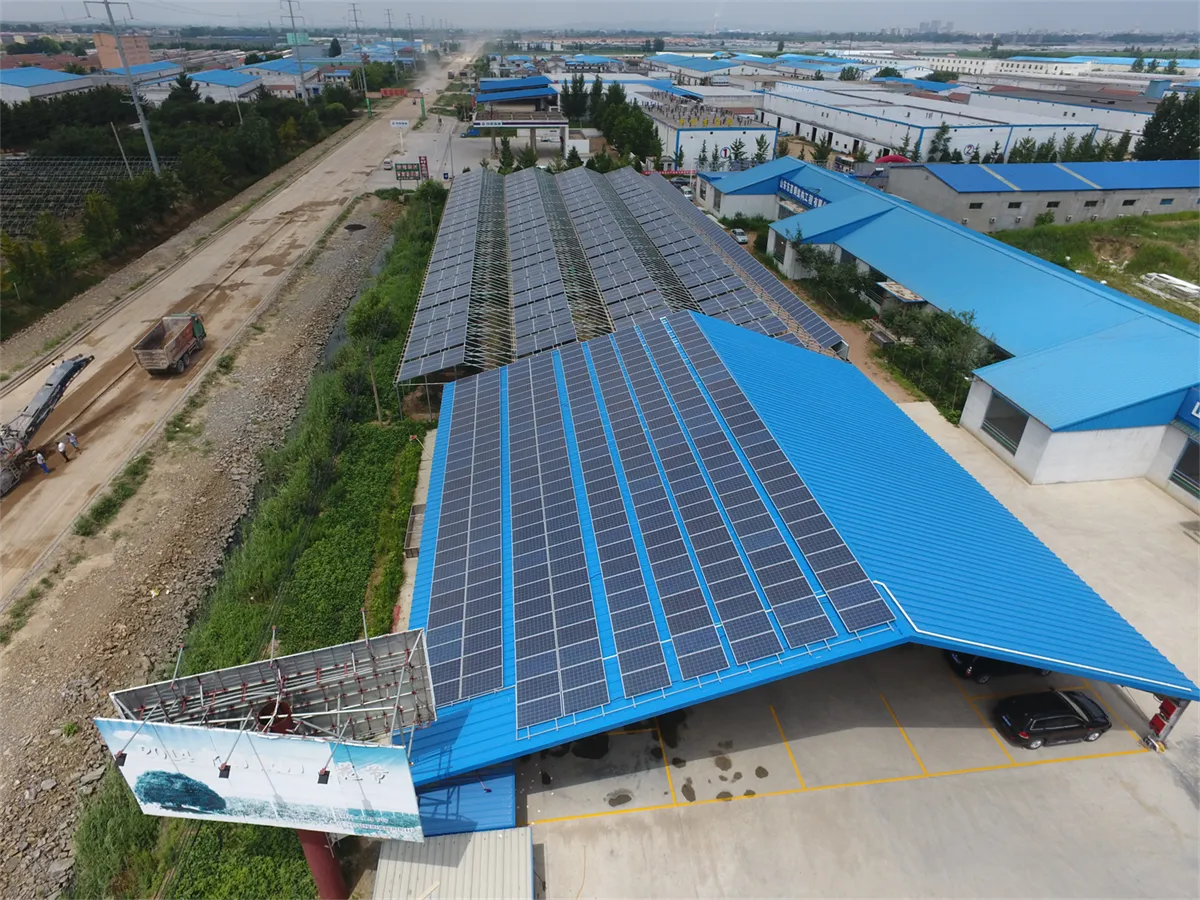
Real-World Battles: Where Theory Meets Dust, Wind, and Rain
Let's get real – it's one thing to sketch out solar solutions in an air-conditioned engineering lab, and entirely another to implement them where it matters most. One project coordinator in Kenya recounted:
"We thought we'd calculated everything perfectly for a tower location near Turkana – solar radiation maps, terrain analysis, energy consumption profiles. Then the dust storms started. Within three months, the panels looked like frosted glass."
This is where intelligent engineering solutions come into play. Simple innovations like dust-repellent coatings, self-cleaning mechanisms using rainwater, and strategic angled installations help systems cope. It's like how plants evolved waxy leaf coatings to deal with dry conditions – practical adaptation for harsh environments.
Then there's wildlife interference to consider. In India, monkeys kept disconnecting cables out of curiosity. In Australian outback installations, large birds mistook towers for perfect nesting spots. Each environment presents unique headaches requiring equally creative solutions:
- Extreme cold: Special low-temperature batteries that don't freeze
- High humidity: Corrosion-resistant enclosures and nano-coatings
- Intense sun: UV-stabilized polymer coatings for panel longevity
- Altitude challenges: Pressure-compensated systems for mountain installations
Maintenance routines become critical when technicians might only visit quarterly. That "just dispose off" attitude doesn't cut it here – every screw, connector, and cable management system needs to withstand years of environmental battering.
Human Impact: More Than Just Technical Success
Beyond the impressive engineering accomplishments, what really makes these projects worthwhile is how they transform lives on the ground. In rural Indonesia, a network of solar-powered towers enabled mobile banking for the first time, freeing fishermen from predatory lenders who charged outrageous fees to convert their catch into cash. As one local provider put it:
"Before the tower came, our clinic could barely communicate with regional hospitals during emergencies. Today, we send ultrasound scans for remote diagnosis during complicated births. It's not hyperbole to say this technology has saved mothers and babies."
Consider the educational impact: students who previously needed to walk miles to access learning materials can now download textbooks directly. Remote agricultural extension services broadcast updated farming techniques. This technology creates cascading benefits through communities.
The economics are equally compelling. Where tower locations might have cost upwards of $20,000 annually in diesel alone (plus hazardous transportation), operational costs plummet with solar solutions. Reduced carbon footprints turn into marketable ESG achievements for telecom companies. But perhaps most importantly:
- Reliability improves (no more waiting for fuel trucks during floods)
- Maintenance windows become predictable (scheduled inspections rather than emergency repairs)
- Technical staff can focus on optimization rather than crisis firefighting
Beyond Today: Where Innovation Takes Us Next
Looking forward, emerging technologies promise even greater resilience. Hybrid systems combining solar with compact wind turbines harness multiple weather patterns simultaneously. Advanced machine learning algorithms now predict energy shortfalls 72 hours out, proactively managing tower functions to conserve power before storms hit.
Innovation isn't just about the hardware either. New business models are emerging where companies deploy "tower-as-a-service" using solar power as the backbone. This changes the entire economic equation, allowing communities to pay only for connectivity rather than shouldering infrastructure costs themselves.
"What's the biggest misconception about these solar tower systems?"
People often think they're fragile solutions that barely work. The reality is exactly opposite – with proper engineering, these systems survive typhoons, sandstorms, and extreme temperatures more reliably than fossil fuel alternatives. They're not stopgaps but superior replacements.
Practical challenges remain of course – the initial capital investment remains substantial despite falling panel prices. Skills shortages plague remote deployments. But as one field engineer in Mongolia noted:
"We used to spend 40% of our time dealing with fuel logistics for generators. Now? We clean panels twice annually and optimize battery cycles through remote monitoring. The productivity shift is incredible."
Even manufacturing innovations promise breakthroughs. New perovskite solar cells could dramatically increase conversion efficiency while reducing production costs. Integrated power-over-Ethernet systems potentially remove entire layers of power conversion equipment.
Final Thoughts: Connecting the Unconnected
At its heart, powering remote communication towers with solar isn't just an engineering exercise – it's about human dignity and development. Consider fishermen who can now know fair market prices before coming ashore. Think about parents getting emergency alerts about approaching storms. Reflect on medical workers consulting with specialists during complex procedures.
The economics stack up impressively, but the human impact resonates deeper. Every solar panel installed isn't just converting photons to electrons – it's converting isolation into community. It transforms "no signal" dead zones into thriving nodes of economic and social activity.
This technology won't solve every connectivity challenge overnight, but it provides the critical foundation. Rather than waiting decades for traditional power grids to reach remote areas, solar solutions offer lifelines today at exponentially falling costs.
From a broader infrastructure perspective, what we learn from these installations applies universally. The principles developed on mountain tops inform how we'll build disaster-resilient urban infrastructure. The battery innovations pioneered here accelerate electric vehicle adoption globally.
So next time your video call glitches because your internet connection "dropped off," imagine those remote towers quietly humming with solar power. They're keeping someone's emergency call connected where it matters most – because in connectivity, reliability isn't a luxury but the entire point.










