


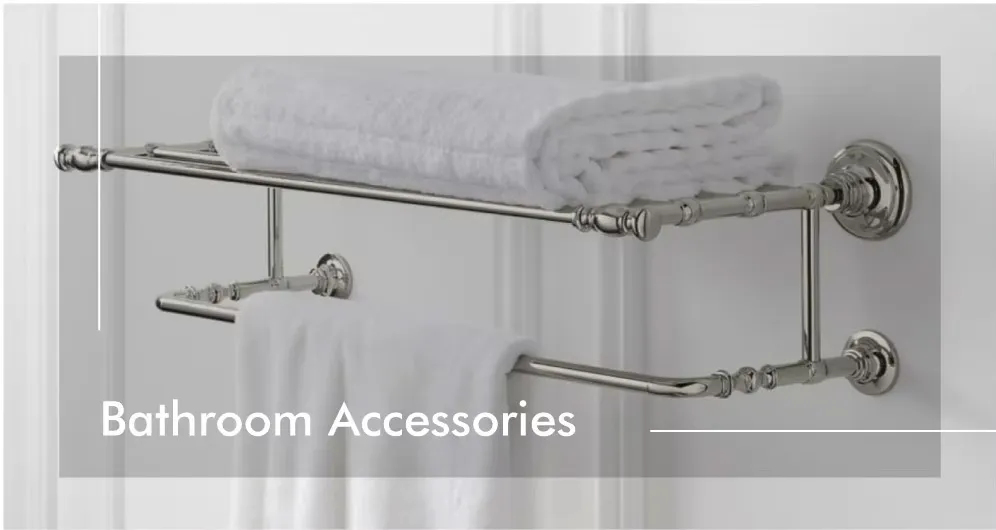
Picture this: You've designed the perfect bathroom accessory – sleek, functional, and exactly what modern homeowners want. But as you prepare to enter the lucrative North American market, a regulatory wall stops you in your tracks. That invisible barrier is CUPC certification, and without it, your product might as well be invisible to buyers.
Don't let technical jargon or complex processes intimidate you. This guide isn't about dry regulations; it's about unlocking doors to millions of potential customers. We'll walk through the certification process together, with real-world insights that turn compliance headaches into competitive advantages.
Why CUPC Matters More Than You Realize
CUPC certification isn't just a bureaucratic checkbox – it's a promise of safety and reliability. When plumbing products fail, the consequences ripple far beyond inconvenience. Leaks become water damage, material defects become health hazards, and design flaws become expensive recalls.
Without CUPC
- Rejected at customs
- Construction permits denied
- Contractors won't install
- Increased liability risks
- Retailers refuse listings
With CUPC
- North American market access
- Code compliance assurance
- Architect/contractor preference
- Reduced liability exposure
- Big-box retailer eligibility
Consider this: Major North American retailers and distributors won't even glance at your product without the CUPC mark. It's not merely optional – it's fundamental market entry currency.
The Critical Difference: CUPC vs UPC Explained
Many manufacturers assume UPC (Uniform Plumbing Code) and CUPC are interchangeable. This misunderstanding has sunk countless product launches. Let's clear this up simply:
That 'C' changes everything. It stands for Canada, meaning CUPC certification simultaneously satisfies requirements for both US and Canadian markets. It's like having dual citizenship for your bathroom accessories!
The Certification Journey: Step-by-Step
Embarking on CUPC certification feels less intimidating when you understand the road ahead. Here's what the full process looks like:
Preparation Phase
Before submitting paperwork, ensure your product meets material standards including lead-free requirements (less than 0.25% lead content). Gather technical drawings, material safety data sheets, and test reports you already have.
Application Submission
Work with IAPMO (International Association of Plumbing and Mechanical Officials) to complete formal documentation. This includes disclosing manufacturing locations and quality control processes.
Laboratory Testing
Your products undergo rigorous testing, including:
- Pressure resistance up to 150 PSI
- Temperature cycling (extreme hot to cold)
- Hydrostatic stress testing
- Material leaching analysis
Factory Inspection
Auditors visit manufacturing facilities to verify consistent quality control. They'll examine everything from raw material sourcing to final inspection protocols.
Certification grant
Successful products receive CUPC listing in IAPMO's database with permission to display the CUPC mark – your golden ticket to market.
Insider tip: Budget 3-6 months for the complete process. Starting early prevents costly launch delays.
Your Burning Questions Answered
Is CUPC legally required everywhere?
While not federally mandated, most states/provinces adopt plumbing codes requiring certified products. Even where not legally required, major distributors mandate it.
How much does certification cost?
Costs vary significantly by product complexity. Budget $3,000-$15,000 for application/testing plus ongoing renewal fees. Consider it market-entry investment, not expense.
Do decorative accessories need certification?
Any accessory handling water or connecting to plumbing requires certification. This includes waterfall faucets, digital shower controllers, and illuminated mirrors with plumbing integration.
How long is certification valid?
Initial certification requires annual renewal with random product testing. Major design changes trigger re-testing. Remember, maintaining standards is as crucial as meeting them.
Verification: How Buyers Confirm Your CUPC Status
Sophisticated buyers don't just take your word for certification. They actively verify through:
- IAPMO's Online Directory: The official database listing all certified products
- Physical Markings: Legitimate CUPC marks include unique certification numbers
- Document Requests: Reputable buyers ask for certification copies matching product numbers
A design client seeking integrated bathroom solutions recently shared: "We've learned to verify every claim. Counterfeit certification costs more than delaying a project." Trust, but verify – that's their approach.
The Final Word on CUPC Certification
CUPC certification transforms from intimidating requirement to powerful advantage when you understand it deeply. It's not just about compliance – it's about demonstrating your commitment to quality that resonates with buyers.
Approach certification not as a regulatory hurdle, but as an investment in your product's integrity and marketability. The companies that embrace CUPC as a core quality process rather than a last-minute checklist are the ones that build lasting success.
Your journey to North American market access begins with a single step toward certification. Make that step confidently, armed with the insights that turn compliance into competitive advantage.










