
The bathroom isn't just where we start and end our days anymore—it's becoming ground zero for sustainability. As we scrub and shower, an eco-revolution is bubbling beneath the surface where environmentally friendly building materials transform humble soap dishes and shower caddies into statements of planetary responsibility.
You've probably seen those sleek bamboo toothbrush holders in design magazines or noticed recycled glass soap dispensers in boutique hotels. They're not just pretty faces in the sustainability movement—they represent a fundamental shift in how we think about our most private spaces. What if every flush, every faucet turn, could actually help heal the planet?
The journey starts with manufacturers realizing that sustainability isn't a buzzword—it's a survival strategy. Brands that once specialized in chrome and plastic are now experimenting with reclaimed ocean plastics, bamboo composite, and even recycled coffee grounds for texture. It's like your morning latte might eventually become your shower shelf—how's that for circular economy?
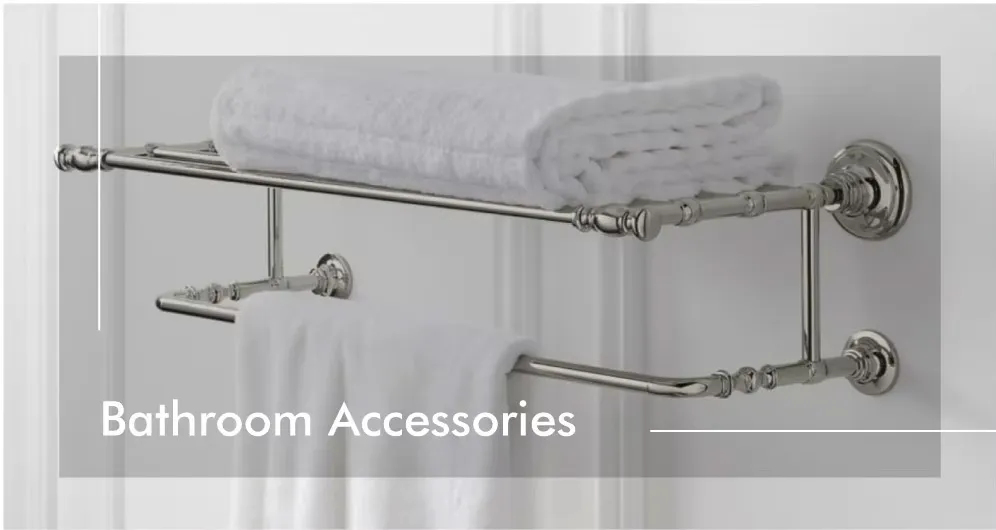
Consider your towel rack: traditionally metal or plastic. Now imagine one made from salvaged fishing nets or recycled aluminium that uses 70% less energy to produce than virgin materials. Or that sleek soap dispenser that started life as a milk jug. These innovations represent far more than eco-friendly alternatives—they're redesigning our relationship with everyday objects.
Our bathrooms hide some surprising environmental impacts. Think about it: constant moisture exposure means we replace accessories more frequently than bedroom or living room items. That discarded plastic soap dish? It'll outlive your great-grandchildren in a landfill. Traditional metal fixtures? Mining operations that scar landscapes and drain water resources.
Recyclable alternatives solve both problems. Manufacturers like Hansgrohe have committed to closed-loop systems where 95% of materials get reused. When your showerhead eventually wears out, it returns not to a dump but to be reborn as new products. This cradle-to-cradle thinking transforms waste into resource—exactly what our planet desperately needs.
The real magic happens in material science labs where unexpected substances get bathroom makeovers:
Bamboo Fusion: This fast-growing grass combines with recycled polymers to create startlingly durable surfaces. Unlike slow-growing hardwoods, bamboo matures in just 3-5 years while absorbing 30% more CO2 than equivalent forests. Your bamboo toothbrush holder literally cleans the air while holding your toothpaste.
Ocean Plastic Alchemy: Companies like Oceanworks transform fishing nets and plastic debris into premium-grade resin. The conversion process actually strengthens the material compared to virgin plastic. That beautiful aqua-blue hue? It's not pigment—that's the natural coloration of salvaged marine plastics filtered through proprietary cleaning systems.
Biodegradable Composites: Imagine a shower caddy that returns to soil rather than landfills. New cornstarch and mycelium blends designed for high-moisture environments offer intriguing solutions. They retain structural integrity during use but safely break down when composted—closing the sustainability loop completely.
The future isn't just recycled materials—it's intelligent conservation systems. Sensor-enabled faucets now come with "eco-meters" showing water usage in real-time. Luxury showers incorporate machine learning that memorizes your ideal temperature while shaving 22 seconds off warm-up time—critical energy savings multiplied by millions of users daily.
Consider self-cleaning surfaces impregnated with mineral nanoparticles. They harness condensation to create hydrophilic surfaces that rinse away soap scum effortlessly. This eliminates chemical cleaners while reducing scrubbing time—a double win for your schedule and the ecosystem.
The numbers tell the real story: homeowners switching to sustainable bathroom setups report 40% reduction in water use and 65% decrease in accessory replacement frequency. That's less plastic in oceans, less metal in mines, and more money staying in your wallet.
This movement creates fascinating ripple effects. Architects increasingly design "hydration walls" where faucets integrate with modular systems that grow air-purifying plants. Hospitals now commission antimicrobial recycled copper fixtures that passively kill pathogens between cleanings. Luxury hotels make their housekeeping carts mobile recycling centers where discarded amenities become tomorrow's bath trays.
The global shift proves equally compelling: European regulations now mandate recycled content thresholds for plumbing fixtures. California's Title 24 standards increasingly reward builders who incorporate water-saving recycled material fixtures. Even factories transform—instead of waste sludge, manufacturing residues get processed into decorative tiles.
What seemed like niche environmentalism has become commercial pragmatism. Manufacturers investing in recycling infrastructure now bypass volatile raw material markets. Consumers increasingly vote with wallets for brands demonstrating ecological responsibility. And designers discover that constraints breed creativity—limiting materials to recycled sources forces remarkable innovations in form and function.
Transitioning doesn't require demolition crews or bankrupting budgets. Start small:
1. When replacing accessories, prioritize items with recycled content labels—seek third-party certifications like Cradle to Cradle or declare
2. Support brands offering take-back programs where your old fixtures get recycled into new ones
3. Consider modular systems—mix-and-match components you can upgrade individually instead of replacing entire sets
4. Follow the moisture: Place humidity-loving plants like bamboo around sinks to create living air filters
5. Explore vintage—those solid brass fixtures from the 1940s? More durable and sustainable than any plastic modern equivalent
As market demand grows, prices continue falling. High-design recycled bath accessories now compete directly with conventional options while offering superior stories. That soap dish? It cleaned the Pacific. Those shelves? They rescued aluminum from landfills. What tales do your ordinary fixtures tell?
Ultimately, the trend goes beyond environmentalism—it represents a profound rethinking of human ingenuity. We're learning to thrive within nature's boundaries rather than pretending resources are infinite. The bathroom leads precisely because it's where we cleanse ourselves each day—now we can cleanse our environmental impact simultaneously.
Recommend Products












