
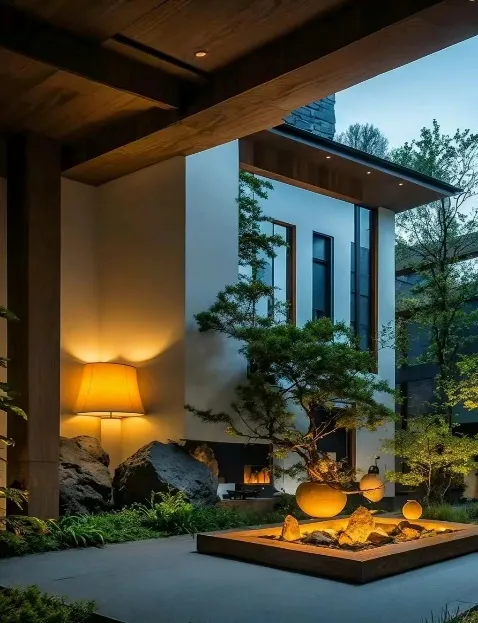
Outdoor lighting has come a long way since the days of simple incandescent bulbs. Today, we're not just illuminating our gardens - we're transforming them into nighttime wonderlands while being mindful of wildlife, energy consumption, and safety. But here's what you might not realize: unless your lights meet certain protection standards, you might be wasting money and creating unintended problems.
Imagine this: You install beautiful new garden lights only to find they fog up after the first rainstorm. Or they attract insects in swarms. Or worse - they cause annoying light pollution that bothers neighbors and disrupts local wildlife. This happens more often than you'd think, but it's completely avoidable when you understand the latest standards.
You've probably heard terms like "IP ratings" or seen the "DarkSky Approved" seal. These aren't just marketing jargon - they're crucial indicators that separate quality garden lighting from disappointing purchases. And here's what's new: regulatory bodies are increasingly requiring both environmental sensitivity and robust protection in outdoor lighting.
It's not just about durability anymore. Modern garden lighting needs to balance four critical factors: protection against weather elements, minimal ecological impact, energy efficiency, and aesthetic integration. When these align, magic happens - and that's what we're diving into today.
IP ratings sound technical, but they're actually straightforward once you crack the code. This two-digit system is your guarantee against nature's elements. The first number indicates protection against solids (like dust and debris), while the second covers liquids (rain, sprinklers, humidity). Higher numbers mean better protection.
IP ratings range from IP20 (basic indoor protection) to IP68 (submersible). For garden lights, you'll typically find these common ratings:
A light rated IP65 can withstand water jets from any direction. This matters for garden lights near sprinklers or in regions with heavy storms. But if you're installing path lights in a flood-prone area? That IP67 becomes critical when puddles form after heavy rain.
The solid protection digit is equally important. IP6X rated lights keep out fine dust particles, preventing insects from nesting inside your fixtures - a surprisingly common problem! Nothing ruins garden ambiance like opening a light fixture to find it packed with spiders and debris.
But here's where people get tripped up: not all lights need the same IP rating. Landscape uplighting protected by overhangs might only require IP44, while deck recessed lighting absolutely needs IP67. Matching the rating to your specific location prevents overspending while ensuring adequate protection.
Now let's talk about a standard that's changing outdoor lighting worldwide: DarkSky certification. While IP ratings protect your lights from the environment, DarkSky protects the environment from your lights.
Light pollution isn't just about stargazing - it disrupts ecosystems, wastes energy, and affects human health. The DarkSky International organization developed strict guidelines that help manufacturers create lights that illuminate your garden without creating sky glow or light trespass.
DarkSky Approved luminaires follow these core principles:
| Fixture Type | Max Lumens | Light Direction Rules | Special Requirements |
|---|---|---|---|
| Residential | 1,000 lumens | No upward light, source not visible horizontally | 3000K max color temperature |
| Commercial | No maximum | Max 0.5% uplight, strict side shielding | Shielding options must be available |
| Pedestrian | 10,000 lumens | Special angle restrictions above 1.2m height | Max intensity at 68° from nadir |
| Wildlife-Specific | 4,000 lumens | Zero uplight, special spectral requirements | Enhanced shielding & wavelength control |
What's genuinely revolutionary? Wildlife-specific lighting. For garden lights near sensitive ecosystems (like waterways attracting sea turtles), DarkSky Certified lights use amber wavelengths (560nm+) proven not to disrupt animal behavior. This thoughtful design approach means you can enjoy your garden knowing nearby wildlife isn't disturbed.
With these standards decoded, here's how to apply them when selecting lights:
Match IP ratings to your specific garden zones:
Note: Always check both the fixture AND connections - many waterproof lights lose protection at connection points.
When shopping, look for:
A certification trap to avoid: Some lights are sold with optional shields to meet DarkSky standards - but if shields cost extra and aren't included, they don't count!
For garden owners near protected ecosystems, consider Wildlife-Tuned fixtures with amber-spectrum LEDs. They cast a beautiful warm glow without the harsh blue wavelengths that confuse nocturnal creatures. Bonus: The warm light makes plants look more natural and creates cozy ambiance.
Even perfectly rated lights can fail if installed incorrectly. Follow these field-tested techniques:
Correct installation preserves those DarkSky certifications:
Here's an insider trick: When installing near property lines, use a light meter app at night. Walk your neighbor's side while lights are on. If you detect more than 0.5 foot-candles of light trespass, reposition fixtures until readings drop.
Standards evolve, so make choices that adapt:
Today's smart controllers let you:
Look for systems with DIN-rail mounted controllers - their industrial build quality far outlasts plastic consumer units.
Protect your investment with:
Consider upgrading paths to integrated wall panel systems with built-in lighting channels. These modular solutions offer sleek, contemporary looks while hiding wiring and making maintenance accessible.
Exceptional garden lighting combines art and science. By selecting high-protection-level fixtures that respect DarkSky principles, you create spaces that delight without compromising ecological responsibility.
The beautiful truth? Responsible lighting often looks better anyway. Precise beam control creates stunning contrasts between illuminated features and dark backgrounds. Warm white LEDs render plants more naturally than harsh blue alternatives.
So next time you're planning garden lighting, think beyond basic specs. Choose lights that carry legitimate IP ratings suitable for their placement. Seek out DarkSky certification for eco-conscious designs. Install thoughtfully to maximize beauty while minimizing environmental impact.
Your nights will transform into enchanting experiences - the subtle glow of path lighting guiding visitors, accent lights revealing textural details of stone and foliage, maybe water features shimmering with underwater LEDs. All working in harmony with nature rather than fighting against it.
That's the future of garden lighting: less pollution, more wonder. And it's available now for gardens of every size.
Recommend Products












