
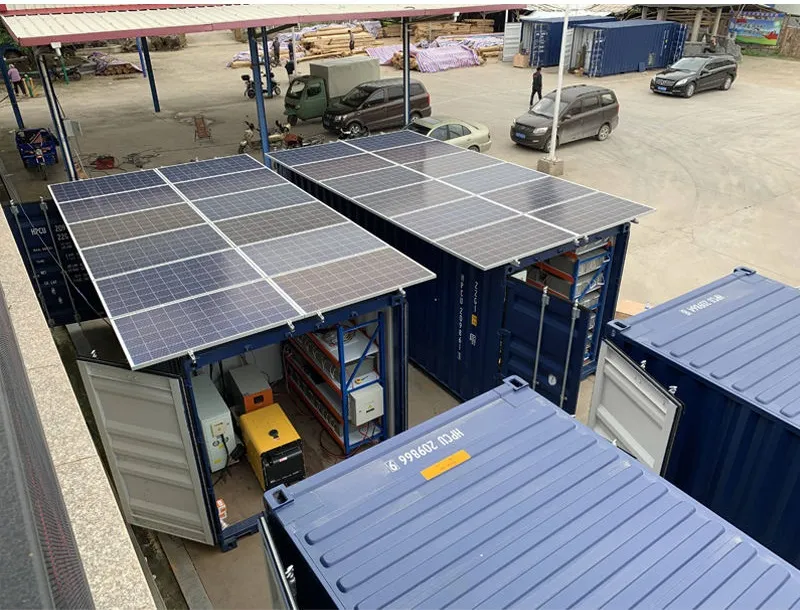
If you’ve spent time under the blazing desert sun, you know it’s more than just a warmth—it’s a force to be reckoned with. That same power fuels a solar energy revolution across the Middle East. Picture vast desert expanses shimmering with solar arrays, pushing clean energy generation forward—until scorching heat strikes. It’s the silent killer slowing down efficiency, cracking panels, and creating headaches for project developers. That’s why today, we’re unpacking the landmark certification requirements designed specifically for these desert giants.
Think of these regulations as survival gear for your panels. They push manufacturers, project planners, and installers to rethink solar tech when thermometers hit 50°C+. What’s driving this change? Three big players: Abu Dhabi’s Dubai Clean Energy Strategy 2050 , Saudi Arabia’s quest for PV dominance, and rising demand for rooftop installations in Turkish cities. Plus, the Gulf’s dream to lead global green hydrogen? Yep, that’s part of it, too.
Across the Middle East, utility-scale solar is booming—think Dubai’s Mohammed bin Rashid Solar Park hitting 5GW and Saudi aiming for 40GW by 2030 . But beneath these bold numbers lies a reality: these high-efficiency 550W+ panels cook faster in desert conditions. Standard silicon-based PV modules lose ~0.5% efficiency per degree above 25°C. And let’s be real—when panels bake at 70°C, it hits ROI harder than desert sand in your shoes.
For projects like UAE’s Al Ajban solar plant , temperature derating means daily energy shortfalls. This is where new certification changes the game. Instead of global standards written for mild climates, we now have localized protocols mimicking Middle Eastern extremes. Labs replicate dust storms, humidity spikes, and 55°C test cycles. Failing isn’t an option—it means your project’s efficiency targets won’t survive summer.
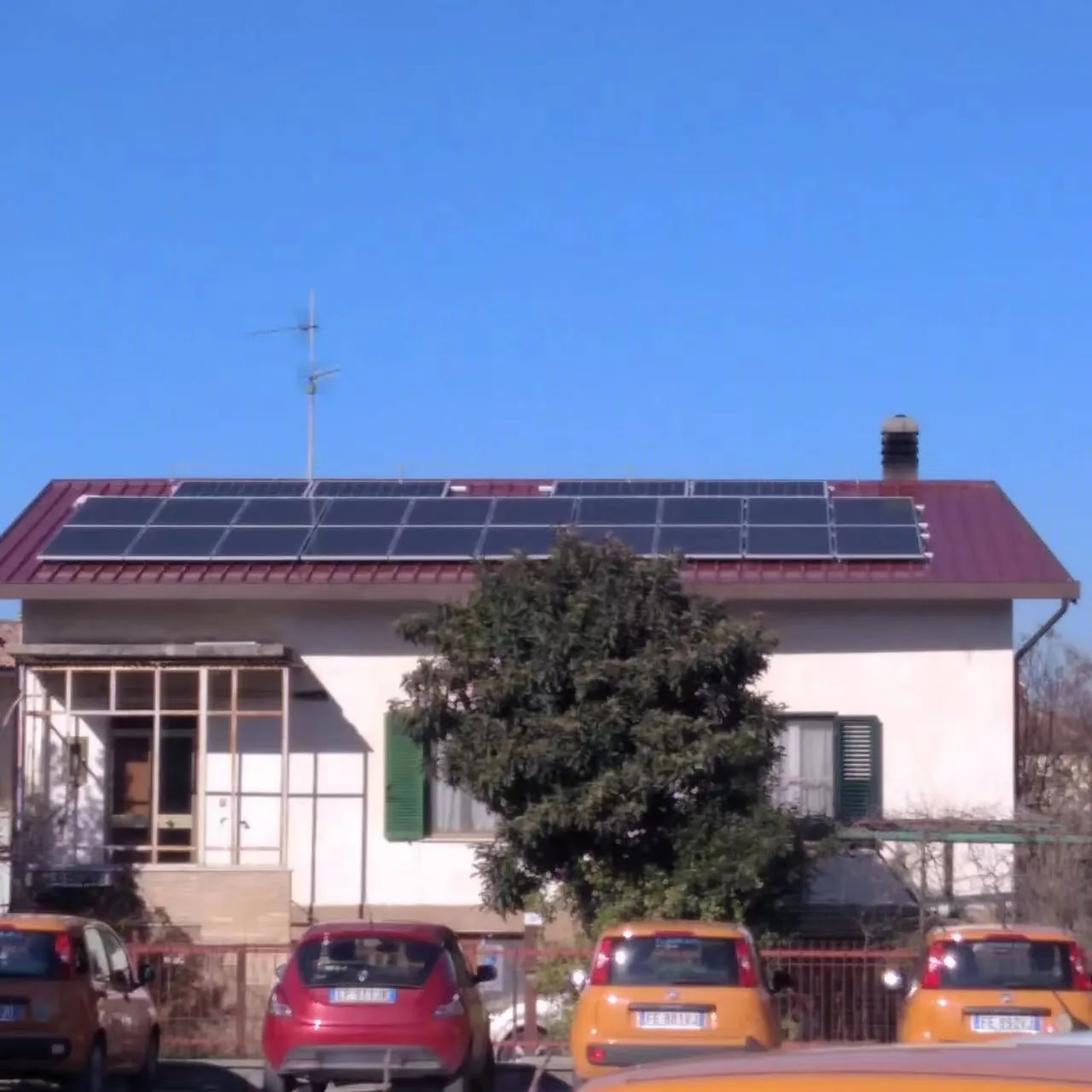
Traditionally, IEC 61215 testing stopped at 85°C—well below desert operational peaks. The Emirates Authority for Standardization & Metrology (ESMA) raised the bar:
It’s like putting panels through a desert boot camp. Manufacturers share stories of glass cracking during thermal stress tests or backsheets fading faster than sun-bleached billboards. Passing means redesigning everything—anti-reflective coatings, encapsulation materials, even junction boxes.
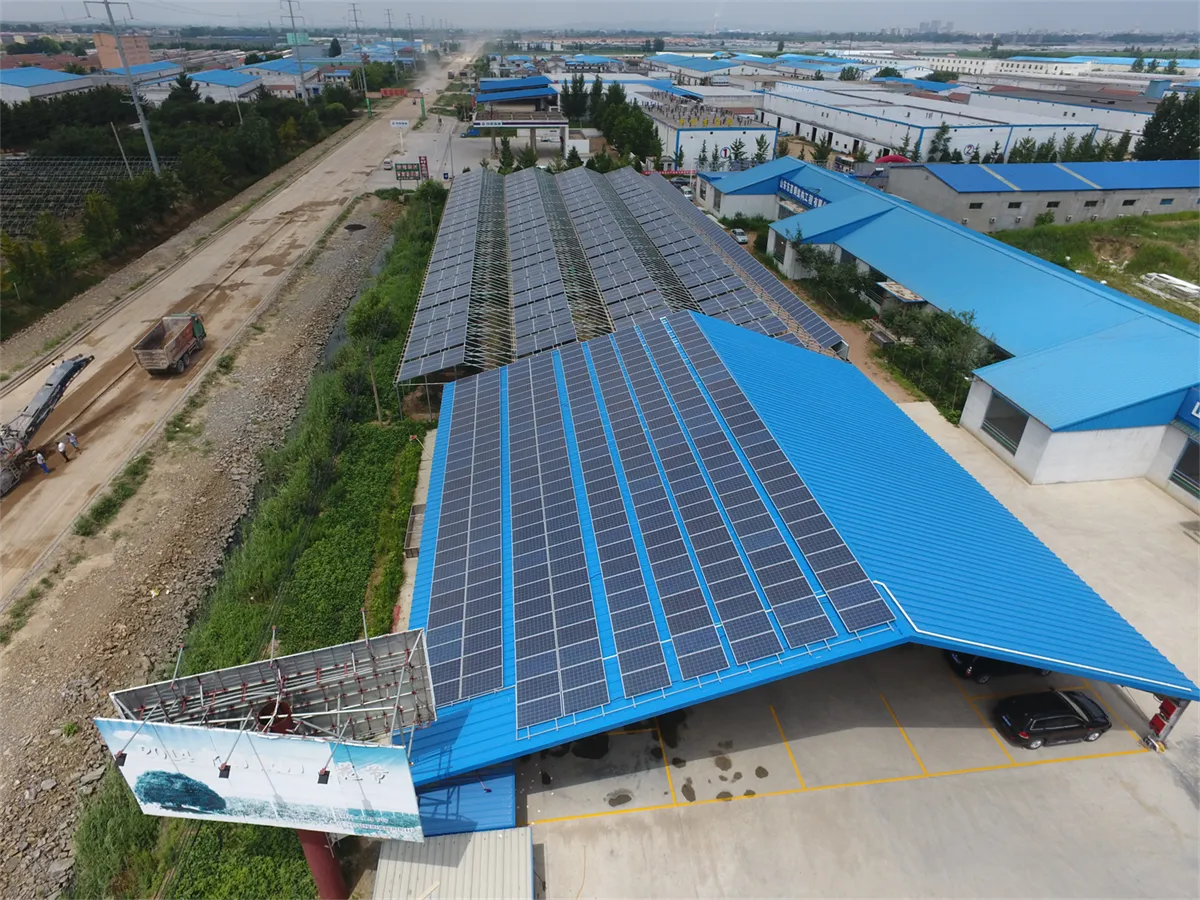
Each emirate marched to its own drum until last year. The Federal Distributed Energy Law unified standards, but regional nuances remain:
| Authority | Key Requirement | Deadline |
|---|---|---|
| Abu Dhabi DOE | Mandatory CEC accreditation for utility projects | Q1 2025 |
| DEWA (Dubai) | Shams Dubai compliance + new heat certification | Shams Phase VI (2024-2026) |
| Saudi's NREP | Project bankability tied to SASO Heat Endurance Stamp | New tenders post-2025 |
Want to bid on EWEC’s 1.5GW AI Khazna project? Non-certified panels face disqualification. That’s not red tape—it’s desert-proofing billion-dollar investments.
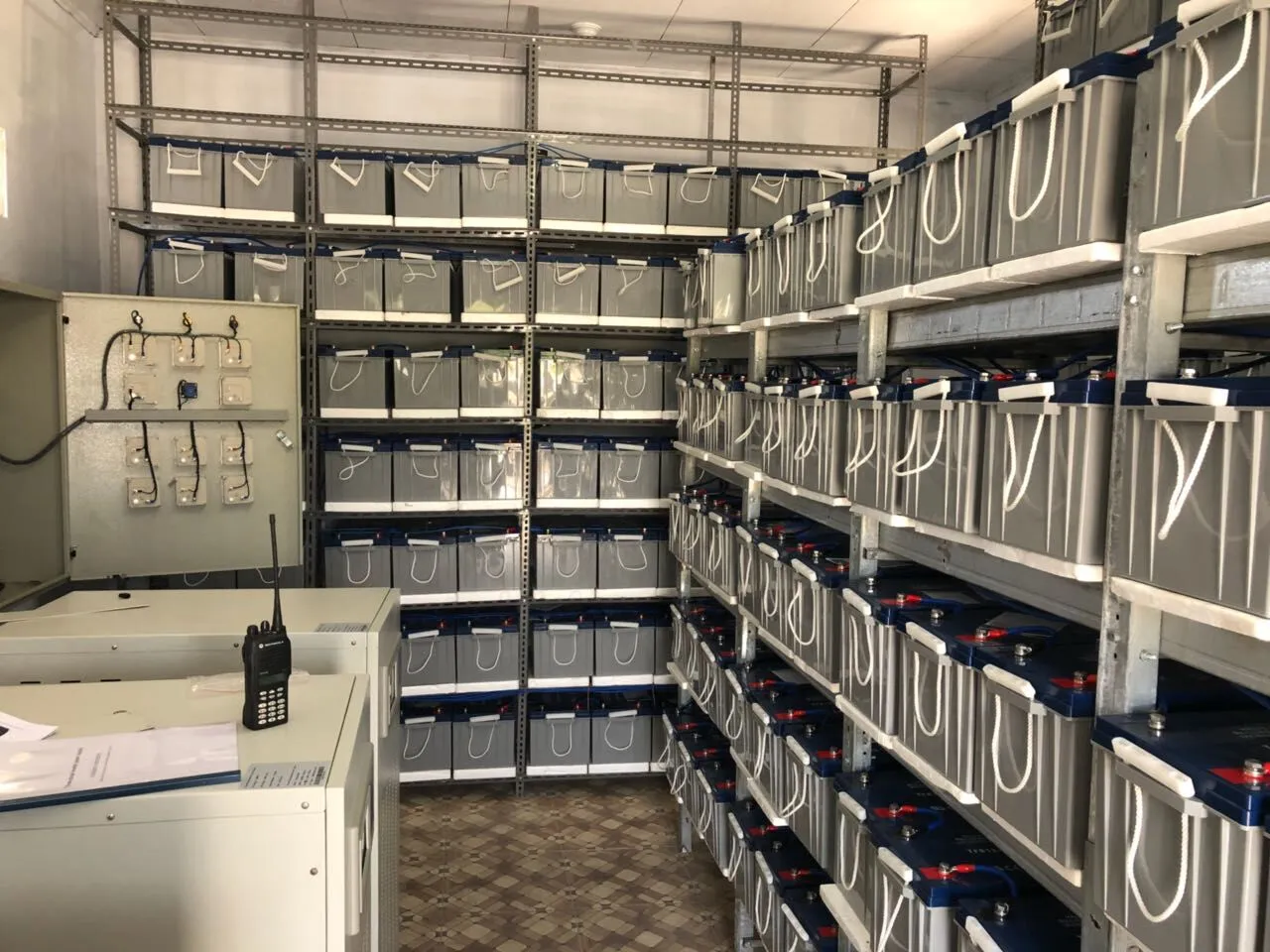
Leading PV makers aren’t just complying—they’re innovating:
JinkoSolar’s Tiger Neo: Added graphite-based heat dissipation layers, cutting operating temp by ~8°C. Field data from Sweihan plant shows 3% higher yield during summer peaks.
Longi Hi-MO Series: Hybrid PERC cells using ceramics to redirect IR radiation. First batch secured ESMA certification in March—their key to UAE pipeline projects.
But innovation isn’t free. Expect price premiums of $0.02-$0.05/W per module. As Abdullah Farouq, a developer currently building in Al Dhafra puts it: “Would I pay extra? Absolutely—avoiding yield drop during project financing years matters.”
Here’s what happens when heat derating shrinks:
5% Higher Summer Yield: Transforms Saudi’s LCOE projections. Riyadh plants now hitting $0.012/kWh—edging closer to gas parity.
O&M Savings: Less degradation → fewer replacements. Dubai Solar Park Phase V cuts maintenance budgets by 18% post-certification.
Bankability Boost: ADIB & Saudi National Bank prioritize certified projects—debt margins drop ~30bps.
Suddenly, these ‘expensive’ panels boost investor confidence while securing PPA guarantees. That desert heat? Turned into project gold.
Remember Saudi’s Neom megaproject? Those high-yield solar farms aim to power electrolyzers at scale. Here’s the link:
Green hydrogen needs low-cost electricity . Heat-resistant panels deliver higher capacity factors → more hydrogen per dollar. It’s why the UAE National Hydrogen Strategy specifically targets solar innovation. Certification isn’t just about durability—it unlocks Saudi Arabia’s plan to lead the blue/green hydrogen economy .
Despite excitement, real hurdles remain:
Stitching together fragmented markets takes time—but Masdar’s CEO Mohamed Al Ramahi puts it best: "The desert rewards resilience. These policies will force the innovation we need."
Standing amidst Dubai’s newest solar farm feels symbolic: a battle between human ingenuity and nature’s extremes. This certification journey does more than guarantee efficiency—it reshapes how the Middle East harnesses its sun-soaked geography into global energy leadership.
Investors gain certainty. Desert dust becomes manageable. And panels? They won’t just survive the heat—they’ll thrive in it.
Keywords: solar panels
Recommend Products












