

Walk into any modern home, boutique hotel, or commercial building today, and the walls often tell a story of both design ambition and hidden responsibility. Some walls exude the raw, timeless charm of natural stone—each groove and veining a fingerprint of the earth's geological history—while others sport the sleek, uniform texture of PU stone wall panels, mimicking nature's beauty with synthetic precision. Behind these aesthetic choices lies a critical question: which option leaves a lighter footprint on our planet? As architects, builders, and homeowners increasingly prioritize sustainability, the debate between natural stone and PU stone wall panels has never been more relevant. In this analysis, we'll dig into their origins, production processes, lifespans, and end-of-life impacts to uncover the environmental truths behind these popular wall solutions.
Natural stone has been a cornerstone of construction for millennia, admired for its durability, uniqueness, and organic beauty. From the marble columns of ancient Rome to the granite countertops of today's kitchens, it's a material that carries both cultural weight and visual appeal. But what does it take to transform a mountain-side boulder into a polished wall panel? Let's start with the basics.
Natural stone refers to rock formations mined directly from the earth, shaped and finished for building use. Common types include granite (igneous), marble (metamorphic), limestone (sedimentary), and sandstone, each with distinct colors, textures, and properties. A natural stone supplier typically sources these materials from quarries worldwide—think Italian marble, Indian granite, or Turkish travertine—and offers natural stone solutions ranging from custom-cut wall cladding to large-format slabs, catering to both residential and commercial projects.
The journey from quarry to wall is a complex one, with environmental impacts at every turn. Let's break it down step by step:
Extraction: Disrupting the Earth's Surface
Quarrying natural stone is an intensive process. Imagine a vast open-pit mine where dynamite, heavy machinery, and drills are used to blast and extract large blocks of stone. This process can scar landscapes, destroy habitats, and disrupt local ecosystems. In mountainous regions, quarrying often involves clearing vegetation, leading to soil erosion and increased runoff, which can pollute nearby rivers with sediment and chemicals. For example, limestone quarries in karst regions—known for their unique cave systems and groundwater reserves—risk damaging delicate aquifers if not carefully managed. Noise pollution from drilling and blasting also affects nearby communities and wildlife, while diesel-powered machinery emits greenhouse gases (GHGs) like CO2 and methane.
Manufacturing: Energy, Water, and Waste
Once extracted, raw stone blocks are transported to processing facilities, where they're cut, polished, and shaped into usable panels. Cutting stone requires diamond-tipped saws and water jets, which consume significant electricity—often sourced from fossil fuels in many regions. Polishing, too, is energy-intensive, as it involves grinding the stone surface to achieve a smooth finish. Water is another critical resource here: cooling machinery and washing away stone dust can use thousands of liters per ton of stone. While some facilities recycle water, many still discharge wastewater containing stone particles, which can clog waterways if not treated. Then there's waste: up to 30% of a stone block may end up as dust or offcuts during processing, much of which is dumped in landfills or left to accumulate, posing respiratory risks to workers and nearby communities.
Transportation: The Hidden Carbon Cost
Natural stone is heavy—granite, for instance, weighs around 2.7 grams per cubic centimeter—and often sourced from far-flung locations. A
Switzerland stone supplier
shipping slabs to Saudi Arabia, or a Brazilian granite exporter sending materials to Europe, adds thousands of miles to the product's carbon footprint. Cargo ships, trucks, and trains burn fossil fuels to transport these heavy loads, releasing CO2 and other pollutants into the atmosphere. Even domestic transportation, from quarry to local construction sites, contributes to emissions due to the stone's weight.
Lifespan and Durability: A Silver Lining
Here's where natural stone shines: its longevity. A well-maintained natural stone wall can last for decades, even centuries. Historical buildings around the world stand as proof—think of the Great Pyramids' limestone blocks or the Colosseum's travertine walls. This durability means fewer replacements over time, reducing the need for repeated extraction and manufacturing. However, this benefit is tempered by the fact that natural stone is prone to cracking under extreme pressure or seismic activity, and repairs often require replacing entire panels rather than patching small areas.
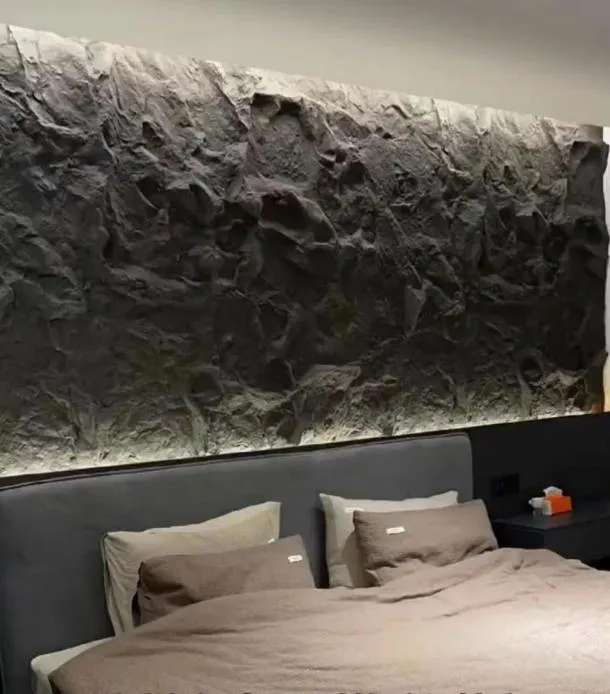
In recent decades, a new contender has emerged in the wall panel market: PU stone wall panels. Short for polyurethane, these lightweight, cost-effective alternatives aim to replicate the look of natural stone without its heft or environmental drawbacks. As PU stone wall panel suppliers gain traction, particularly in regions like Saudi Arabia where modern architecture demands both style and efficiency, it's worth exploring how these synthetic solutions stack up environmentally.
PU stone wall panels are made from polyurethane foam, a synthetic material derived from petrochemicals, mixed with additives like pigments, fire retardants, and binders. Using molds, manufacturers can replicate the texture of natural stone—from rough-hewn granite to smooth marble—with remarkable accuracy. The result is a panel that's lightweight (often 70-80% lighter than natural stone), flexible, and easy to install. PU stone wall panel solutions often include features like interlocking edges, adhesive backing, or snap-on systems, making them a favorite for quick renovations or high-rise buildings where heavy materials are impractical.
While PU panels may seem "cleaner" than quarrying stone, their environmental impact is nuanced, starting with their reliance on non-renewable resources.
Raw Materials: Petrochemicals and Their Footprint
Polyurethane is derived from crude oil and natural gas—finite resources whose extraction and refining contribute to climate change. Oil drilling, for example, can lead to oil spills, habitat destruction, and methane emissions (a potent greenhouse gas). The production of polyurethane also involves chemical reactions that release volatile organic compounds (VOCs), which can contribute to air pollution and smog if not properly controlled. Some manufacturers have begun using bio-based polyols (derived from plant oils) to reduce reliance on fossil fuels, but this remains a niche practice.
Manufacturing: Energy Efficiency vs. Chemical Risks
Compared to natural stone processing, manufacturing PU panels is generally less energy-intensive. The molding process requires heating the polyurethane mixture to set it, but modern facilities often use automated systems that minimize energy waste. However, the use of chemicals in production is a concern: catalysts, flame retardants, and colorants may include toxic substances like formaldehyde or phthalates, which can leach into the environment during manufacturing or disposal. Responsible
PU stone wall panel suppliers
now prioritize low-VOC formulations and third-party certifications (e.g., GREENGUARD) to mitigate these risks, but enforcement varies globally.
Transportation: Lightweight, Low-Carbon Advantage
One of PU panels' biggest environmental wins is their weight. A typical 1m² PU stone panel weighs 4-6 kg, compared to 20-30 kg for natural stone. This lightness reduces transportation costs and emissions significantly: a truck can carry 5-6 times more PU panels than natural stone panels, cutting fuel consumption per unit by up to 80%. For projects in landlocked regions or urban areas with strict transportation restrictions, this is a game-changer, lowering the overall carbon footprint of the supply chain.
Installation: Less Labor, Less Waste
Installing natural stone often requires heavy machinery, specialized labor, and mortar, which adds to on-site energy use and waste. PU panels, by contrast, are lightweight enough to be installed by two people with basic tools, using adhesives or screws. Their interlocking design also minimizes cutting, reducing on-site waste. This efficiency not only saves time and labor costs but also lowers the carbon footprint of the construction phase.
Lifespan and Disposal: The Trade-Off of Durability
PU panels have a shorter lifespan than natural stone—typically 15-20 years, compared to 50+ for natural stone. Exposure to UV radiation, moisture, and temperature fluctuations can cause fading, cracking, or warping over time, requiring replacement. When they reach the end of their life, PU panels pose a disposal challenge: polyurethane is non-biodegradable and can persist in landfills for centuries. While some panels are recyclable, the infrastructure for recycling PU is limited, and many end up incinerated, releasing CO2 and potentially toxic fumes. Natural stone, by contrast, is inert and can be crushed for use as aggregate in road construction or landscaping, though this is still a form of waste.
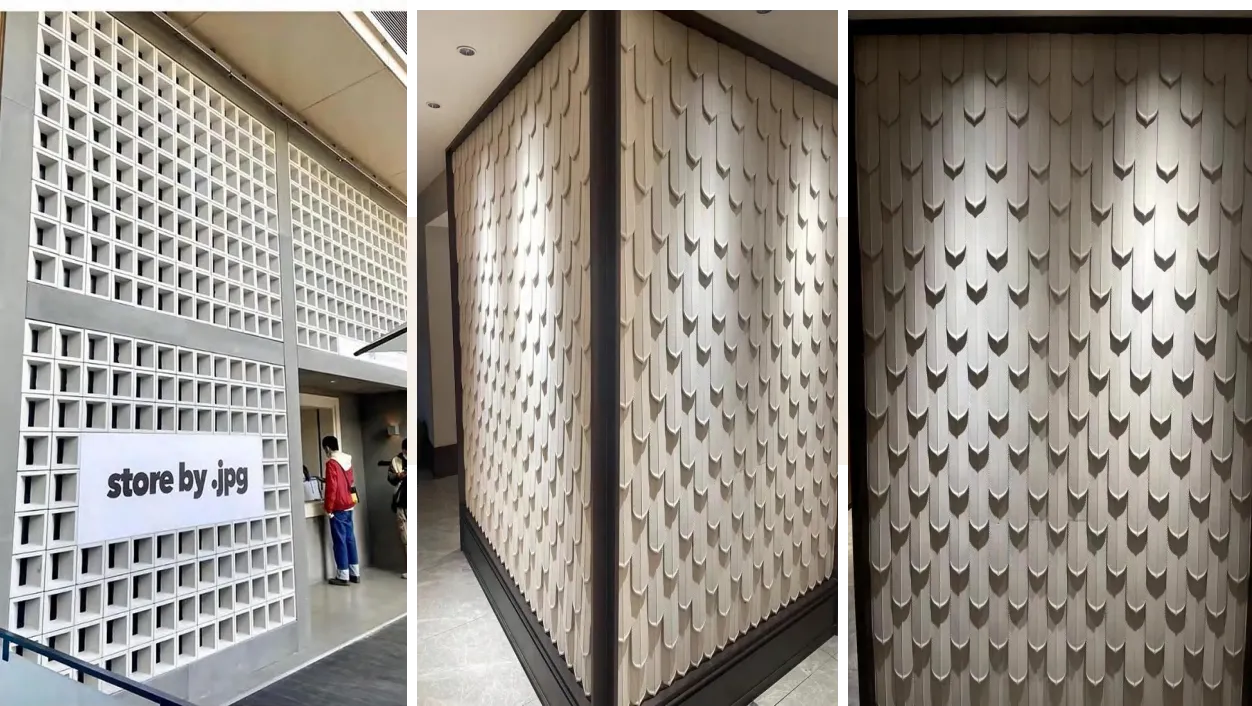
To truly understand the sustainability of natural stone and PU stone wall panels, we need to compare them across their entire lifecycle—from "cradle to grave." Below is a detailed breakdown of their environmental impacts, followed by a comparative table.
| Environmental Factor | Natural Stone Solutions | PU Stone Wall Panel Solutions |
|---|---|---|
| Resource Depletion | Renewable (geological timescales are millions of years, so effectively non-renewable); finite quarry reserves. | Non-renewable (derived from petrochemicals); dependent on oil/gas extraction. |
| Extraction/Production Impact | High: Quarrying causes deforestation, habitat loss, soil erosion, water pollution (sediment runoff), noise/air pollution from machinery. | Moderate: Petrochemical extraction disrupts ecosystems; manufacturing emits VOCs and requires energy, but less land disturbance than quarrying. |
| Energy Use | High: Extraction (blasting, drilling), cutting, polishing, and transportation of heavy materials consume significant energy. | Moderate: Lower energy for manufacturing (molding, curing) and transportation (lightweight panels reduce fuel use). |
| Water Use | High: Water for cooling machinery, washing stone dust, and dust suppression in quarries. | Low: Minimal water use in manufacturing; primarily for cleaning molds and equipment. |
| Carbon Footprint | High: Emissions from quarrying machinery, transportation (heavy loads), and energy-intensive processing. | Moderate: Emissions from petrochemical extraction, manufacturing, and shorter lifespan requiring replacement. |
| Waste Generation | High: 20-30% waste during cutting/polishing; offcuts and damaged panels go to landfills. | Moderate: Less on-site waste during installation; end-of-life panels are non-biodegradable and hard to recycle. |
| Durability/Lifespan | Very high (50-100+ years); reduces replacement frequency. | Moderate (15-20 years); requires more frequent replacement, increasing lifecycle impact. |
| End-of-Life Disposal | Inert but heavy; can be crushed for aggregate (limited recycling); landfill space consumption. | Non-biodegradable; incineration releases CO2/toxins; recycling infrastructure is scarce. |
| Biodiversity Impact | High: Quarrying destroys habitats, disrupts wildlife corridors, and causes soil/water pollution. | Moderate: Petrochemical extraction impacts ecosystems; manufacturing may release toxins affecting local air/water quality. |
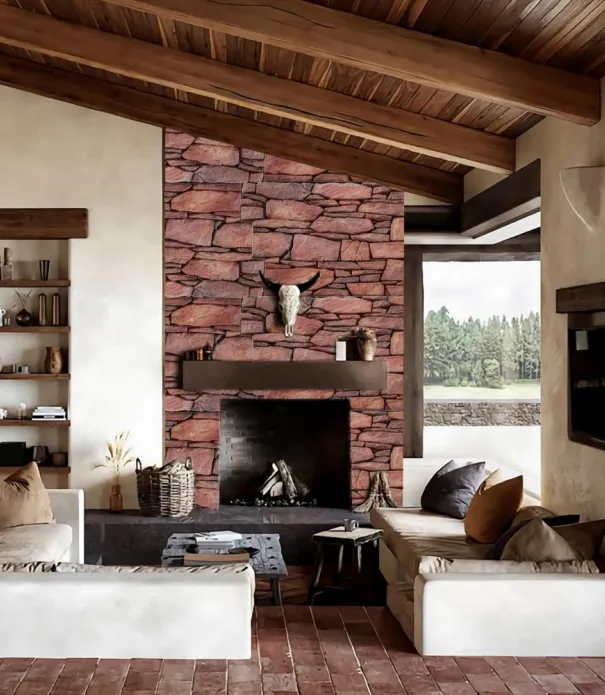
Both natural stone suppliers and PU stone wall panel suppliers play a pivotal role in reducing environmental impact. Forward-thinking natural stone suppliers are adopting sustainable quarrying practices: reforesting exhausted quarries, using electric machinery to cut emissions, and recycling stone dust into concrete additives. Some also source locally to minimize transportation miles—for example, a Saudi Arabia building materials supplier using regional limestone instead of importing Italian marble.
For PU panel suppliers, innovation is key. Companies are investing in bio-based polyurethanes, renewable energy for manufacturing (solar, wind), and recyclable panel designs. Some have even developed take-back programs, where old panels are collected and ground into powder for use in new products. Certifications like LEED (Leadership in Energy and Environmental Design) or BREEAM (Building Research Establishment Environmental Assessment Method) are also becoming selling points, as builders seek materials that meet green building standards.
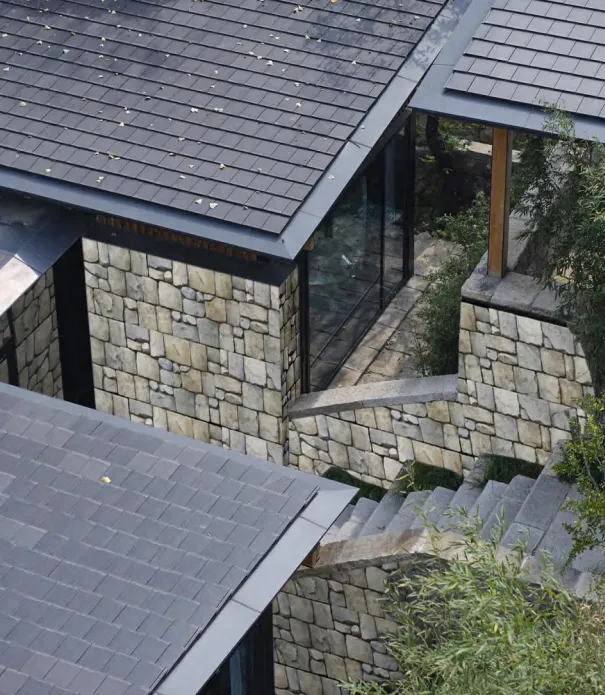
There's no one-size-fits-all answer to the "natural stone vs. PU panel" debate; the most sustainable choice depends on context. For historic restoration projects, where authenticity is paramount, natural stone may be the only option—its durability ensures the building's legacy for future generations. For high-rise buildings in dense cities, PU panels' lightweight nature reduces structural load and transportation emissions, making them a practical, lower-carbon choice.
Location also matters. A natural stone supplier with quarries near the construction site can drastically reduce transportation emissions, while a PU panel manufacturer using renewable energy and bio-based materials can mitigate the impact of petrochemicals. Homeowners, too, can make a difference by prioritizing locally sourced, certified sustainable materials and properly maintaining their walls to extend lifespan—whether natural or synthetic.

Natural stone and PU stone wall panels each have their strengths and weaknesses when it comes to environmental impact. Natural stone offers timeless beauty and unmatched durability but comes with heavy extraction and transportation costs. PU panels provide versatility, lightweight efficiency, and lower upfront energy use but depend on non-renewable resources and have shorter lifespans.
The future of sustainable wall solutions lies not in choosing one over the other, but in driving innovation across both industries. Natural stone suppliers must continue to adopt eco-friendly quarrying and processing techniques, while PU manufacturers need to invest in renewable materials and recycling infrastructure. As consumers, we hold the power to demand transparency—asking suppliers about their environmental practices, certifications, and lifecycle assessments.
At the end of the day, the most sustainable wall is one that's thoughtfully chosen, carefully installed, and maintained for as long as possible. Whether it's the rugged charm of natural stone or the modern convenience of PU panels, our walls should reflect not just our design tastes, but our commitment to protecting the planet we call home.
Recommend Products











