

Walls are more than just dividers—they're the canvas on which we build our spaces. Whether it's the cozy warmth of a home, the professional polish of an office, or the sterile precision of a hospital, the materials we choose for our walls shape how we feel, function, and interact with our environments. In the world of wall cladding, two heavyweights often dominate the conversation: natural stone and porcelain slab tile. Each brings its own set of strengths, weaknesses, and unique appeal, leaving architects, designers, and homeowners grappling with a critical question: Which material, and more importantly, which supplier, offers the best value for their project?
On one side, natural stone—granite, travertine, cloud stone—speaks to timelessness. It carries the weight of centuries, with each slab telling a story of geological formation, quarried from the earth and shaped by human hands. On the other side, porcelain slab tile represents modern innovation: engineered for durability, consistency, and versatility, it's a product of cutting-edge technology designed to meet the demands of contemporary design. To answer the value question, we'll dive into the nuances of each material, explore what makes a supplier stand out, and help you determine which option aligns with your project's goals.
Natural stone is more than a building material—it's a piece of the planet itself. Formed over millions of years by heat, pressure, and mineral deposits, each slab is inherently unique, with patterns, colors, and textures that can never be fully replicated. For designers seeking authenticity and luxury, natural stone is often the first choice, and suppliers specializing in these materials play a pivotal role in bringing these earthy wonders to life.
Natural stone encompasses a vast range of types, each with its own character. Granite stone suppliers , for example, offer slabs known for their granular, crystalline structure and exceptional hardness, making them a staple in high-traffic areas like kitchens and commercial lobbies. Travertine, sourced from travertine tile suppliers , features distinctive voids and veins, evoking a rustic, Mediterranean charm ideal for residential accent walls. Then there's cloud stone—a rare, ethereal variety from specialized cloud stone suppliers —with soft, billowy patterns that mimic the sky, transforming spaces into serene retreats.
For projects demanding exclusivity, some turn to Switzerland stone suppliers , who import rare, high-quality stones from quarries in the Swiss Alps and beyond. These materials aren't just cladding; they're statement pieces, often used in luxury hotels, celebrity homes, and cultural institutions where uniqueness is non-negotiable.
The primary draw of natural stone is its unmatched aesthetic. No two slabs are identical—veins, flecks, and color variations create a dynamic, organic look that adds depth and personality to any wall. This uniqueness is a major selling point for clients who want their space to feel one-of-a-kind, not just another cookie-cutter design.
Durability is another key advantage. When properly sealed and maintained, natural stone can last for decades, even centuries. Granite, for instance, resists scratches, heat, and stains, making it suitable for both indoor and outdoor use. Travertine, while softer, develops a rich patina over time, enhancing its beauty rather than detracting from it. For heritage buildings or projects aiming for longevity, natural stone is a investment in permanence.
Finally, natural stone carries inherent prestige. It's associated with luxury, craftsmanship, and quality—a signal that no expense was spared in creating a space. This perception alone can boost property values and leave a lasting impression on visitors.
Despite its appeal, natural stone isn't without drawbacks. Cost is a significant barrier: quarrying, transporting, and finishing stone is labor-intensive, driving up prices. A single slab of rare granite or cloud stone can cost hundreds, even thousands, of dollars, not including installation. For large-scale projects, this expense can quickly become prohibitive.
Maintenance is another consideration. Most natural stones are porous, requiring regular sealing to prevent stains from spills, moisture, or pollutants. Travertine, for example, needs annual sealing to fill its natural pores and avoid water damage. In high-moisture areas like bathrooms or outdoor walls, this upkeep becomes even more critical—and time-consuming.
Weight is also a practical concern. Natural stone slabs are heavy, requiring reinforced structural support and specialized installation teams. This adds complexity to projects, especially in older buildings or spaces with weight restrictions. For example, a 24-inch by 48-inch granite slab can weigh over 100 pounds, making transportation and mounting a logistical challenge.

If natural stone is the past, porcelain slab tile is the future—engineered to address the limitations of traditional materials while embracing modern design needs. Made from refined clay, sand, and minerals fired at extremely high temperatures, porcelain slabs are dense, non-porous, and designed for performance. As porcelain slab tile for wall suppliers will attest, this material has revolutionized wall cladding, offering a balance of beauty, durability, and practicality that appeals to both residential and commercial projects.
Porcelain slab tile's biggest advantage is its consistency. Unlike natural stone, which varies from slab to slab, porcelain is manufactured to exact specifications, ensuring uniform color, pattern, and thickness across an entire batch. This predictability is a boon for designers aiming for a cohesive look, whether it's a seamless accent wall in a home or a sprawling lobby in a corporate tower.
Modern porcelain slabs also come in large formats—some as big as 10 feet by 5 feet—minimizing grout lines and creating a sleek, contemporary aesthetic. This "minimalist" appeal has made them a favorite for open-concept spaces, where clean lines and unbroken surfaces are prized.
Innovation has expanded porcelain's versatility. Suppliers now offer slabs that mimic the look of natural stone—granite, marble, travertine—with remarkable accuracy, allowing clients to enjoy the aesthetic of stone without the drawbacks. For specialized applications, there are even performance-focused options, such as class A fireproof CPL inorganic boards for hospital and school suppliers , which combine porcelain's durability with fire resistance, making them ideal for spaces where safety is paramount.
Porcelain slab tile shines in practicality. Its non-porous surface is inherently resistant to stains, moisture, and bacteria, making it perfect for high-traffic or high-moisture areas like kitchens, bathrooms, hospitals, and schools. Unlike natural stone, it requires no sealing—simply wipe with a damp cloth to keep it clean. This low maintenance is a major selling point for busy homeowners, commercial property managers, and institutions with tight budgets for upkeep.
Cost is another advantage. While high-end porcelain slabs can be pricey, they're generally more affordable than natural stone, especially for large projects. The manufacturing process is scalable, allowing suppliers to produce large quantities at lower costs, which translates to savings for clients. Additionally, porcelain's lighter weight reduces installation time and labor costs, further lowering the total project expense.
Durability is also a strong suit. Porcelain is scratch-resistant, fade-resistant, and impact-resistant, standing up to daily wear and tear better than many natural stones. It's also frost-resistant, making it suitable for outdoor use in cold climates, and heat-resistant, a must for spaces near fireplaces or kitchens.
Porcelain's biggest drawback is its lack of natural character. While modern printing techniques can replicate stone patterns convincingly, some critics argue that porcelain lacks the "soul" of natural stone—the subtle variations, imperfections, and depth that make each slab unique. For clients seeking an authentic, organic feel, this can be a dealbreaker.
Environmental impact is another concern. Porcelain production requires high energy consumption due to the intense firing process, and some manufacturing methods involve harmful chemicals. While many suppliers are adopting greener practices—recycling water, using renewable energy—porcelain still has a larger carbon footprint than some natural stones, which may be a consideration for eco-conscious projects.
Finally, porcelain can feel cold or sterile in certain settings. Its smooth, uniform surface, while sleek, may lack the warmth of natural stone, making it less ideal for spaces designed to feel cozy or inviting. However, this can be mitigated with creative design—pairing porcelain with wood accents or textiles, for example—to add balance.
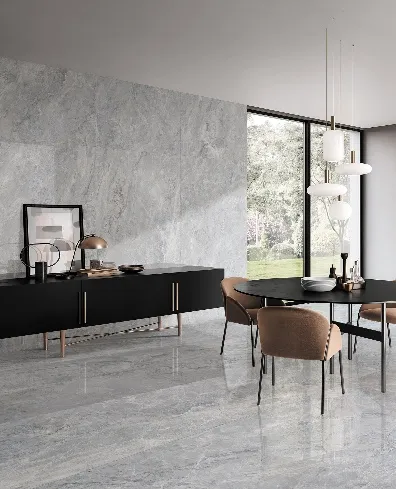
To better understand which material offers better value, let's compare them across key criteria that matter most to projects and their budgets:
| Criteria | Natural Stone | Porcelain Slab Tile |
|---|---|---|
| Initial Cost | Higher (quarrying, transportation, finishing) | Lower (scalable manufacturing, lighter installation) |
| Long-Term Durability | Excellent (can last centuries with maintenance) | Very Good (50+ years with minimal upkeep) |
| Maintenance Requirements | High (regular sealing, stain protection) | Low (no sealing, easy cleaning) |
| Aesthetic Appeal | Unique, organic, high-end character | Consistent, modern, versatile (can mimic stone) |
| Environmental Impact | Quarrying can disrupt ecosystems; heavy transportation emissions | High energy use in production; some recyclable options |
| Ideal Applications | Luxury homes, heritage buildings, high-end commercial spaces | Hospitals, schools, busy homes, large commercial projects |
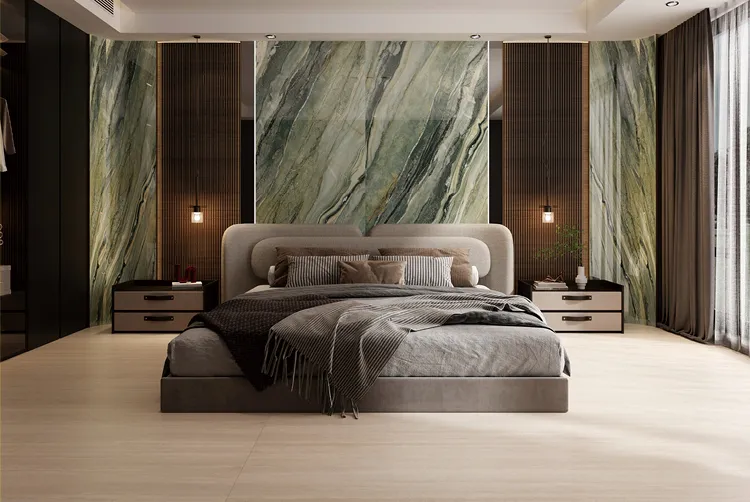
Material choice is only half the equation—equally important is the supplier you partner with. A great supplier doesn't just sell products; they deliver value through reliability, expertise, and support. So, what should you look for when evaluating natural stone suppliers , porcelain slab tile for wall suppliers , or even a one-stop architectural solution provider that offers both?
A supplier with a diverse product range gives you flexibility. For example, a one-stop architectural solution provider might offer natural stone for feature walls, porcelain slabs for high-traffic areas, and specialty materials like class A fireproof CPL inorganic boards for hospital and school projects —all from a single source. This streamlines communication, reduces shipping costs, and ensures consistency across materials.
Customization is another key factor. Whether you need a specific finish on a granite slab, a custom size for a porcelain panel, or a unique color match for a heritage restoration, a supplier that offers tailored solutions adds significant value. Some cloud stone suppliers , for instance, work directly with quarries to source rare slabs that match a client's exact vision, while porcelain slab tile suppliers might offer digital printing services to replicate a specific stone pattern for a cohesive design.
Wall cladding isn't just about aesthetics—it's about engineering. A reputable supplier should provide technical support, from helping you select the right material for your project's needs (e.g., fire resistance for hospitals, moisture resistance for bathrooms) to offering installation guidance. For example, a supplier specializing in class A fireproof CPL inorganic boards should be able to provide test reports, compliance certificates, and advice on proper installation to meet local building codes.
Installation partnerships are also valuable. Many top suppliers work with certified installers, ensuring that materials are mounted correctly and safely. This reduces the risk of costly mistakes, delays, or future repairs—especially critical for heavy natural stone slabs or large porcelain panels that require precision handling.
Today's clients care about the environmental and ethical impact of their materials. A supplier that prioritizes sustainability stands out by reducing waste, using eco-friendly production methods, or sourcing from quarries with responsible mining practices. For example, some granite stone suppliers now offer recycled or reclaimed stone options, while forward-thinking porcelain manufacturers use recycled materials in their slabs and invest in renewable energy for production.
Ethical sourcing is equally important. Suppliers should be transparent about their supply chains, ensuring that workers are paid fairly and that mining or manufacturing practices don't harm local communities. This transparency not only aligns with corporate social responsibility goals but also builds trust with clients who want to feel good about their material choices.
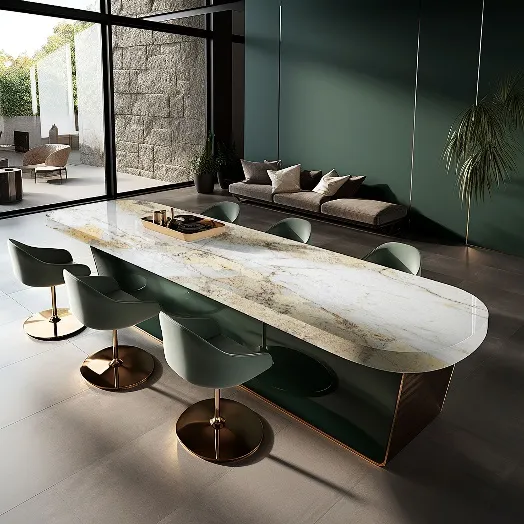
To see how these factors play out in practice, let's look at two projects—one using natural stone, one using porcelain slab tile—and how their suppliers delivered value.
A high-net-worth client in Riyadh wanted to create a "sanctuary" in their villa's main living area, centered around a feature wall that felt both grand and serene. They partnered with a cloud stone supplier known for sourcing rare, soft-veined varieties. The supplier worked closely with the client and architect to select three slabs with complementary veining, then coordinated with a local granite stone supplier for matching flooring.
Value was delivered through customization: the supplier arranged for the cloud stone to be book-matched (a technique where adjacent slabs are mirrored to create a symmetrical pattern), enhancing the wall's visual impact. They also provided technical support, recommending a reinforced mounting system to handle the stone's weight and ensuring the installation team was trained in proper sealing techniques to protect against Riyadh's dusty climate.
While the initial cost was high—over $50,000 for materials and installation—the client valued the one-of-a-kind result. The supplier's attention to detail and commitment to the client's vision turned the wall into the home's centerpiece, justifying the investment.
A hospital in Jeddah needed to renovate its pediatric wing, requiring wall materials that were hygienic, durable, and calming for young patients. The project manager chose a one-stop architectural solution provider that offered both porcelain slab tiles and class A fireproof CPL inorganic boards —the latter for areas near medical equipment where fire safety was critical.
The supplier provided value through efficiency: they coordinated the delivery of both materials, ensuring they arrived on schedule and in the correct quantities. They also offered samples of porcelain slabs printed with nature-inspired patterns (e.g., soft blue waves, green leaves) to create a child-friendly environment, and provided compliance documentation for the CPL boards to meet the hospital's strict safety requirements.
Total material and installation costs came in at 30% less than using natural stone, and the low-maintenance nature of the materials reduced long-term upkeep expenses. The hospital was thrilled with the result: a space that was both safe and visually appealing, delivered on time and under budget.
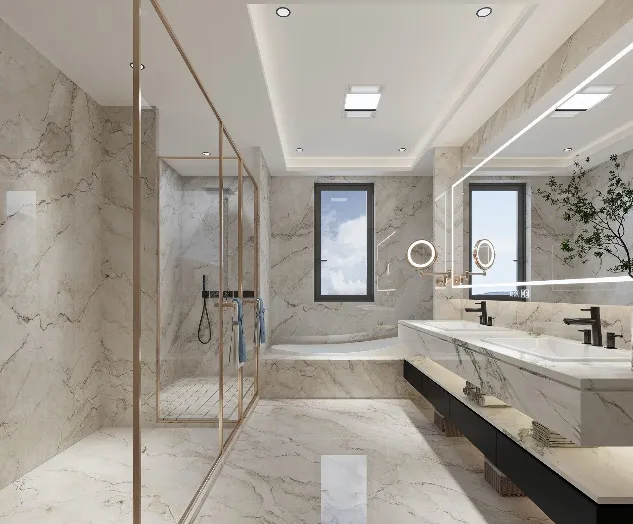
So, which is better: natural stone or porcelain slab tile? The answer depends on your project's priorities. If you value uniqueness, luxury, and timelessness—and have the budget for maintenance and installation—natural stone, sourced from a reputable granite stone supplier , cloud stone supplier , or Switzerland stone supplier , is worth the investment. It adds character and prestige that engineered materials can't replicate.
If practicality, affordability, and low maintenance are your top concerns—especially for large commercial projects or high-traffic spaces—porcelain slab tile from a trusted porcelain slab tile for wall supplier is the smarter choice. Its durability, consistency, and versatility make it a workhorse that doesn't compromise on style.
Ultimately, the "better value" supplier is the one that aligns with your goals. Whether you choose natural stone, porcelain, or a mix, look for a partner with a diverse product range, technical expertise, and a commitment to your project's success. After all, great walls aren't just built with materials—they're built with trust, collaboration, and a shared vision for what your space can be.
Recommend Products











