
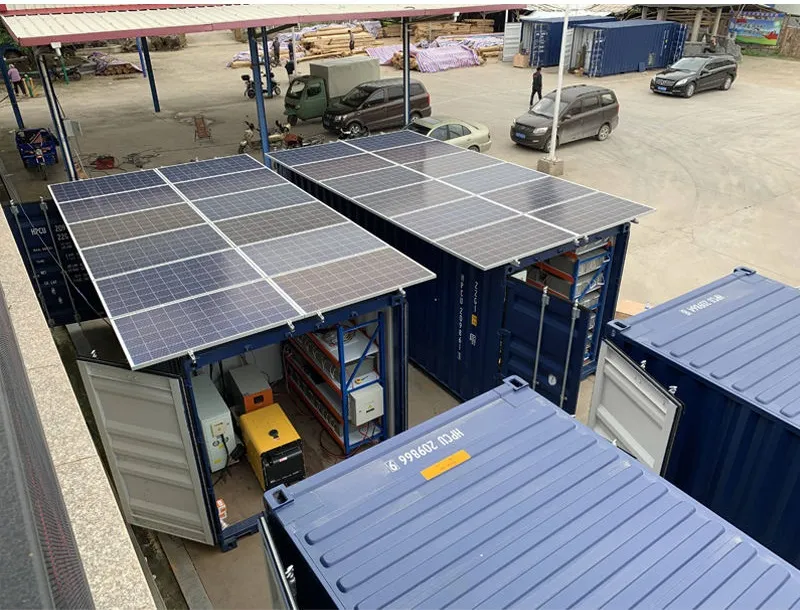
Ever wonder why coastal solar farms hold up so well against relentless ocean spray? It's not luck—it's science. Salt spray corrosion testing ensures solar panels survive where air turns metal into rust, but the standards driving these tests have been as scattered as seagulls at the beach. Until now.
Picture this: A solar array on Florida's Gulf Coast. Hurricane season rolls in, drenching panels in a cocktail of saltwater and humidity. One week later, connectors start corroding, frames pit, and power output nosedives. Sound dramatic? This happens daily where industry standards fall short.
• Performance plunges 18-30% on corroded panels
• Maintenance costs spike 3x in coastal zones
• Untested systems fail 50% faster near oceans
The secret weapon? Salt spray testing simulates decades of abuse in weeks. But here's the kicker—without unified standards, we're comparing apples to anchors. Let's fix that.
The old-school baseline: 5% salt solution at room temperature. Think "gentle ocean breeze"—perfect for Iowa, useless for Hawaii.
Weakness: Too kind. Misses real-world corrosion hotspots.
Introduces vinegar-like acidity. Mimics industrial pollution meeting salt—your classic LA beach day scenario.
Weakness: Still not harsh enough for floating solar farms.
The new heavyweight champ. Copper ions + acid + heat = marine hellscape. Reveals weaknesses others miss.
Real Talk: 8 days of CASS equals 3 years coastal exposure. That's ROI.
"We tested identical panels—NSS showed minor tarnish after 136 days. CASS? Full corrosion in just 8 days. It's like comparing sunscreen to a hurricane shelter." — Liu et al., 2021 Applied Sciences study
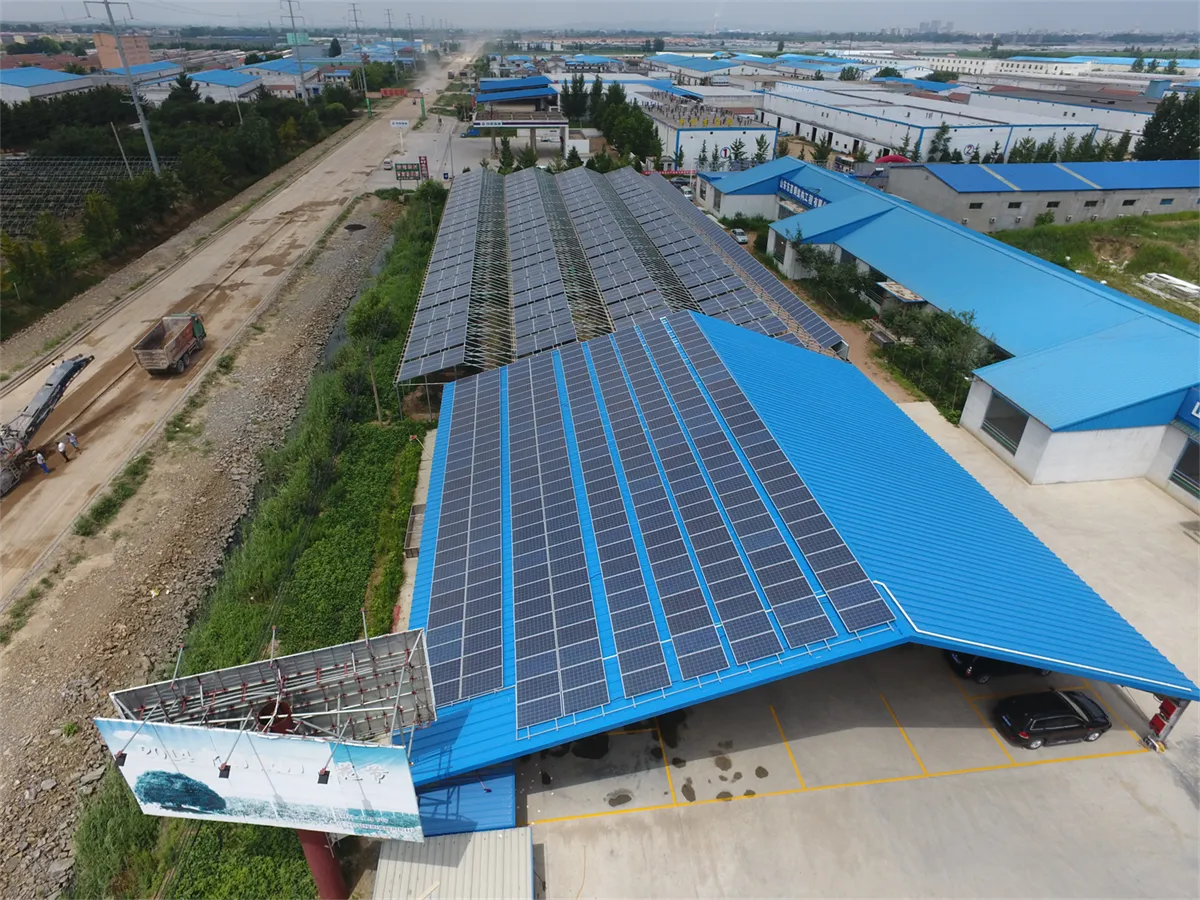
| Material | 48hr Test | 192hr Test | Real-World Lifespan |
|---|---|---|---|
| Standard Galvanized Steel | Light rust | Full corrosion | 2-5 years |
| 304 Stainless Steel | No rust | Surface etching | 8-12 years |
| XP Zinc-Tin Alloy Coated | No change | Yellow protective layer | 15+ years |
The dark horse? SUPERDYMA shape steel . Its Zn-Al-Mg-Si coating forms a white protective crust under attack—like a solar panel growing armor. After 192hr CASS tests, less than 5% surface failure. Game-changer.
Here's where solar panel suppliers become unsung heroes. They're the gatekeepers deciding between "meets minimum specs" and "saltwater-proof". Smart suppliers now demand:
And it's working. Leading suppliers using tiered testing (NSS → AASS → CASS) report 40% fewer corrosion warranty claims. Proof that specifications aren't paperwork—they're profit protectors.
Why stop at salt? Next-gen protocols layer:
1. Salt spray → 2. UV radiation → 3. Mechanical stress → 4. Repeat
Mimics a full storm season in one chamber. Pioneers like IEC 62716 are already on board.
Algorithms that analyze microscopic corrosion patterns to forecast 20-year failure points. Testing time reduced by 65% while improving accuracy.
"Static spray tests miss something crucial—wind-driven salt dynamics. Our turbulence chambers add 40km/h fans. Reality hurts." — Dr. Kao, Industrial Tech Research Institute
Demand specific durations: "120hr CASS at 50°C" beats vague "salt spray tested" claims
Don't just pass/fail—map corrosion locations. 93% of failures start at mounting points
Field test samples where salt meets sunshine: Coastal test beds beat lab simulations
Pro Tip: Start small. Run CASS tests on existing panels—you'll uncover vulnerabilities before they cost you thousands.
Unified corrosion standards aren't about paperwork—they're the immune system for solar infrastructure. By elevating from NSS to CASS protocols and demanding material transparency from solar panel suppliers , we're not just preventing rust. We're building solar farms that thrive where salt, wind, and water collide.
"In the race against corrosion, standards are the starting gun.
We can watch panels fail, or build them to last."
Recommend Products












