

Walls have always been more than just dividers—they're the canvas of our spaces, telling stories of style, function, and personality. In 2025, as homeowners and designers alike push for interiors that blend bold aesthetics with uncompromising practicality, the search for the perfect wall material has led many to a standout choice: porcelain slab tiles. Gone are the days of choosing between beauty and durability, or style and sustainability. As a trusted name in both residential building materials supplier and commercial building materials supplier circles, we've watched this material rise from a niche option to a mainstream favorite, and it's not hard to see why. Let's dive into the seven key benefits that make porcelain slab tiles the go-to for wall solutions this year—and why they're here to stay.
Life is messy—kids race through hallways, pets scratch at corners, and accidental spills happen. Your walls shouldn't just look good; they need to survive the chaos. Porcelain slab tiles excel here, thanks to their ultra-dense composition. Made by pressing natural raw materials (clay, quartz, and feldspar) under extreme pressure and firing them at temperatures over 1200°C, these tiles form a rock-hard, non-porous surface that laughs off daily wear and tear.
Think about a busy family kitchen: a pot of simmering sauce boils over, splattering the wall. With porcelain slab tiles, a quick wipe with a damp cloth is all it takes to erase the mess. In a commercial setting—a bustling restaurant or a hotel lobby where luggage and foot traffic are constant—these tiles resist scratches from keys, scuffs from chairs, and even minor impacts without chipping or fading. Compare that to natural stone, which is porous and prone to staining, or traditional ceramic tiles that can crack under pressure, and it's clear why durability tops the list of benefits.
As a porcelain slab tile for wall supplier , we often hear from clients who've had these tiles installed for a decade and still describe them as "looking brand new." That's the kind of longevity that turns a material into an investment.
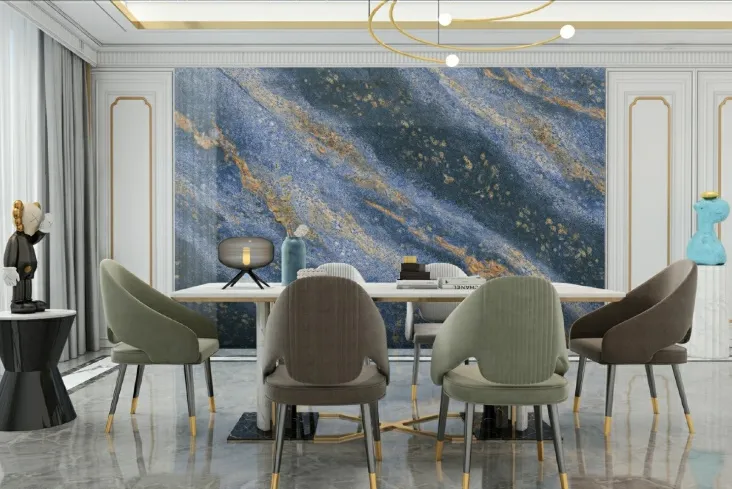
Gone are the days when wall tiles came in limited sizes and boring patterns. Porcelain slab tiles are a designer's dream, offering endless possibilities to match any vision. The magic starts with their size: today's slabs range from 120x240cm to massive 160x320cm panels, meaning fewer grout lines and a seamless, "wall-to-wall" look that feels expansive and luxurious. Whether you're aiming for a minimalist living room or a grand commercial lobby, fewer seams create a cleaner, more polished finish.
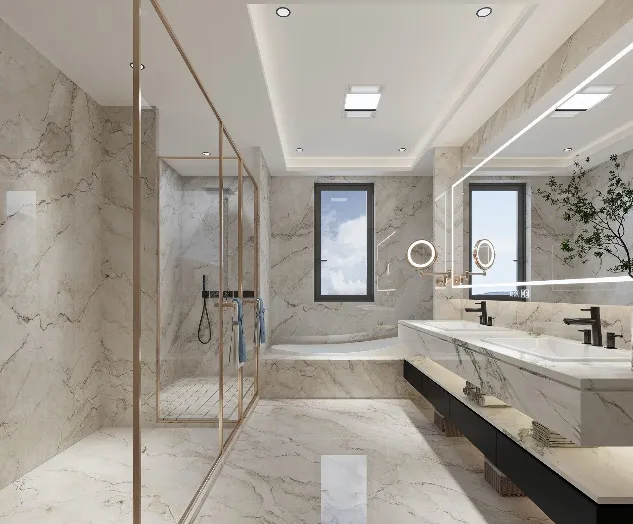
But the real showstopper is the design flexibility. Thanks to advanced digital printing technology, these tiles can mimic almost any material under the sun: think the veining of Carrara marble, the warmth of reclaimed wood, the industrial edge of concrete, or even abstract art and geometric patterns. Want a wall that looks like it's wrapped in Swiss stone? Done. Prefer the soft glow of cloud stone? No problem. And with finishes ranging from high-gloss polished (perfect for adding drama to a dining room) to matte (ideal for a modern, understated bedroom) to textured (adding tactile interest to a hallway), the only limit is your imagination.
For interior decoration materials that adapt to both residential coziness and commercial grandeur, porcelain slabs are unbeatable. A homeowner might use a wood-look slab for a rustic bedroom accent wall, while a retail store could opt for a marble-effect slab to elevate its luxury branding. As a supplier, we love seeing how clients mix and match finishes and sizes to create truly unique spaces.
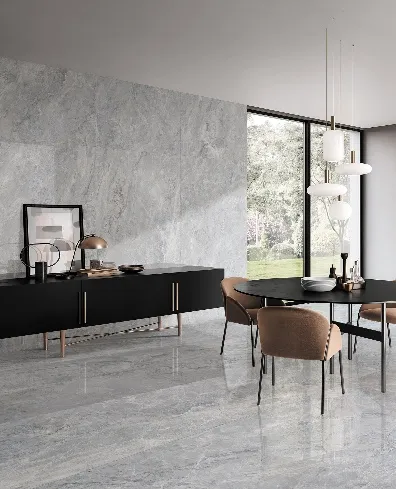
Let's be honest: no one wants to spend weekends scrubbing walls or shelling out for professional maintenance. Porcelain slab tiles are the ultimate "set it and forget it" material. Their non-porous surface means stains—whether from red wine, coffee, or kids' art supplies—can't penetrate. Spills wipe away with a little soap and water, no harsh chemicals required. Unlike natural stone, which needs annual sealing to prevent discoloration, or painted walls that chip and require repainting every few years, porcelain slabs stay vibrant with minimal effort.
This low-maintenance factor is a game-changer for busy households and commercial spaces alike. Imagine running a bed-and-breakfast: the last thing you need is to deep-clean walls between guests. With porcelain slabs, housekeeping can simply wipe down surfaces in minutes, ensuring rooms are always guest-ready. For families, it means more time enjoying their home and less time cleaning it. Even in moisture-heavy areas like bathrooms or kitchens, these tiles resist mold and mildew growth, keeping spaces healthier and fresher long-term.
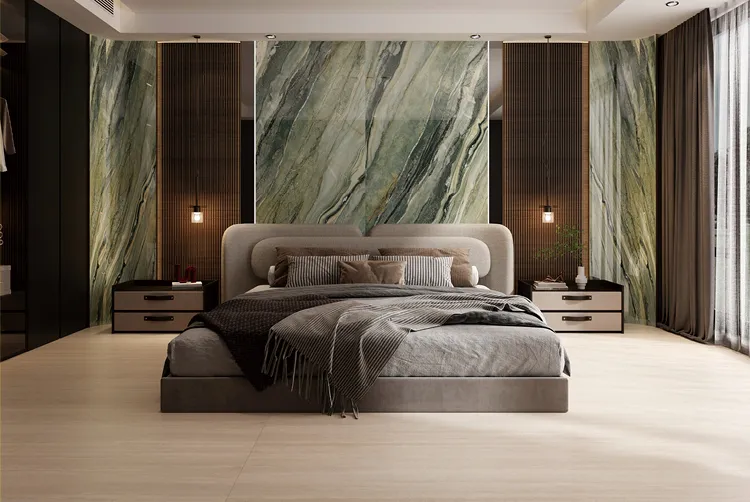
In 2025, sustainability isn't just a trend—it's a requirement. Homeowners and businesses alike are prioritizing materials that minimize environmental impact, and porcelain slab tiles deliver on this front. First, they're made from natural, abundant raw materials (clay, sand, and minerals) that are quarried responsibly. Unlike synthetic materials that rely on fossil fuels, the production process uses heat from natural gas or electricity, and many manufacturers now power their kilns with renewable energy.
But the real sustainability win is their longevity. A well-installed porcelain slab wall can last 50 years or more, reducing the need for frequent replacements and cutting down on waste. When they do reach the end of their life, the tiles are recyclable, often ground up and reused as aggregate in construction. Compare that to vinyl wall panels or wallpaper, which might need replacing every 5–10 years, and the eco-friendly advantage becomes clear.
For LEED-certified commercial buildings or eco-conscious homeowners, choosing porcelain slabs is an easy way to earn green credits while creating a space that aligns with their values. As a commercial building materials supplier , we're proud to offer options that help our clients meet their sustainability goals without sacrificing style.
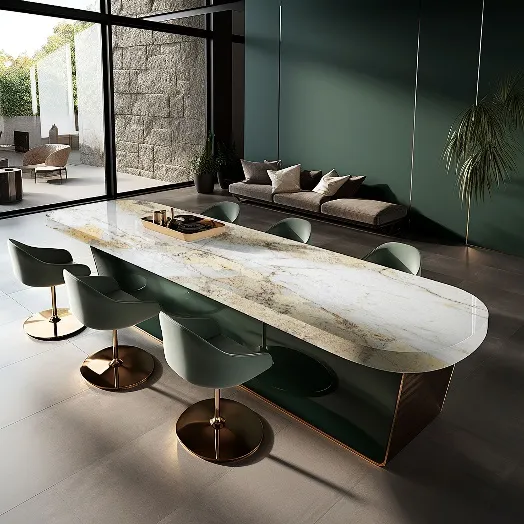
It's true: porcelain slab tiles often have a higher upfront cost than traditional ceramic tiles or painted drywall. But smart homeowners and businesses know to look beyond the initial price tag. Let's break it down: ceramic tiles may cost less to buy, but they need replacing every 10–15 years. Painted walls require repainting every 3–5 years, plus touch-ups for scuffs and stains. Natural stone is stunning but comes with ongoing sealing costs (up to $500 per year for a large wall) and is prone to damage that's expensive to repair.
Porcelain slabs, on the other hand, have zero ongoing maintenance costs. No sealing, no repainting, no repairs—just an occasional wipe-down. Over 20 years, the total cost of ownership for a porcelain slab wall is often lower than these alternatives. For commercial spaces, this translates to higher ROI: fewer disruptions from renovations, lower maintenance budgets, and a wall that stays attractive for decades, enhancing the property's value.
As a residential building materials supplier , we've seen families choose porcelain slabs for their forever homes, knowing they won't have to redo the walls when their kids grow up. It's an investment in peace of mind—and that's priceless.
| Feature | Porcelain Slab Tiles | Ceramic Tiles | Natural Stone (Marble/Granite) | Painted Drywall |
|---|---|---|---|---|
| Upfront Cost | Medium-High | Low-Medium | High | Low |
| Maintenance Cost (Annual) | $0–$50 | $50–$100 (repairs, grout cleaning) | $300–$600 (sealing, polishing) | $100–$300 (repainting, touch-ups) |
| Lifespan | 50+ years | 10–15 years | 30–40 years | 3–7 years |
| Stain Resistance | Excellent (non-porous) | Fair (porous, needs sealing) | Poor (porous, stains easily) | Poor (absorbs liquids) |
When it comes to building materials, safety should never be an afterthought. Porcelain slab tiles check this box with flying colors. Thanks to their high-temperature firing process, they're inherently fire-resistant, often rated Class A (the highest fire safety rating), meaning they won't ignite or spread flames. In the unlikely event of a fire, they release minimal smoke and no toxic fumes, making them a safe choice for both homes and commercial spaces like schools, hospitals, and offices.
They're also a smart pick for moisture-prone areas. Unlike wood panels or wallpaper, which can warp or grow mold in humid conditions, porcelain slabs are water-resistant, making them ideal for bathrooms, kitchens, and basements. For families with allergies, their non-porous surface resists dust mites and allergens, contributing to healthier indoor air quality. It's the kind of safety that lets you relax, knowing your walls are working to protect you, not put you at risk.
You might assume large, heavy slabs are a nightmare to install—but think again. Porcelain slab tiles are surprisingly lightweight compared to natural stone (thanks to their density), making them easier to transport and handle. Modern installation techniques, like thin-set mortar and specialized adhesives, mean they can be applied directly to most substrates, including drywall, concrete, and even existing tiles (with proper preparation).
Their large size also speeds up the process: a single 120x240cm slab covers nearly 30 square feet, reducing the number of tiles needed and cutting down on installation time. For commercial projects with tight deadlines, this means faster turnaround and lower labor costs. Even for homeowners tackling a DIY project (with some experience), porcelain slabs are manageable with the right tools. Of course, we always recommend hiring a professional installer for the best results—but the point is, installation doesn't have to be a drawn-out, stressful process.
In 2025, wall design is about more than just covering a surface—it's about creating spaces that inspire, endure, and adapt to the way we live. Porcelain slab tiles rise to this challenge by blending durability, beauty, sustainability, and safety into one versatile package. Whether you're a homeowner dreaming of a showstopping accent wall or a commercial developer looking for materials that deliver ROI, these tiles check every box.
As a porcelain slab tile for wall supplier and a leader in interior decoration materials , we've seen firsthand how these tiles transform spaces. They're not just a trend—they're a shift toward smarter, more intentional design. So if you're ready to invest in walls that will look stunning, perform flawlessly, and stand the test of time, porcelain slab tiles are the answer. Your future self (and your walls) will thank you.
Recommend Products











