

Walk through any modern cityscape, and you'll notice that buildings are no longer just structures—they're stories told in stone, metal, and glass. Nowhere is this more evident than in the Middle East, where architectural innovation meets cultural heritage, and where the demand for durable, aesthetically striking building materials is at an all-time high. For architects, contractors, and developers in Saudi Arabia and beyond, one material has risen to the forefront of façade design: MCM flexible cladding stone wall panels. Lightweight yet strong, versatile yet durable, these panels transform ordinary exteriors into iconic landmarks. But here's the catch: not all MCM suppliers are created equal. The difference between a supplier that delivers on its promises and one that cuts corners can mean the difference between a project that shines and one that struggles with delays, defects, or safety issues. So, what should you look for when choosing an MCM flexible cladding stone wall panel supplier? Let's dive into the five critical factors that will guide you toward a partnership that aligns with your vision, budget, and project goals.
At the heart of every great building material is quality—and MCM panels are no exception. These panels are engineered to mimic the look of natural stone while offering superior flexibility and durability, but their performance hinges entirely on the materials and processes used to make them. A low-quality MCM panel might look good on day one, but after a few seasons of Saudi Arabia's intense sun, sudden temperature swings, or sandstorms, it could fade, crack, or delaminate. That's why the first question you should ask a supplier is: "What goes into your panels?"
Start by examining the raw materials. High-quality MCM panels are typically made from a blend of natural stone aggregates (like marble, granite, or quartz) and a polymer resin binder. The best suppliers use high-purity aggregates sourced from reputable quarries—think Switzerland stone or cloud stone, known for their consistency and strength—paired with UV-resistant, weatherproof resins. Avoid suppliers that use recycled or low-grade stone powder, as these can lead to uneven coloring or weak structural integrity.
Next, dig into the manufacturing process. Top suppliers invest in state-of-the-art production lines with strict quality control measures. Look for details like compression molding pressure (higher pressure ensures better density and adhesion), curing time (rushing this step weakens the panel), and surface treatment (a protective coating can extend lifespan by resisting stains and scratches). Don't hesitate to ask for samples—scratch them, expose them to water, or even test them under a UV lamp if possible. A supplier confident in their quality will welcome these checks; one that hesitates is a red flag.
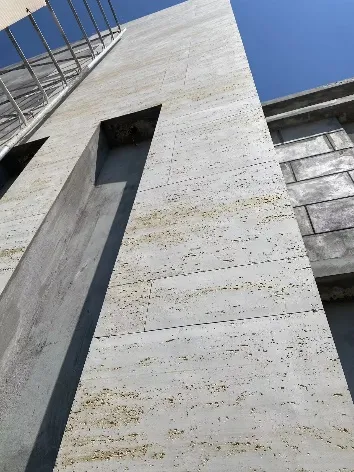
MCM panels are celebrated for their flexibility, but that flexibility means nothing if the supplier can't tailor them to your project's unique needs. Whether you're designing a curved façade for a luxury hotel, a textured accent wall for a residential building, or a large-format panel for a commercial high-rise, your supplier should be able to adapt their products to your specifications. This requires more than just a production line—it requires technical expertise.
Start by assessing the supplier's customization capabilities. Can they produce panels in non-standard sizes? Most MCM panels come in standard dimensions (e.g., 1220x2440mm), but some projects demand larger or smaller panels to minimize seams or fit specific architectural details. Can they match custom colors or textures? Maybe you want a panel that mimics the look of century stone or lunar peak stone—suppliers with in-house design teams and color-matching technology can turn these visions into reality. And what about edge treatments? Beveled, bullnose, or tongue-and-groove edges can elevate the panel's appearance; a supplier with CNC machining capabilities can deliver precise, consistent results.
Equally important is the supplier's ability to provide technical support during the design phase. A great supplier won't just sell you panels—they'll collaborate with your team to ensure the panels are engineered for your project's specific conditions. For example, if you're working on a coastal project in Jeddah, they should recommend panels with enhanced corrosion resistance. If the building is in a seismic zone, they'll advise on installation methods that accommodate movement. This level of expertise turns a transaction into a partnership, ensuring that the panels perform as expected long after installation.
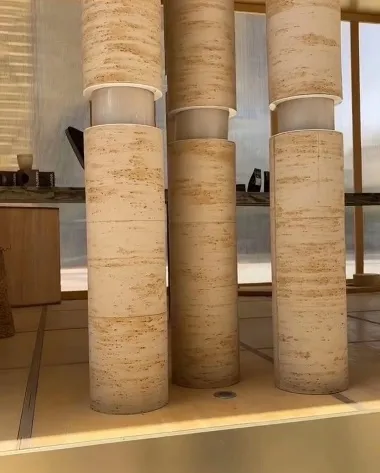
In the construction industry, compliance isn't optional—it's a matter of safety, legality, and reputation. This is especially true in sectors like healthcare, education, and hospitality, where regulations are strict and the stakes are high. When it comes to MCM panels, compliance spans everything from fire safety to environmental sustainability, and it's non-negotiable. A supplier that can't provide clear, verifiable proof of compliance is a risk you can't afford to take.
Let's start with fire safety—a critical concern for any building, but particularly for hospitals, schools, and high-rise structures. In Saudi Arabia, the National Building Code (NBC) mandates strict fire ratings for exterior materials, and MCM panels must meet or exceed these standards. Look for suppliers whose panels have been tested and certified to Class A fire resistance, the highest rating, which means they resist combustion and limit flame spread. This is where comparing MCM panels to specialized fire-rated materials like class A fireproof CPL inorganic boards (used in hospitals and schools) can be insightful: while MCM panels aren't typically used in the same interior applications as CPL boards, their fire performance should still align with the most stringent exterior standards. Ask for third-party test reports from accredited labs (like SGS or Intertek) that confirm the panels' fire rating, as well as their resistance to smoke and toxic fume emission.
Environmental compliance is another key area. Today's developers and clients prioritize sustainability, and MCM panels—when made responsibly—can be an eco-friendly choice. Look for suppliers that use recycled materials in their production process, minimize waste, and hold certifications like LEED or ISO 14001 for environmental management. Additionally, check for compliance with local Saudi standards, such as SASO (Saudi Arabian Standards Organization) certifications, which ensure the panels meet regional quality and safety requirements. Remember: a certificate on paper is meaningless if it can't be verified. Always cross-check certifications with the issuing body to avoid counterfeit claims.
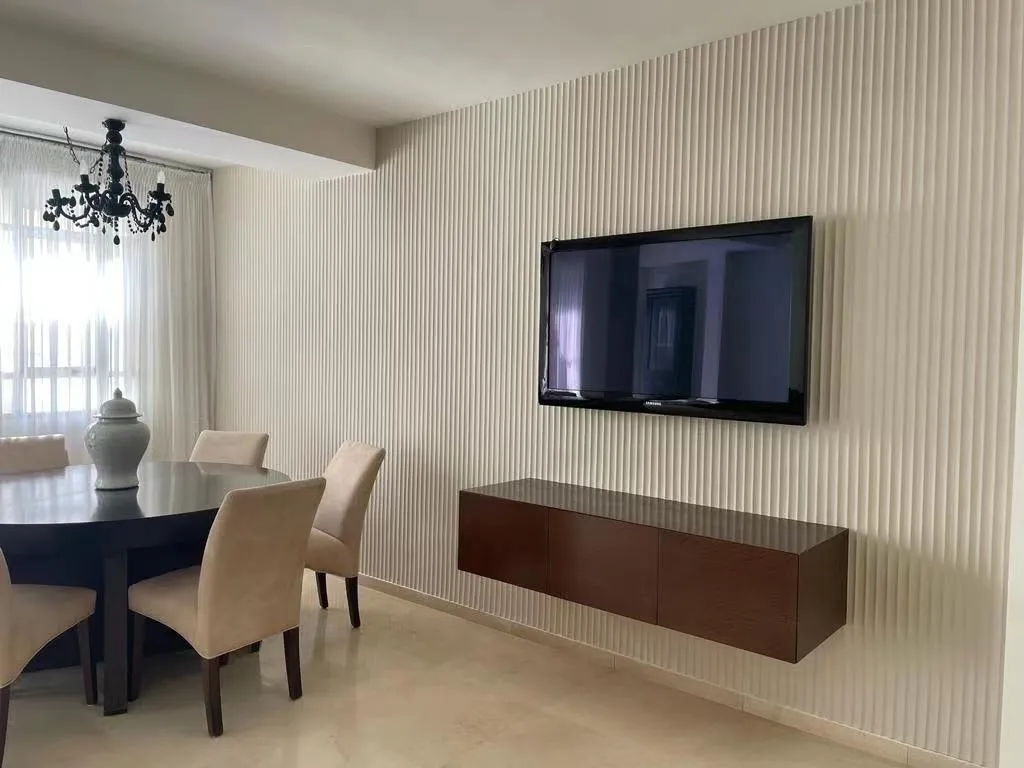
In construction, time is money. A delay in material delivery can throw off project timelines, increase labor costs, and even lead to penalties. For MCM panels, which are often a critical path item in façade construction, supply chain reliability is just as important as product quality. A supplier with a spotty track record of on-time delivery can turn a well-planned project into a logistical nightmare. So, how do you assess a supplier's ability to deliver when you need them to?
Start by examining their production capacity and inventory management. Does the supplier have enough manufacturing facilities to handle your order size? Can they scale up production if your project expands? For example, if you're a residential building materials supplier working on a large housing development, you'll need a steady stream of panels over several months—not just a one-time batch. Suppliers with multiple production lines or partnerships with global manufacturers are better equipped to handle fluctuations in demand.
Next, look at their logistics network, especially if you're based in Saudi Arabia. Shipping materials internationally can be fraught with delays—port congestion, customs issues, and transportation bottlenecks are common. A supplier with local warehousing in Saudi Arabia or strong partnerships with reliable freight forwarders can significantly reduce lead times. For instance, a supplier that stocks panels in a Jeddah warehouse can deliver to a project site in Riyadh within 48 hours, while one shipping from overseas might take 4–6 weeks. Additionally, ask about their contingency plans: What happens if a shipment is delayed? Do they have backup suppliers for raw materials? A supplier that has thought through these scenarios is one that values your project's success as much as you do.

The relationship with your MCM supplier shouldn't end when the last panel is delivered. In fact, some of the most valuable support comes after the sale—during installation, maintenance, and even years down the line. A supplier that offers robust post-sale support demonstrates a commitment to your project's long-term success, not just short-term profit. So, what does good post-sale support look like?
First, installation guidance. MCM panels are flexible, but they require precise installation to ensure they adhere properly and perform as expected. A great supplier will provide detailed installation manuals, video tutorials, or even on-site training for your team. For complex projects, they might send a technical representative to supervise the first phase of installation, ensuring that the crew understands best practices for cutting, sealing, and attaching the panels. This level of support reduces the risk of installation errors that could compromise the panels' performance.
Then there's warranty and maintenance. A solid warranty is more than a piece of paper—it's a promise that the supplier stands behind their product. Look for warranties that cover defects in materials and workmanship for at least 10–15 years, with clear terms on what's included (e.g., fading, delamination) and what's not (e.g., damage from improper installation). Beyond the warranty, the supplier should offer guidance on maintaining the panels over time—how to clean them, what products to avoid, and when to inspect for signs of wear. For example, if the panels are installed in a dusty area like Riyadh, they might recommend annual pressure washing with mild detergent to keep them looking new.
Finally, consider long-term partnership potential. The best suppliers view each project as the start of a relationship, not the end. They'll follow up after installation to check on performance, share new product innovations that might benefit future projects, and even provide referrals to other trusted partners (like flooring suppliers or ceiling solutions providers) if needed. This level of engagement turns a supplier into a resource, helping you stay ahead of industry trends and tackle future projects with confidence.
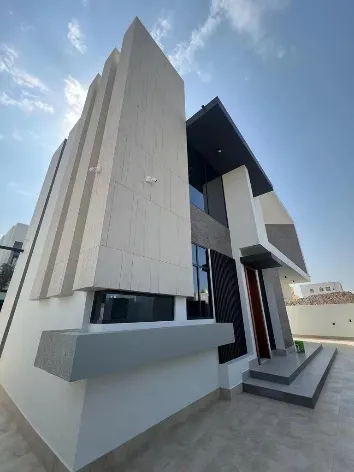
Choosing an MCM flexible cladding stone wall panel supplier is about more than comparing prices or browsing catalogs. It's about finding a partner that shares your commitment to quality, understands your technical needs, complies with the highest standards, delivers reliably, and supports you long after the sale. In a market flooded with options, these five factors will help you cut through the noise and identify the supplier that will turn your architectural vision into a reality—one that stands strong against time, weather, and the demands of modern construction. Whether you're working on a residential complex, a commercial tower, or a public space, the right MCM supplier isn't just a vendor—they're a cornerstone of your project's success. So, take the time to research, ask tough questions, and demand proof. Your building, your team, and your reputation deserve nothing less.
Recommend Products











