
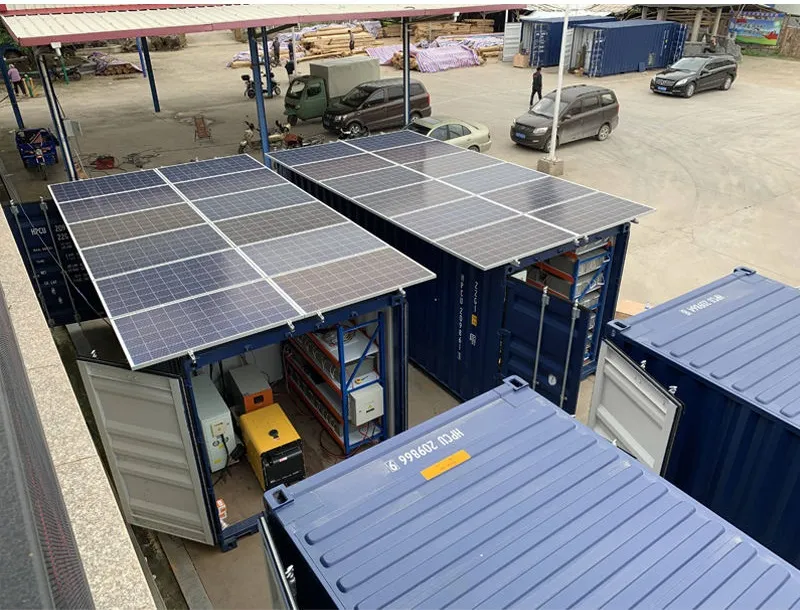
Solar energy adoption is accelerating at an unprecedented pace. Across residential rooftops, commercial buildings, and industrial facilities, 300w solar panels have emerged as one of the most versatile and widely deployed photovoltaic modules on the market. Their balanced combination of power output, physical size, and cost efficiency makes them a go-to choice for projects of varying scales.
But what exactly can a 300-watt solar panel do? How do you evaluate quality when sourcing from overseas suppliers? And why are more project developers turning to a trusted building material supplier that offers solar solutions as part of a comprehensive procurement package? This guide answers these questions and more.
A 300-watt solar panel is a photovoltaic module rated to produce 300 watts of power under standard test conditions (STC). Typically built with monocrystalline silicon cells, these panels measure approximately 1.6 meters by 1 meter and weigh around 18 to 20 kilograms. Their efficiency ratings generally range from 18% to 22%, depending on the cell technology and manufacturing quality.
The 300W class occupies a sweet spot in the solar panel lineup. It delivers enough power to be meaningful for residential and light commercial applications, yet remains compact enough for flexible installation on rooftops, carports, and ground-mounted arrays. Compared to smaller 100W-200W panels, a 300W unit significantly reduces the number of panels needed for a given system size. Compared to larger 400W-500W panels, it offers easier handling and lower per-unit cost, making it particularly attractive for budget-conscious projects.
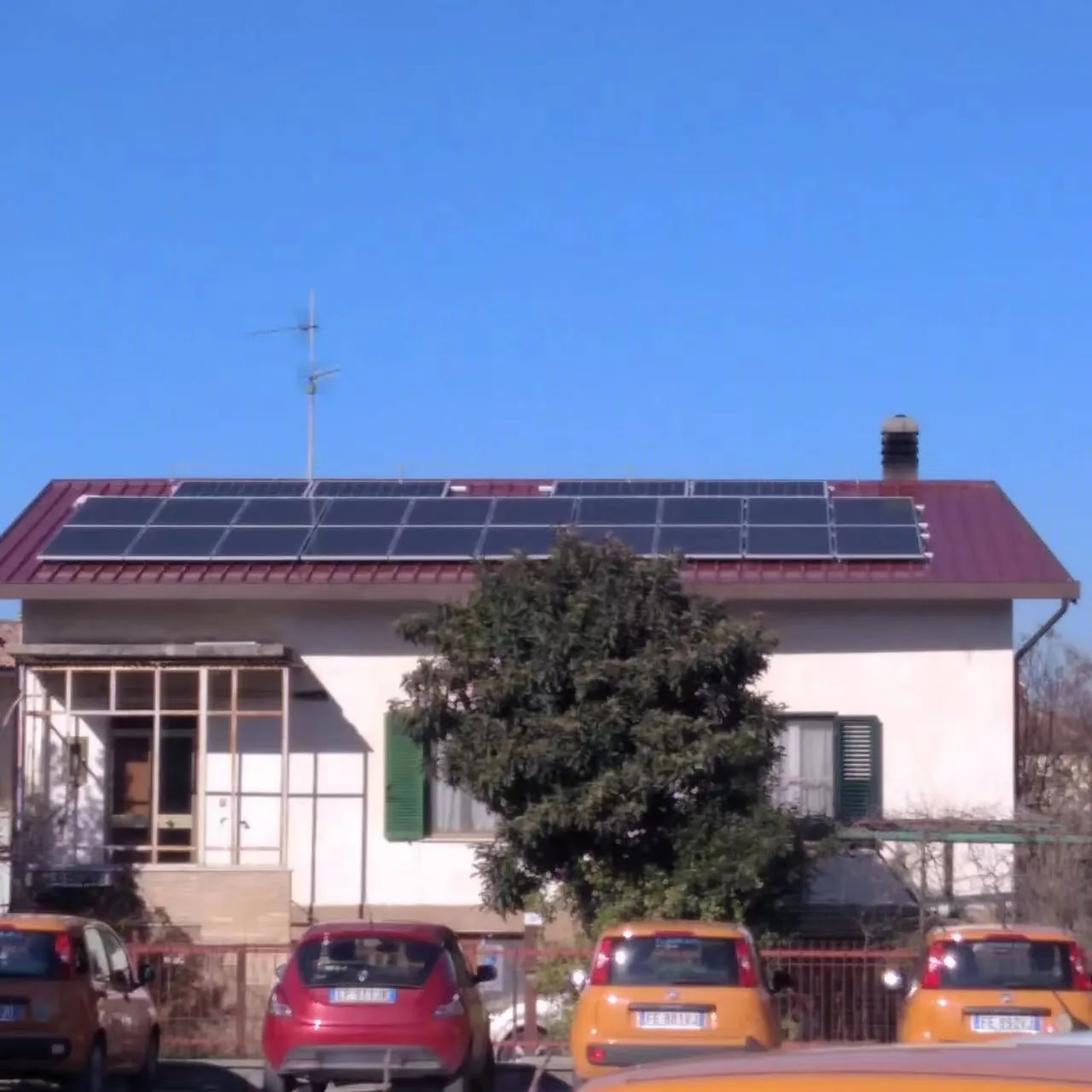
Understanding real-world output helps set realistic expectations. Under optimal sunlight conditions (roughly 4-5 peak sun hours per day), a single 300W panel can generate approximately 1.2 to 1.5 kilowatt-hours (kWh) of electricity daily. Here is what that translates to in practical terms:
Daily output from one 300W panel (1.2-1.5 kWh):
- Run an energy-efficient refrigerator for 8-10 hours
- Power LED lighting for an entire home throughout the evening
- Charge multiple laptops, smartphones, and small electronics
- Operate a television and entertainment system for 4-6 hours
- Run a ceiling fan continuously for 12+ hours
For larger needs, multiple panels are connected in series or parallel to form an array. A 10-panel system (3kW) can cover a significant portion of an average household's daily electricity consumption. A 20-panel system (6kW) can approach full energy independence for many homes, especially when paired with battery storage.
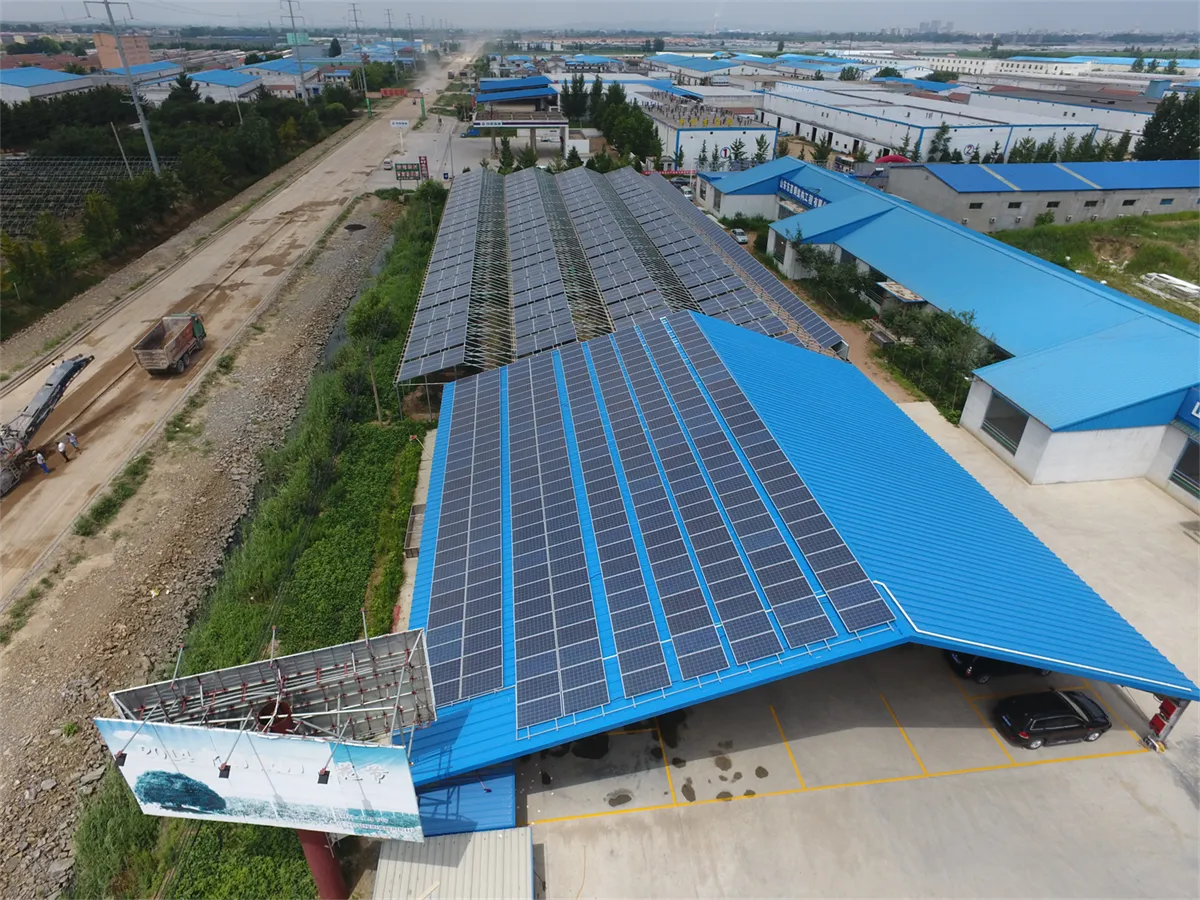
The versatility of 300W panels makes them suitable across multiple project types. On the residential side, homeowners install them to reduce utility bills, increase property value, and achieve greater energy independence. They are commonly deployed on sloped roofs, flat roofs with tilt mounts, and backyard ground arrays.
In the commercial and industrial sectors, 300W panels serve a different role. They are frequently used in solar farms, warehouse rooftop installations, agricultural facilities, and as supplementary power sources for manufacturing plants. For businesses, the return on investment is driven not only by electricity savings but also by government incentives, tax credits, and corporate sustainability commitments that increasingly influence supply chain decisions.
Schools, hospitals, and public buildings also benefit from 300W installations. These projects often require panels that meet strict safety certifications, including fire resistance ratings and structural integrity standards. When sourcing for institutional projects, buyers should verify that panels carry recognized international certifications such as IEC 61215 and IEC 61730.
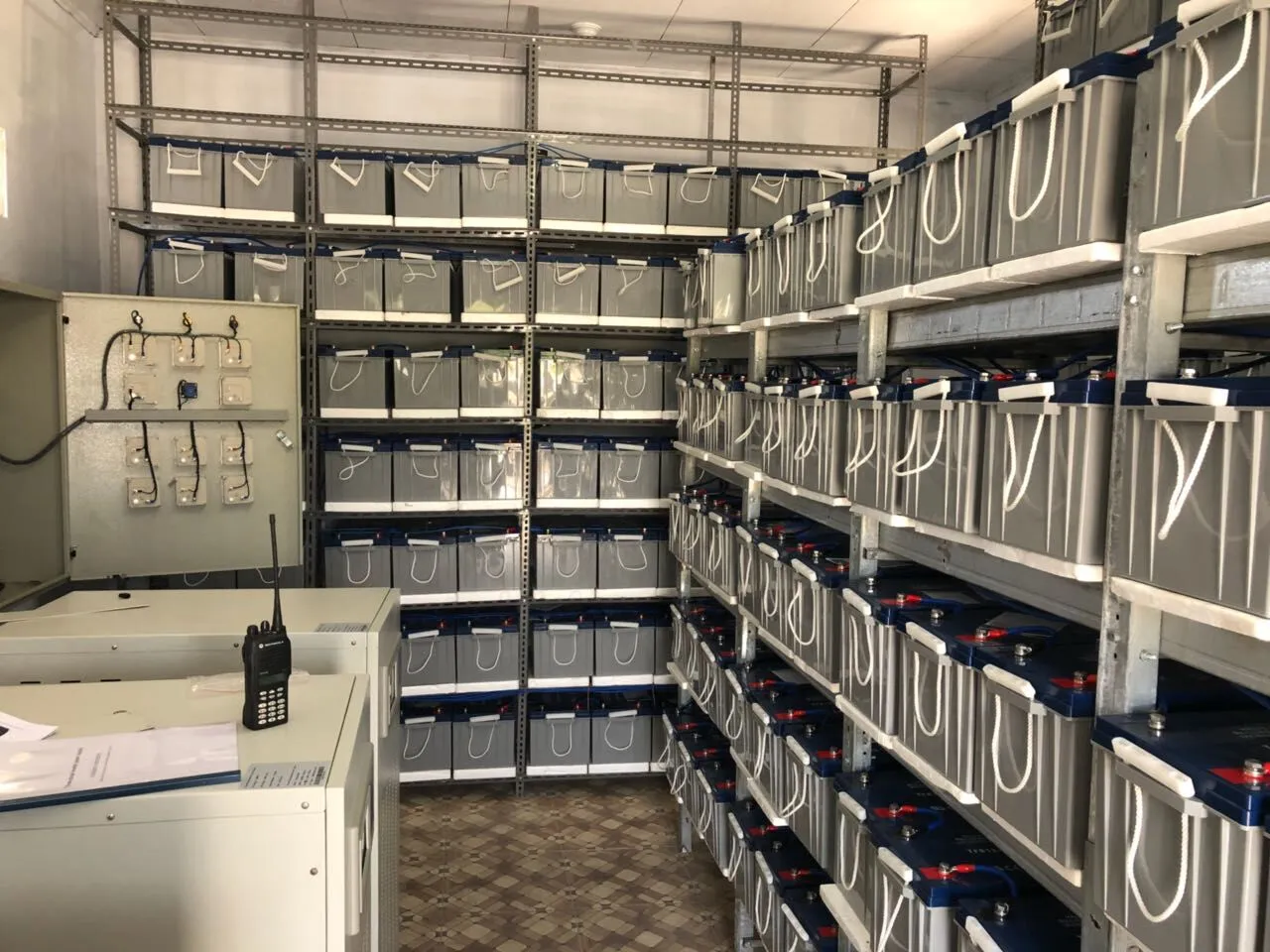
Not all 300W panels are created equal. The difference between a high-quality panel that lasts 25 years and a substandard one that degrades within five often comes down to materials, manufacturing processes, and quality control. Here are the critical factors to assess:
Cell Type and Efficiency: Monocrystalline cells offer higher efficiency and better performance in low-light conditions compared to polycrystalline alternatives. Look for panels with efficiency ratings above 19% for optimal energy yield per square meter.
Temperature Coefficient: All solar panels lose efficiency as temperatures rise. The temperature coefficient indicates how much power output drops per degree Celsius above 25°C. A lower coefficient (e.g., -0.35%/°C vs. -0.45%/°C) means better performance in hot climates, which is particularly important for projects in the Middle East, Southeast Asia, and Africa.
Build Quality and Materials: Examine the frame material (anodized aluminum is standard), the junction box quality, and the type of encapsulation. Panels with double-glass construction offer enhanced durability and fire resistance, extending service life well beyond standard models.
Certifications: Verify that panels carry IEC 61215 (design qualification), IEC 61730 (safety qualification), and ISO 9001 (quality management). For projects in specific regions, additional certifications like UL (North America) or TUV (Europe) may be required.
Warranty Terms: A reputable manufacturer offers at least a 10-year product warranty and a 25-year linear performance warranty guaranteeing 80%+ of rated output at year 25. Read the fine print; some warranties contain exclusions that substantially reduce real-world coverage.
Sourcing solar panels is rarely a standalone exercise. Most construction and renovation projects require a coordinated supply of walls, flooring, electrical fixtures, piping, and a range of other building materials alongside solar components. Coordinating multiple suppliers across different categories creates logistical complexity, increases shipping costs, and introduces quality control risks.
This is where a one-stop architectural solution provider delivers tangible value. Instead of managing separate relationships with a solar panel factory, a cable manufacturer, a mounting structure supplier, and a dozen other vendors, project developers can consolidate procurement through a single partner. The benefits include consolidated shipping with lower freight costs, unified quality assurance standards, simplified communication with a single point of contact, and faster project timelines through coordinated logistics.
COLORIA GROUP exemplifies this integrated approach. Headquartered in Foshan, China — a global hub for building materials manufacturing — the company supplies solar panels as part of a comprehensive catalog spanning 13 product categories, from walls and flooring to elevators, lighting, and electrical systems. With an overseas agent in Saudi Arabia and experience serving clients across multiple continents, COLORIA GROUP understands the documentation, certification, and logistics requirements of international construction projects.
Even the best panels underperform if installed incorrectly. Proper orientation and tilt angle are fundamental — in the Northern Hemisphere, panels should face true south at an angle roughly equal to the installation site's latitude for year-round performance. Shading from trees, adjacent buildings, or rooftop equipment can disproportionately reduce output, so a thorough site assessment before installation is essential.
The choice of inverter also matters. String inverters are cost-effective for arrays with uniform sunlight exposure, while microinverters or power optimizers provide better performance when panels face different directions or experience partial shading. For off-grid or hybrid systems, charge controllers and battery banks must be sized correctly to match the panel array's output.
Professional installation by certified technicians ensures compliance with local electrical codes and safety standards. Many jurisdictions require permits and inspections for solar installations, and using unqualified installers can void manufacturer warranties and insurance coverage.
The solar industry has undergone dramatic cost reductions over the past decade. Manufacturing scale, technological improvements, and competitive supply chains have driven per-watt costs to historic lows. For buyers sourcing from China, 300W panels currently represent one of the best value propositions in the solar market, offering an optimal balance of upfront cost and long-term energy yield.
When calculating return on investment, consider not just the panel price but the full system cost — including mounting structures, inverters, wiring, installation labor, and shipping. The levelized cost of electricity (LCOE) from a well-designed 300W panel system is now competitive with or lower than grid electricity in most regions worldwide. Payback periods typically range from 3 to 7 years for residential systems and 2 to 5 years for commercial installations, after which the system generates essentially free electricity for the remainder of its 25+ year lifespan.
Ready to Source 300W Solar Panels for Your Next Project?
COLORIA GROUP offers high-quality solar panels as part of a complete building materials supply solution. Whether you need panels for a residential development, a commercial rooftop installation, or a large-scale solar farm, we provide competitive pricing, international certifications, and reliable logistics support.
With 13 product categories under one roof, we simplify your procurement process — from walls and flooring to electrical systems and solar panels. Contact us today at +86-13630185350 (WhatsApp/WeChat) or visit www.coloriagroup.net to discuss your project requirements and request a quotation.
Recommend Products












