
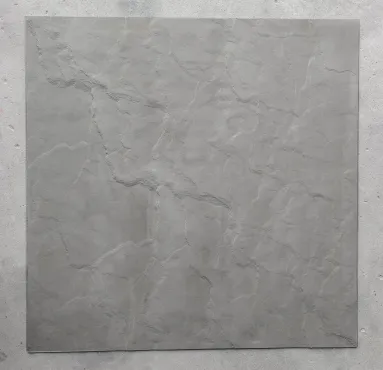
Picture this: You're renovating your home, dreaming of that gorgeous stone finish for your kitchen countertops or bathroom walls. But then you learn about the environmental toll of quarrying natural stone – the energy consumption, habitat destruction, and carbon emissions. It’s enough to make any eco-conscious homeowner pause. Well, what if I told you there's a smarter way? Enter innovative products like Bali Stone and Epoch Stone – imitation stone marvels that deliver all the beauty without bulldozing mountains.
For years, the construction industry has grappled with a dilemma: how to balance our desire for beautiful spaces with our responsibility to protect the planet. The breakthroughs we're seeing today in materials science are nothing short of revolutionary. We're talking about stones born not in quarries, but in labs and factories – creations that actually turn industrial waste into premium building materials.
Here's the game-changer: modern imitation stone isn't just a "fake" alternative anymore. With advanced formulations like those using phosphogypsum – a byproduct of fertilizer production that normally ends up in massive waste piles – we're achieving triple wins: solving waste problems, reducing extraction needs, and creating high-performance materials that outperform many natural options.
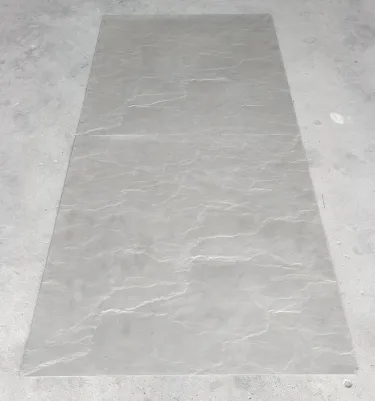
Let's peel back the curtain on how imitation stone like Bali Stone transforms waste into luxury. The secret sauce lies in innovative recipes that blend industrial byproducts with smart chemistry:
Remember when "recycled materials" meant compromised quality? That old narrative has been shattered. Today's top-tier imitation stones undergo such rigorous testing and refinement that they're often chosen for high-traffic commercial spaces where natural stone might chip or stain. Take the Epoch Stone formulation – its compression resistance stats would impress even the most skeptical architect.
But here's where it gets really exciting: the production technology keeps pushing boundaries. Recent developments are yielding imitation stones with thermal properties that reduce heating/cooling costs, and formulations that actually improve indoor air quality. We're moving beyond simply copying nature to enhancing what nature offers.
Let's talk certifications – the trustworthy guides in a marketplace flooded with green claims. When evaluating imitation stone products, smart buyers look for these heavyweight validations:
Navigating certifications can feel like decoding hieroglyphics, but the effort pays off. Products with certifications like XertifiX or Ethical Stone Register compliance aren't just checking boxes – they're proving responsible supply chains where workers are treated fairly and ecosystems are protected. That bamboo charcoal wallboard integration isn't just about aesthetics; it's about cleaner air in your living spaces.
The certification revolution is changing how projects get built. Architects tell me they're increasingly specifying certified imitation stones not just for environmental points, but because the documentation makes their jobs easier. When every product choice needs to justify its carbon footprint, having EPDs and LCAs ready makes specification decisions clearer and faster.
Certification documents matter, but what really counts is how a material performs in the real world. Cutting-edge producers of imitation stone aren't just meeting standards – they're rewriting them with operational practices that would make any sustainability officer smile:
The implications go way beyond factory walls. When a producer implements advanced water treatment and reuse protocols – like many leaders in the imitation stone sector now do – they're not just reducing their water bill. They're protecting local watersheds, ensuring communities downstream have clean water, and demonstrating responsible stewardship.
So why are products like Bali Stone and Epoch Stone capturing the market? Beyond their green credentials, they solve practical headaches that have plagued builders and homeowners for years:
But what really makes me excited about this generation of imitation stone is how it makes sustainability accessible. You don't need a mansion budget to afford Epoch Stone – its competitive pricing brings eco-friendly design within reach of everyday homeowners. And Bali Stone? It's proving that high-performance materials don't require mining mountaintops.
The future-forward thinking in this space is remarkable. Progressive manufacturers aren't just aiming to make imitation stone – they're creating products designed for deconstruction and reuse at the end of their service life. It's a cradle-to-cradle approach that's redefining what "sustainable building material" really means.
Ready to make smarter choices for your next project? Cut through the green noise with these practical steps:
When reviewing products like Bali Stone, don't just consider the immediate costs – factor in the lifetime value. The energy saved during installation, the durability that avoids replacement costs, the potential health benefits from cleaner indoor air – these stack up to create value that goes way beyond the price per square foot. Epoch Stone’s enhanced thermal capabilities might raise the initial investment slightly, but could save thousands in climate control expenses over time.
The stone you choose for your next project is more than a design decision – it's a vote for the kind of world we're building. With innovative products like Bali Stone and Epoch Stone leading the way, we're witnessing a materials renaissance where waste transforms into beauty, where certifications translate to accountability, and where "sustainability" evolves from buzzword to measurable reality.
What excites me most isn't just the technology – it's the mindset shift. We're moving beyond simply avoiding harm to actively creating benefit. When an imitation stone factory cleans water before returning it to the watershed or uses its waste heat to power neighboring businesses, that's regenerative design in action. These aren't merely products; they're embodiments of a new relationship with the planet.
The journey continues. Next-generation imitation stones incorporating photocatalytic technology that breaks down air pollutants are already in development. Innovations in low-carbon binders promise to slash production emissions even further. As the market embraces these solutions, their availability and affordability will only increase, making sustainable design accessible to all.
So when you next plan a renovation or construction project, consider asking: Could this space be beautiful AND restorative? With the advances in environmentally conscious imitation stone technology and certification, that aspiration isn't just possible – it's within your grasp. The stones of the future are here today, offering not just surfaces, but solutions.
Recommend Products












