
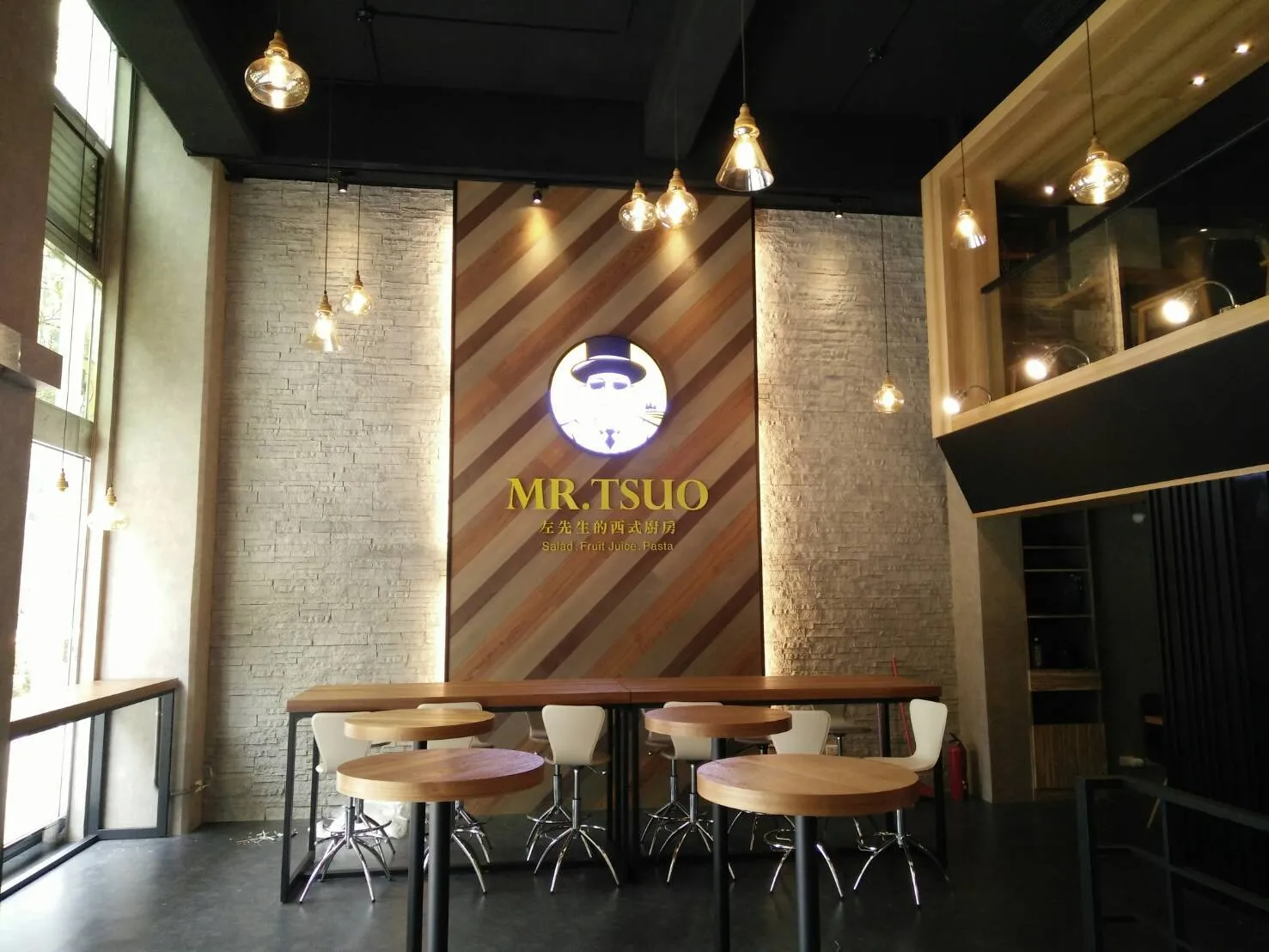
You know that feeling when you walk into a space and just stop dead in your tracks? When your eyes land on a textured accent wall or a unique metal sculpture, and you can't help but run your fingers over the surface? That visceral pull - that's the power of rust stone effect finishes done right. It's that perfect combination of raw industrial edge and earthy sophistication that makes your heart skip a beat.
What most people don't realize is that achieving that "accidental beauty" look is actually incredibly intentional. The magic happens when you're able to control the degree of rust and color to create something uniquely yours. It's like conducting an orchestra where the musicians are iron oxide, primer, and pigments - and you're the maestro.
"Real beauty lives in the imperfections," says master artisan Maria Chen. "The genius of rust stone effects isn't just about replicating age - it's about directing how time itself seems to have touched the surface."
Whether you're dreaming of kitchen backsplashes that tell stories, accent walls that feel like artifacts, or furniture pieces that could've been salvaged from an industrial revolution workshop, the secret lies in understanding how to manipulate three core variables: base layers, oxidation triggers, and color saturation. Get this trifecta right, and you'll create surfaces that don't just catch light but capture imaginations.
Gone are the days when distressed finishes only belonged in gritty industrial spaces. Today's applications will surprise you:
Kitchen Counter Revolution: Imagine quartz counters with rust trails flowing like desert canyons. Not full coverage - just artful streaks where water might naturally pool and react over decades.
Furniture with Soul: That IKEA bookshelf transformed with controlled corrosion along its edges looks like it survived a century in a Parisian artist's loft.
Bathroom Sanctuary: Custom shower niches where rust patterns emerge from tile grout lines like ancient geological formations.
Outdoor Oasis: Garden planters where oxidation clusters at drainage points - nature enhancing nature.
The key is restraint. "We're not making junkyard chic," laughs Toronto-based designer Liam Frost. "It's about creating focal points where the eye expects beauty to emerge through time and use. Place rust strategically where moisture or friction would naturally occur over decades."
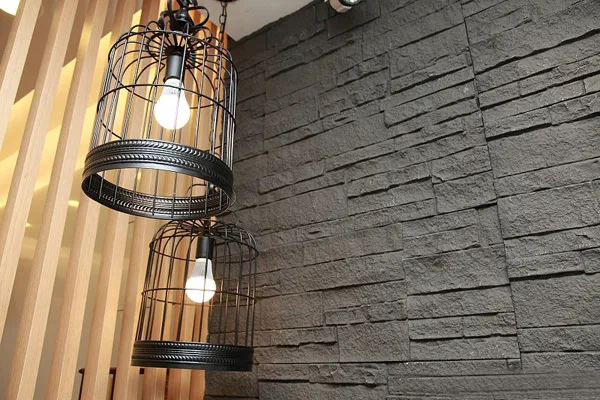
Creating authentic rust effects is like being a culinary artist - knowing precisely how ingredients interact is everything. Here's what you need in your toolbox:
Primer Science: Your base coat determines everything. Zinc-rich primers create fine-grained rust like you'd see on old tools. Iron oxide primers produce dramatic geological veining. For that iconic red-orange bloom, nothing beats pure iron particle bases.
Trigger Solutions: These are your secret weapons for directing rust patterns. Saline solutions create delicate lacework patterns perfect for decorative accents. Vinegar/peroxide blends give bold abstract stains ideal for statement walls. For that coveted crystalline texture, ammonia-based triggers are magic.
Pigment Control: Want Tuscan terra-cotta tones rather than industrial decay? Mineral pigments are your color dials. Mix burnt sienna into sealants for warm desert hues. Blend raw umber with matte sealers for deep archaeological richness. A hint of metallic copper dust beneath patinas creates breathtaking depth.
Designer Tip: Test trigger solutions on sample tiles with timer intervals marked. You'll see how 20 minutes vs. 45 minutes creates completely different personalities - like watching time-lapse weathering.
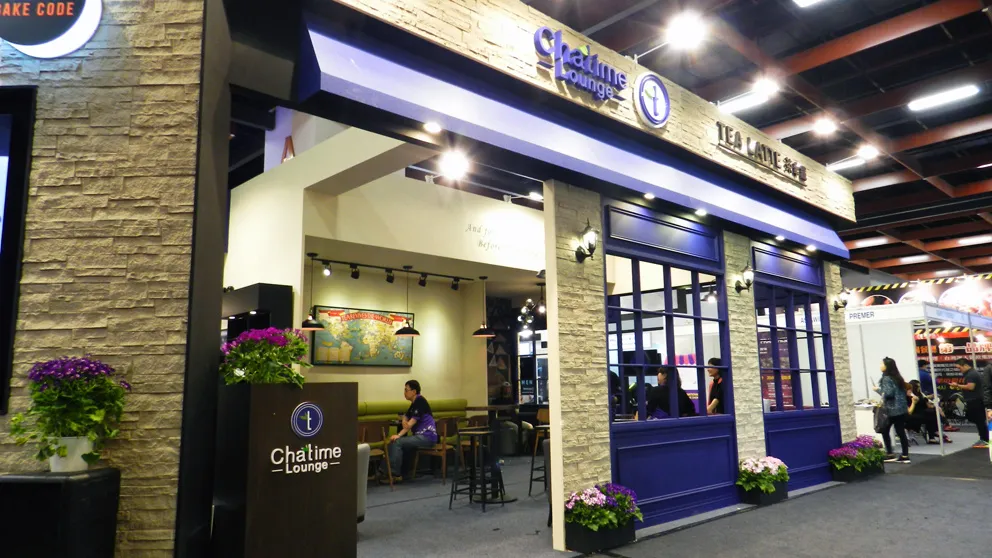
Creating believable corrosion follows subtle rules that make all the difference:
Density Logic: Heavier rust deposits always form where moisture lingers - under table ledges, behind faucet bases, near window sills. Placing it randomly destroys the illusion.
Gradient Truth: Real oxidation transitions gradually. Apply your pigment solutions in washes, letting colors diffuse from intense centers to soft, hazy edges.
Surface Memory: Faux finishes reveal their truth at edges. Always carry rust effects around corners and onto hidden surfaces slightly. That subconscious continuity tricks the eye into believing in authenticity.
"What most DIYers miss is texture," confesses artisan Elena Rodriguez. "Real rust isn't a flat stain. It has topography. Layer matte sealants with pearlescent micro-glitters in seal coats. When light hits different angles, those crystalline fractures appear."
Today's most exciting rust effect systems combine aesthetics with eco-intelligence:
Water-Based Warriors: High-performance acrylic formulas that achieve deep patinas without heavy solvents, making them kitchen-safe and eco-friendly.
Mineral Reinforcement: Formulas infused with quartz or recycled glass particles that increase surface integrity while enhancing natural texture.
Self-Healing Sealants: Nano-engineered top coats that resist scratches while allowing controlled pigment evolution over years - the finish actually matures gracefully.
When done correctly, these finishes become more than surface treatments. They become architectural storytellers, inviting touch and wonder. That bookcase isn't just holding novels - it's holding history. That backsplash isn't just protecting drywall - it's displaying geological art.
What we're really creating aren't just walls or furniture surfaces, but conversation pieces that bridge industrial history with modern design. Each carefully controlled streak of rust becomes a testament to the beauty of time, craftsmanship, and our human desire to find magic in what others might see as decay.
That's the true power of rust stone effect mastery - it turns function into poetry, surfaces into stories, and houses into homes with soul.
Recommend Products












