
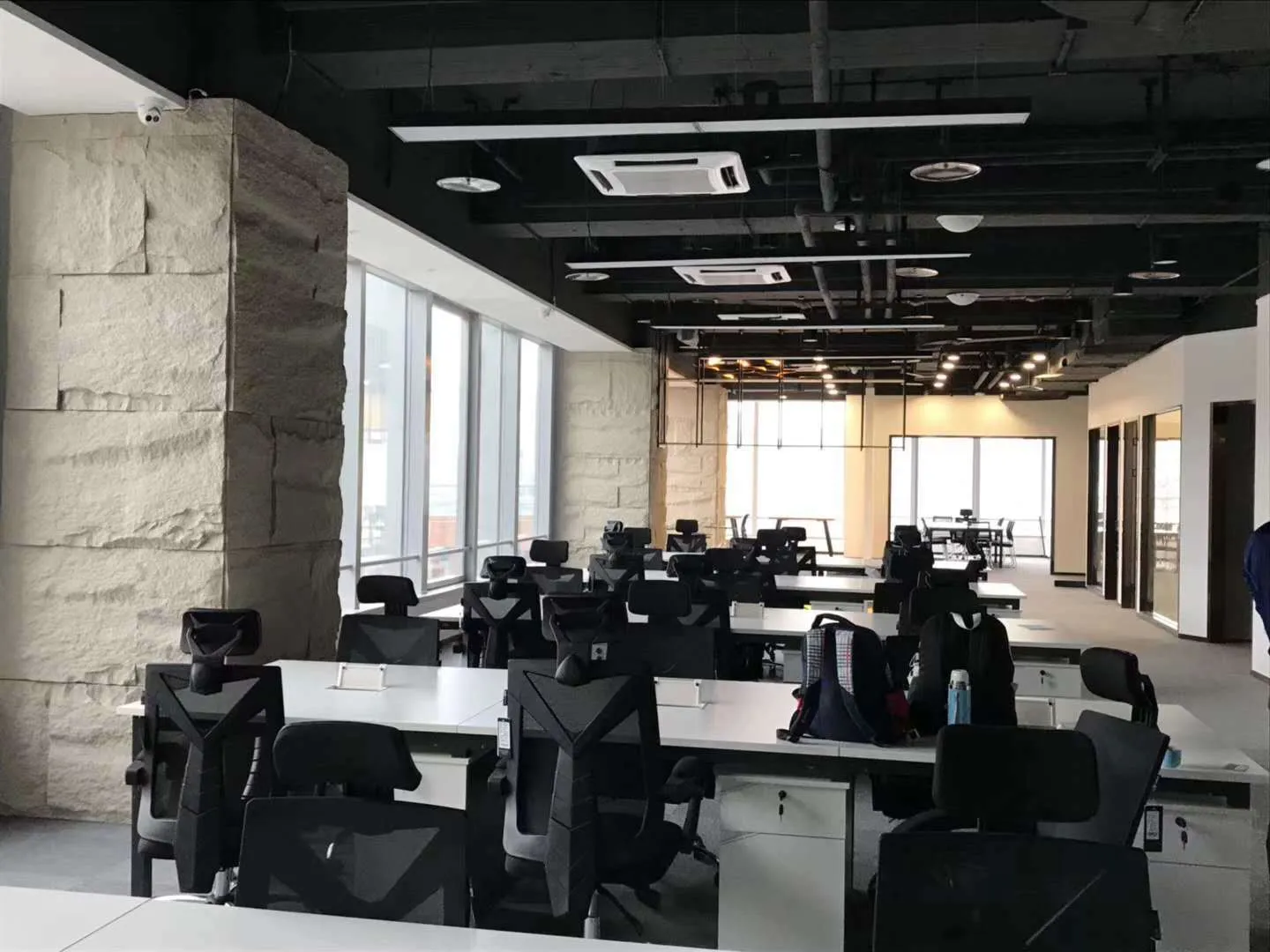
Remember when natural stone meant back-breaking slabs that took teams of installers and reinforced structures? Those days are fading faster than you'd think. What if I told you we're entering an era where stone becomes as flexible as fabric, as light as cardboard, and as customizable as your smartphone case? That's not sci-fi – it's happening right now with stone skin technology.
Walk with me through Milan's design studios or New York's luxury apartments, and you'll spot something surprising. Those breathtaking curved walls with marble veins aren't solid blocks – they're often less than 5mm thick. Architects are creating stone waterfalls that flow down walls without cracking, and designers are wrapping columns in granite that behaves like leather. How? The secret sauce is a revolutionary combination of ancient material wisdom and space-age engineering.
Imagine shaving stone so thin that light passes through it like amber, yet reinforcing it with carbon fiber to give it superhero strength. That's the core innovation:
• Granite or marble sliced down to 3-6mm thickness (about 10% of traditional slabs)
• Bonded to carbon fiber or fiberglass mesh using aerospace-grade adhesives
• Vacuum-sealed to eliminate air pockets in a process called "bagging"
The result? A material with the soul of quarried stone but the flexibility of modern composites. You get the eternal beauty of natural patterns that took millennia to form, but now bend to creative whims without cracking under pressure.
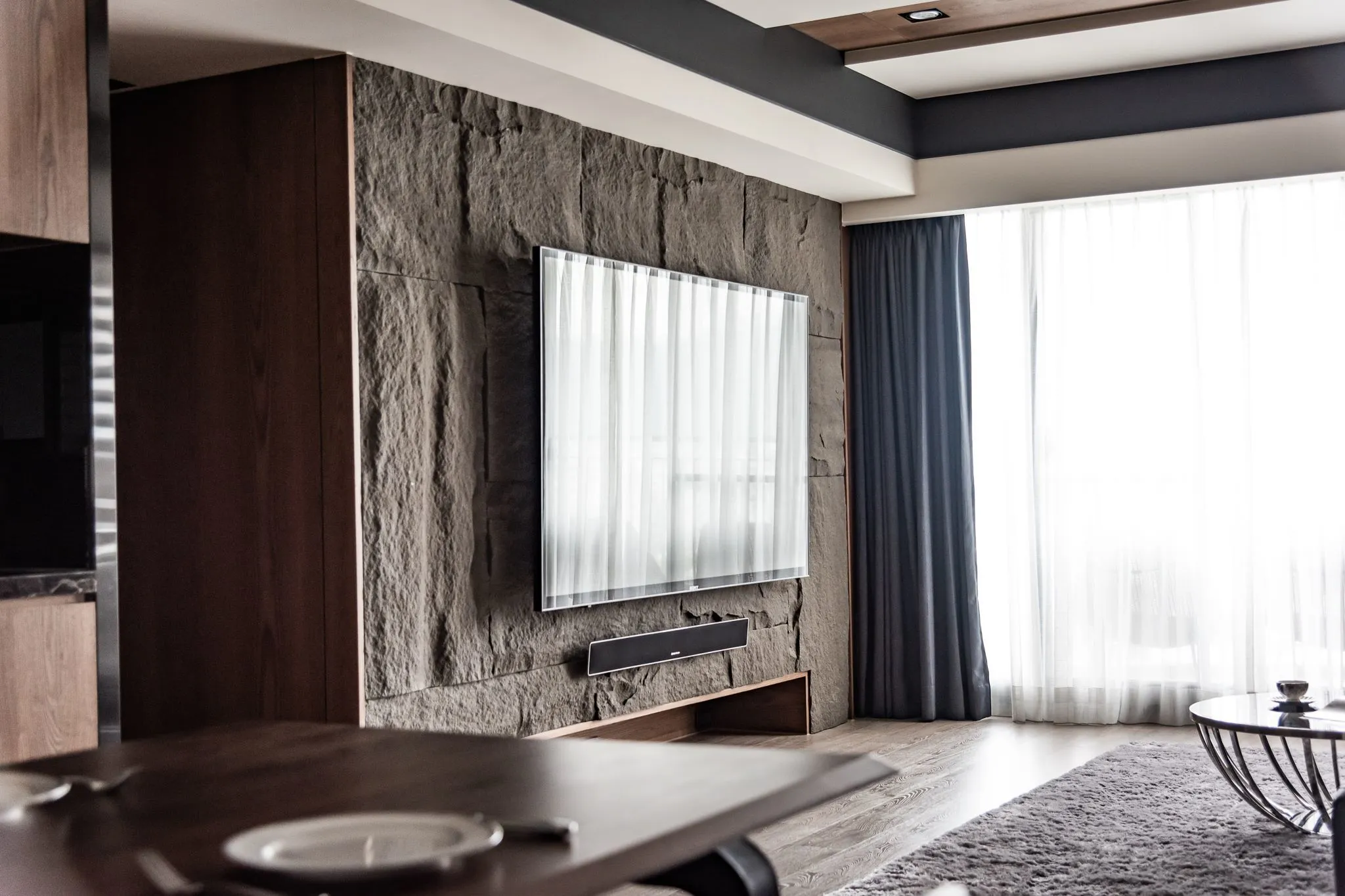
Traditional stone limited designers to flat surfaces and right angles. Stone skin technology breaks these chains with stunning force:
The Sfera installation proved stone could become a glowing orb. Perlato di Sicilia panels just 4mm thick, backlit to reveal hidden translucency, formed a structure that seemed to float. Each piece curved in two directions simultaneously – something traditional stone simply can't do without massive thickness.
Consider the prototypes testing heat-responsive stone composites. Thin stone layers bonded with shape-memory polymers can actually curl when warmed, creating self-adjusting sunscreens. It's stone that doesn't just sit there – it interacts with its environment.
A recent Beverly Hills project featured a 16-foot suspended stone "cloud" in a foyer. Using stone skin technology, the entire installation weighed less than the marble fireplace beneath it. Installers joked they could've carried it up the stairs instead of using cranes.
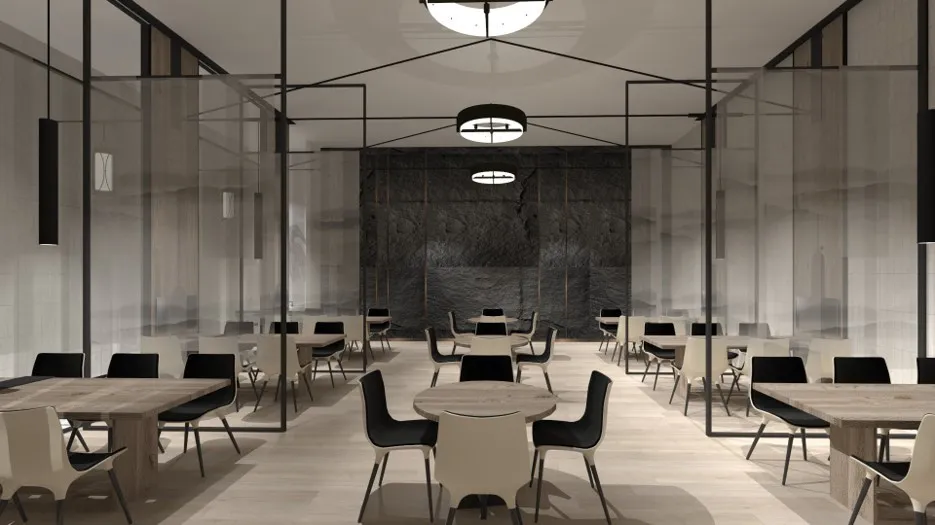
The real magic happens when you blend stone skin with other materials:
Picture walnut panels embedded with Carrara marble strips that flow like rivers through the grain. The thermal stability of stone prevents wood warping, while wood provides insulation stone alone can't offer.
Bonding patinated copper to Pietra Grey stone creates surfaces that change over time. The copper develops its signature verdigris, while the stone remains timeless – a conversation-starting combination for hospitality venues.
At a Geneva tech campus, designers created acoustic walls where stone skin floats over recycled PET foam cores. They achieved Class-A fire ratings while upcycling plastic waste – proving luxury and sustainability aren't mutually exclusive.
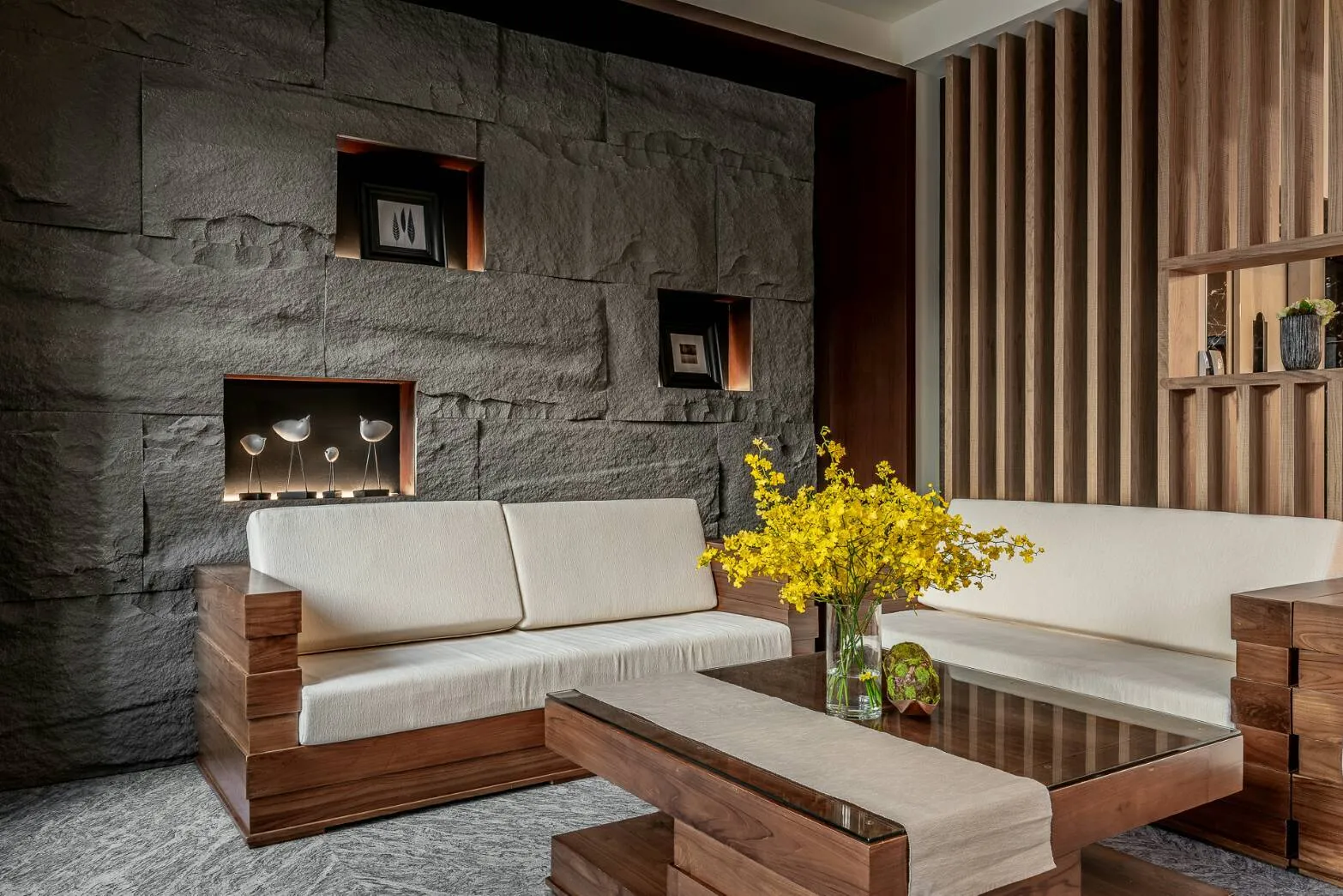
Traditional stone installation required armies of masons. With stone skin technology, three people installed a 40-square-foot feature wall in a Shanghai penthouse before lunch. The secret? Precision CNC-milled panels with integrated aluminum rails that click together like giant puzzle pieces.
For commercial projects, this translates to compressed timelines. A Berlin boutique hotel shaved six weeks off their renovation schedule using stone skin panels with pre-fitted connectors.
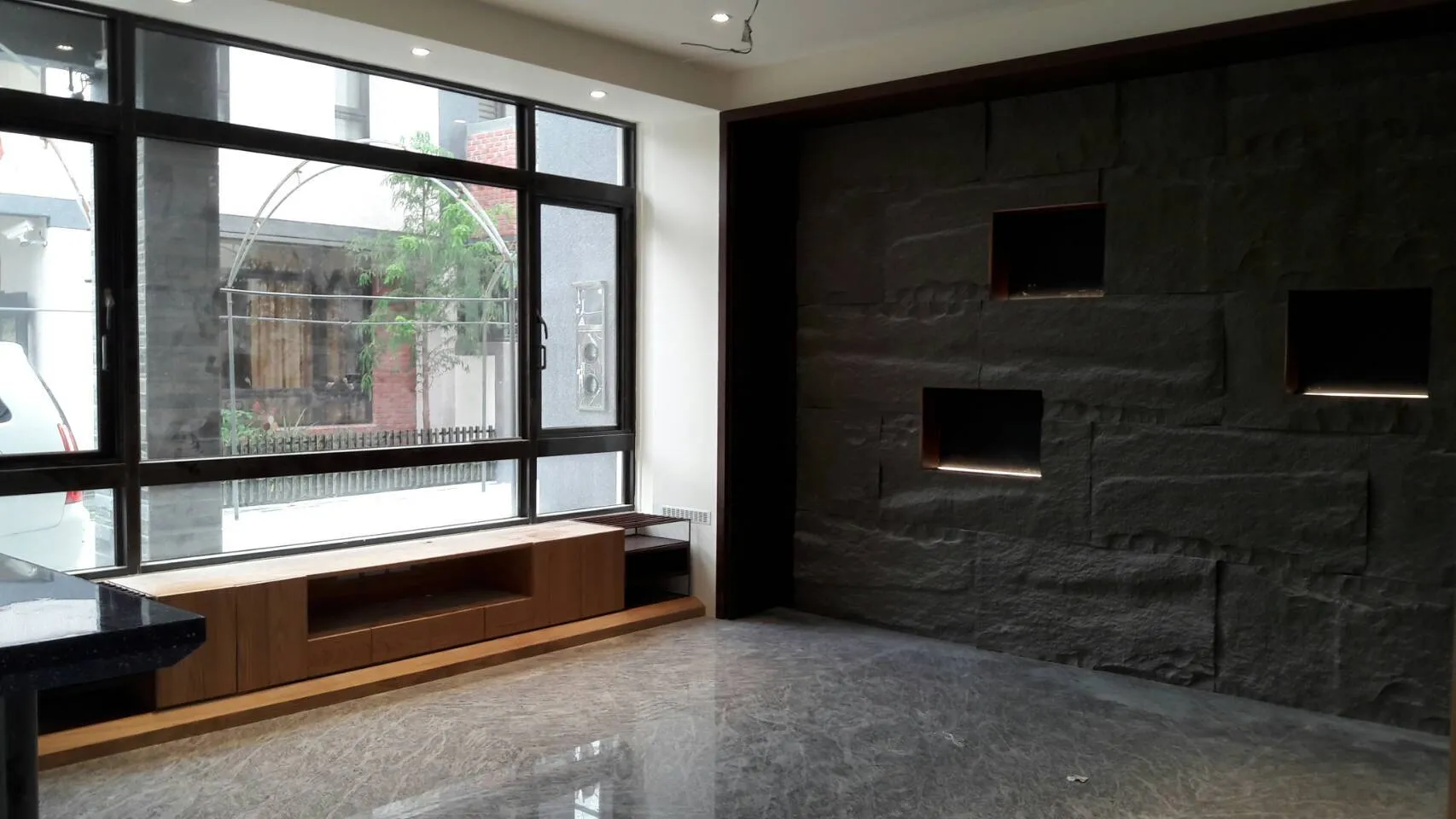
Perhaps the most magical transformation happens when thin stone meets light. Unlike opaque slabs, stone at 3-5mm thickness begins to transmit light:
• Calacatta Gold appears to glow from within when backlit
• Nero Marquina becomes a shimmering dark veil with embedded LEDs
• Blue Bahia reveals hidden crystalline structures like stained glass
Forward-thinking designers aren't just installing these luminous stone walls – they're programming them. Dynamic color-shifting LED arrays turn stone into screens that change with seasons, events, or moods.
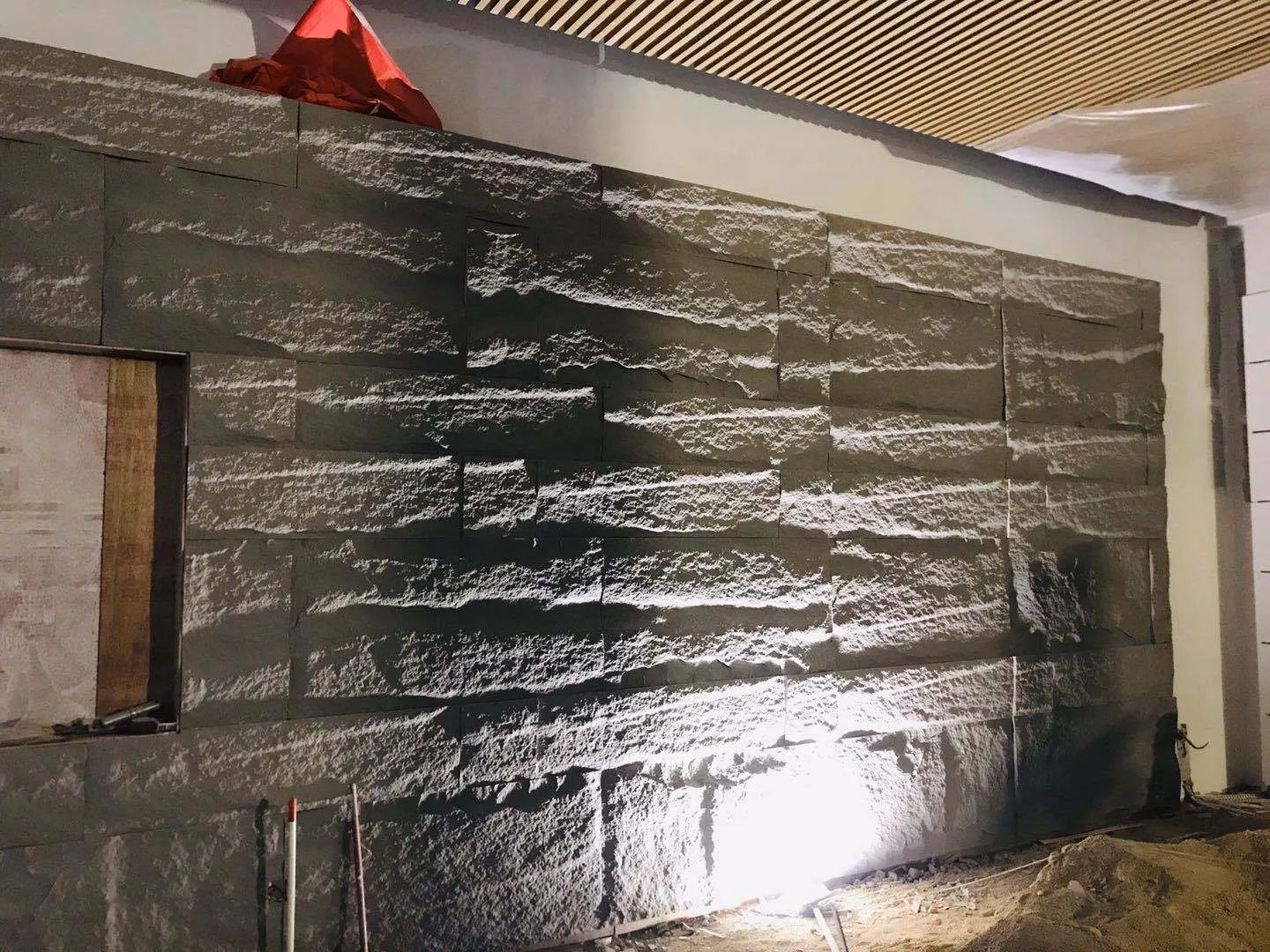
While material costs run 15-20% higher than conventional stone, the gap is closing. Reduced shipping weight and installation time often neutralize the difference for commercial projects.
The biggest challenge isn't the material – it's our thinking. Contractors used to working with rigid slabs need to learn that stone skin has its own rulebook:
• Cutting requires diamond wires rather than blades
• Adhesives need precise temperature control
• Seams become design features rather than flaws
Current research is pushing boundaries in exciting ways:
• Solar-reactive stone that generates power from its surface
• Self-healing polymers that fill minor cracks automatically
• Quantum dot enhancements that intensify natural colors
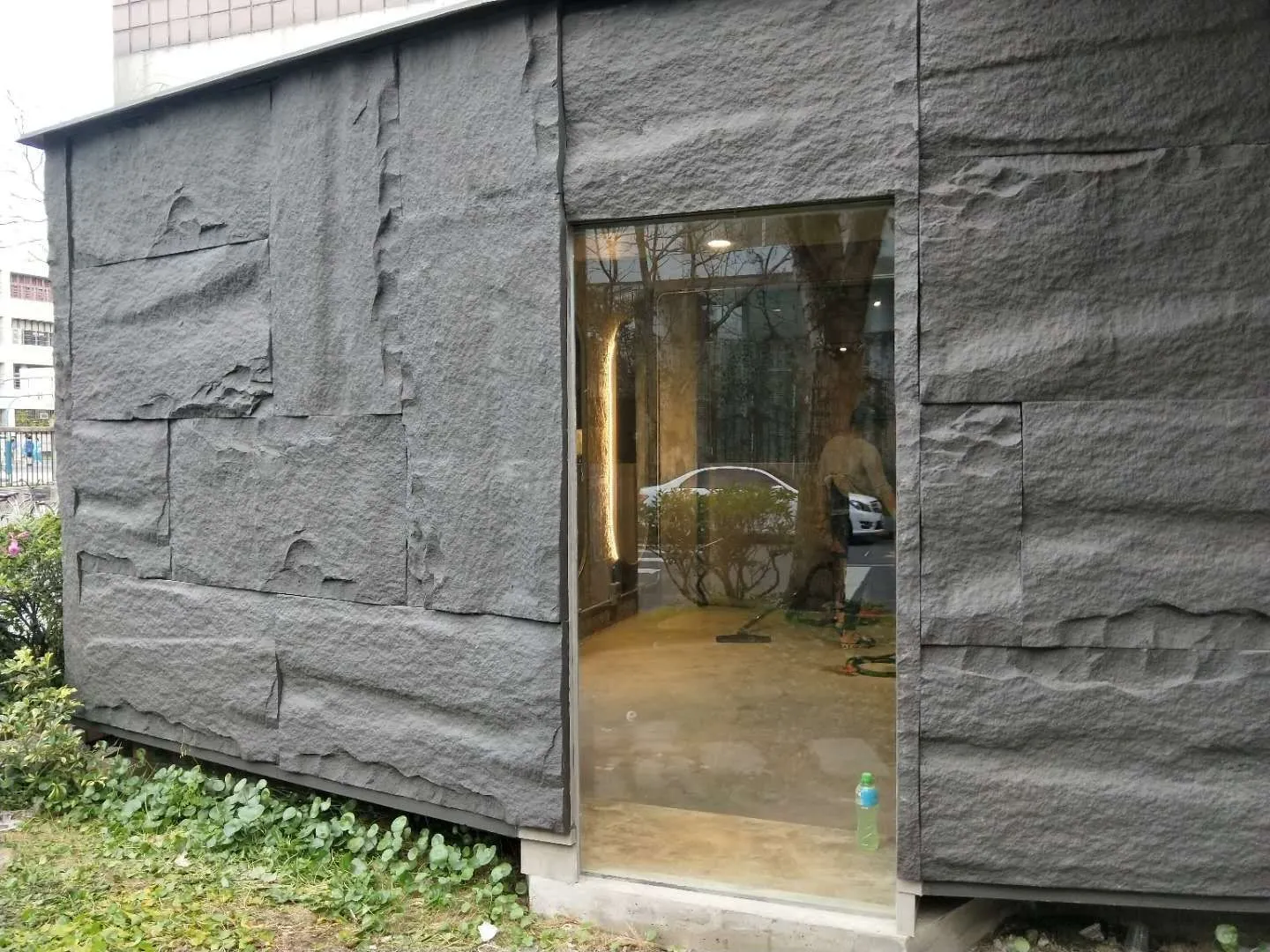
Stone skin technology demolishes design limitations we thought were permanent:
• Historic renovations where structure can't support heavy stone
• Floating staircases with stone treads seemingly defying gravity
• Curved elevator cabs lined with book-matched marble
• Ephemeral installations at design fairs – no more wasted stone
Imagine furniture with seamless stone upholstery, automotive interiors wrapped in basalt, or yacht hulls with pearlescent stone finishes. When sustainable and affordable solutions meet aesthetic flexibility, we've crossed from niche technology to design revolution.
For property developers, this technology offers value-add opportunities for both residential and commercial interiors. The dual benefits of aesthetic enhancement and functional performance make it a compelling choice for projects aiming to stand out in competitive markets.
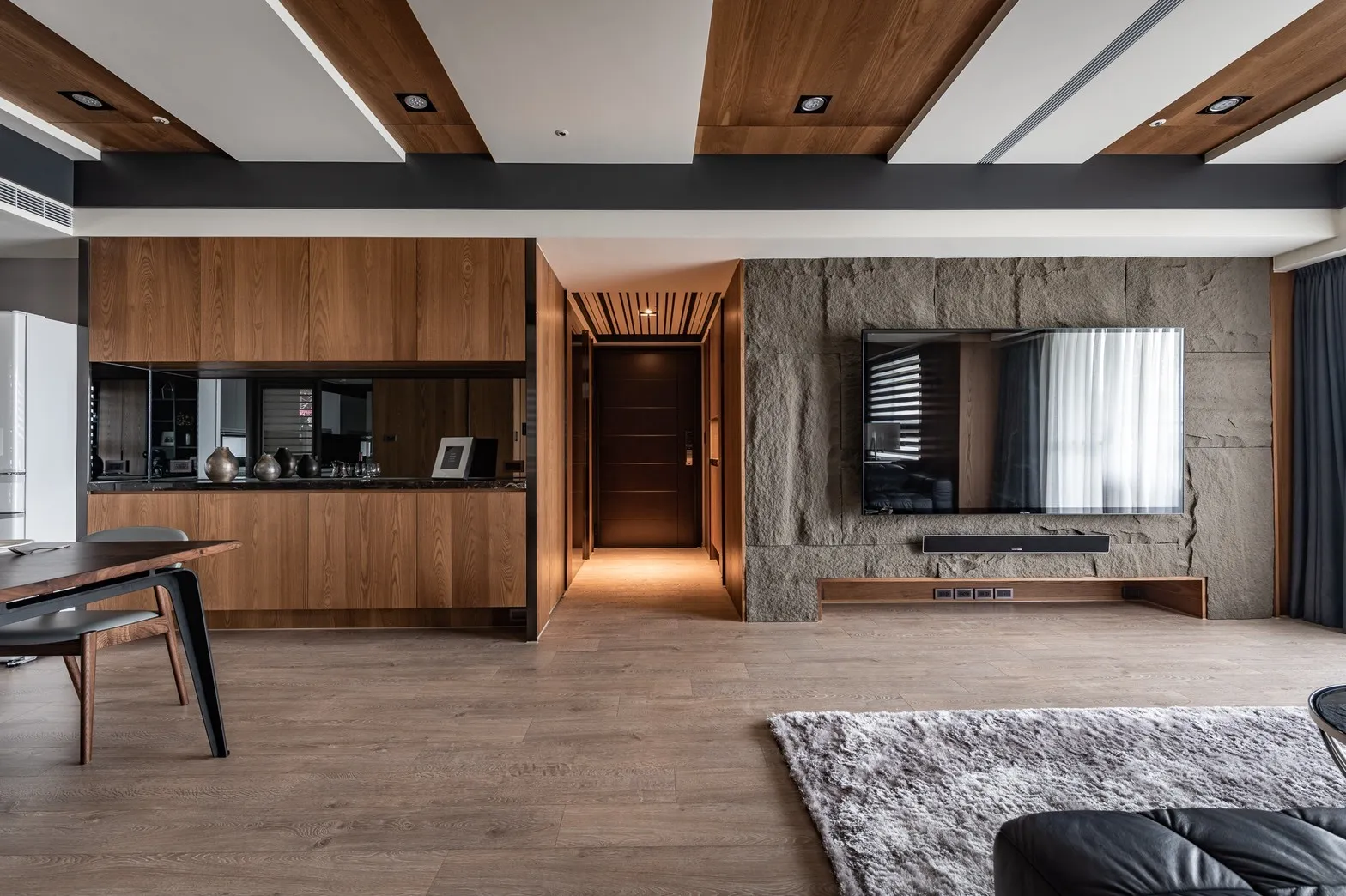
Beyond its visual impact, stone skin technology carries powerful environmental credentials:
• 70-90% reduction in quarry material per project
• Shipping weight decreased by 80% versus traditional stone
• Waste minimization through precision CNC fabrication
• Potential for stone veneer recycling at end-of-life
At Milan's last design week, the "Eco Stone" pavilion showcased entirely repurposed offcuts transformed into breathtaking panels. What was waste became the most photographed installation at the event.
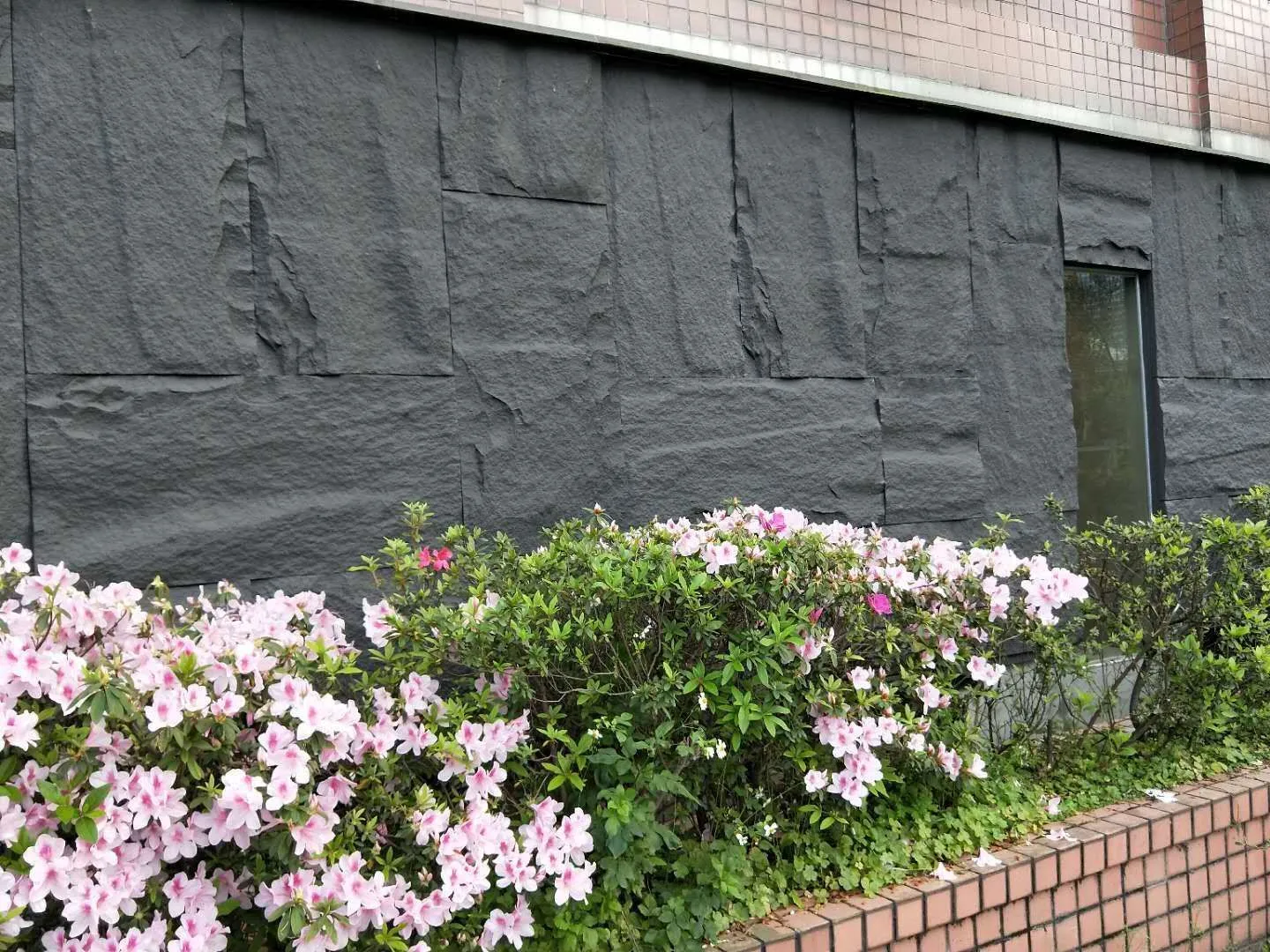
Stone skin technology puts creativity in the driver's seat:
• Design parametric surfaces previously impossible with stone
• Mix materials without compromise – stone meets wood meets metal
• Transform spaces with weightless stone poetry
As with any revolution, early adopters reap the rewards. Those mastering this technology now are defining what luxury design means for decades to come.
Particularly exciting is the seamless transition stone skin enables between interior and exterior spaces. The same material flows from living room walls to pool surrounds to exterior cladding, creating visual harmony while solving practical concerns like moisture resistance and thermal cycling.
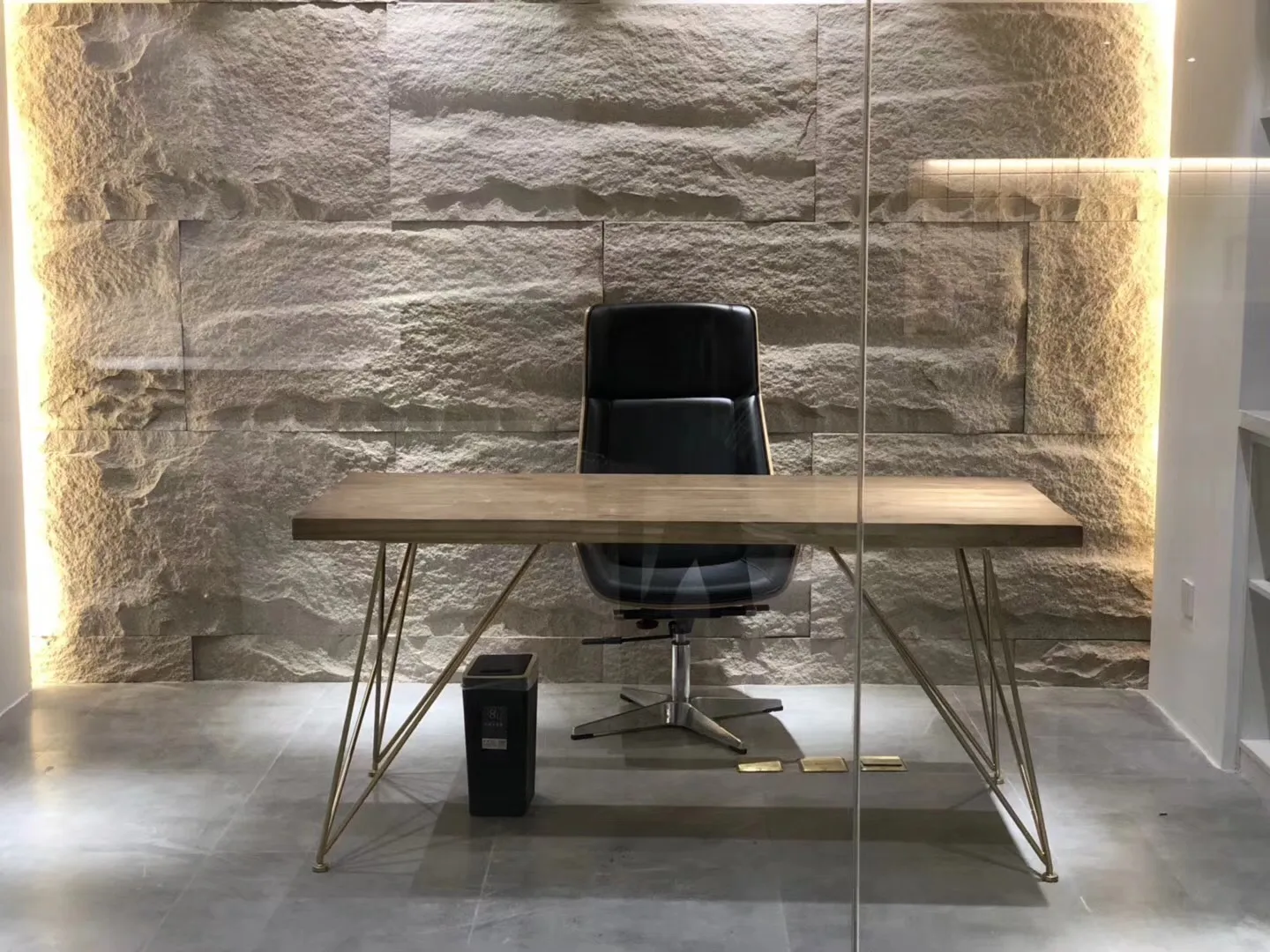
Ancient builders might weep to see what we've done to their medium – or perhaps they'd nod in appreciation. We haven't lost the reverence for stone's natural beauty; we've simply unlocked its potential in ways our ancestors couldn't imagine.
The next time you run your hand over a stone surface, ask yourself: is this holding back, or is it singing? With stone skin technology, we're giving stone its voice back, and what it's saying is changing architecture forever.
Recommend Products












