
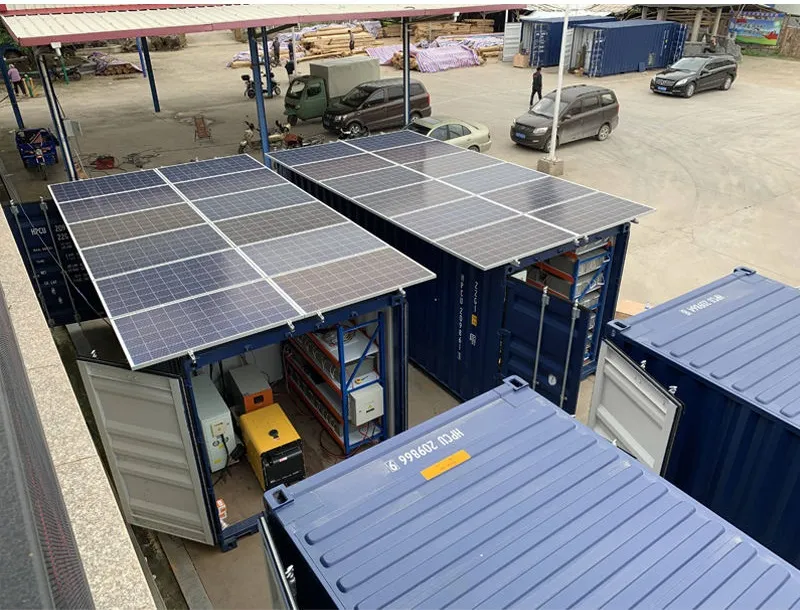
Powering Coastal Dreams with Durability and Sustainability
There's something magical about coastal living—sunlight dancing on waves, fresh sea breezes, and the quiet rhythm of tides that feels like nature's own lullaby. But for architects, builders, and homeowners who call these shoreline communities home, there's a hidden challenge: building with materials that can stand up to the ocean's (yes,—because let's be honest, the sea can be a bit moody). Salt spray that eats away at metal, humidity that seeps into every crack, and relentless UV rays that fade even the sturdiest surfaces—these are the daily hurdles of coastal construction. And when it comes to renewable energy, solar panels, our trusty green power workhorses, often bear the brunt of this coastal chaos.
That's where the 250 watt solar panel steps in—not just as a energy generator, but as a weather warrior built for the coast. At Coloria, we've spent decades listening to the needs of builders and homeowners in places like Jeddah's corniche, Bahrain's waterfront villas, and Dubai's marina districts. We've heard the frustration of solar panels that rust after a year, lose efficiency in the humidity, or crack under sudden temperature swings. And we've asked ourselves: What if a solar panel could love the coast as much as we do? The answer? Our 250 watt weather-resistant solar panel—engineered to thrive where the sea meets the sky.
Let's talk about the ocean's not-so-secret weapons against solar panels. First up: salt spray . When waves crash against the shore, they send tiny salt particles into the air that drift for miles. These particles land on solar panels, forming a corrosive film that eats away at metal frames, weakens electrical connections, and even blocks sunlight from reaching the cells. Then there's humidity —coastal areas often hover around 80-90% humidity year-round. That moisture creeps into panel junctions, causing short circuits or mold growth, which is basically a death sentence for efficiency.
And let's not forget temperature extremes . Coastal regions swing from scorching midday heat (we're talking 45°C in Saudi summers) to cool, dewy nights. That constant expansion and contraction of materials? It loosens seals, cracks glass, and turns once-tight panels into leaky, inefficient messes. Add in occasional sandstorms (looking at you, Arabian Gulf) and high winds during storms, and it's clear: coastal solar panels need to be tough enough to handle a daily workout.
Most standard solar panels aren't built for this. They're designed for mild inland climates, with basic aluminum frames and standard glass. Sure, they work great in a backyard in Kansas, but plop them on a rooftop in Jeddah or Dammam, and you'll be replacing them in 5-7 years instead of the promised 25. That's not just a waste of money—it's a blow to the sustainability goals these panels are supposed to support.
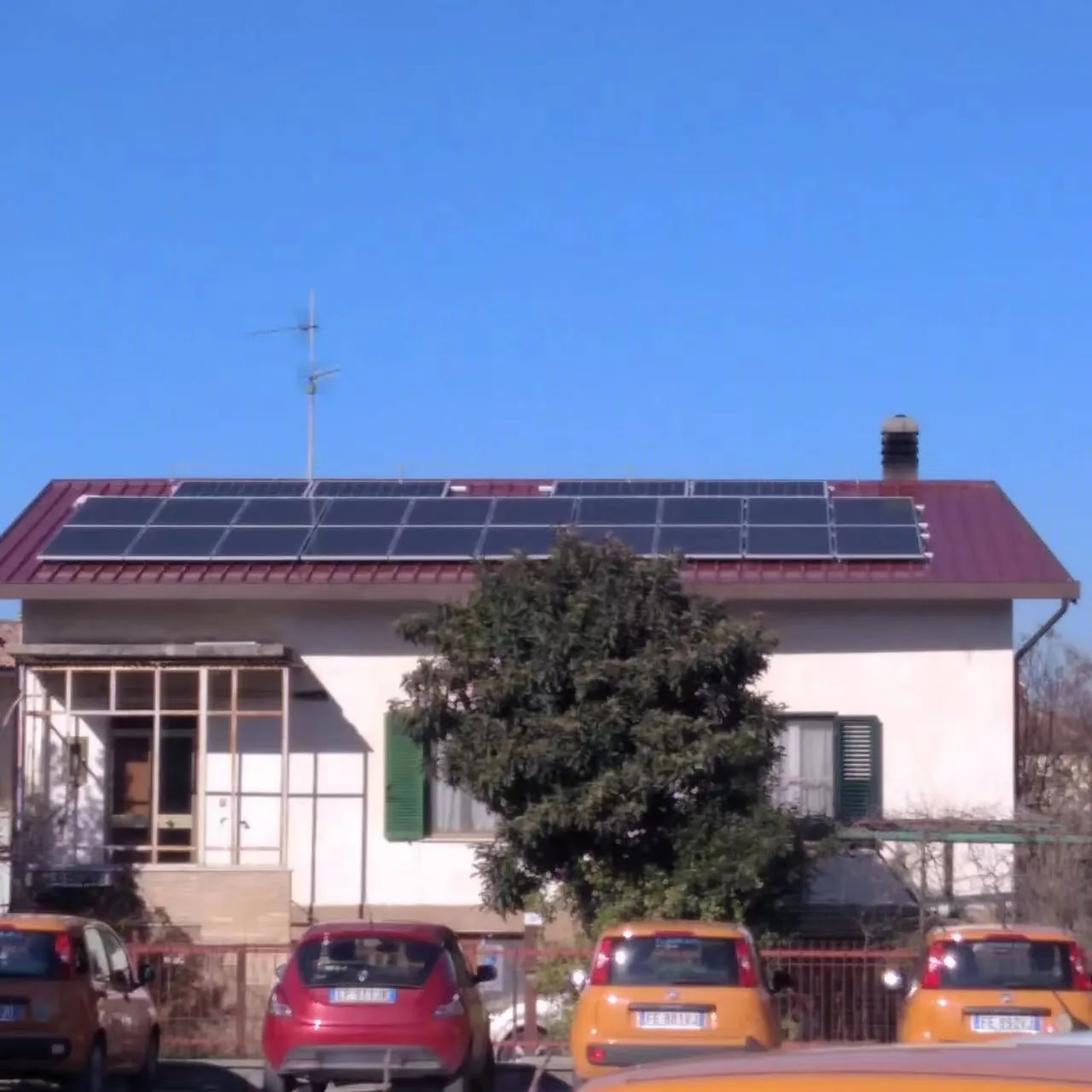
So, what makes our 250 watt solar panel different? Think of it as a solar panel with a coastal survival kit built in. We started with the basics: efficiency . 250 watts is the sweet spot for residential and small commercial projects—enough to power a home's daily needs without overcomplicating installation. But efficiency means nothing if the panel can't survive the first storm. So we focused on three key areas: materials, design, and testing .
Let's start with the frame—the panel's backbone. Instead of standard aluminum, we use high-grade marine aluminum treated with a double-layered anti-corrosion coating. It's the same material used in boat railings and offshore platforms, designed to laugh off salt spray for decades. Then there's the glass: we upgraded to tempered low-iron glass with a anti-reflective (AR) and anti-soiling coating . The AR coating boosts light absorption by 3-5% (hello, more power!), while the anti-soiling layer repels dust and salt, so rain or a quick hose-down is enough to keep it clean. No more climbing on roofs to scrub off crusty salt deposits!
Under the glass, the solar cells are protected by a UV-resistant EVA (ethylene vinyl acetate) encapsulant that won't yellow or crack under harsh sunlight. And the backsheet? We use a polyamide composite that's not just waterproof, but also fire-resistant (Class A rating, perfect for coastal buildings with strict safety codes). Every layer is chosen to work together, creating a barrier that says, "Bring on the (hǎifēng—sea breeze)!"
Great materials need smart design to shine. Our 250 watt panel has a reinforced edge seal using butyl rubber—same stuff used in car windshields—to lock out moisture and dust. The junction box, where all the wiring connects, is IP68-rated waterproof (that means it can handle being submerged in 1.5 meters of water for 30 minutes—though we don't recommend testing that!). We also added integrated drainage channels along the edges, so rainwater quickly runs off instead of pooling and seeping in.
Even the way the panel mounts is coastal-friendly. The frame has extra-strong mounting holes with stainless steel inserts, so bolts won't strip or corrode. And for high-wind areas (we're looking at you, hurricane-prone regions), we offer optional wind load reinforcement kits tested to withstand winds up to 180 km/h. Because in coastal construction, "good enough" just isn't enough.
We don't just say our panels are weather-resistant—we prove it. Every batch of 250 watt panels goes through rigorous coastal-specific testing :
The result? A panel with a 25-year linear performance warranty (meaning it'll still produce 80% of its original power after 25 years) and a 10-year product warranty . That's not just a guarantee—it's our promise that this panel is in it for the long haul, just like the coastal communities it serves.
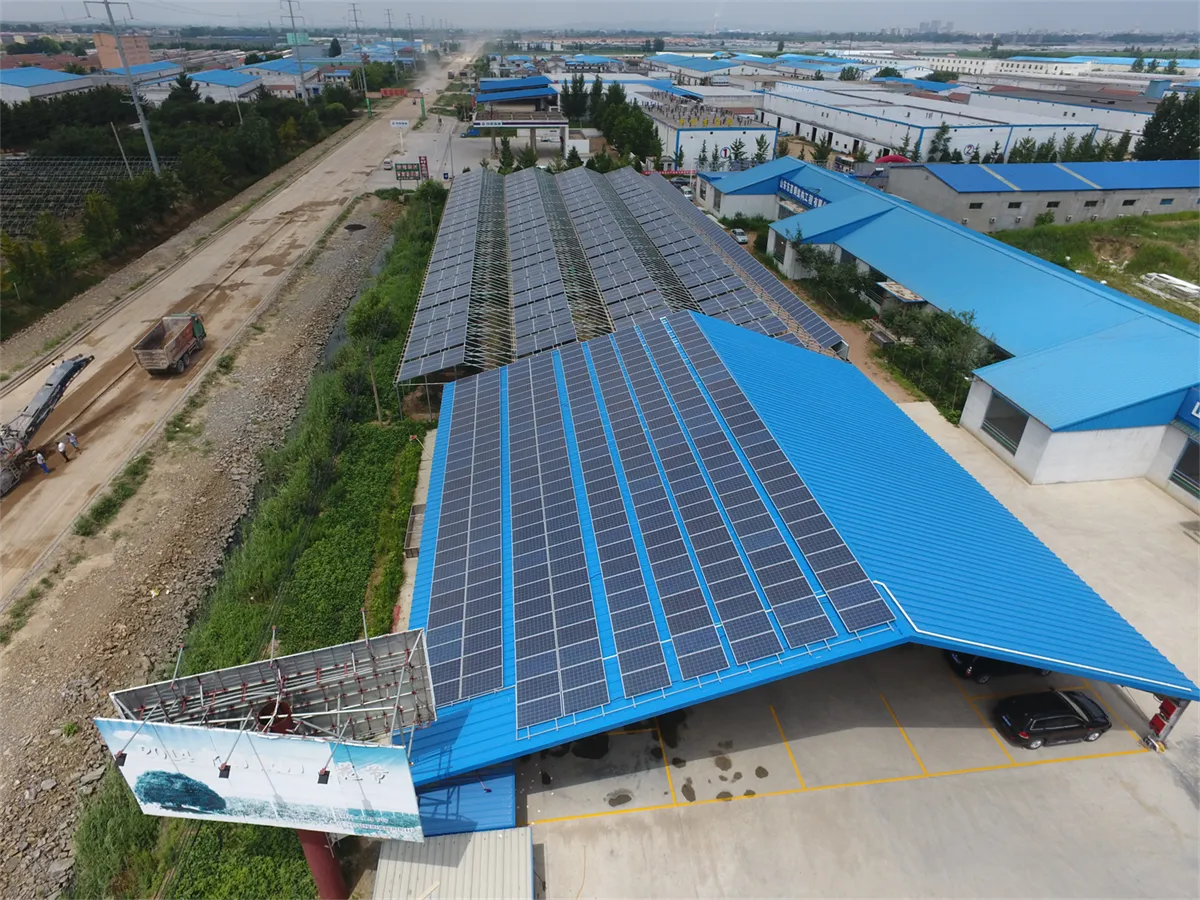
Still wondering if this is just marketing hype? Let's put our 250 watt weather-resistant panel head-to-head with a standard 250 watt panel in coastal conditions:
| Feature | Standard 250W Panel | Coloria Weather-Resistant 250W Panel |
|---|---|---|
| Frame Material | Standard aluminum (no special coating) | Marine-grade aluminum with double anti-corrosion coating |
| Salt Spray Resistance | 300 hours (starts corroding after 1 year in coastal areas) | 1,000 hours (no corrosion for 10+ years) |
| Humidity Tolerance | Up to 75% (risk of delamination above that) | Up to 95% (no performance loss) |
| Operating Temperature Range | -20°C to +65°C (efficiency drops by 20% at 65°C) | -40°C to +85°C (efficiency drops by only 8% at 85°C) |
| Warranty | 5-year product, 20-year performance (linear) | 10-year product, 25-year performance (linear) |
| Estimated Lifespan in Coastal Areas | 5-7 years | 25+ years |
The numbers speak for themselves. Over 25 years, a standard panel would need to be replaced 3-4 times, costing more in the long run and creating unnecessary waste. Our weather-resistant panel? Install it once and enjoy decades of clean energy—no stress, no extra costs, just reliable power.
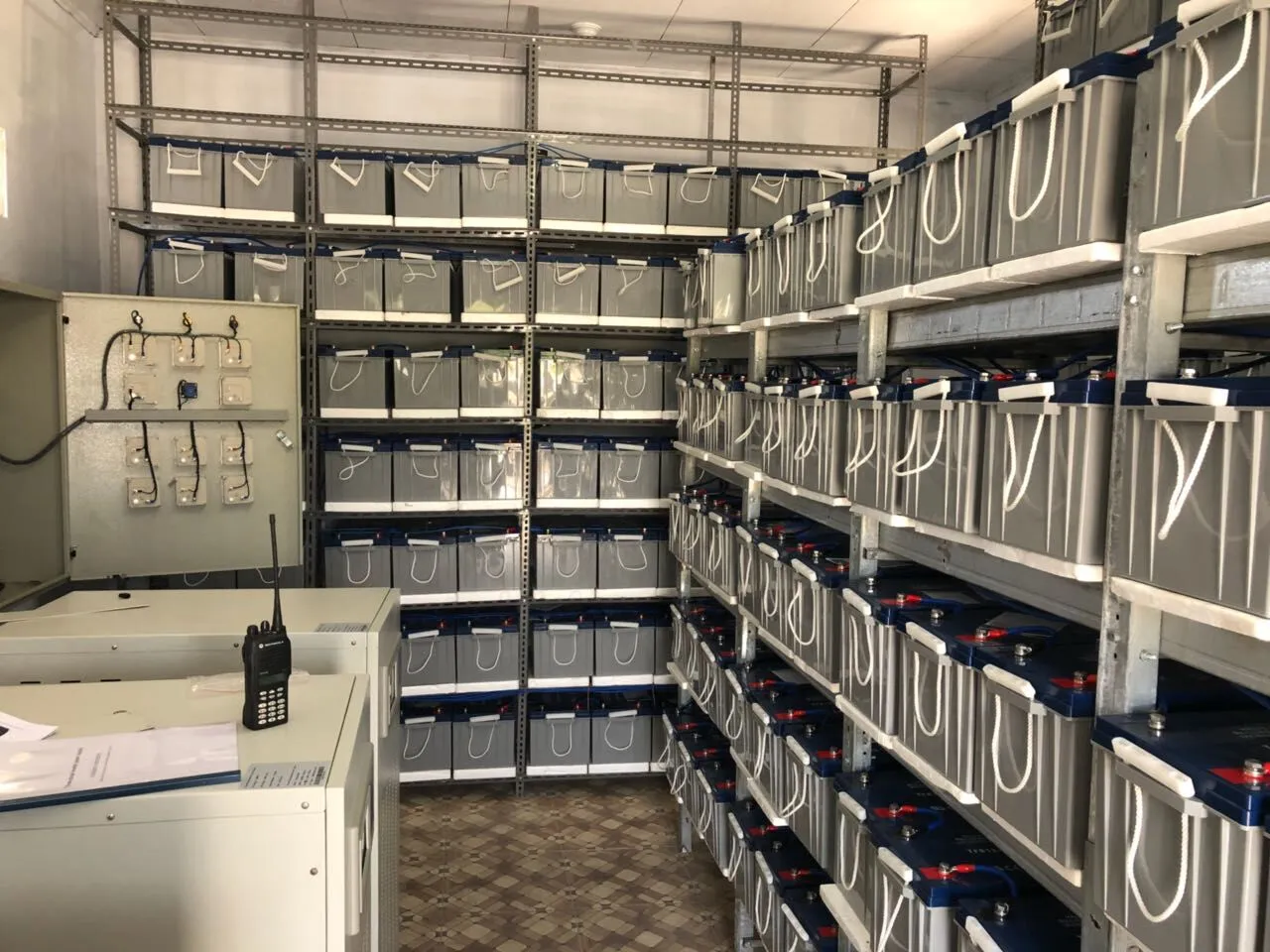
Let's take a trip to the Saudi coast—to a residential complex in Dammam, a bustling port city on the Arabian Gulf. The developer wanted to make the complex "green" to attract eco-conscious buyers, but there was a problem: Dammam's coastal location means high humidity, frequent salt spray, and summer temperatures that top 45°C. They'd tried standard solar panels on a previous project, and within 3 years, 15% of them were already showing signs of corrosion and reduced efficiency.
That's where we came in. As a one-stop architectural solution provider , we didn't just supply solar panels—we worked with their design team to create a custom energy solution. We recommended our 250 watt weather-resistant panels for the rooftops, paired with our own inverter systems (also built for high humidity) and mounting brackets made from the same marine-grade aluminum as the panels. We even helped source other sustainable materials for the project, from energy-efficient windows to green insulation—because why coordinate with 10 suppliers when you can work with one?
The result? Two years later, the panels are performing better than expected. The developer reported that efficiency has only dropped by 2% since installation (well below the industry average of 5-7% in coastal areas). Homeowners love that their electricity bills are 30-40% lower, and the complex has become a showcase for sustainable coastal living in Saudi Arabia. "We were worried about maintenance costs," said the project architect, "but these panels just… work. We check them twice a year, hose them off, and they keep producing power. It's been a game-changer for our projects here."
This isn't just a success story for the developer—it's proof that our 250 watt panels aren't just built to survive the coast… they're built to thrive there.
Coastal communities are on the front lines of climate change, making sustainability more important than ever. Our 250 watt solar panels aren't just about durability—they're part of a larger commitment to sustainable building solutions that align with global goals like the Paris Agreement and Saudi Arabia's "2030 Vision" for a greener future.
First, solar energy itself is clean energy. Each 250 watt panel produces about 400 kWh of electricity per year (in sunny coastal areas), reducing carbon emissions by approximately 300 kg annually compared to coal-powered electricity. Multiply that by a rooftop full of panels, and you're looking at a significant impact.
But we take it further. The materials used in our panels are 95% recyclable at the end of their lifespan, and we source them from suppliers with strict environmental standards. We also offset the carbon footprint of manufacturing by investing in reforestation projects in Saudi Arabia. And because our panels last 25+ years, they reduce the need for frequent replacements—meaning less waste in landfills and fewer resources used in production.
For developers and homeowners, this means more than just doing the right thing for the planet—it means aligning with regulations and incentives. In Saudi Arabia, projects that meet "2030 Vision" sustainability targets qualify for tax breaks and faster permitting. Our panels help check those boxes, making your project not just green, but also economically smart.
There are plenty of solar panel suppliers out there, but when it comes to coastal projects, you need more than just a product—you need a partner who understands the unique challenges of building by the sea. Here's why we stand out:
Building a coastal property involves dozens of moving parts: solar panels, roofing materials, windows, insulation, and more. Coordinating with multiple suppliers is a headache—delays, miscommunications, incompatible products. As a one-stop architectural solution provider , we handle it all. Need solar panels, weather-resistant flooring, and energy-efficient appliances for your beachfront villa? We've got you covered. Our team of experts will even help you design a cohesive system where all components work together, saving you time, money, and stress.
We've been operating in the Middle East for decades, with a local office in Saudi Arabia. We know the region's climate—its scorching heat, its sandstorms, its coastal humidity—because we've built our business around solving these challenges. Our team includes engineers who specialize in desert and coastal construction, and we've worked on projects from Jeddah to Dubai, from residential homes to commercial resorts. When you work with us, you're not getting a generic solution—you're getting a panel designed by people who've seen firsthand what the Saudi coast can throw at a building.
We pride ourselves on global customer satisfaction , but that doesn't mean we're a faceless international corporation. Our Saudi office means you'll have a local team to answer questions, coordinate deliveries, and provide on-site support when you need it. And if you're working on a project outside the Middle East? Our global network ensures we can deliver panels and support to coastal regions worldwide, from the Mediterranean to Southeast Asia.
We don't just sell you panels and walk away. From the moment you contact us, we're invested in your project's success. Our technical team will conduct a free site assessment to recommend the best panel placement and system design for your specific location. We offer training for your installers, and our after-sales support team is available 24/7 to troubleshoot any issues. Your success is our success—and we take that seriously.
Coastal living is about balance—between natural beauty and modern convenience, between respecting the environment and enjoying the comforts of home. Our 250 watt weather-resistant solar panels embody that balance: durable enough to stand up to the sea's toughest tests, efficient enough to power your life, and sustainable enough to protect the coast for future generations.
Whether you're building a beachfront villa in Saudi Arabia, a coastal hotel in the UAE, or a sustainable home in any coastal region, we're here to help. As a leading solar panels supplier and one-stop architectural solution provider , we don't just offer products—we offer peace of mind. Peace of mind that your solar panels will keep working, year after year, no matter what the sea throws at them.
So why wait? The coast is calling, and it's time to build a future that's both bright and resilient. Let's make your coastal project shine—with solar power that's as tough as the sea, and as enduring as your vision.
Recommend Products












