
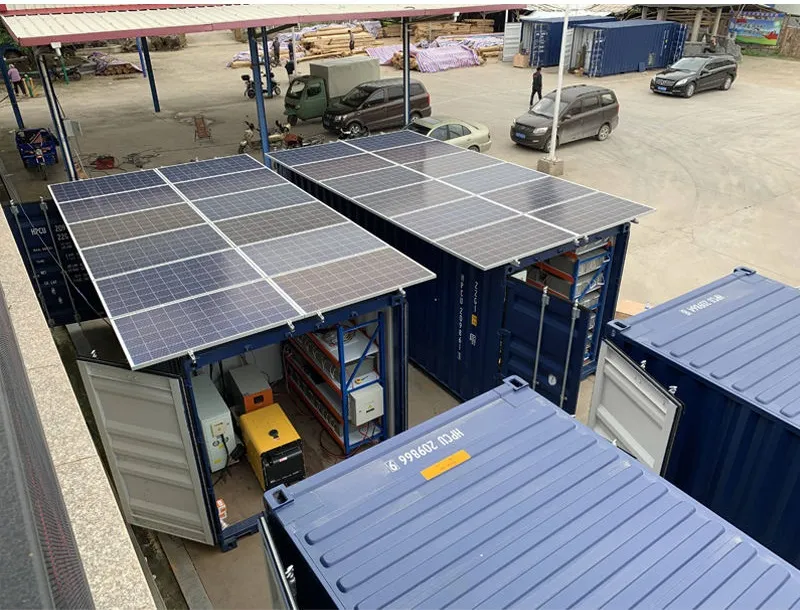
In a world where every construction project is under pressure to do more with less—less energy, less waste, less environmental impact—the materials we choose matter more than ever. Green building isn't just a trend anymore; it's a responsibility, a selling point for developers, and a key driver of long-term cost savings for homeowners and businesses alike. And at the heart of this movement? Solar panels. But not just any solar panels—250 watt solar panels have emerged as a quiet hero, balancing efficiency, affordability, and versatility in a way that makes them perfect for today's green building projects.
If you're a developer, architect, or even a homeowner planning a sustainable build, you've probably waded through endless options: 300W, 400W, flexible panels, rigid panels… the list goes on. So why 250W? Let's start with the basics. 250 watt solar panels hit that sweet spot where they're powerful enough to meet the needs of most (small to medium-sized) projects, yet compact and lightweight enough to fit on rooftops, facades, or even ground-mounted systems without overcomplicating installation. They're not the biggest, but they're reliable, cost-effective, and surprisingly adaptable—whether you're building a family home in Riyadh, a boutique hotel in Dubai, or a commercial office block in Jeddah.
But here's the thing: choosing the right solar panel is only half the battle. The other half? Choosing the right partner to supply them. That's where one-stop architectural solution providers like Coloria come in. Because when you're building green, you don't just need solar panels—you need a team that understands how those panels fit into the bigger picture: the flooring, the walls, the energy-efficient appliances, the entire ecosystem of your project. And that's exactly what we're going to dive into today: why 250 watt solar panels are the sustainable choice for your next build, and how partnering with a supplier that offers more than just panels can turn your green vision into reality.
Let's get technical—without getting too bogged down in jargon. A 250 watt solar panel, simply put, produces 250 watts of power under standard test conditions (think: bright sunlight, 25°C temperature). But numbers alone don't tell the story. What makes these panels special is how they perform in the real world, not just in a lab.
You might be thinking, "Why not go for a higher wattage panel? More watts mean more power, right?" Well, yes—and no. Higher wattage panels (like 400W) are great for large-scale projects with plenty of roof space, but they're also heavier, more expensive, and can be overkill for smaller builds. 250W panels, on the other hand, are designed for practicality. Their size—typically around 1.6m x 1m—makes them easy to handle and install, even on rooftops with limited space. For a residential project, a handful of 250W panels can cover a home's basic energy needs; for a commercial project, you can scale up by adding more panels without worrying about structural stress from heavy equipment.
Take, for example, a 100-square-meter rooftop on a family home. With 250W panels, you could fit around 10-12 panels (depending on layout), generating roughly 2.5-3kW of power—enough to offset 50-70% of the home's electricity usage. That's a significant reduction in both utility bills and carbon footprint, without requiring a massive upfront investment or a roof that can support the weight of larger panels.
Let's talk money—because at the end of the day, even the greenest projects need to stay on budget. 250 watt solar panels are often more affordable per watt than their higher-wattage counterparts. Why? Because they use less raw material (like silicon) per unit of power, and their manufacturing process is more streamlined. For developers working on multi-unit residential buildings or small commercial projects, this cost difference adds up fast. Imagine building a 20-unit apartment complex: using 250W panels instead of 350W could save tens of thousands of dollars in upfront costs, money that can be reinvested into other green features like energy-efficient windows or sustainable flooring.
If you're building in the Middle East, you know the climate isn't gentle on construction materials. Scorching temperatures, sandstorms, high humidity—these can take a toll on solar panels. 250W panels, though, are often built with this in mind. Many models (including those supplied by leading solar panels suppliers like Coloria) are tested to withstand extreme heat, heavy wind loads, and even the occasional sandblast. Their smaller size also means less stress on the frame and connections, reducing the risk of damage over time. In places like Saudi Arabia, where summer temperatures regularly hit 45°C, this durability isn't just a nice-to-have—it's a necessity.
| Panel Type | Power Output | Typical Size (m²) | Weight (kg) | Best For |
|---|---|---|---|---|
| 250W Solar Panel | 250W | 1.6 x 1.0 | 18-20 | Residential homes, small commercial buildings, tight rooftops |
| 350W Solar Panel | 350W | 1.9 x 1.1 | 22-25 | Large commercial projects, ground-mounted systems |
| 400W Solar Panel | 400W | 2.0 x 1.2 | 25-28 | Utility-scale projects, industrial buildings |
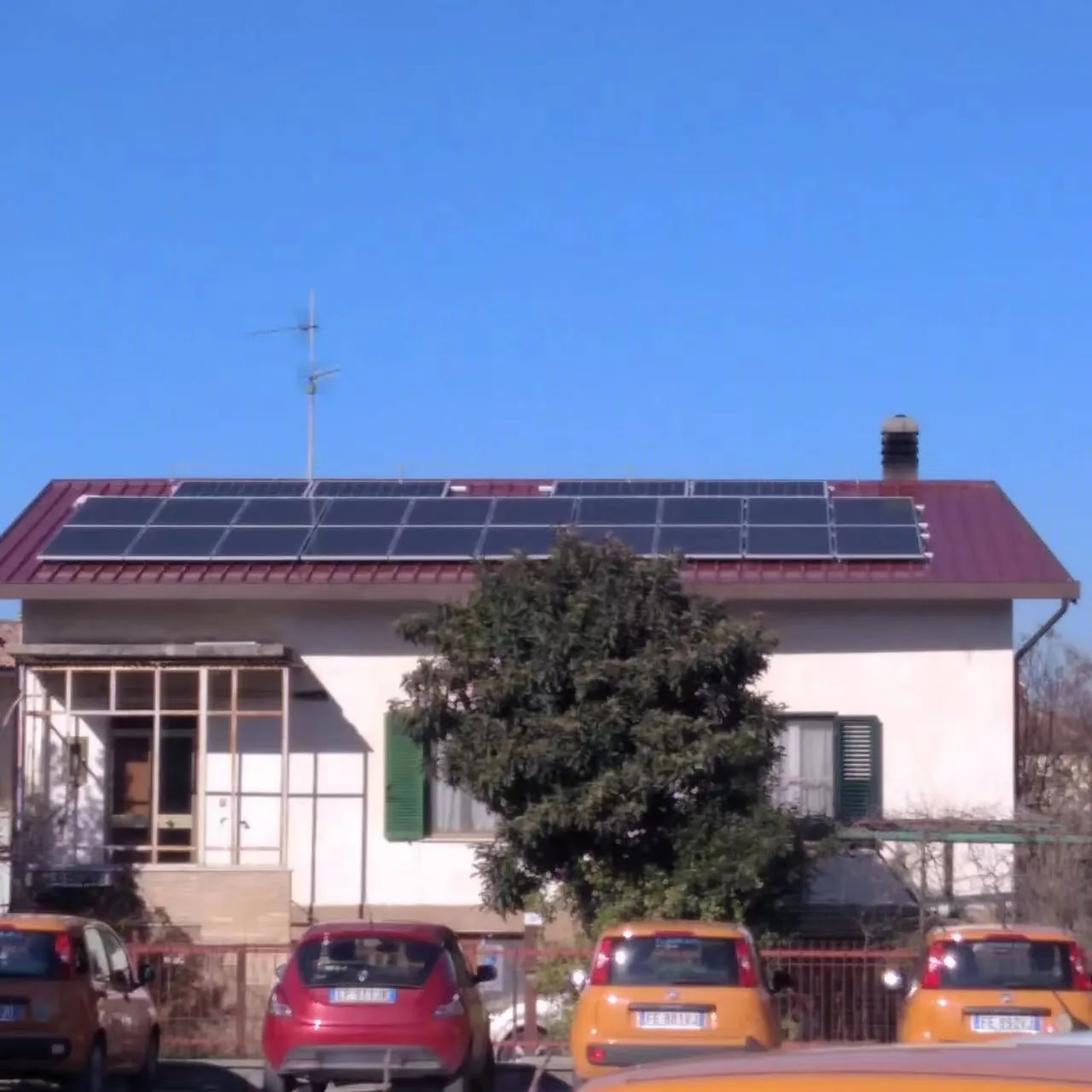
Choosing 250 watt solar panels is a smart start, but to truly maximize their impact, you need a supplier that does more than drop off a shipment and disappear. You need a partner who understands your project from the ground up—someone who can integrate solar panels with the rest of your building materials, navigate local regulations, and ensure every component works together seamlessly. That's where Coloria comes in, and it's why they've earned a reputation as a trusted one-stop architectural solution provider in the Middle East and beyond.
Let's say you're building a boutique hotel in Riyadh. You want solar panels, of course—but you also need flooring that can handle high foot traffic, energy-efficient lighting for guest rooms, custom bathroom fixtures that match your design aesthetic, and maybe even elevators for accessibility. Coordinating with a dozen different suppliers for all these materials? It's a logistical nightmare. Missed deadlines, miscommunications, incompatible products—these are the kinds of headaches that can derail a project.
Coloria eliminates that stress by offering it all under one roof. As a residential and commercial building materials supplier , they don't just supply 250 watt solar panels—they supply the roof tiles those panels sit on, the walls that insulate the building, the plumbing fixtures that save water, and even the custom furniture for the lobby. This integration isn't just convenient; it's strategic. When your solar panels, windows, and lighting are all designed to work together, your building's energy efficiency skyrockets. For example, Coloria's energy-efficient windows reduce heat gain, which means your air conditioning system (also supplied by Coloria) doesn't have to work as hard—and your solar panels can cover more of your energy needs.
Operating in Saudi Arabia? You need a supplier who speaks the language—literally and figuratively. Coloria isn't just a global company with a website; they have a physical presence in Saudi Arabia, with a local team that knows the ins and outs of the market. They understand Saudi building codes, the nuances of working with local contractors, and the specific needs of Saudi clients (like the demand for durable, low-maintenance materials). When you partner with Coloria for your 250 watt solar panels, you're not just getting a product—you're getting decades of local experience. Their team can help you navigate paperwork, secure permits, and even recommend installers who are familiar with the panels' specifications. In a market where local relationships matter, this is priceless.
Coloria's focus on 250 watt solar panels isn't a coincidence—it's part of a broader commitment to green building materials that align with global sustainability goals. They know that solar panels alone aren't enough to make a project "green." That's why they've invested in a range of eco-friendly products: bamboo charcoal board wall panels that improve indoor air quality, Class A fireproof CPL inorganic boards for hospitals and schools, and energy-efficient appliances that reduce overall electricity demand. When you choose Coloria as your solar panels supplier, you're joining a network of builders and developers who are serious about reducing their carbon footprint—not just checking a box.
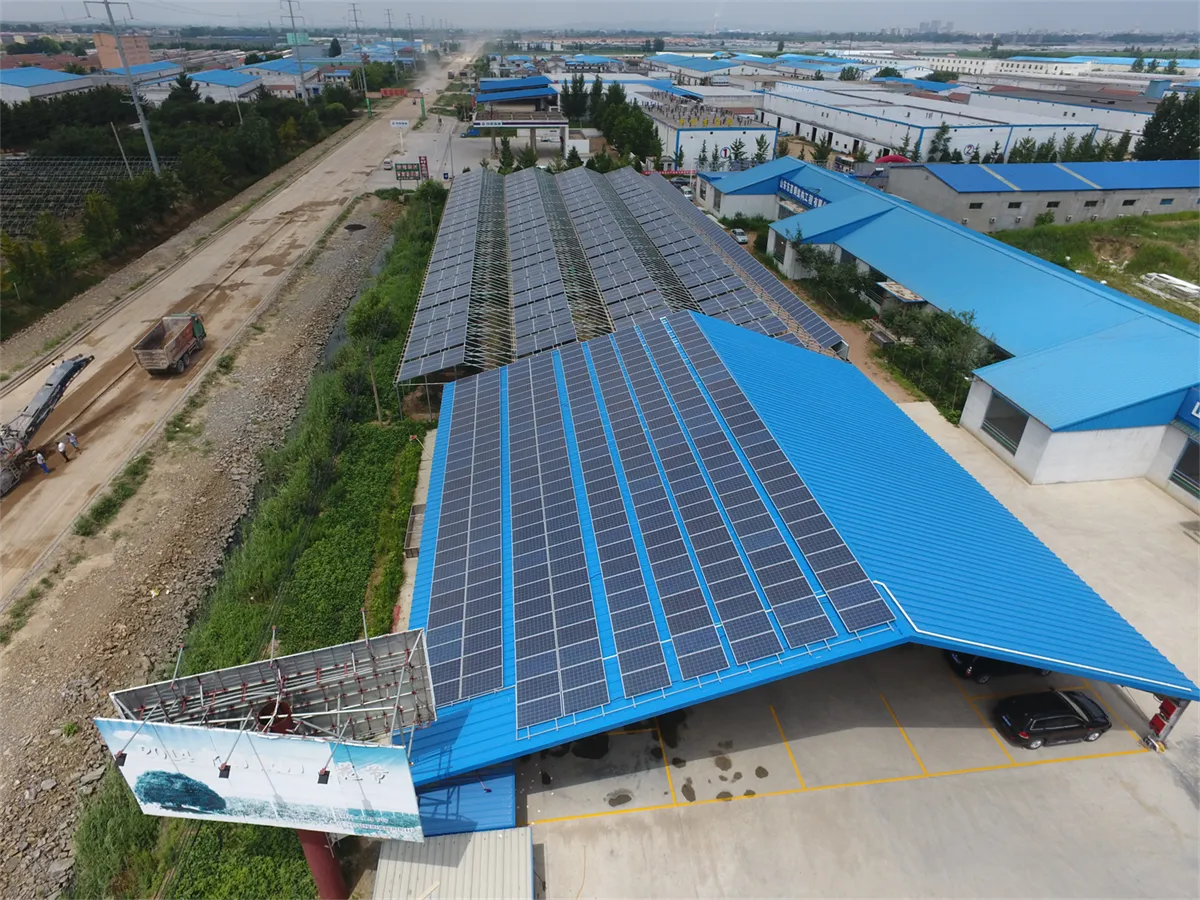
Theory is great, but let's look at how 250 watt solar panels are making a difference on real projects. From residential homes to commercial spaces, these panels are proving their worth in ways that go beyond just generating electricity.
Take the case of a 3-bedroom villa in Jeddah, built by a local developer focused on "affordable luxury." The goal was to offer homebuyers a property that was both eco-friendly and within reach of middle-class families. Coloria stepped in as the residential building materials supplier , providing 250 watt solar panels for the rooftop, along with energy-efficient windows, WPC (wood-plastic composite) flooring, and low-flow bathroom fixtures. The result? Each home generates enough solar power to cover 60% of its electricity needs, slashing monthly utility bills by hundreds of riyals. For homeowners, this isn't just a selling point—it's a long-term investment in their finances and the planet.
Small businesses, too, are benefiting from 250 watt solar panels. Consider a family-owned restaurant in Dammam. The owners wanted to reduce operating costs and attract eco-conscious customers, but they had a limited budget and a small rooftop. Coloria's solution? A 5kW solar system using 20 x 250W panels, paired with energy-efficient kitchen appliances (also from Coloria). The system cost around SAR 25,000 to install, but it cut the restaurant's monthly electricity bill by 70%. At that rate, it will pay for itself in less than 4 years—and continue saving money for decades. Plus, the restaurant now markets itself as "solar-powered," drawing in customers who want to support sustainable businesses.
Saudi Arabia's Vision 2030 is all about building a more sustainable, diversified economy—and green building is a big part of that. Coloria is proud to support this vision by supplying 250 watt solar panels to community projects across the country. One example is a 100-unit affordable housing development in Riyadh, designed to provide homes for low-income families while meeting strict sustainability targets. Coloria provided not just solar panels, but also a full suite of green building materials: solar water heaters, recycled plastic pipe fittings, and even energy-efficient LED lighting. The project is now a model for how to balance affordability and sustainability, and it's helping the government move closer to its goal of increasing renewable energy use in residential buildings.
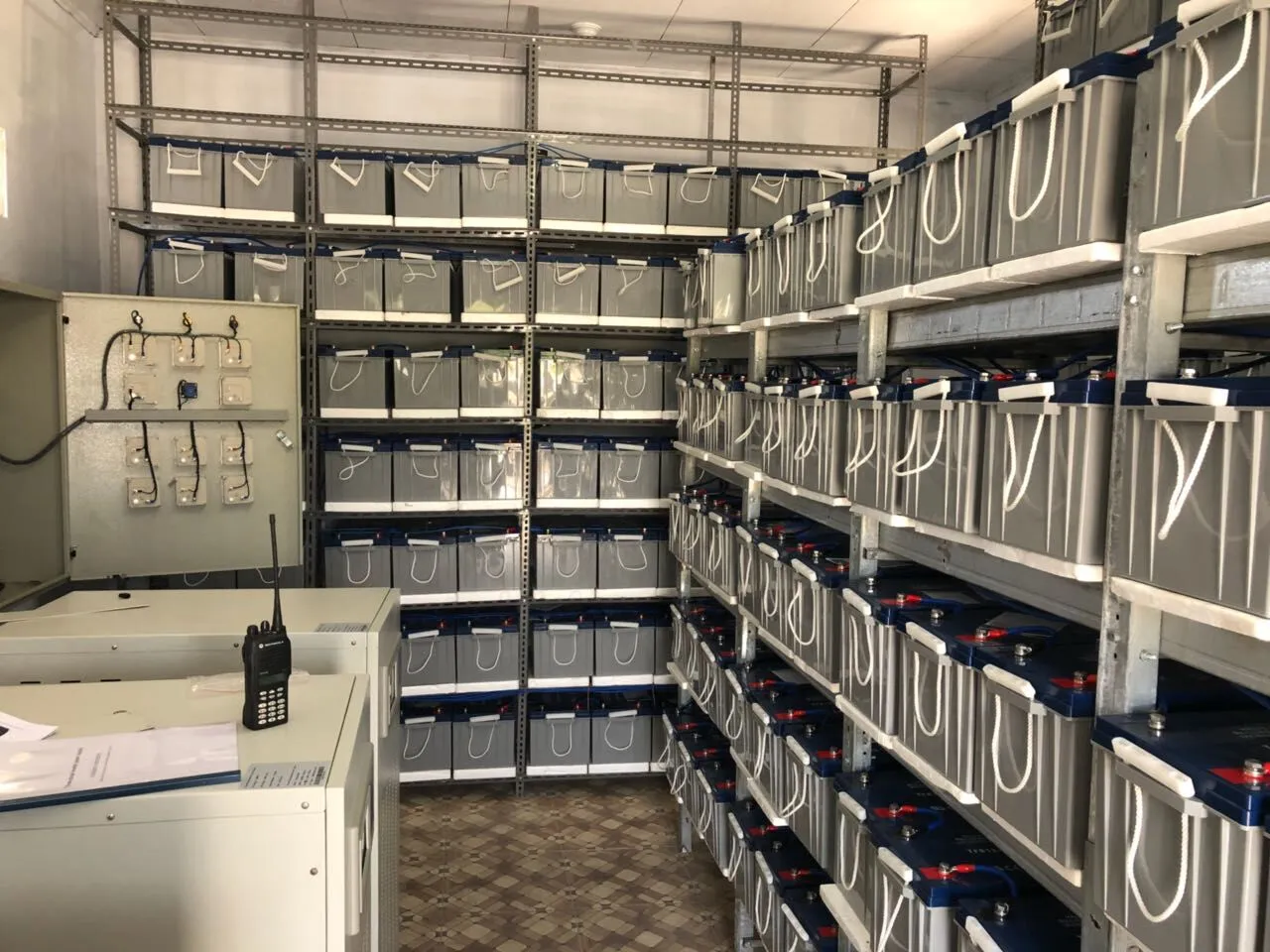
At the end of the day, 250 watt solar panels are just one piece of the sustainability puzzle. Coloria understands this, which is why they've built their business around the idea that every material in a building should contribute to a greener future. Let's take a closer look at how they're walking the walk.
Coloria isn't content to rest on their laurels. They're constantly investing in new technologies and materials that push the boundaries of sustainable building. For example, their research team is currently working on improving the efficiency of 250 watt solar panels by integrating them with smart energy management systems, allowing buildings to store excess power for use during peak hours. They're also exploring new green building materials like foamed aluminum alloy boards, which are lightweight, recyclable, and excellent insulators. These innovations ensure that Coloria's customers always have access to the latest, most sustainable options.
Sustainability isn't just about the environment—it's about people, too. Coloria is committed to supporting Saudi Arabia's Vision 2030 by investing in local talent. They run training programs for Saudi engineers and technicians, teaching them how to install and maintain solar panels, energy-efficient systems, and other green technologies. By hiring and training locally, they're not just building a skilled workforce—they're building a community of professionals who are passionate about sustainable building. For developers, this means access to a local pool of experts who understand both the technology and the local context.
As a global one-stop architectural solution provider , Coloria adheres to the highest international standards for quality and sustainability. Their 250 watt solar panels are certified by organizations like TÜV and CE, ensuring they meet strict safety and performance criteria. But they don't stop there. They also work with local certification bodies to ensure their products comply with Saudi standards, giving customers peace of mind that their projects will pass inspections and stand the test of time.
So, you're sold on 250 watt solar panels—but why choose Coloria as your supplier? Let's break it down:
At the end of the day, building green is about more than just checking boxes. It's about creating spaces that are better for the planet, better for the people who use them, and better for the bottom line. 250 watt solar panels are a powerful tool in that mission, and Coloria is the partner you need to make the most of them.
250 watt solar panels might not grab headlines like the latest 400W "super panels," but they're the workhorses of the green building movement. They're affordable, durable, and versatile—perfect for the small to medium-sized projects that make up the backbone of the construction industry. And when paired with a one-stop architectural solution provider like Coloria, they become even more powerful, integrating seamlessly with other sustainable materials to create buildings that are greater than the sum of their parts.
Whether you're building a family home, a commercial complex, or a community development, the choice is clear: 250 watt solar panels are a sustainable, practical investment that will pay dividends for years to come. And with Coloria by your side, you can rest easy knowing that every material in your project—from the solar panels on the roof to the flooring underfoot—is working together to build a greener, more sustainable future.
So, what are you waiting for? The future of green building isn't coming—it's here. And it starts with a simple, powerful choice: 250 watt solar panels, supplied by a partner who understands your vision.
Recommend Products












