
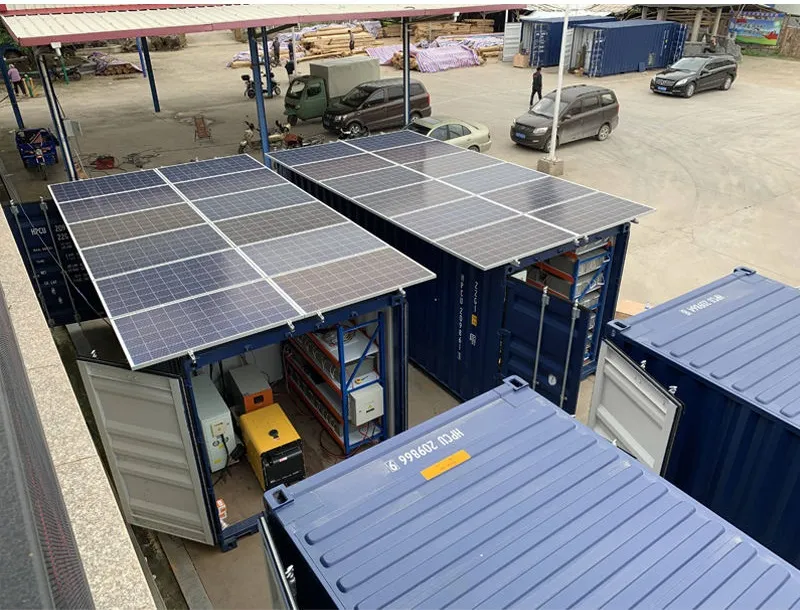
Let's be real—when you're knee-deep in a residential build or gearing up for a commercial project, the last thing you need is another decision that feels like a shot in the dark. Solar panels? They're not just about slapping some tech on a roof anymore. They're about balancing efficiency, budget, and long-term reliability. And if you've been scrolling through specs, you've probably noticed: 250 watt solar panels keep popping up. Why? Because they're that sweet spot—powerful enough for most projects, flexible enough to fit different spaces, and designed to stand up to the kind of conditions that make or break a build. But here's the kicker: Choosing the right panels is only half the battle. The other half? Making sure they work seamlessly with the rest of your materials, your project timeline, and the unique demands of your location. That's where having a one-stop architectural solution provider in your corner changes everything.
Let's start with the basics. A 250 watt solar panel isn't just a random number—it's a sweet spot of efficiency and practicality. Think about it: If you're building a residential complex in Riyadh, you need panels that can handle scorching temperatures without losing juice. If you're adding solar to a small commercial space in Jeddah, you want something that won't overcomplicate your roof layout. 250W panels hit that balance. They typically come with monocrystalline or polycrystalline cells (we lean toward monocrystalline for better heat tolerance—more on that later), and their size (usually around 1.6m x 1m) makes them easy to install on both sloped and flat roofs. But what really sets them apart is their adaptability. Whether you're powering a family home, a hotel, or even a school, these panels scale up or down without forcing you to overspend on higher wattage than you need.
| Feature | 250W Solar Panels (Coloria) | Average 200W Panels | Average 300W Panels |
|---|---|---|---|
| Efficiency Rate | 18-20% | 15-17% | 19-21% |
| Optimal Temperature Range | -40°C to 85°C | -40°C to 80°C | -40°C to 85°C |
| Typical Application | Residential, Small Commercial | Small Residential | Large Commercial, Industrial |
| Cost per Watt | Mid-range (Value for Money) | Lower (But Lower Efficiency) | Higher (Premium Efficiency) |
See that? 250W panels don't skimp on efficiency, but they also don't price you out like 300W options. And when you factor in our sustainable products commitment—these panels are built with eco-friendly materials, reducing their carbon footprint from production to disposal—they're not just good for your project budget; they're good for the planet too. That's a big deal these days, especially with Saudi's "2030 Vision" pushing for greener construction practices. We've had clients in Dammam tell us that switching to our 250W panels helped them qualify for local sustainability grants—now that's a win-win.
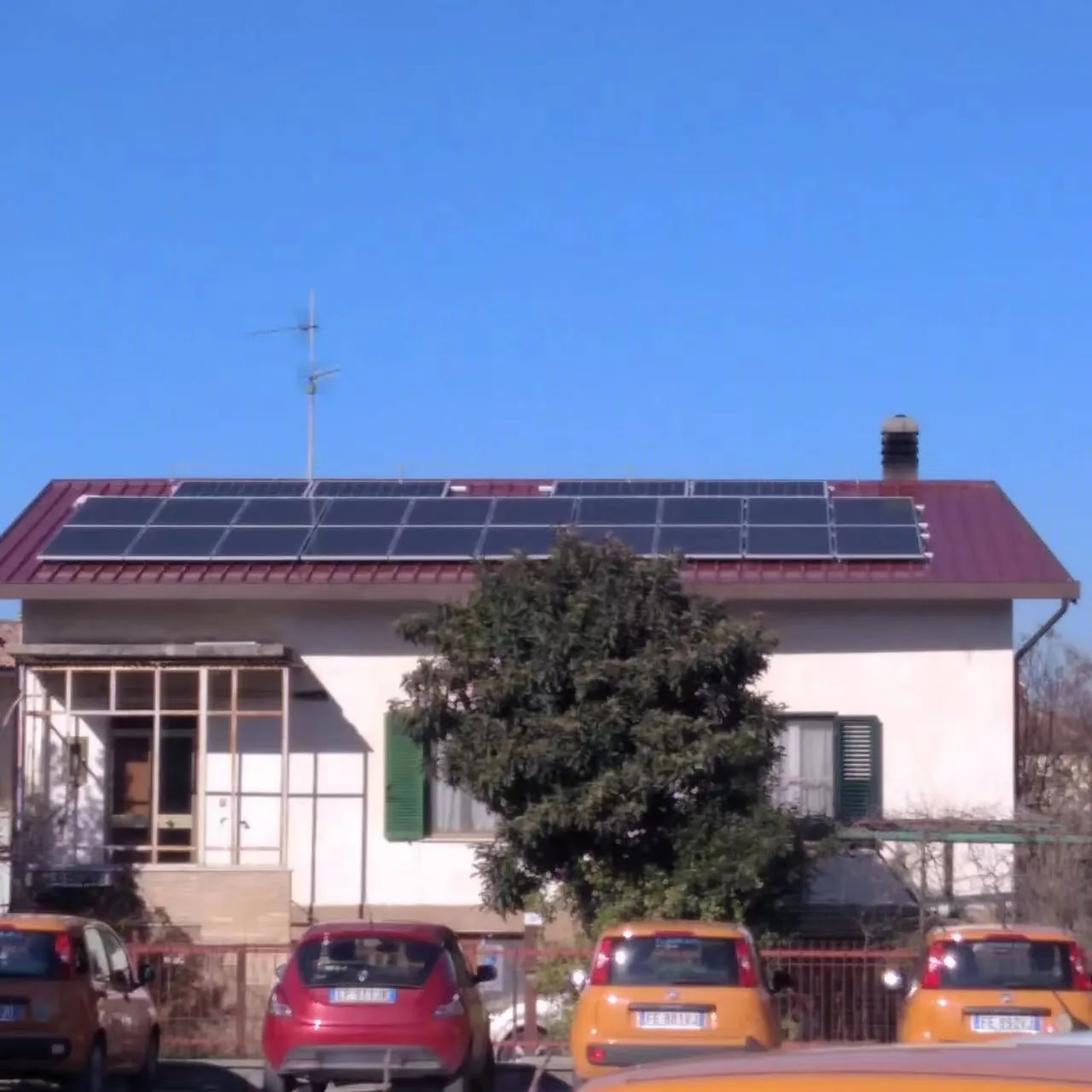
Here's the thing: Any building material supplier can sell you solar panels. But when you're in the middle of a construction project, the last thing you need is to coordinate with five different vendors for panels, wiring, mounting brackets, and maintenance. That's where being a one-stop architectural solution provider comes in. We don't just hand you a box of panels and wave goodbye. We start with a conversation: What's your project size? Are you prioritizing cost, efficiency, or sustainability? Do you need help with permits in Saudi Arabia? (Trust us, local regulations can be tricky—we've been navigating them for decades.)
Take our client in Riyadh, for example. They were building a 50-unit residential complex and wanted to go solar but were overwhelmed by the logistics. We didn't just supply the 250W panels—we handled the entire solar system design, recommended compatible inverters (from our electrical lineup, by the way), coordinated with their construction team for roof mounting, and even provided training for their maintenance staff. All under one roof. No finger-pointing between suppliers, no delays because parts didn't arrive on time. That's the peace of mind you get when you work with someone who's been a saudi arabia building materials supplier long enough to know the ins and outs of local projects.
And let's talk about that local expertise. Saudi Arabia isn't just a market for us—it's home. We've got an office in Riyadh, staffed with engineers who grew up here, understand the climate (those summer dust storms? We've tested our panels against them), and know how to work with local contractors. When you're installing solar panels in a region where temperatures regularly hit 45°C, you need more than a generic product spec sheet. You need someone who can say, "Hey, we've seen this before—here's how to angle the panels to avoid overheating," or "This mounting system works better with the local wind speeds." That's the difference between a project that works and one that works perfectly .
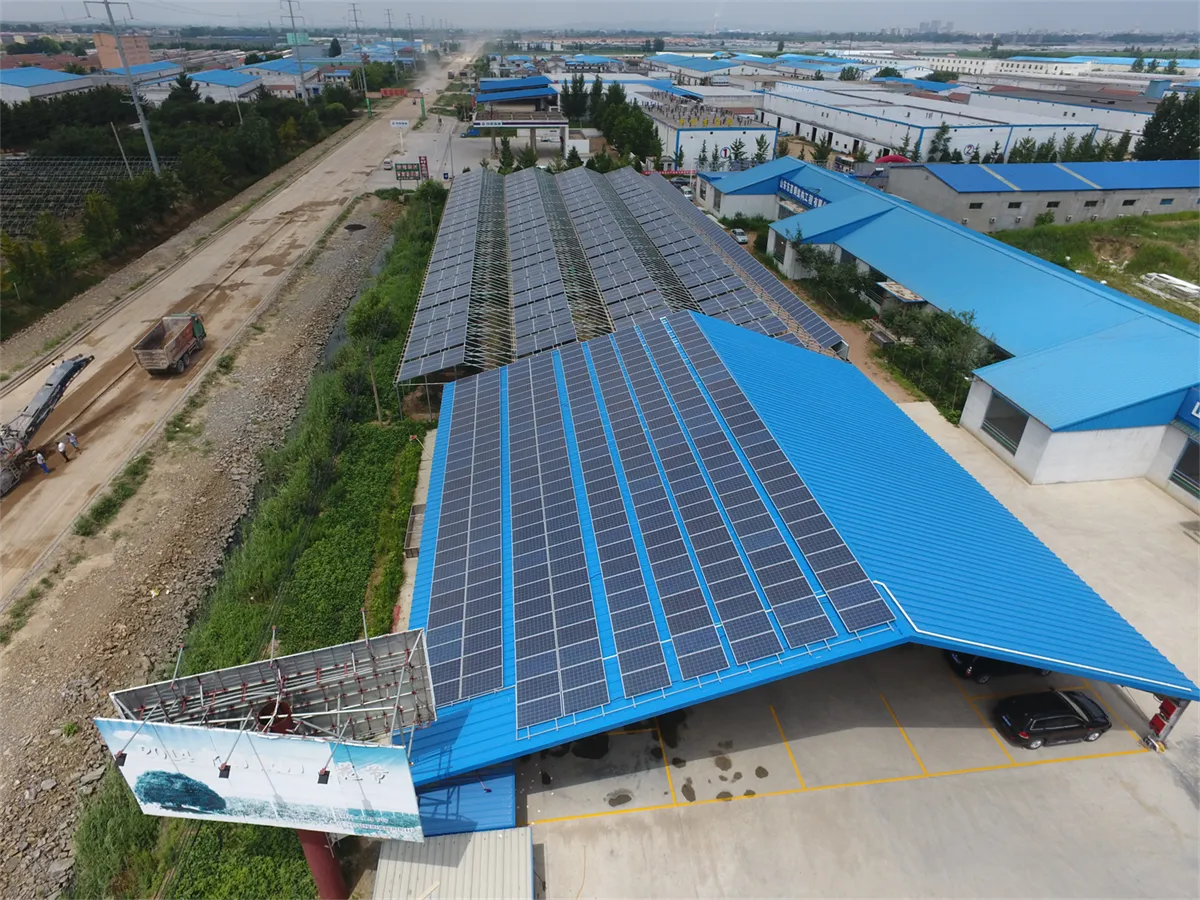
We keep mentioning "sustainable products," and for good reason. These days, every client—whether residential or commercial—asks about their project's carbon footprint. Our 250W solar panels are part of our green lineup, which means they're designed to minimize environmental impact at every stage. The manufacturing process uses 30% less water than standard panels, and the frames are made from recycled aluminum. But it's not just about the panels themselves. As a company, we're committed to Saudi's "2030 Vision" goals, which include boosting and reducing carbon emissions. That means when you work with us, you're not just getting solar panels—you're supporting a supply chain that hires local talent, invests in green tech research, and partners with Saudi universities to train the next generation of construction engineers.
One of our favorite projects was a school in Jeddah where we installed 250W panels on the rooftop. Not only did the panels cut the school's electricity bills by 40%, but the project also qualified for a government sustainability certification, which helped the school secure additional funding for classroom upgrades. The headmaster told us, "We didn't just want solar for the cost savings—we wanted to teach our students about renewable energy. Now, every time they walk past the science lab, they see the panels and ask how they work. That's the kind of impact we care about." Stories like that remind us why we focus on sustainable solutions—it's not just about business; it's about building a better future for the communities we serve.
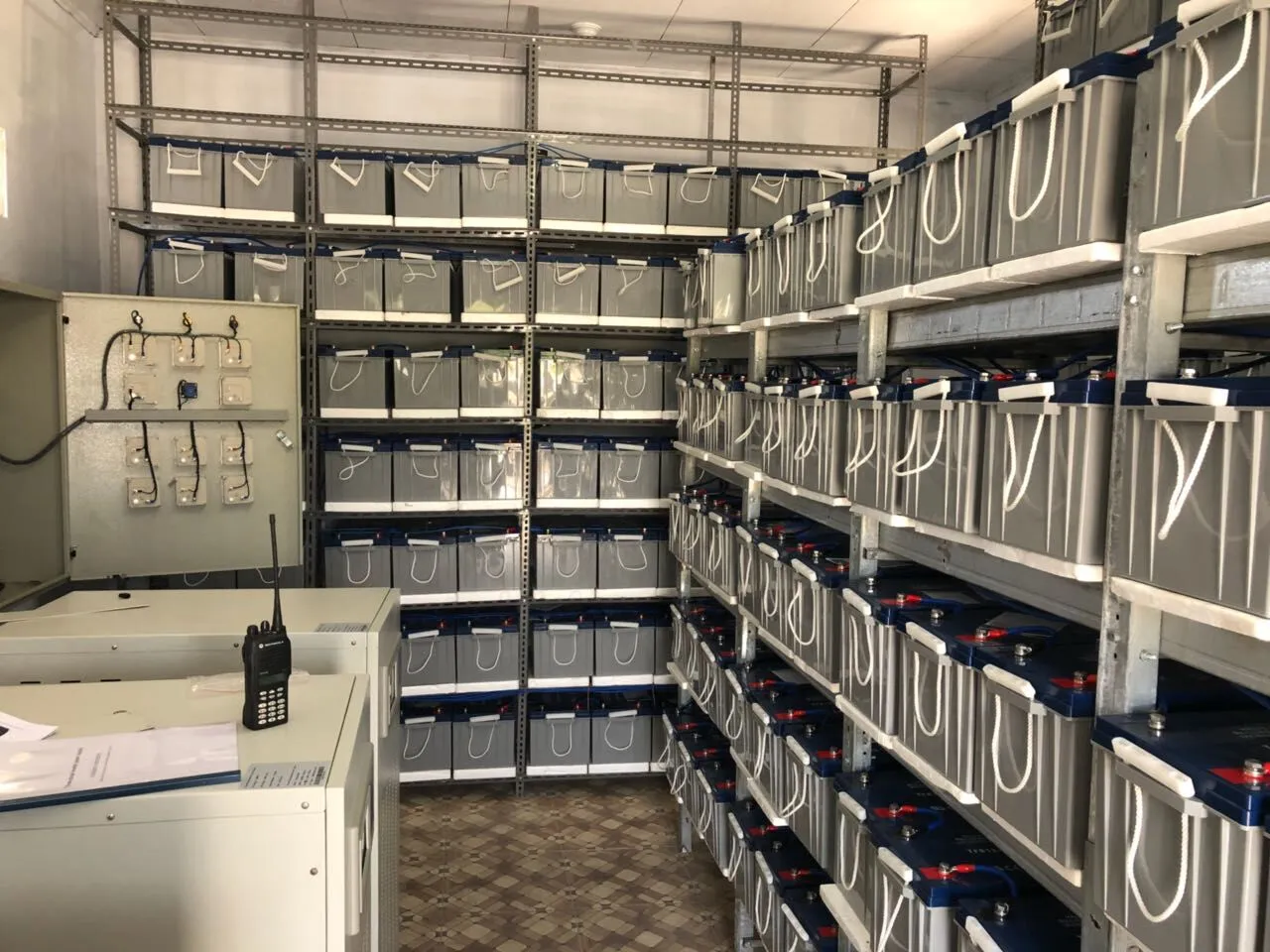
Okay, so you're sold on 250W solar panels, and you like the sound of our one-stop approach. But how do you know if they're exactly right for your project? That's where our free technical consultation comes in. This isn't a sales pitch—we promise. It's a 30-minute chat with one of our solar experts who'll ask about your project details: roof size, energy needs, budget, timeline, and any specific goals (like LEED certification or compliance with Saudi's green building standards). Then, they'll walk you through a customized plan. Maybe 250W panels are perfect, or maybe you need a mix of 250W and 300W for a larger commercial space. Either way, you'll leave with a clear roadmap—no obligation, no pressure.
We've had clients tell us this consultation saved them from costly mistakes. Like the restaurant owner in Khobar who initially wanted to cover his entire roof with 300W panels, only to realize his roof couldn't support the weight. Our consultant suggested a combination of 250W panels (lighter, more flexible) and adjusted the layout to maximize sun exposure—resulting in the same energy output at a lower cost. Or the homeowner in Jeddah who was worried about maintenance: our team walked her through our warranty (10 years on parts, 25 on performance) and explained how easy it is to clean the panels (a quick rinse with a hose every few months—no special equipment needed). Small details, but they make all the difference when you're investing in solar.
Let's get specific. Here are a few examples of how our 250W solar panels have performed in real Saudi projects:
50 units, 250W panels installed on each building's rooftop. Total system size: 25kW. Result: 40% reduction in grid electricity use, tenants saving ~SAR 300/month on bills. The developer reported higher tenant satisfaction and faster lease-up rates due to the sustainability feature.
3-star hotel with 80 rooms. Installed 250W panels on the main building and auxiliary structures. Total system size: 30kW. Result: Cut hotel's annual electricity costs by SAR 60,000, qualified for Saudi's green hotel certification, which boosted booking rates by 15%.
K-12 school with 1,200 students. 250W panels powering the science wing and administrative offices. Total system size: 15kW. Result: Free electricity for science labs (enabling more hands-on experiments), reduced the school's carbon footprint by 20 tons/year, and became a teaching tool for students learning about renewable energy.
At the end of the day, choosing solar panels isn't just about watts and efficiency—it's about finding a partner who understands your project, your goals, and the unique challenges of building in Saudi Arabia. Whether you're a homeowner looking to cut energy bills, a developer aiming for sustainability certifications, or a business owner wanting to future-proof your property, 250W solar panels offer the perfect balance of performance, cost, and flexibility. And when you pair them with a one-stop architectural solution provider like Coloria—with decades of local experience, a commitment to sustainability, and a team that's invested in your success—you're not just buying a product. You're investing in peace of mind.
So why wait? Our technical consultants are standing by, ready to help you figure out if 250W solar panels are right for your project. No jargon, no pressure—just honest advice from people who've been there. Let's build something great together.
Recommend Products












