

In the fast-paced world of architecture and interior design, 2025 is proving to be a year where innovation isn't just a buzzword—it's a necessity. As cities across the Middle East continue to evolve, with skylines transforming and living spaces becoming more intentional, the materials that shape these environments are taking center stage. Among the standouts, MCM flexible cladding stone wall panels have emerged as a game-changer, blending the timeless beauty of natural stone with the practicality of modern engineering. But what exactly makes these panels a must-have in 2025, and which supplier is leading the charge in bringing these cutting-edge solutions to the region? Let's dive in.
For decades, natural stone has been the gold standard for luxury in (architectural design). Its texture, depth, and organic beauty are unmatched. But anyone who's worked with traditional stone cladding knows the challenges: it's heavy, often requires reinforced structural support, and can be unforgiving when it comes to installation—especially on curved or irregular surfaces. Enter MCM flexible cladding stone wall panels: a material that's redefining what's possible.
MCM, short for Modified Composite Material, is a hybrid solution that marries the best of natural and engineered materials. At its core, it's made from natural stone particles (think marble, granite, or travertine) mixed with a lightweight, flexible polymer backing. The result? A panel that looks and feels like real stone but weighs up to 70% less, bends without cracking, and installs in a fraction of the time. It's no wonder designers and contractors across the Middle East are swapping traditional cladding for MCM in 2025.
"We recently completed a residential project in Riyadh where the client wanted the exterior to have the grandeur of natural stone but didn't want the hassle of heavy installation or high maintenance," says Lina Hassan, a senior architect at a leading Dubai-based firm. "MCM panels were the perfect fit. We could curve them around the home's circular balcony, and the client was thrilled with how it maintained that high-end look without the drawbacks."
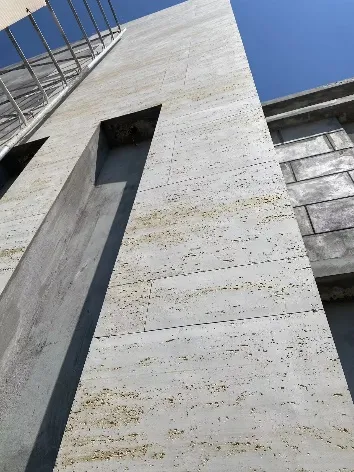
Trends come and go, but MCM flexible cladding stone wall panels are more than a passing fad. They're a response to three big shifts in the industry: the demand for sustainability, the hunger for design flexibility, and the need for durability in extreme climates—all of which are front and center in 2025.
Sustainability isn't just a trend anymore; it's a requirement. Clients, from homeowners to commercial developers, are asking tough questions: Where does this material come from? Is it eco-friendly? Can it be recycled? MCM panels check all these boxes. Many manufacturers (including the leading suppliers in the Middle East) use recycled stone particles and low-VOC adhesives in production, reducing their carbon footprint. Plus, because they're lightweight, transporting MCM panels requires less fuel than traditional stone, cutting down on emissions during shipping.
"We had a corporate client in Abu Dhabi that wanted their new office building to be LEED-certified," explains Omar Khalid, a project manager at a Saudi construction company. "Every material choice mattered. MCM panels not only helped us meet the sustainability criteria but also gave the building's facade a sleek, modern look that aligned with their brand. It was a win-win."
Gone are the days of boxy, cookie-cutter buildings. In 2025, architects are pushing boundaries with curved facades, undulating walls, and dynamic shapes that make structures feel alive. Traditional stone cladding, with its rigidity, often limits these creative visions. MCM panels, however, are flexible enough to bend up to 120 degrees, making them ideal for everything from sinuous commercial exteriors to artistic interior feature walls.
Take, for example, the new cultural center in Doha, set to open in late 2025. Its design features a wave-like facade meant to evoke the Persian Gulf. "We originally considered natural limestone, but it would have required custom-cutting every piece to fit the curve—and even then, we couldn't guarantee it wouldn't crack," says the project's lead architect, Hana Al-Mansoori. "MCM panels adapted to the shape seamlessly. Now, when the sun hits the facade, the waves look like they're moving. It's exactly what we envisioned."
The Middle East is known for its extreme weather: scorching summers with temperatures exceeding 45°C (113°F), sandstorms that blast surfaces with grit, and coastal humidity that can warp even the sturdiest materials. Traditional stone cladding, while durable, can fade under UV rays, absorb moisture, or crack due to thermal expansion. MCM panels, on the other hand, are engineered to withstand these conditions.
Most MCM panels come with a protective UV coating that resists fading, and their non-porous surface repels water and sand. They're also fire-resistant (many meet Class A fire ratings, making them suitable for hospitals and schools), which is a critical safety feature in the region. "We installed MCM panels on a hotel in Jeddah three years ago, and after two summer seasons and a few sandstorms, they still look brand new," says Khalid. "The maintenance team barely has to do anything—just a quick hose down every now and then. That's unheard of with traditional stone."
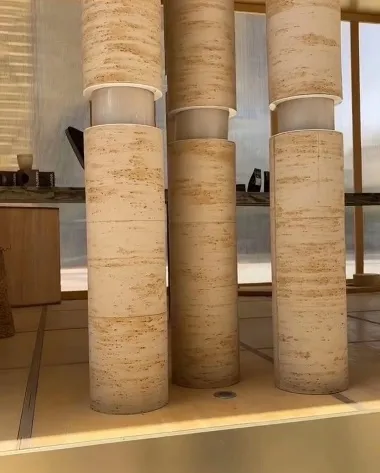
While MCM panels are stealing the spotlight, the best projects in 2025 aren't relying on a single material—they're built on cohesion. That's where a one-stop architectural solution provider comes in. In the Middle East, one name stands out for its ability to deliver not just MCM flexible cladding stone wall panel solutions but a full suite of high-quality building materials: a Saudi Arabia building materials supplier with a reputation for innovation, reliability, and deep regional expertise.
What sets this supplier apart? It's their understanding that the Middle East isn't just a market—it's a community with unique needs. They don't import generic products; they tailor solutions to the region's climate, design preferences, and regulatory standards. Whether it's residential projects in Riyadh, commercial towers in Dubai, or hospitals in Kuwait, they've built a portfolio that speaks to versatility.
While MCM panels are their star product, this supplier offers a range of materials that work in harmony to create cohesive, functional spaces. Let's take a closer look at a few that are trending alongside MCM in 2025:
Indoor air quality has become a top priority for homeowners and businesses alike, and bamboo charcoal board wall panels are emerging as a go-to solution. Made from compressed bamboo charcoal and a eco-friendly binder, these panels naturally absorb odors, moisture, and harmful toxins like formaldehyde—making them perfect for bedrooms, nurseries, and offices. They also add a warm, organic texture to interiors, with finishes ranging from light bamboo to rich ebony.
"We used bamboo charcoal boards in a luxury villa project in Bahrain," says interior designer Fatima Al-Zahrani. "The client had young children and was concerned about chemicals in traditional paint and wallpaper. These panels not only solved that problem but also gave the living room a cozy, earthy feel. Plus, they're surprisingly durable—even with kids and pets, they still look new a year later."
For spaces that demand a sleek, modern look, porcelain slab tile for wall solutions are a game-changer. These large-format tiles (often 1200x2400mm or bigger) minimize grout lines, creating a seamless surface that feels expansive and luxurious. They're ideal for kitchens, bathrooms, and even living room feature walls, where their resistance to stains, scratches, and moisture makes them both beautiful and practical.
"We paired MCM panels on the exterior of a hotel in Muscat with porcelain slab tiles in the lobby," says Hassan. "The contrast between the textured MCM and the smooth porcelain created a stunning first impression. And because both materials are low-maintenance, the hotel's facilities team loves them—no constant scrubbing or repairs."
Hospitals, schools, and government buildings have strict fire safety requirements, and Class A fireproof CPL inorganic boards are designed to meet the highest standards. These boards are made from inorganic materials that resist fire, water, and mold, and they're also easy to clean—critical for healthcare settings. Available in a range of colors and patterns, they prove that safety doesn't have to compromise style.
"In our new hospital wing in Riyadh, we needed materials that could withstand frequent cleaning with harsh disinfectants and meet Class A fire ratings. The CPL inorganic boards from this supplier checked all the boxes. They look clean, modern, and we have peace of mind knowing they're protecting patients and staff." — Dr. Ahmed Al-Sayed, Hospital Administrator
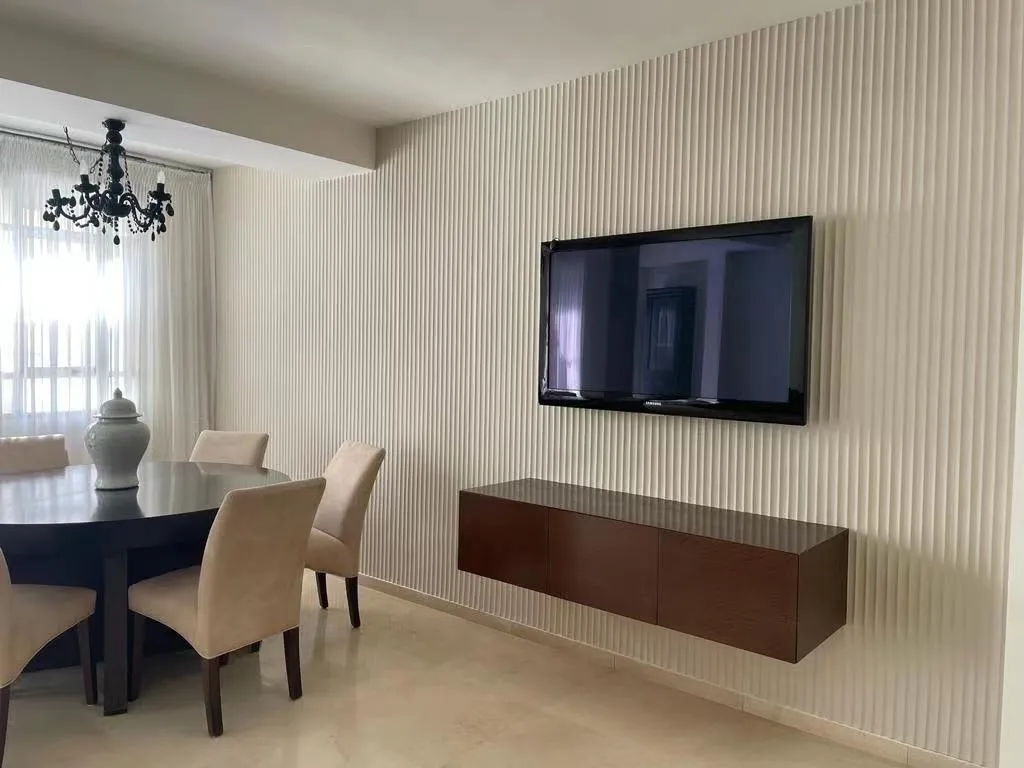
With so many options, choosing the right wall panel can feel overwhelming. To help, we've put together a comparison of the top solutions from this leading supplier, so you can find the perfect fit for your project:
| Material | Key Features | Best For | Sustainability | Fire Rating |
|---|---|---|---|---|
| MCM Flexible Cladding Stone Wall Panels | Lightweight, flexible, weather-resistant, mimics natural stone | Exteriors, curved walls, high-end commercial projects | Recycled stone particles, low-VOC adhesives | Class B (varies by product; some Class A options available) |
| Bamboo Charcoal Board Wall Panels | Odor-absorbing, moisture-resistant, warm texture | Bedrooms, nurseries, offices, wellness spaces | Sustainable bamboo sourcing, biodegradable binder | Class B1 (fire-retardant) |
| Porcelain Slab Tile for Walls | Large format, seamless, stain/scratch-resistant | Kitchens, bathrooms, modern living spaces | Recyclable materials, low water usage in production | Class A (non-combustible) |
| Class A Fireproof CPL Inorganic Boards | Fire-resistant, mold-proof, easy to clean | Hospitals, schools, government buildings | Inorganic, non-toxic materials | Class A (highest rating) |

As 2025 unfolds, the future of building materials in the Middle East looks bright—and busy. MCM panels will continue to dominate exteriors, but we can expect to see even more innovation: think MCM panels with integrated solar technology, or bamboo charcoal boards that connect to smart home systems to monitor air quality. The leading Saudi supplier is already investing in R&D to stay ahead, with plans to launch a new line of self-cleaning MCM panels (perfect for desert climates) and water-resistant bamboo charcoal boards for bathrooms by 2026.
But perhaps the biggest trend will be collaboration. Architects, suppliers, and clients are increasingly working together from the project's earliest stages, ensuring materials are chosen not just for aesthetics but for long-term performance, sustainability, and cost-effectiveness. In a region that's rapidly urbanizing, this collaborative approach will be key to building spaces that are not just beautiful, but built to last.
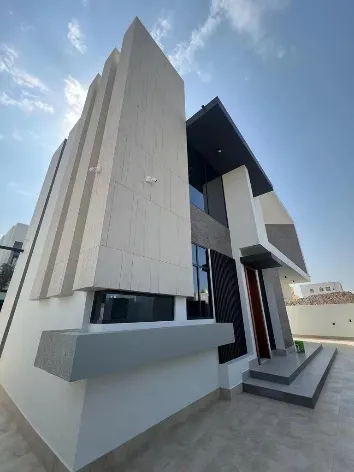
2025 is more than a year—it's a turning point for architecture and design in the Middle East. MCM flexible cladding stone wall panels are at the forefront of this shift, offering a blend of beauty, functionality, and sustainability that traditional materials can't match. But great materials are only as good as the supplier behind them. By choosing a partner that understands the region, offers complementary solutions, and prioritizes innovation, you're not just building a structure—you're crafting an experience.
Whether you're designing a home, a hospital, or a skyscraper, the message is clear: in 2025, the best projects don't just use materials—they tell stories. And with MCM panels and a leading Saudi Arabia building materials supplier by your side, that story is sure to be one of innovation, durability, and timeless style.
Recommend Products











