


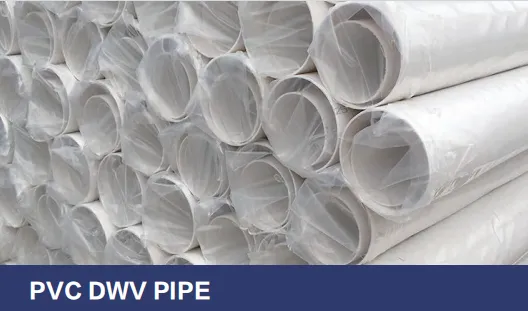
Walk into any construction site or design studio in 2025, and "sustainability" isn't just a checkbox—it's the starting point. For pvc dwv pipe solutions , this means reimagining everything from raw materials to production processes. Take recycled content, for example. Five years ago, most PVC pipes were made from virgin plastic. Today, leading suppliers are incorporating up to 30% post-consumer recycled (PCR) plastic into their DWV pipes without sacrificing strength. I visited a factory in Riyadh last month where the production line runs on solar power, and leftover scraps are ground down and reused instead of sent to landfills. "Our clients—especially commercial developers—aren't just asking for pipes," the plant manager explained. "They want a carbon footprint to go with them."
But sustainability isn't just about materials. It's also about longevity. A well-made PVC DWV pipe can last 50 years or more, reducing the need for frequent replacements. And when it does reach the end of its life, modern PVC is increasingly recyclable. Some suppliers even offer take-back programs, ensuring old pipes are processed into new ones instead of contributing to waste. For homeowners, this translates to lower long-term costs and peace of mind. For cities, it means less strain on waste management systems and a greener skyline.










