

Buildings are more than just structures—they're the backdrops to our lives. They shelter us, inspire us, and shape how we interact with our environment. In 2025, as the world leans harder into sustainability, the materials that make up these buildings are undergoing a quiet revolution. Among them, MCM flexible cladding stone wall panels have emerged as a standout choice for architects, developers, and homeowners alike. But what makes these panels so pivotal, and how are they evolving to meet the demands of modern sustainable architecture? Let's dive in.
First, let's clarify what MCM flexible cladding stone wall panels are. MCM, or Metal Composite Material, is a lightweight, durable material made by bonding two thin metal sheets (usually aluminum) to a core material—often a non-toxic, fire-resistant polymer. What sets MCM panels apart is their flexibility; unlike rigid stone or concrete, they can bend and contour to curved surfaces, making them a dream for designers aiming for unique architectural shapes. But their appeal goes beyond aesthetics. Today's MCM panels are engineered with sustainability at their core, addressing everything from carbon footprints to long-term durability.
For anyone involved in building—whether you're a commercial developer constructing a high-rise or a homeowner renovating a villa—the choice of wall panels matters. It affects energy efficiency, maintenance costs, and even the health of those inside. That's where a reliable mcm flexible cladding stone wall panel supplier becomes invaluable. The best suppliers don't just sell products; they offer solutions tailored to the project's needs, balancing sustainability, safety, and design.
Sustainability isn't a buzzword anymore—it's a requirement. In 2025, MCM panel manufacturers are doubling down on green practices. Many now use recycled aluminum for the outer layers, reducing reliance on virgin materials. Water-based adhesives have replaced solvent-based ones, cutting down on harmful VOC emissions during installation. Even the packaging is getting a makeover, with suppliers switching to biodegradable or reusable materials to minimize waste.
But it's not just about production. These panels are designed to last. With a lifespan of 30+ years, they outperform traditional cladding materials like paint or vinyl, which often need replacement every 5–10 years. Less replacement means less waste in landfills—a win for the planet. Plus, when they do reach the end of their life, many MCM components are recyclable, closing the loop on sustainability.
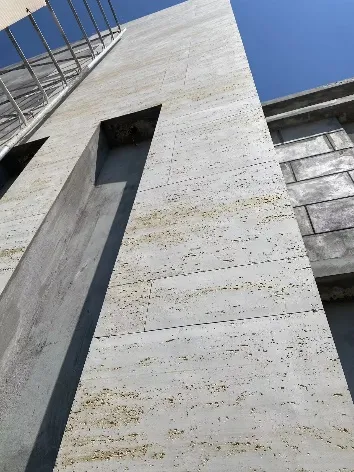
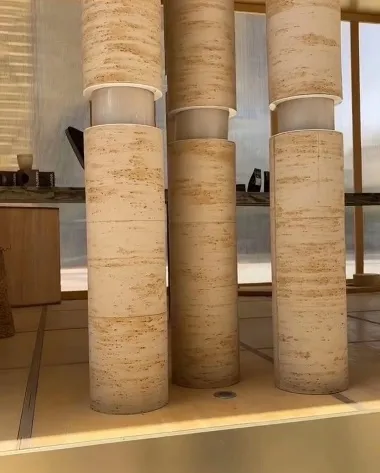
Gone are the days when cladding was limited to flat, uniform surfaces. In 2025, architects are pushing boundaries, and MCM panels are keeping up. Thanks to their flexibility, they can mimic the texture of natural stone, wood, or even concrete—without the weight or cost of the real thing. Imagine a commercial building with a facade that curves gently, its surface resembling weathered granite, but light enough to reduce the building's structural load. Or a residential home where the exterior walls transition seamlessly from a smooth finish to a textured pattern, all achieved with MCM panels.
This design versatility isn't just for show. It also serves functional purposes. For example, curved MCM cladding can improve a building's aerodynamics, reducing wind resistance and energy use. In hot climates like Saudi Arabia, where temperatures soar, textured MCM panels can reflect sunlight, keeping interiors cooler and lowering air conditioning needs. It's a perfect blend of form and function.
In spaces like hospitals, schools, and high-traffic commercial buildings, safety is non-negotiable. That's why fire resistance has become a top priority for wall panel solutions. While MCM panels themselves are inherently fire-retardant (many meet Class B or Class A standards), 2025 is seeing increased integration with specialized materials like class a fireproof cpl inorganic board for hospital and school solutions. These boards, made from inorganic compounds, are non-combustible and emit zero toxic fumes when exposed to fire—critical for protecting lives in emergency situations.
MCM suppliers are now partnering with manufacturers of these fireproof boards to offer integrated systems. For example, a school might use MCM panels for its exterior cladding (for durability and design) and Class A CPL inorganic boards for interior walls (for fire safety). This layered approach ensures the building meets strict safety codes without compromising on aesthetics. It's a trend that's gaining traction in regions with stringent regulations, proving that safety and style can coexist.
MCM panels don't exist in a vacuum. In 2025, the best building projects are mixing and matching materials to maximize sustainability and performance. Let's take a closer look at how MCM pairs with other popular wall solutions:
| Wall Solution | Key Benefit | Best Paired With MCM For: |
|---|---|---|
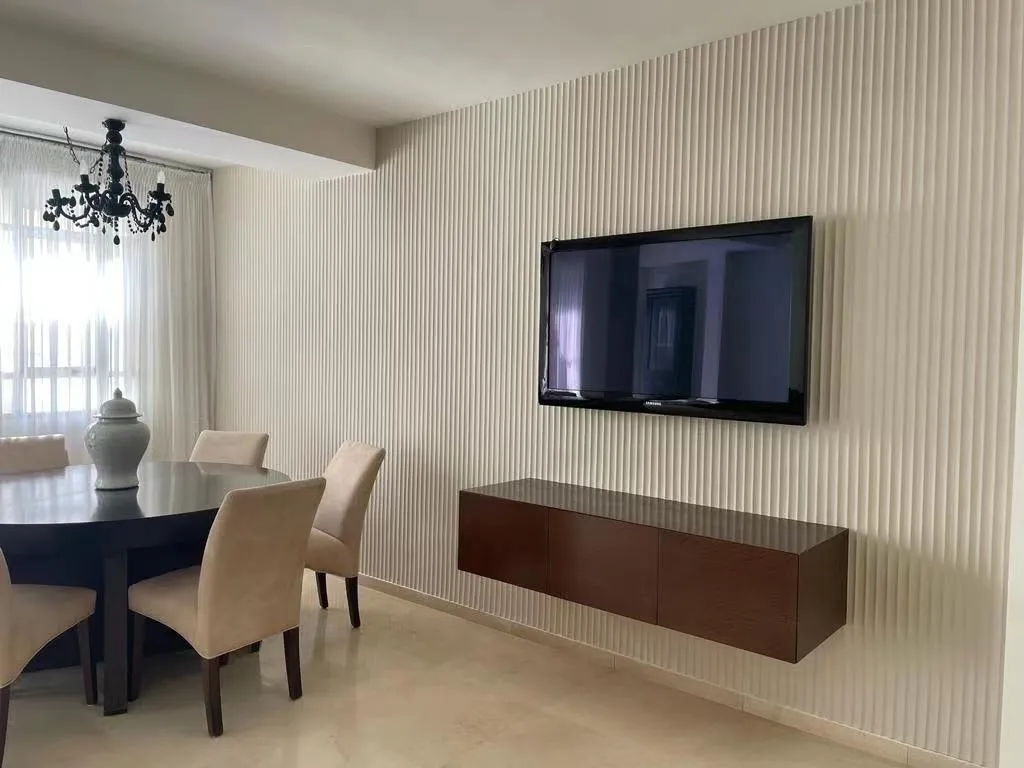
| Bamboo Charcoal Board Wall Panels | Natural air purification, moisture resistance | Residential interiors (bedrooms, living rooms) where air quality matters |
| PU Stone Wall Panels | Lightweight, cost-effective stone mimicry | Accent walls in commercial spaces (hotels, restaurants) for a high-end look on a budget |
| Class A Fireproof CPL Inorganic Boards | Non-combustible, zero toxic emissions | Hospitals, schools, and high-rise buildings where fire safety is critical |
For example, a luxury hotel might use MCM panels for its exterior facade (to withstand harsh weather), bamboo charcoal boards in guest rooms (to keep air fresh), and PU stone panels in the lobby (for a grand, natural stone aesthetic without the weight). This mix-and-match approach lets designers tailor solutions to each space's unique needs—all while staying committed to sustainability.
With the demand for MCM panels skyrocketing, the market is flooded with suppliers. But not all are created equal. So, what should you look for when selecting a partner? First, prioritize sustainability credentials. Ask about their manufacturing process: Do they use recycled materials? What's their carbon footprint? A reputable supplier will be transparent about these details, often sharing third-party certifications (like LEED or ISO 14001).
Next, consider customization. Every project is different, and a good supplier should offer tailored solutions—whether it's a specific color, texture, or size. For instance, a residential building materials supplier might need smaller, more decorative MCM panels, while a commercial supplier might require large-scale, fire-rated options. The ability to adapt is key.
Finally, think about support. Installing MCM panels requires expertise, especially for curved or complex designs. The best suppliers don't just deliver materials; they provide technical guidance, training, and even on-site support to ensure the installation goes smoothly. It's this level of service that turns a transaction into a long-term partnership.
So, where do MCM flexible cladding stone wall panels go from here? 2025 is just the beginning. Industry insiders predict even more innovation in the years ahead. One area to watch is smart integration: Imagine MCM panels embedded with sensors that monitor temperature, moisture, or structural integrity, sending real-time data to building managers. Or panels coated with self-cleaning nanotechnology, reducing maintenance needs and water use.
There's also a push for bio-based MCM cores. Researchers are experimenting with materials like bamboo fiber or mushroom mycelium (a sustainable, fast-growing fungus) as alternatives to traditional polymers. If successful, these could make MCM panels even more eco-friendly, with a fully biodegradable core.
Another trend is circularity. As the construction industry moves toward a "circular economy," MCM suppliers are exploring take-back programs, where old panels are recycled into new ones. It's a closed-loop system that minimizes waste and keeps materials in use for decades.

MCM flexible cladding stone wall panels are more than just a trend—they're a testament to how sustainable architecture is evolving. By combining durability, design flexibility, and eco-consciousness, they're helping build spaces that are safer, more beautiful, and kinder to the planet. Whether you're a supplier, a designer, or someone who simply cares about the buildings around you, these panels represent a step forward in creating a built environment that works for both people and the Earth.
As we move into 2025 and beyond, the message is clear: The future of building is sustainable, innovative, and unapologetically human-centric. And with MCM panels leading the way, that future is looking brighter—and more stylish—than ever.
Recommend Products











