
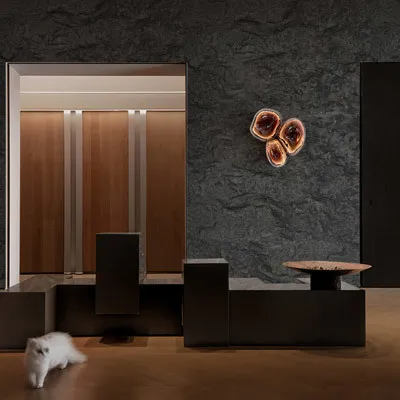
You walk into a lobby, and suddenly, the walls come alive. It's not digital screens – it's something deeper, more primal. The Starmoon Stone wall catches light from hidden angles, casting shadows that dance like constellations across polished stone surfaces. A guest nearby audibly gasps, then laughs at their own reaction. This exact moment is why architects are calling 2025 the year hospitality design finally learned to speak fluent emotion.
The landscape of risk has fundamentally altered design priorities. With geopolitical uncertainties reshaping travel patterns and environmental concerns forcing resource-conscious decisions, hotels face a dual challenge: attract guests through beauty while delivering responsible value. The Starmoon Stone phenomenon addresses this by merging visual storytelling with sustainable performance – biophilic design that leaves space for human stories.
Q: But how long will this trend last?
A: Much longer than a fleeting fad. Consider the data: Properties featuring immersive art installations saw 62% higher social media engagement pre-pandemic. Today, that number has jumped to 89%. Walls aren't just boundaries anymore – they're invitations to belong.
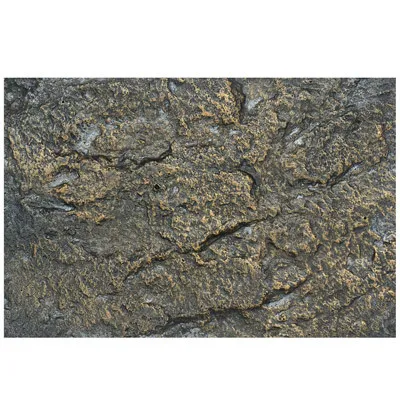
At first glance, it's stone. Then it's light. Then it becomes something in between. The Starmoon technique involves computer-modeled geological formations mapped onto sustainable quartz composites. Using modular components minimizes waste during manufacturing. LED pathways follow naturally occurring fracture patterns – no two installations are identical, much like human experiences within these spaces.
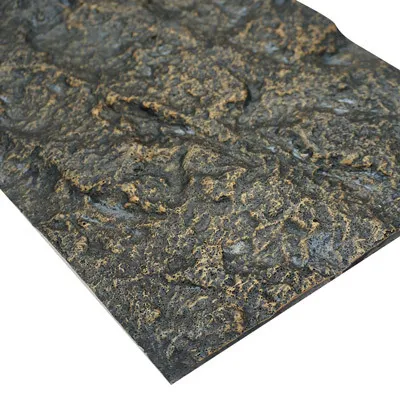
At the newly opened Oasis Mirage Resort, engineers faced desert light's harsh intensity. Traditional materials faded within months. The solution? A Starmoon Wall with adaptive photovoltaic layer:
Guests instinctively understand the narrative. One travel blogger described it as "walking through geological time." Yet behind the poetry lies rigorous structural innovation – thermal regulation reducing AC demand by 22%.
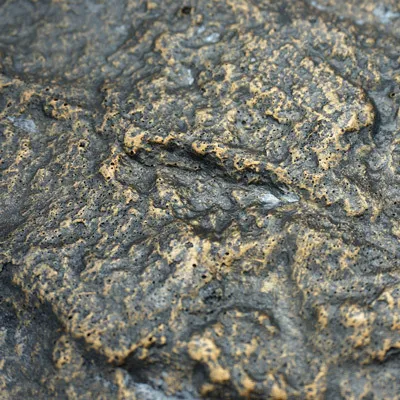
Early adopters faced skepticism. "Too theatrical," some investors claimed. "Unproven durability," worried engineers. The breakthrough came through modular systems that could adapt to existing architecture without demolition – a retrofit approach transforming ordinary corridors into memory lanes.
Q: What about maintenance?
A: Surprisingly low-tech. The stone surfaces self-clean through hydrophobic treatments. Light pathways use sealed LED strips with 50,000-hour lifespans. Repairs involve swapping individual diamond-shaped modules – a fraction of traditional wall repair costs.
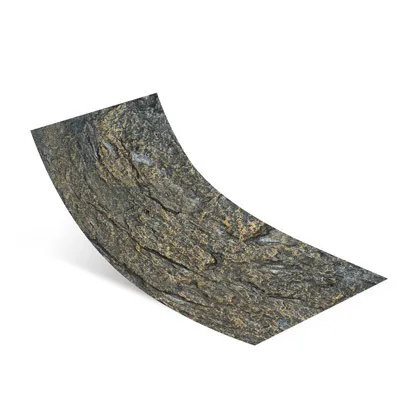
We've tracked surprising behavioral changes in properties using these installations. People linger 40% longer in lobbies. They touch walls to verify the texture isn't digital. Children instinctively shadow-trace patterns on tablets. This tactile authenticity counters our screen-saturated world.
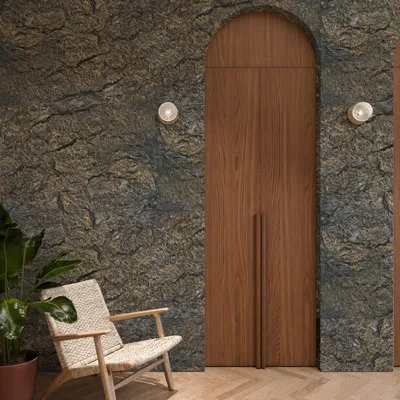
The most innovative designers now partner with geothermal researchers. By studying how light refracts through specific mineral formations like zoisite or labradorite, they replicate these properties in lab-grown composites. The result? Walls that scatter light differently based on time of day or even cloud cover – creating responsive environments that feel deliberately un-programmed.
Singapore Skyline Integration: At the Equator Vertical hotel, architects faced height restrictions. Their solution? A 120-meter vertical "shadow waterfall" incorporating rainwater channels that create shimmer effects during tropical downpours – transforming Southeast Asia's weather from inconvenience into design feature.
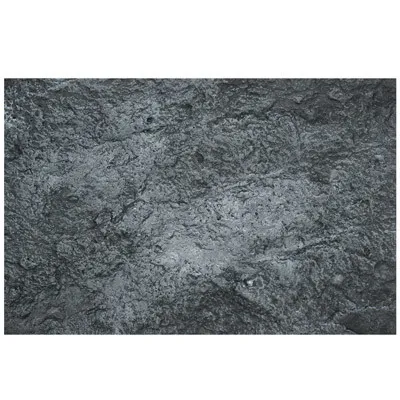
Numbers tell their own story:
But perhaps most telling is the employee perspective. Staff retention at participating properties climbed 28% – workers report feeling "proud to showcase the space." Even housekeeping teams notice fewer complaints about standard rooms once the lobby experience makes that crucial emotional connection.
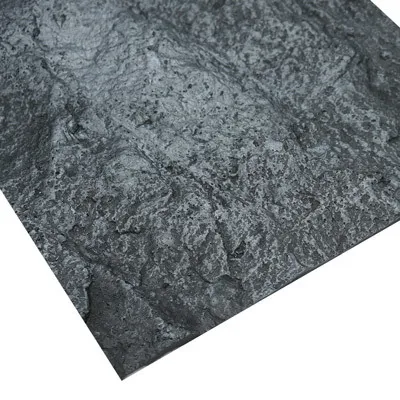
Prototypes already extend the concept:
The true revolution lies in custom installations designed through community input. One coastal resort worked with indigenous artists to embed traditional fishing patterns – preserving culture while creating a truly place-specific experience.
As global uncertainties evolve, the need for spaces that offer authentic connection grows. Walls that change with shifting light patterns become metaphors for resilience – demonstrating that hospitality design must provide not just escape, but meaningful context.
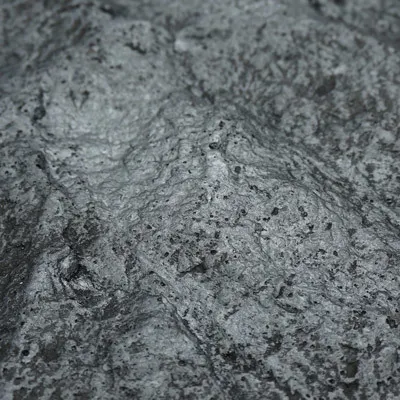
Selecting materials isn't just about aesthetics; it's about harmony. Architects consider:
The most successful installations demonstrate material intelligence – selecting composites that behave differently in Miami humidity versus Denver dryness. This responsive materiality delivers both emotional and functional design.
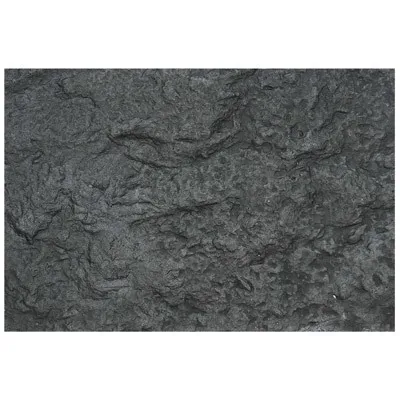
Hotels once competed on thread counts and shower pressure. Today, they vie for emotional resonance. The Starmoon Stone revolution proves walls can be storytellers and energy partners simultaneously. When guests touch sunlight-made patterns on cool stone surfaces, they're not just seeing clever design – they're experiencing how hospitality spaces can help us reconnect with wonder.
Recommend Products












