

As the calendar turns to 2025, the global construction industry stands at a crossroads of innovation and practicality. Cities are growing taller, homes are becoming smarter, and commercial spaces are evolving into experiential hubs—all while sustainability and safety remain non-negotiable priorities. In this dynamic landscape, building materials are no longer just functional; they're storytellers, shaping the character of spaces while meeting the rigorous demands of modern architecture. Among the materials leading this charge is one that's been quietly revolutionizing façades and interiors alike: MCM flexible cladding stone wall panels. More than just a trend, these panels are redefining what's possible for architects, builders, and property owners, especially when paired with complementary solutions like architectural façade innovations and specialized materials from forward-thinking commercial building materials suppliers.
This article dives into the 2025 outlook for MCM flexible cladding stone wall panel solutions, exploring why they've become a cornerstone of contemporary construction, how they stack up against alternatives like bamboo charcoal board wall panels and Class A fireproof CPL inorganic boards, and what their rise means for the future of global building practices. Whether you're a developer planning a commercial high-rise in Riyadh, an architect designing a boutique hotel in Zurich, or a homeowner remodeling a space in Singapore, understanding the potential of MCM cladding could be the key to unlocking your project's full potential.
To appreciate the rise of MCM flexible cladding, it's first important to understand the broader trends reshaping construction in 2025. Three key forces are driving material innovation today: the demand for design flexibility, the push for sustainability, and the need for resilience in the face of climate change. Let's break them down.
Gone are the days when buildings were limited to rigid, box-like structures. Today's architects crave curves, textures, and dynamic forms that reflect the personality of a space. This is where flexibility becomes non-negotiable. MCM flexible cladding stone wall panels, with their ability to bend and conform to complex shapes, are answering this call. Unlike traditional stone or concrete, which are heavy and unyielding, MCM panels are lightweight and malleable, allowing for sweeping arcs on a skyscraper's façade or intricate patterns on a restaurant's accent wall. It's a game-changer for projects that aim to stand out—think cultural centers with undulating exteriors or retail spaces that blur the line between indoors and outdoors.
2025 isn't just about looking good; it's about doing good. With stricter green building codes (LEED v5 and BREEAM 2025 are already raising the bar) and a growing consumer focus on eco-conscious living, materials must now prove their environmental credentials. MCM panels shine here: their lightweight composition reduces transportation emissions, their production processes are increasingly energy-efficient, and many suppliers now offer recycled content options. When paired with other sustainable solutions—like bamboo charcoal board wall panel systems, which naturally purify indoor air—they create spaces that are as kind to the planet as they are beautiful.
From extreme heatwaves in the Middle East to heavy rainfall in Southeast Asia, climate variability is testing buildings like never before. Materials must withstand temperature fluctuations, moisture, and even fire risks without compromising performance. MCM flexible cladding, with its weather-resistant core and stone veneer, is built to last. In regions like Saudi Arabia, where a leading building materials supplier might prioritize durability in harsh desert conditions, MCM panels offer a low-maintenance alternative to traditional stone, resisting fading and cracking even under intense sunlight.
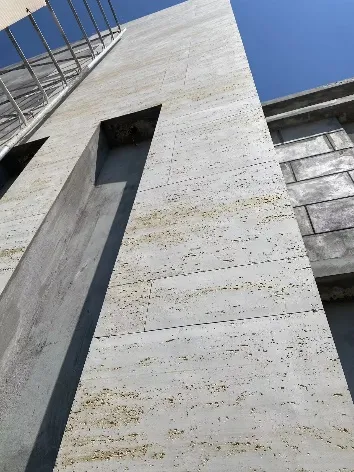
At its core, MCM (Metal Composite Material) flexible cladding stone wall panels are a marvel of engineering: a thin layer of natural stone or stone-like finish bonded to a lightweight, flexible core (often aluminum or fiberglass). This combination delivers the best of both worlds: the aesthetic appeal of natural stone and the practical benefits of modern composite materials. Let's unpack why this matters for 2025's construction projects.
One of the biggest draws of MCM cladding is its design versatility. Suppliers offer an array of finishes, from rough-hewn "mountain rock" textures that evoke a cozy cabin feel to polished "cloud stone" looks that complement minimalist commercial lobbies. This adaptability makes MCM panels suitable for any project: a boutique hotel in Bali might opt for a warm, earthy tone to blend with its surroundings, while a tech startup's office in Dubai could choose a sleek, metallic finish to reflect innovation. Unlike rigid stone slabs, MCM's flexibility also allows for custom shapes—arches, curves, and even 3D patterns—giving architects the creative freedom to turn bold concepts into reality.
For builders, time is money—and MCM panels save both. Their lightweight nature reduces the need for heavy-duty structural support, cutting down on construction costs and timelines. Installation is also streamlined: panels can be cut on-site to fit unique dimensions and secured with simple fastening systems, eliminating the need for specialized labor. Compare this to traditional granite stone, which requires cranes, specialized cutting tools, and longer installation windows, and the efficiency gains become clear. For a commercial building materials supplier managing tight project deadlines, MCM panels are a reliable choice that keeps schedules on track.
In 2025, safety is non-negotiable—especially in high-occupancy spaces like hospitals, schools, and shopping malls. MCM panels are available in fire-rated variants, with some meeting Class A standards, making them suitable for projects where fire safety is paramount. This aligns with the growing demand for specialized solutions like Class A fireproof CPL inorganic board for hospital and school applications, which offer similar fire resistance but with a focus on hygiene and cleanability. Together, these materials create layered safety systems that protect occupants without sacrificing design.
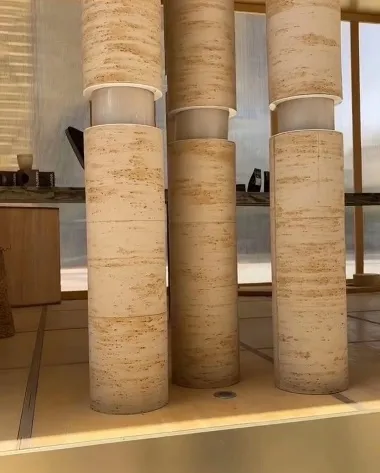
To truly understand MCM's value, it helps to see how it compares to other popular wall panel solutions in 2025. Below is a breakdown of how MCM flexible cladding measures up against bamboo charcoal board, Class A fireproof CPL inorganic board, and traditional stone—three materials frequently used in contemporary construction.
| Material | Key Features | Ideal Applications | Sustainability | Fire Safety Rating |
|---|---|---|---|---|
| MCM Flexible Cladding Stone Wall Panels | Lightweight, flexible, stone-like finish, weather-resistant | Architectural façades, commercial exteriors, high-rise buildings | Recyclable core options, low transportation emissions | Class A (varies by supplier) |
| Bamboo Charcoal Board Wall Panels | Natural air purification, sound absorption, warm wood-like finish | Residential interiors, hotels, wellness centers | Renewable bamboo source, low-VOC production | Class B (with fire-retardant treatments) |
| Class A Fireproof CPL Inorganic Board | Non-combustible, moisture-resistant, easy to clean | Hospitals, schools, healthcare facilities | Inorganic composition, long lifespan reduces replacement needs | Class A (certified for sensitive environments) |
| Traditional Granite Stone | Durable, natural beauty, high-end aesthetic | Monuments, luxury building exteriors | Heavy transportation footprint, limited recyclability | Class A (natural stone) |
The takeaway? No single material is a one-size-fits-all solution. Instead, 2025's most successful projects will blend materials strategically. For example, a commercial building materials supplier might recommend MCM cladding for the exterior façade, bamboo charcoal boards for the lobby interiors, and Class A fireproof CPL boards for the on-site medical clinic—creating a cohesive, safe, and sustainable space.
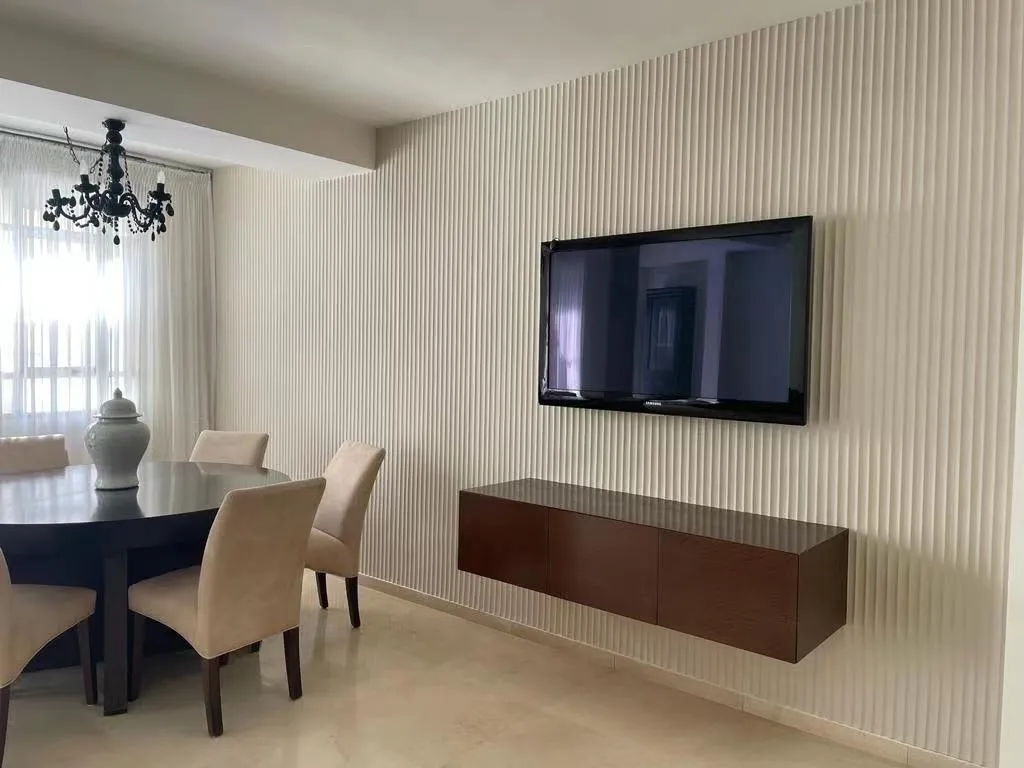
MCM flexible cladding isn't just a niche product; it's a global phenomenon, adapting to regional needs and architectural styles. Let's explore how it's being used across key markets, highlighting the role of local suppliers and cultural preferences.
In Saudi Arabia, where ambitious projects like NEOM and the Red Sea Project are redefining luxury and sustainability, building materials must balance grandeur with durability. A leading Saudi Arabia building materials supplier might prioritize MCM panels for their ability to withstand extreme temperatures (often exceeding 45°C) and sandstorms while maintaining a premium look. In Riyadh's business district, for example, a new commercial tower might feature MCM cladding in a warm, golden tone, mimicking traditional sandstone but with the added benefit of thermal insulation—reducing cooling costs in a region where energy efficiency is critical.
In Europe, where historic cities meet cutting-edge design, MCM panels are helping preserve architectural heritage while introducing contemporary elements. In Switzerland, a country known for its precision and love of natural materials, a stone supplier might pair MCM cladding with local granite accents, creating a façade that honors traditional Alpine aesthetics but with a lighter, more sustainable footprint. In Paris, a boutique hotel in a 19th-century building could use MCM panels to restore the exterior, matching the original stonework's texture while ensuring the structure meets modern safety codes.
Asia's rapid urbanization—with cities like Singapore and Tokyo leading the way in vertical living—demands materials that maximize space and minimize weight. MCM cladding is ideal here: its lightweight design reduces the load on high-rise structures, while its customizable finishes allow architects to create unique identities for each building in dense cityscapes. In China, for instance, a residential complex might use MCM panels in a range of earthy tones to break up the monotony of repetitive housing blocks, while integrating bamboo charcoal board interiors to improve indoor air quality—a selling point for health-conscious homebuyers.

In 2025, the line between "supplier" and "partner" is blurring. Today's construction projects are too complex for a one-size-fits-all approach, and successful outcomes depend on suppliers who offer more than just products—they offer expertise, customization, and end-to-end support. This is especially true for specialized materials like MCM flexible cladding, where technical knowledge and project-specific tailoring can make or break a design.
Forward-thinking commercial building materials suppliers are now positioning themselves as "one-stop architectural solution providers," offering not just MCM panels but also complementary products like flooring systems, ceiling solutions, and even plumbing fixtures. This integrated approach simplifies the supply chain, reduces coordination headaches for builders, and ensures materials work together seamlessly. For example, a supplier might recommend MCM cladding for the exterior, porcelain slab tiles for the lobby walls, and WPC wall panels for the interiors—all from a single source, guaranteeing color consistency and compatibility.
No two projects are alike, and suppliers are responding with unprecedented customization options. Whether it's a custom stone finish for a luxury hotel or a fire-rated variant for a hospital, MCM cladding suppliers are working closely with architects to develop solutions that meet specific aesthetic and performance requirements. In the healthcare sector, for instance, a supplier might collaborate with a hospital to create Class A fireproof CPL inorganic board panels in calming blue tones, designed to reduce patient anxiety while ensuring compliance with strict hygiene standards.
As sustainability moves from a "nice-to-have" to a "must-have," suppliers are now offering eco-consulting services to help clients meet green building goals. This might include carbon footprint assessments for MCM panel production, recommendations for recycled content, or guidance on pairing materials for maximum energy efficiency. A forward-thinking supplier in Saudi Arabia, for example, could help a developer calculate the environmental impact of choosing MCM cladding over traditional stone, highlighting long-term savings in energy and maintenance costs.
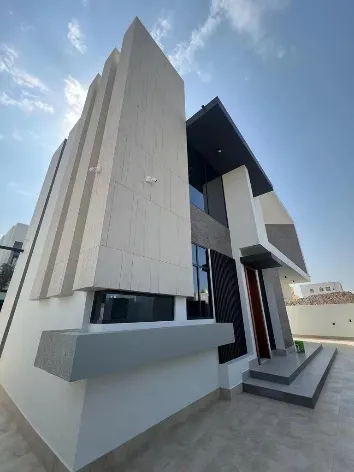
As we look beyond 2025, the future of MCM flexible cladding stone wall panel solutions is bright—and full of innovation. Here are three trends to watch:
The rise of smart buildings is set to transform MCM panels from passive cladding to active system components. Imagine panels embedded with sensors that monitor structural health, or integrated with solar cells to generate energy—turning façades into power sources. Suppliers are already experimenting with conductive cores that allow for wireless charging or LED lighting integration, creating dynamic exteriors that respond to their surroundings.
The construction industry is one of the world's largest waste producers, but MCM panels are poised to lead the shift toward circularity. In the coming years, we'll see more suppliers offering take-back programs for old panels, recycling them into new products. Innovations in bio-based cores—made from agricultural waste or mycelium—could also reduce reliance on synthetic materials, making MCM cladding even more sustainable.
As MCM cladding goes global, suppliers will increasingly tailor their offerings to local cultural preferences. In the Middle East, this might mean panels inspired by traditional geometric patterns; in Africa, finishes that mimic local stone like sandstone or granite; in Asia, textures that reflect bamboo or rice paper aesthetics. The goal? To create materials that feel "at home" in every region, blending global innovation with local soul.
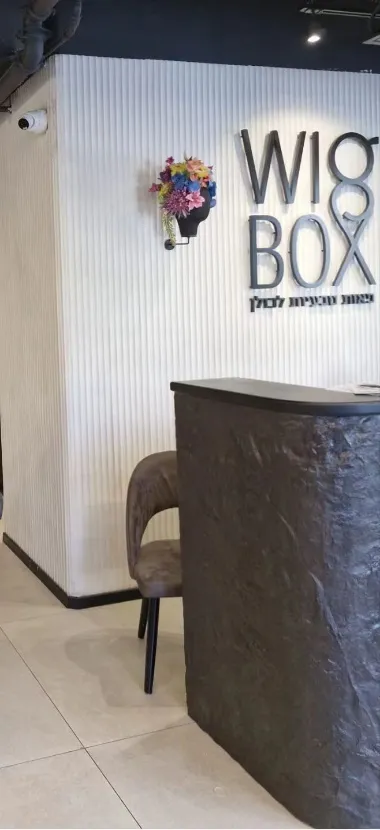
In 2025, construction is no longer just about building structures—it's about crafting experiences, prioritizing people, and protecting the planet. MCM flexible cladding stone wall panel solutions embody this ethos: they're beautiful yet practical, innovative yet accessible, and sustainable yet durable. Whether you're a commercial building materials supplier looking to expand your offerings, an architect pushing the boundaries of design, or a homeowner dreaming of a space that reflects your style, MCM panels offer a canvas for creativity and a foundation for resilience.
As we move forward, the most successful projects will be those that embrace collaboration—between suppliers, designers, and communities—using materials like MCM cladding, bamboo charcoal boards, and Class A fireproof CPL systems to build a world that's not just built to last, but built to thrive. In this new era of construction, the walls we build are more than barriers; they're bridges—between past and future, nature and technology, and function and beauty. And MCM flexible cladding is leading the way.
Recommend Products











