


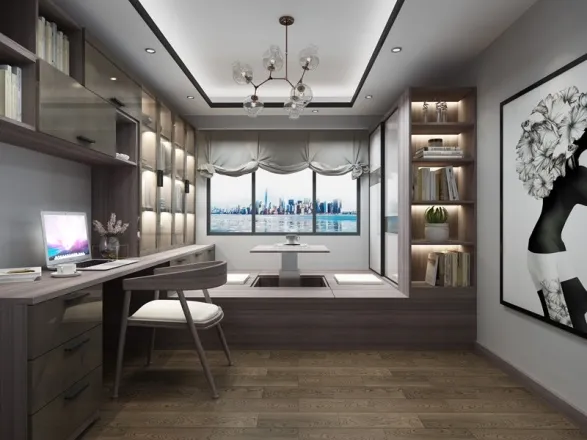
The Timeless Craft Meets Contemporary Living
You know that feeling when you slip off your shoes and step onto a well-crafted tatami floor? That instant grounding sensation, that subtle scent of rush grass meeting lacquered wood? It's no accident. Tatami's been quietly transforming spaces for centuries, and now in 2025, it's rewriting interior design rules globally. This isn't just about reviving Japanese tradition - it's a full sensory revolution blending heritage craftsmanship with modern innovation.
This year, tatami moves beyond its role as flooring to become a holistic design solution. Forget sterile tile conversions or characterless laminate - we're seeing designers from Lisbon to Kyoto weave tatami principles into walls, partitions, furniture, and lighting. The magic happens when ancient joinery techniques meet sustainable manufacturing, creating spaces that breathe with you while conserving environmental resources.
What I find remarkable is how tatami naturally regulates everything it touches - humidity, acoustics, light refraction. Modern interiors chase this with expensive tech. But tatami? It's been solving these problems naturally for generations. Now global design is waking up to its genius.
Color Palettes: Nature's Whisper Reimagined
Forget stark minimalism - 2025's tatami color language breathes with organic personality. Inspired by changing seasons and the Japanese concept of shinwakan - a deep feeling of peace in natural harmony - colors shift like breathing landscapes. Gone are factory-standard greens, replaced by nuanced hues that respect natural textures.
Earth Notes
The soul of this palette lives in subtle earth tones. Picture:
- Clay Ash - warm greys mimicking weathered pottery
- Charred Cypress - deep browns with ash undertones
- Rushing River - cool minerals reflecting water stones
Japanese masters use haku-urushi pigments to deepen these tones naturally. They're staining borders to match sun-faded reed cores, creating gradients that deepen with time. This patience-first approach transforms tatami from flooring into evolving color sculpture.
Unexpected Accents
Breaking traditional boundaries, designers now weave unexpected highlights:
- Aged Brass edging on Indigo mats
- Deep Plum thread weaves through olive reed
- Burnt Coral embroidered details at corners
These aren't reckless innovations but studied choices. Indigo historically represents eternity in Japanese art. Deep plum honors Heian noble traditions. That coral? It echoes seasonal kōyō autumn leaves. When modern color psychology meets ancestral meaning, you get layers that feel both fresh and eternal.
Designer Insight: "We've moved beyond 'should we stain the borders?' to 'how can we make color transition with daylight?' When afternoon sun hits our Water Reed collection, pigments shift from grey-mauve to soft cinnamon. It's like the room sighs with changing light." - Satomi Yamamoto, Kyoto Design Collective
Trending Tags
#LivingFade #OxidizedEdges #SeasonalShiftingPalettes #DeepMineral #HeritageContrastMaterials & Sustainability: Eco-Woven Innovation
2025's tatami revolution centers on material reinvention. Forget imported rush and endangered woods - we're seeing global studios embrace:
Unexpected Heroes
- River Hemp - faster growing, stronger binding than igusa
- Bamboo Papercord - woven for humidity control
- Seaweed Compress - fire-resistant backing panels
- Recycled Cotton Batting - soundproofing layers
Portugal's ArteTatami Collective made headlines harvesting invasive river plants to create water-purifying mats - their Loto collection actually filters air via integrated micro-algae systems inside the reed weaves. How's that for turning problems into solutions?
The Waste Transformation
True sustainability shines in tatami waste streams:
- Trimmings turned into mulch for urban gardens
- Retired mats become sound insulation boards
- Dust from sanded borders used as brick pigments
But the real magic? Community revitalization. Tokyo's Tatami Youth Project trains unemployed youth in restoration techniques while recovering abandoned mats from empty homes. One refurbished mat funds conservation of traditional skills while keeping landfills cleaner.
Case Study: Amsterdam's De Plannen studio partners with Dutch sailing cooperatives - old fishing sails get woven into mat cores, each piece labeled with GPS coordinates showing wind's origin. Their 'Tatami Tales' collections map journeys across seas and into homes.
Trending Tags
#RiverRevival #RestorationFirst #ClosedLoopCraft #LegacyWeave #TextileTransitionApplications: Beyond Floors, Beyond Borders
While tatami flooring remains beloved, 2025 explodes tradition through revolutionary installations. Interior designers globally tap tatami principles for spatial transformations:
Vertical Surfaces
- Sound-absorbing accent walls with woven 3D patterns
- Movable partitions with magnetic tatami-core panels
- Ceiling baffles reducing noise with reed grids
Barcelona's Casa Botán transformed a noisy apartment using compressed reed panels as acoustic ceilings - noise levels dropped 70% while bringing Mediterranean warmth. Their secret? Hidden gaps between panels allow air circulation while trapping sound vibrations in the porous reeds.
Functional Design Objects
- Tatami-core tables with recessed garden designs
- Modular ottomans with stitched tatami surfaces
- Room dividers with seasonal reed insert patterns
Traditional washi paper layers now get sandwiched between reed grids in lighting pendants, casting exquisite shadows. Milano's Luce Gallery combines this with recycled glass, creating lamps that filter light as delicately as shoji screens.
Innovation Spotlight: Seoul's Room Alchemist studio created modular tatami seating systems that transform based on room needs. Mats connect via antique-inspired wooden joints, supporting weight while allowing shape shifts from beds to conversation pits. Their designs respect tradition while encouraging contemporary flexibility.
Modern Wellness Spaces
Yoga studios now feature tatami wall systems that release forest fragrances when warmed by body heat. Thermal spas use tatami platforms conducting heat evenly without burning skin. Even corporate offices install tatami "recharge pods" for meditation breaks.
This isn't just decor - it's sensory therapy. Portland NeuroDesign's research shows tatami-integrated spaces reduce cortisol 43% more than conventional interiors. The material literally holds space for calm.
Trending Tags
#ModernShoji #LivingPartitions #ThermalTatami #SensoryArchitecture #FlexibleWallsWhy This Movement Matters Now
In our tech-accelerated world, tatami offers more than sustainable materials - it provides sensory sanctuary. That scent of rush grass? It's scientifically proven to trigger calm. The soft resistance underfoot? It activates proprioceptive grounding. The subtle sound absorption? It literally creates quiet mental space.
More importantly, tatami connects global design communities to ancestral wisdom. When Paris workshops collaborate with Kyoto artisans to rethink modular panels, they're building bridges between cultures. When London startups rescue warehouse discards to create tatami-backed acoustic panels, they're closing waste loops while improving living conditions.
Tatami in 2025 becomes more than flooring - it's a global language for well-crafted living. It teaches patience through hand-bound edges. It models sustainability through closed-loop sourcing. It heals by creating havens of sensory harmony.
This movement extends beyond aesthetic trends. When designers prioritize natural tactile experiences while embracing innovative applications, they rewrite how spaces impact human wellbeing. Tatami becomes the material embodiment of thoughtful evolution - honoring tradition while designing our shared future.










