
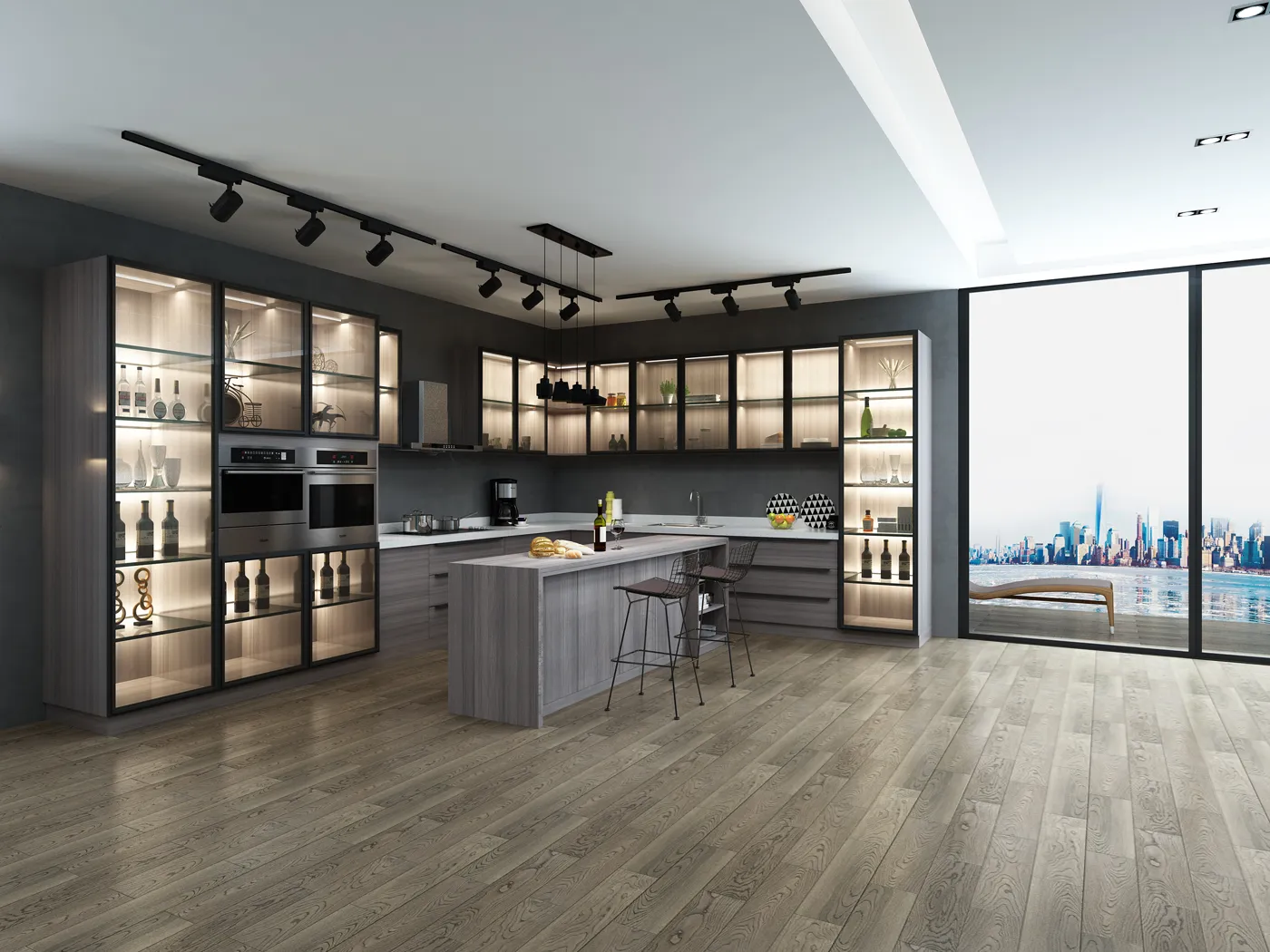
Picture yourself walking into a kitchen that feels like it was designed just for you - every cabinet at the perfect height, storage solutions that actually make sense, and finishes that bring a smile to your face every morning. That's the kitchen of the future we're heading toward in 2025. But what's really driving this transformation? From what I've seen watching this market evolve, it's more than just aesthetics; it's a perfect storm of changing lifestyles, technology breakthroughs, and shifting ideas about what 'home' really means.
Industry experts predict we'll see the global kitchen cabinet market hit the $170 billion mark by 2025, growing at around 5% annually. But those numbers don't tell the whole story - what's really exciting is how dramatically cabinets themselves are transforming from basic storage units into the true command centers of our kitchens.
You wouldn't think something as straightforward as kitchen cabinets could have so many moving parts influencing them, but when we peel back the layers, we find several fascinating trends converging:
Imagine cabinet doors that open automatically as you approach with groceries, integrated lighting that knows exactly where you're working, or shelves that automatically adjust height based on voice command. These aren't fantasy concepts anymore - we'll see these becoming available at mid-range price points in 2025.
Material science breakthroughs are transforming what cabinets can do. Lightweight aerospace composites allow intricate designs without structural compromises, self-healing surfaces gently erase minor scratches overnight, and antimicrobial coatings actively repel kitchen germs between cleanings.
The days of buying rigid cabinet sets are fading fast. Forward-looking companies are creating customizable component systems where homeowners can mix-and-match door styles, finishes, and organizational accessories that evolve with their changing needs over time.
Homeowners here are willing to spend more for features that simplify their hectic lives. I've seen particular excitement around organizational systems that practically guarantee a place for everything, from pet food stations to appliance garages that make countertop clutter disappear. The luxury segment isn't slowing down either - custom kitchen cabinets with integrated refrigeration and exotic wood species continue attracting high-end buyers.
European consumers approach cabinets differently - space optimization is an art form here. Popular styles feature pull-out pantries that fit between studs, corner units that utilize every cubic inch, and integrated recycling stations that make sustainability effortless. Germany and Scandinavia are pioneering ultra-efficient flat-pack designs that minimize transportation impact while delivering premium quality.
This region will likely become the global demand engine, thanks to rapid urbanization and expanding disposable incomes. Modular cabinet concepts that work flexibly in tight urban kitchens are gaining huge traction, along with compact solutions that combine laundry functions, all while staying visually light to maintain open spatial feelings in small areas.
What excites me most about developing markets is how they're redefining value. Manufacturers are designing gorgeous cabinets using regionally abundant sustainable materials like fast-growing bamboo and agricultural byproducts. This keeps prices accessible while reducing environmental footprints through hyper-local supply chains.
This growth isn't without obstacles. Supply chains remain sensitive globally - a lesson learned painfully over recent years. Innovative companies are regionalizing production, building inventories strategically, and exploring alternative materials to guarantee consistent availability.
The skilled labor shortage continues to bite too. Forward-thinking manufacturers are investing heavily in augmented reality training programs that dramatically shorten learning curves for complex installations and advanced robotic finishing systems that enhance craftsmanship rather than replacing it.
There's also the sustainability paradox - cabinets are inherently resource-intensive products. Industry leaders are tackling this through revolutionary programs like cabinet buy-back initiatives and designing products specifically for disassembly and recycling from the start.
What fascinates me about this industry is how cabinet innovation is now being driven by deeper human needs rather than superficial style trends. We're seeing solutions that:
As we look toward 2025, it's becoming clear that the most successful kitchen cabinet manufacturers won't be those chasing quarterly sales goals, but those fundamentally reimagining what cabinets can be. The winners will build deeper customer relationships, embrace circular economy principles, and leverage technology to create truly adaptive solutions rather than static products. The kitchen is reclaiming its place as the true heart of our homes - and cabinets are transforming into its intelligent, beating core.
The transformation we're witnessing isn't just about where we store our plates - it's a reflection of how we live. When cabinets adapt to new family patterns, incorporate seamless technology, and prioritize both sustainability and personal expression, they do more than organize our kitchens. They create a sense of belonging that transforms cooking into connection and functionality into comfort.
Recommend Products












