
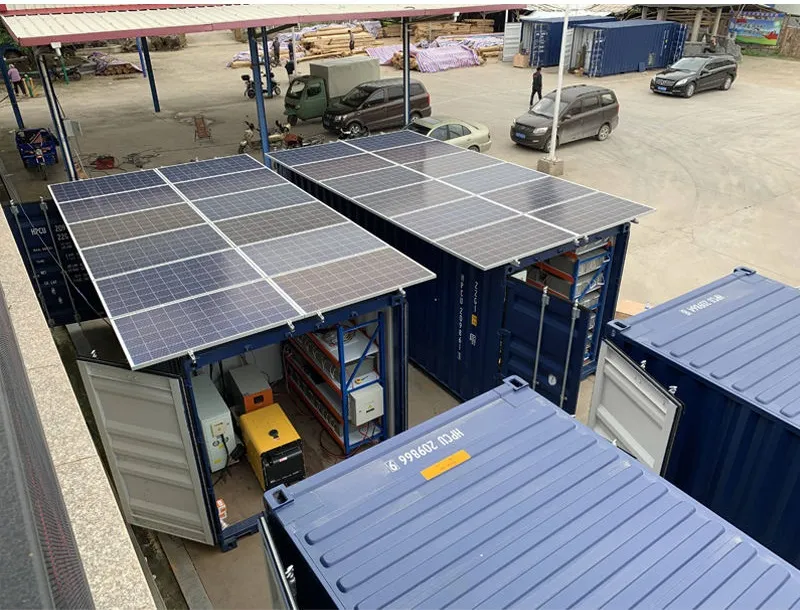
Solar energy continues to reshape how residential and commercial projects approach power supply. Among the many panel options on the market, 200 watt solar panels have carved out a distinct position — they strike a practical balance between physical size, power output, and cost, making them a popular choice for mid-scale rooftop installations, off-grid cabins, and commercial auxiliary power systems.
China currently dominates global solar panel production, accounting for more than 80% of worldwide output. The country's advanced manufacturing capabilities and economies of scale have made high-quality solar products more accessible to international buyers than ever before. For project owners and contractors sourcing from overseas, understanding what makes a 200W panel worth the investment is essential.
A 200W solar panel typically generates between 800 and 1,200 watt-hours of electricity per day under optimal sunlight conditions, depending on geographic location and seasonal variation. This output level is well-suited for several common applications:
The 200W form factor also offers practical installation advantages. Panels in this wattage class are generally lightweight enough for two-person handling, reducing labor costs and simplifying logistics on crowded job sites.
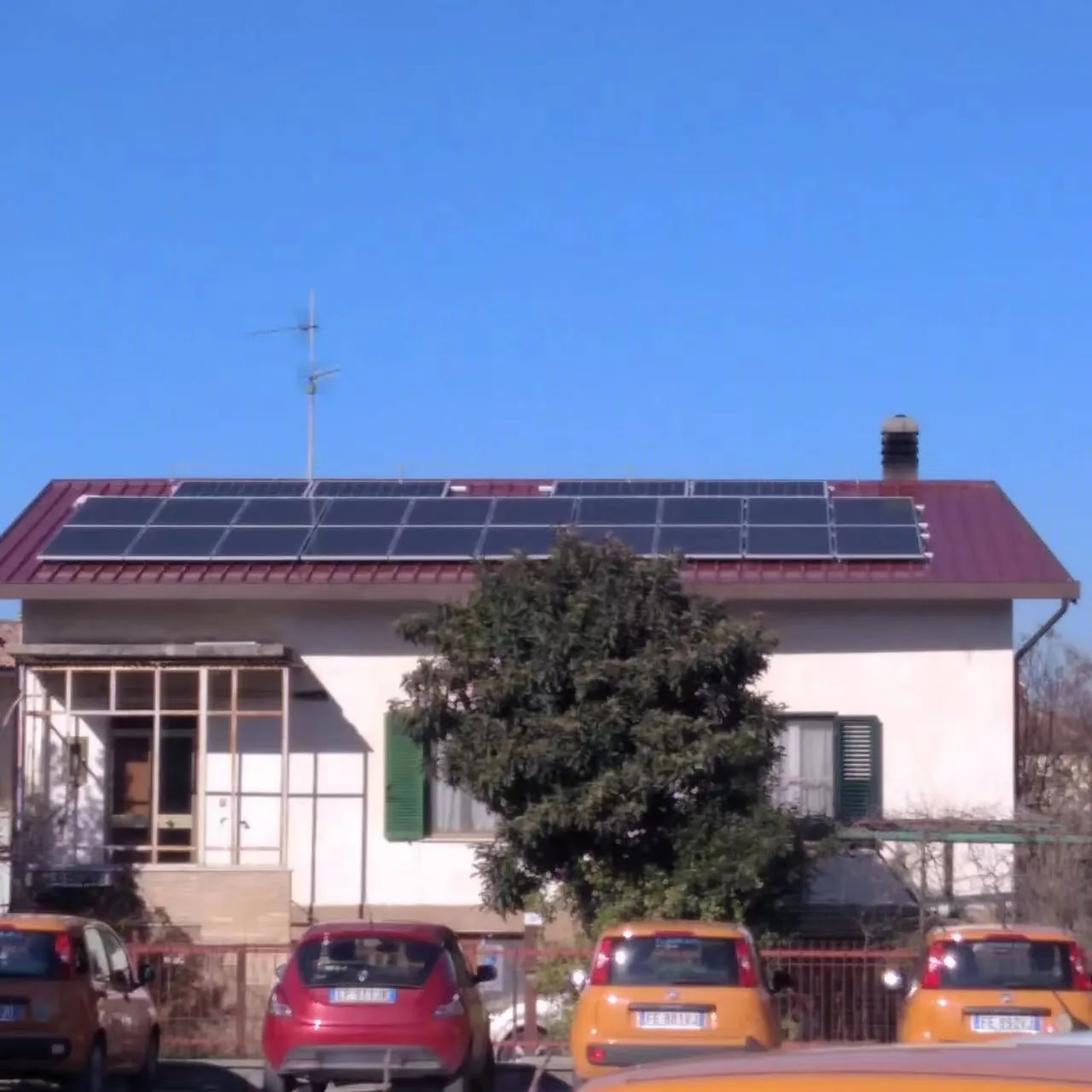
When selecting 200 watt solar panels, several technical specifications deserve close attention:
Cell technology. Most modern 200W panels use monocrystalline cells, which offer higher conversion efficiency (typically 19%–22%) compared to polycrystalline alternatives. Monocrystalline panels also perform better in low-light conditions, making them more versatile across different climates.
Build quality and durability. Look for panels with anodized aluminum frames, tempered glass with anti-reflective coating, and IP67-rated junction boxes. These features directly affect how well the panel withstands wind, hail, and years of thermal cycling.
Temperature coefficient. This often-overlooked specification tells you how much efficiency drops as the panel heats up. A lower coefficient (e.g., -0.35%/°C versus -0.45%/°C) means the panel maintains better output on hot days — a meaningful difference in tropical and desert regions.
Certifications. Reputable panels carry IEC 61215 and IEC 61730 certifications, which verify electrical performance and safety under standardized testing conditions. For projects in specific markets, additional certifications such as UL (North America) or TÜV (Europe) may be required.
Quick Checklist for Panel Evaluation
Monocrystalline cells • Anodized aluminum frame • Tempered anti-reflective glass • IP67 junction box • Temperature coefficient ≤ -0.40%/°C • IEC 61215 & IEC 61730 certified
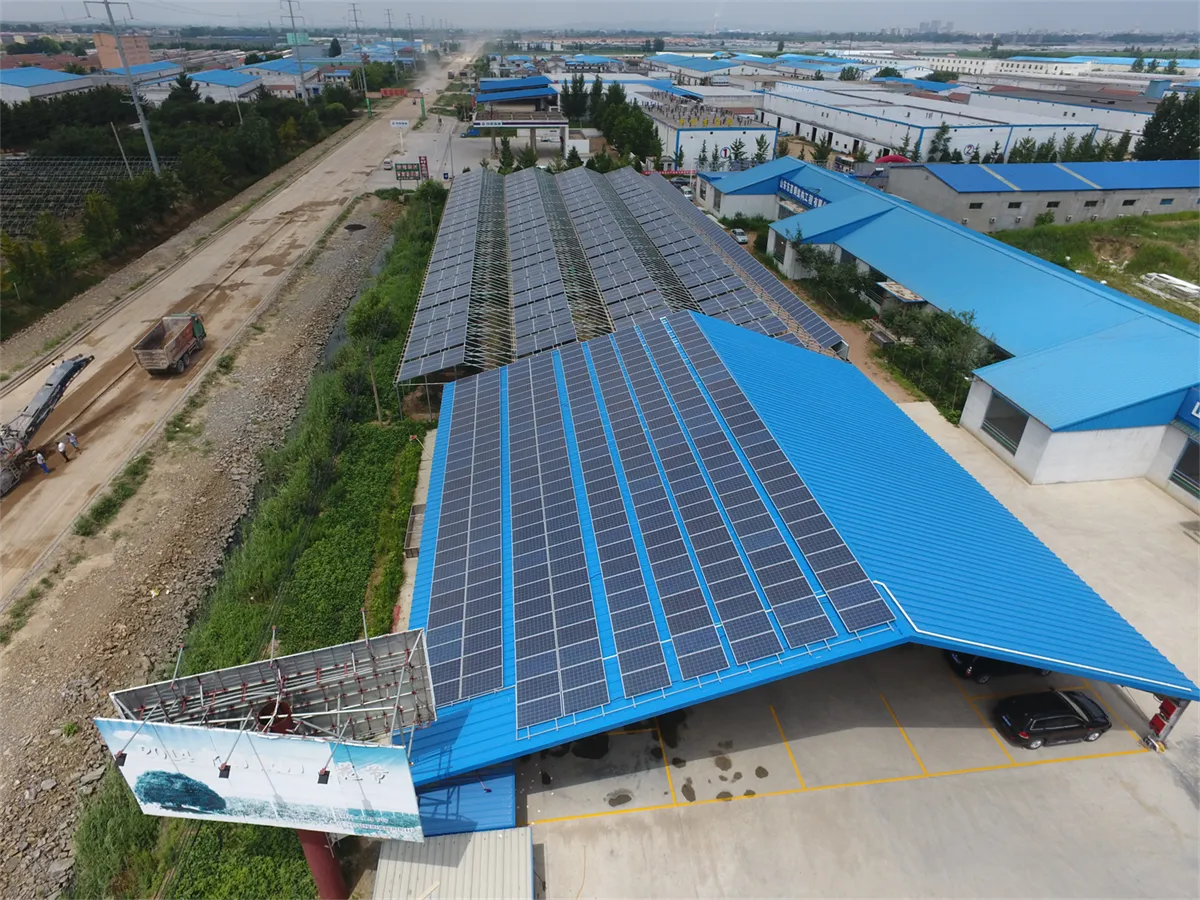
One of the biggest challenges in construction and renovation projects is coordinating multiple vendors across different product categories. A project that requires solar panels, roofing materials, electrical cables, and interior finishes often involves dealing with five or six separate suppliers — each with its own lead times, shipping arrangements, and quality standards.
Working with a comprehensive building material supplier eliminates this fragmentation. When solar panels and other construction materials come from a single source, project managers gain:
This approach is particularly valuable for international buyers who need to manage complex import procedures and want to minimize the number of supplier relationships they must maintain.
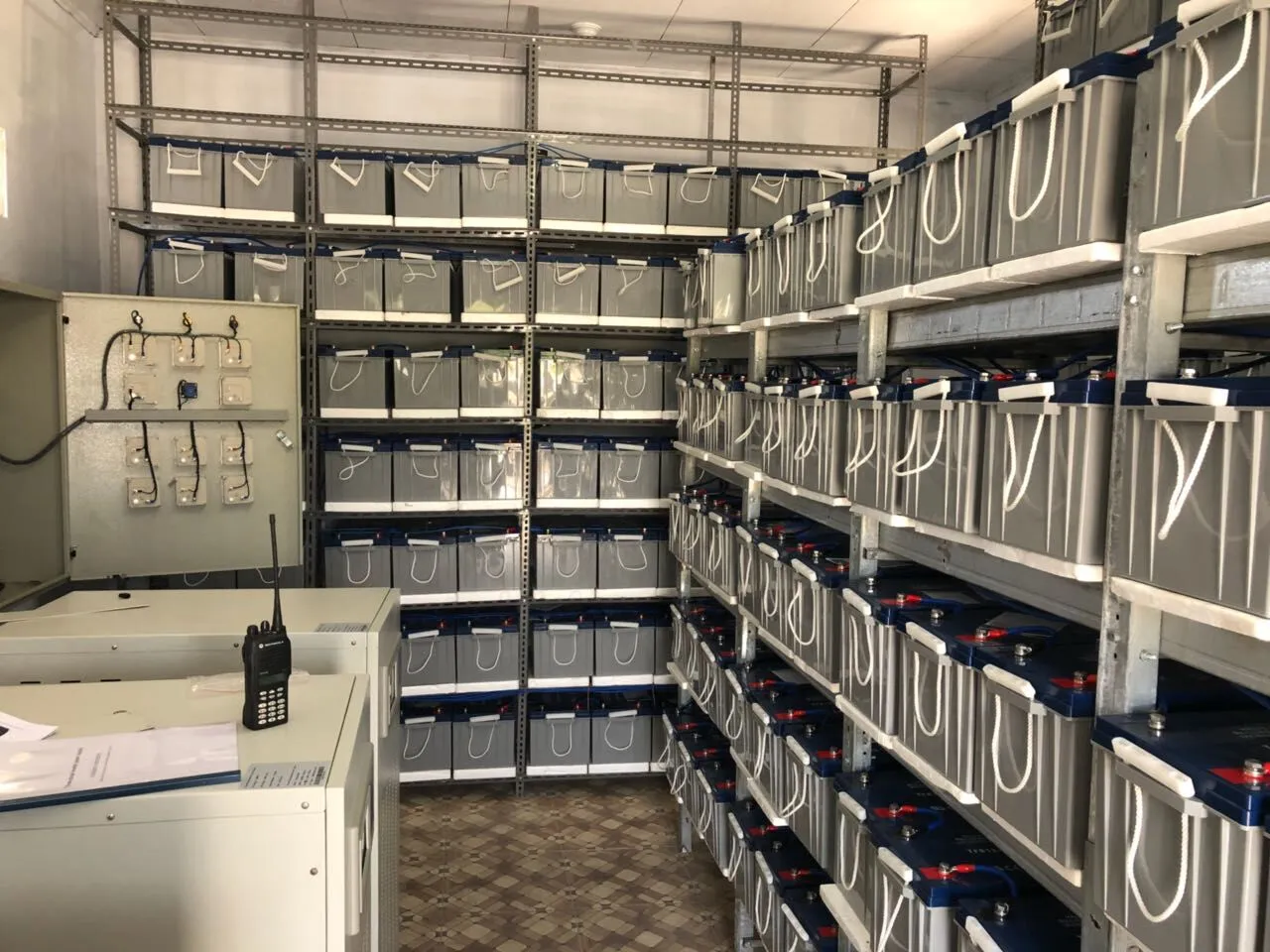
For buyers who want to source 200W solar panels alongside a complete range of construction materials, COLORIA GROUP offers a practical solution. As a one-stop architectural solution provider, the company supplies solar panels as part of a broader catalog that spans 13 product categories — from walls, flooring, and ceiling systems to pipes and fittings, sanitary fixtures, customized furniture, windows and doors, elevators, electrical fixtures, and lighting.
COLORIA GROUP's solar panel products are manufactured with monocrystalline cell technology and built to meet international quality standards. The company's headquarters in Foshan, Guangdong — one of China's largest building materials manufacturing hubs — gives it direct access to advanced production facilities and efficient export logistics.
Beyond panels, COLORIA GROUP supports projects with complementary electrical infrastructure, including distribution boxes, switches and sockets, and cables. This means a contractor outfitting a new commercial building can source the solar array, the electrical distribution system, and the interior finishes all through one supplier relationship.
The company also maintains an overseas agent presence in Saudi Arabia, providing localized support for clients in the Middle East market.
Looking for 200W Solar Panels and Building Materials in One Place?
COLORIA GROUP provides a complete range of solar panels alongside 13 categories of building materials — from walls and flooring to electrical fixtures and customized furniture. Contact us today at +86-13630185350 (WhatsApp/WeChat) or visit www.coloriagroup.net to explore our product catalog and discuss your project requirements.
Conclusion: 200 watt solar panels represent a versatile and cost-effective option for a wide range of residential and commercial applications. By understanding the key technical factors — cell technology, build quality, temperature coefficient, and certifications — buyers can make informed decisions that deliver long-term value. Partnering with a full-service building material supplier like COLORIA GROUP further simplifies the procurement process, allowing project owners to source solar panels alongside all necessary construction materials through a single, reliable channel.
Recommend Products












