
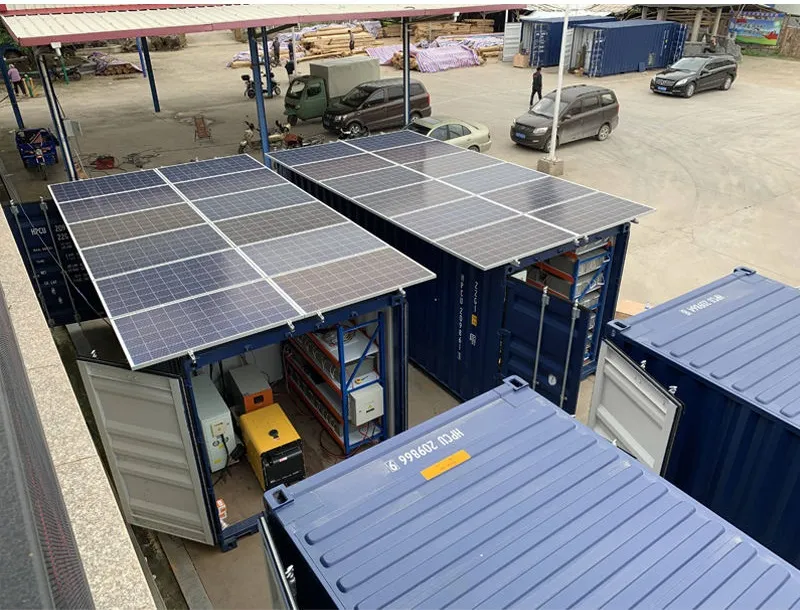
Let's talk about something that's changing how we power our lives - flexible solar panels. You've probably seen traditional rigid panels on rooftops, but these bendable alternatives? They're like the yoga masters of solar technology. I want to walk you through everything about these fascinating energy solutions because whether you're an RV enthusiast, a boat owner, or just trying to lower your electricity bills, understanding flexible panels could literally transform your relationship with energy.
The number 139 might make some think about durability and endurance - qualities that are absolutely essential when evaluating any solar technology investment. Remember when solar panels were bulky, fragile things that only worked on perfect rooftops? Those days are gone. Today's thin-film panels wrap around curved surfaces like your boat's cabin or your RV's roof, turning previously unusable spaces into power generators.
Traditional panels use rigid silicon cells sandwiched between glass and aluminum frames. Flexible panels? They're more like high-tech stickers - thin film photovoltaic material applied to bendable surfaces, often just a few millimeters thick. The magic happens in the materials: amorphous silicon (a-Si), cadmium telluride (CdTe), or copper indium gallium selenide (CIGS) cells that turn sunlight into electricity while bending up to 30 degrees.
Walking around my friend's boat last summer really showed me the difference. Instead of bulky structures ruining the sleek design, they had what looked like a custom-made black mat hugging the curves of the cabin roof. "It produces about 400 watts," he told me, "and I wouldn't even know it was there if I hadn't installed it myself." That seamless integration is what makes these panels special.
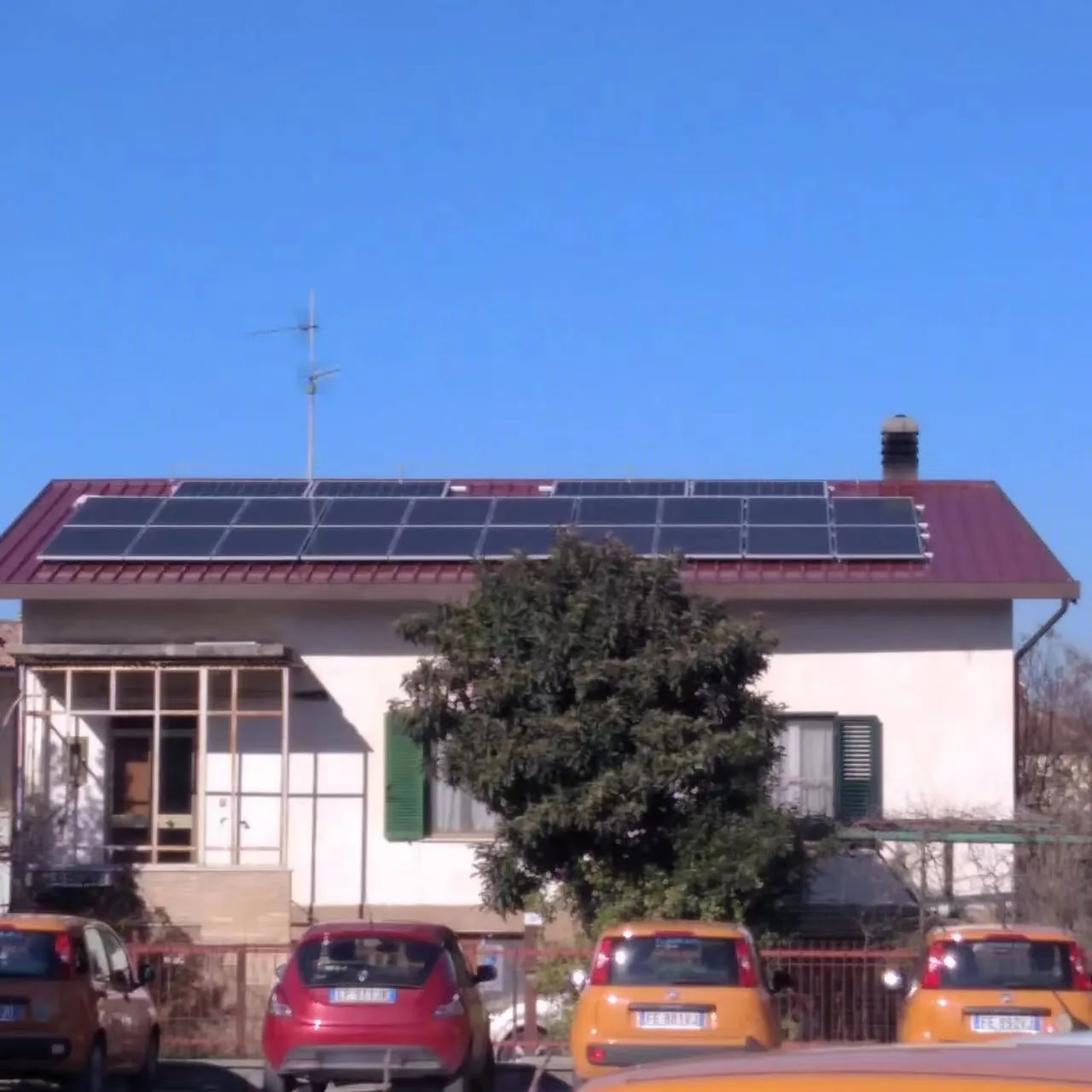
Here's where flexible solar products really blow my mind:
Adding power without adding roof height? Crucial for clearing those low branches!
Salty air? Constant movement? These panels just shrug it off.
Those beautiful curved roofs on modern homes? Finally harvestable!
Roll it up and deploy anywhere. Perfect for disaster response.
Shopping for solar panels shouldn't feel overwhelming. Here's exactly what to ask about:
The Power Question: "What's the actual wattage output under realistic conditions?" Don't settle for laboratory numbers.
I helped install flexible panels on a neighbor's RV last month - here's what actually matters:
Cleaner than surgery-level clean. Use specialty cleaners, not just soap and water.
High-temperature VHB tape works better than liquid adhesives.
Use UV-resistant conduit. Zipties degrade in sunlight!
Leave space for thermal expansion - materials need breathing room.
Let me paint a realistic picture of what you'll actually experience:
| Scenario | Typical 100W Flexible Panel | Traditional 100W Panel |
|---|---|---|
| Ideal summer day | 85-92W output | 92-97W output |
| Hot summer day (95°F) | 65-75W output | 75-85W output |
| Cloudy winter day | 20-35W output | 30-40W output |
| Power a refrigerator | Requires 200-300W system | Requires 150-250W system |
Pro tip: Always add 20% extra capacity to your initial calculation - clouds, dust and aging panels all nibble away at your power over time.
Your flexible panels will easily become one of your most valuable assets - but only if you take care of them:
When integrated thoughtfully into building materials or custom installations, flexible solar solutions provide both aesthetic appeal and functional energy harvesting capabilities.
The answer? It depends entirely on your situation. For fixed home installations where space isn't limited, traditional panels remain the budget-friendly choice. But if you're battling curved surfaces, weight restrictions or installation limitations? That's when flex panels become game-changers.
I've watched neighbors transform their off-grid cabins with flexible panels where traditional installers refused to work. That sense of energy independence? Worth every penny. As solar technology continues evolving, these flexible solutions are becoming more efficient and affordable each year. What seemed impossibly futuristic a decade ago now fits in your RV installation toolkit.
The next time you walk past a curved rooftop or a sleek boat deck, imagine the hidden power potential. With manufacturers like SunPower, Renogy and LG pushing efficiency boundaries, we're quickly approaching a future where solar collection integrates seamlessly into nearly every surface. The flexibility we see today is just the beginning - tomorrow's photovoltaic skin could transform entire cities.
Have questions about your specific situation? Check our updated online calculator that compares costs, outputs and ROI scenarios for various panel types. Whatever you choose, making informed decisions about your energy future brings its own kind of satisfaction - the peace of mind that comes from building resilience into your life.
Recommend Products












