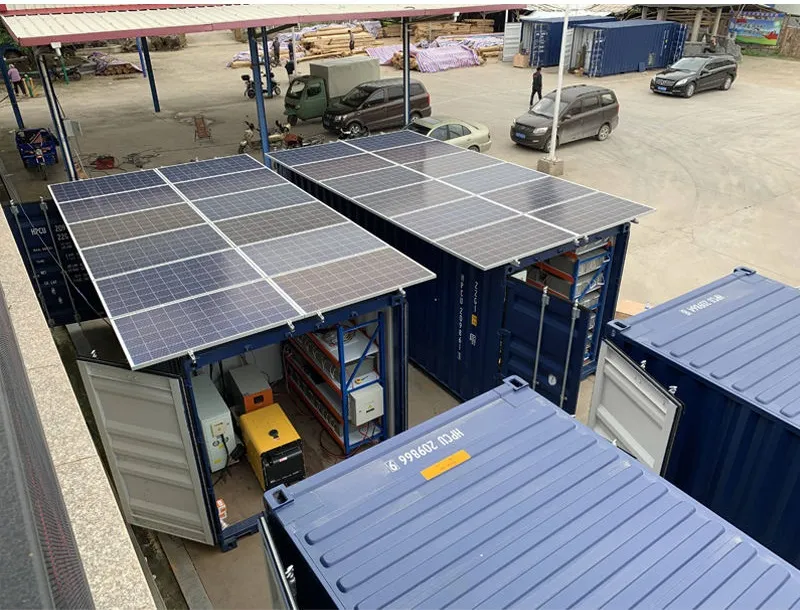
You've probably seen those sleek blue rectangles transforming rooftops everywhere from Arizona suburbs to Swedish eco-villages. As solar technology becomes increasingly essential in our shift toward sustainable energy, understanding the nuances between panel types becomes critical. Let's explore why the silicon crystal structure matters more than you might realize.
The Heart of the Matter: Silicon Crystals
At their core, all photovoltaic panels share the same mission: convert sunlight into electricity through the photovoltaic effect. But how manufacturers handle silicon – Earth's second most abundant element – creates dramatically different outcomes in efficiency, appearance, and cost.
Silicon doesn't naturally exist in pure crystalline form. It must be painstakingly extracted from quartz sand through energy-intensive processes reaching temperatures over 2000°F. The magic happens in how this molten silicon cools and solidifies – a process that can take days or weeks depending on the desired crystal structure.
Monocrystalline: The Precision Instrument
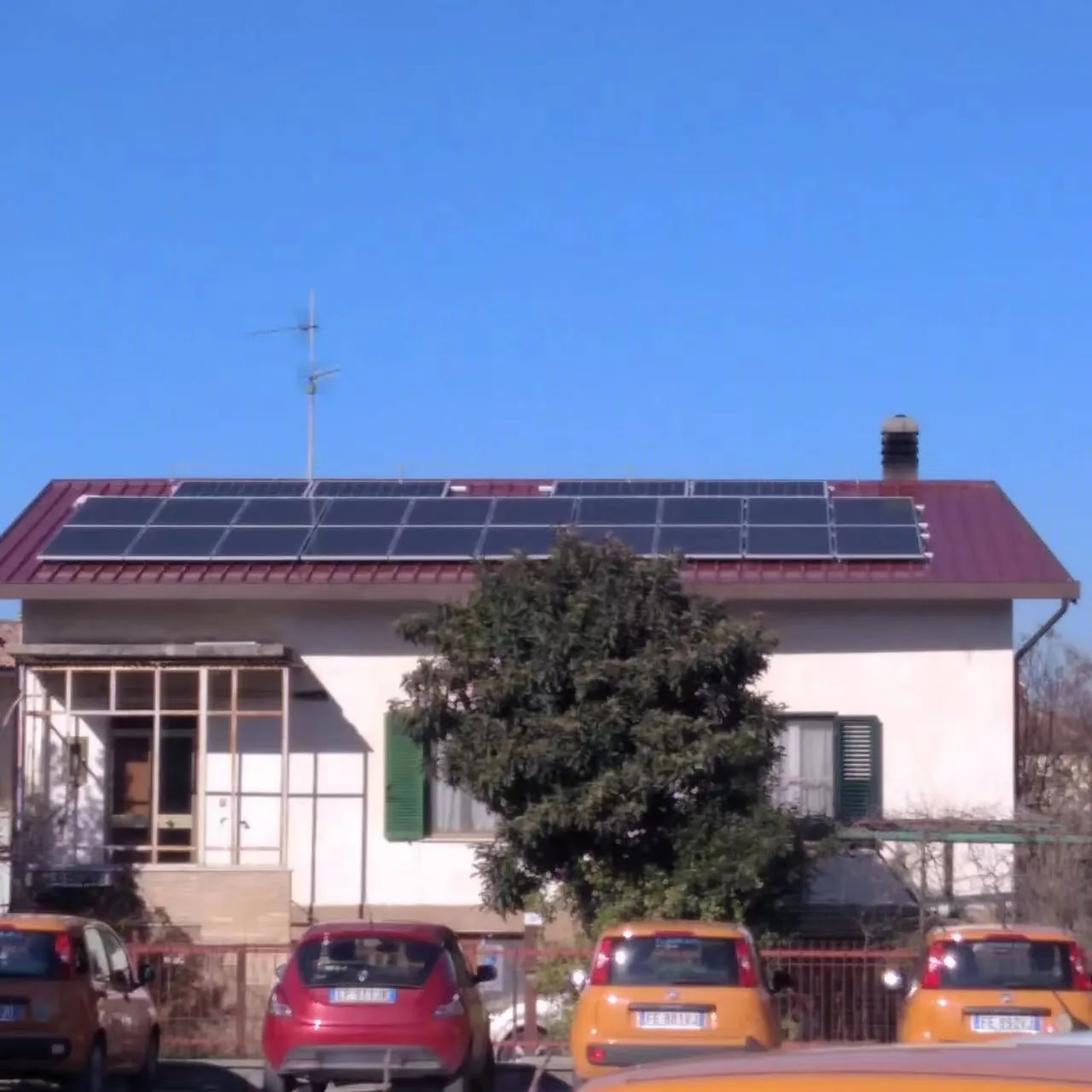
Picture a single flawless diamond emerging from cooling magma. That's essentially how
monocrystalline panels
are born. Manufacturers use the Czochralski method where a silicon seed crystal is dipped into molten silicon and slowly withdrawn, forming a cylindrical ingot with perfectly aligned atoms.
Why Perfection Matters
-
Electron Superhighway
: With zero grain boundaries obstructing electron flow, electricity travels more efficiently – typically 20-25% efficiency versus 15-20% for polycrystalline
-
The Space Saver
That higher efficiency means you need fewer panels for the same power output – crucial when roof space is limited
-
Heat Warrior
: Monocrystalline handles temperature fluctuations better, losing only about 0.3-0.4% efficiency per °C rise versus 0.4-0.5% for polycrystalline
-
Aesthetic Edge
: Their uniform black appearance integrates seamlessly with modern architecture
But perfection comes at a cost – literally. The slow crystallization process wastes about 50% of the silicon (cut away from the cylinders). This wastage contributes to the 20-40% price premium over polycrystalline panels. Yet for many homeowners investing in
residential solar panels
for the long term, this premium pays dividends in space savings and durability.
Polycrystalline: The Workhorse
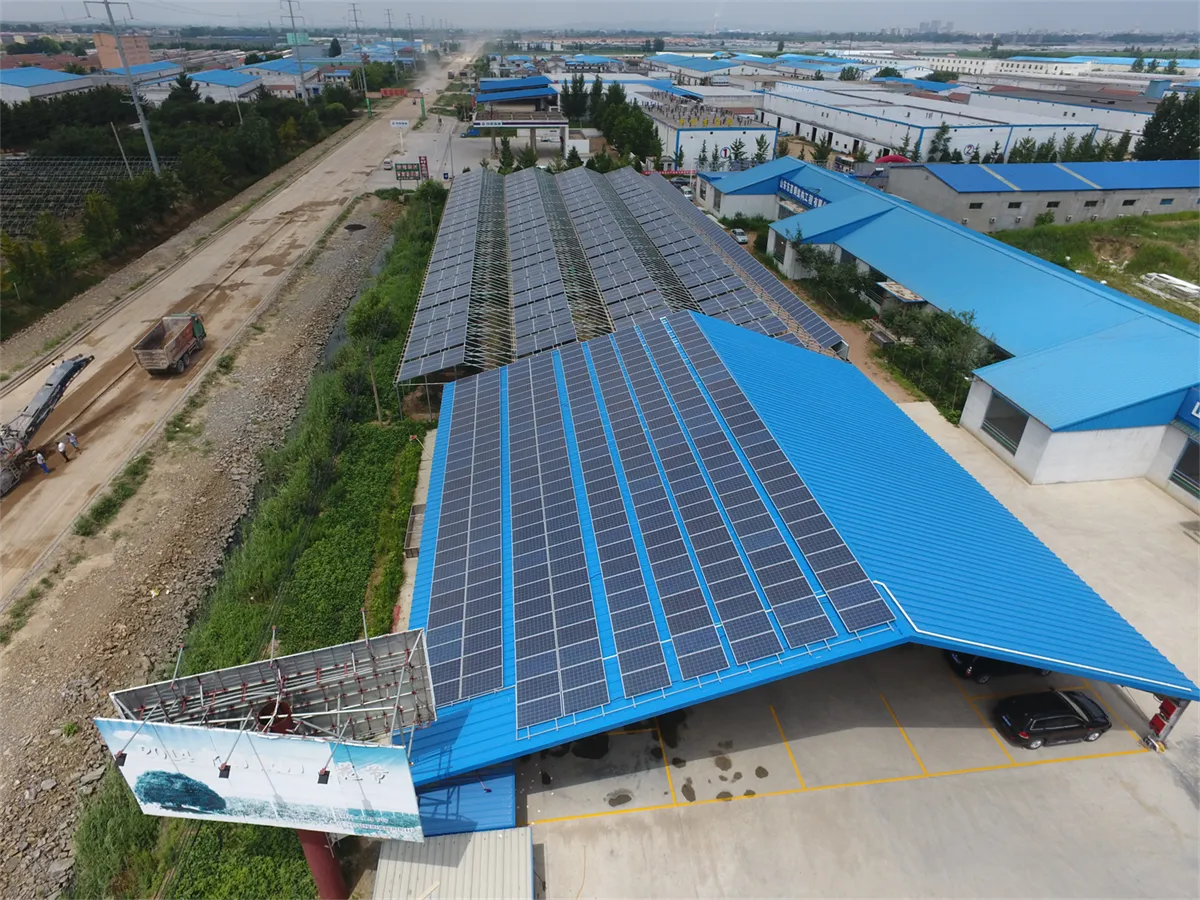
While monocrystalline panels are like handcrafted violins,
polycrystalline panels
are more like reliable electric guitars – slightly rougher around the edges but delivering solid performance at a friendlier price point. Here, molten silicon gets poured into square molds and cooled relatively quickly.
The Beauty in Imperfection
-
Minimal Waste
: The square molding means nearly all silicon gets used, translating to lower production costs
-
The Budget Champion
: Typically 10-20% cheaper per watt than monocrystalline equivalents
-
Eco-Edge
: Higher silicon utilization means less energy wasted during manufacturing
-
Distinctive Look
: Their blue, speckled appearance comes from light refracting off multiple crystal facets
The compromise comes in those crystal boundaries – they scatter sunlight and impede electron movement like cobblestone roads slowing traffic. Yet for commercial installations with ample space or off-grid applications where upfront cost matters most, polysilicon remains a compelling choice.
Monocrystalline
-
️ 20-25% efficiency
-
️ Higher heat tolerance
-
️ Space-efficient
-
️ Premium black appearance
-
20-40% more expensive
-
Higher silicon waste
Polycrystalline
-
️ 15-20% efficiency
-
️ 10-20% cost savings
-
️ Better silicon utilization
-
️ Distinctive blue look
-
Needs more space
-
Reduced heat performance
Performance When It Matters Most
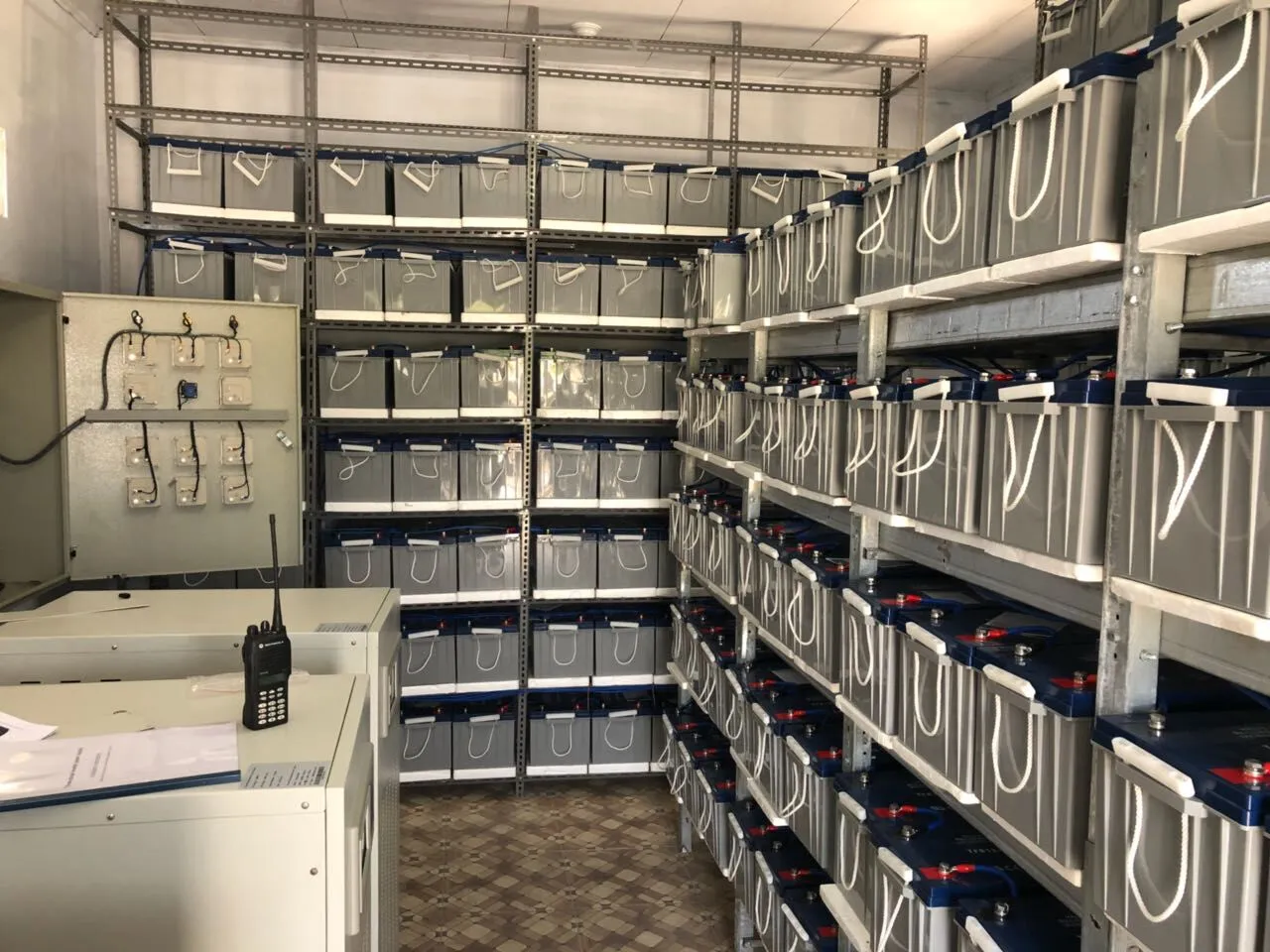
Differences become stark in challenging conditions that weren't part of lab tests. During Arizona's monsoon season when dust coats panels, mono's smoother surface sheds particles better. In Minnesota winters, mono's lower temperature coefficient means you'll lose less output during brief sunlight hours.
Real-world degradation tells another story. Premium monocrystalline panels from manufacturers like SunPower degrade just 0.25% annually – meaning after 25 years they'll still produce 92% of original output. Standard polysilicon degrades 0.5-0.8% annually, ending around 80-85% output after 25 years. That longevity difference often tips the economic scales.
Beyond Black and Blue: Where Innovation Is Headed
The solar industry never stands still. PERC (Passivated Emitter and Rear Cell) technology boosts both mono and poly efficiency by adding a reflective layer. Half-cut cells minimize resistance losses. But the biggest game-changer? N-type mono panels like those from JinkoSolar.
These use phosphorus-doped silicon that's immune to boron-oxygen defects – the primary degradation mechanism in traditional panels. When you combine this stability with bifacial designs that capture reflected light, you get panels that actually gain performance as they age in certain environments.
So where does this leave homeowners and businesses? For compact rooftops, premium installations, and extreme climates, monocrystalline typically justifies its higher cost. For ground-mounted systems, large commercial applications, and budgets where every dollar counts, polycrystalline makes perfect sense.
But the deeper revelation is this: the physics of silicon crystals becomes profoundly human. When we choose panels, we're making decisions about our relationship with light, energy, and our homes. We're voting with our rooftops for what we value most – economy, elegance, or efficiency. And in this choice between crystalline structures, we find ourselves participating in civilization's most important transition since we first harnessed fire.